



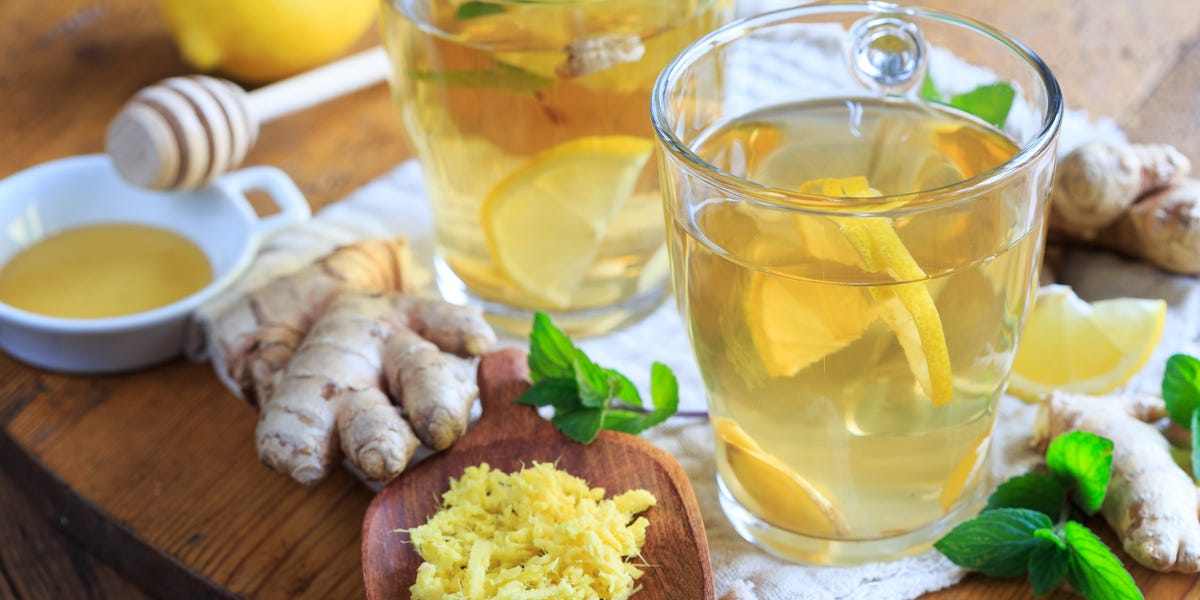
When we get sick or injured, inflammation kicks in to help our bodies heal. It’s a normal part of life—in small doses. Chronic inflammation is a different story. Fortunately, there are a number of ways to tackle this issue, including modifying your diet to include (and exclude) certain foods and beverages. One of the beverages you definitely want to have on hand to help fight inflammation? Tea.
Beyond being hydrating and all around comforting, many teas contain plant compounds with antioxidant and anti-inflammatory effects. Research suggests these compounds may even help tamp down inflammatory pathways in the body over time. Here’s what dietitians say are five teas to fight inflammation and the science to back them up.
Meet the experts: Avery Zenker, R.D., at MyHealthTeam; Jennifer Pallian, R.D., at Foodess Creative Inc.; and Yvette Hill, R.D.N.
1. Green tea
Green tea is one of the most studied beverages in the world—and not just as a coffee alternative. Its potential benefits seriously stack up, especially when it comes to its impact on brain health. And yes, it fights inflammation, too.
“Green tea contains a number of polyphenols that have antioxidant properties, such as catechins like EGCG,” Avery Zenker, R.D., at MyHealthTeam tells Prevention. “Green tea also contains L-theanine, an amino acid that may help protect brain cells from oxidative stress, lowering inflammation and potentially slowing cognitive decline…[It also] has been found to positively influence the gut microbiome, leading to production of beneficial and anti-inflammatory compounds like short-chain fatty acids (SCFAs).”
2. Hibiscus tea
The vibrant red color of hibiscus tea actually comes from anthocyanins, a class of antioxidants that help neutralize oxidative stress, a key driver of chronic inflammation.
“Hibiscus tea contains polyphenols, flavonoids, anthocyanins, tannins, phenolic acids such as chlorogenic and protocatechuic acid, and organic acids including hibiscus acid and hydroxycitric acid, all of which contribute to its antioxidant capacity and its ability to fight inflammatory processes,” Jennifer Pallian, R.D., explains. “However, rather than acting through a single pathway, these compounds appear to fight inflammation through several interconnected mechanisms.”
In other words, hibiscus tea doesn’t rely on just one compound or action to help calm inflammation. Instead, its mix of plant compounds appears to work in complementary ways, supporting the body’s natural defenses against oxidative stress while helping keep inflammatory responses from staying switched on.
3. Turmeric tea
Although there hasn’t been as much research on turmeric tea as some of the others on this list, we do know it contains an anti-inflammatory compound called curcumin. “Curcumin inhibits chronic inflammatory signals in the body. Studies have found it to be anti-inflammatory, antimicrobial, and anticancer, among other things” says Yvette Hill, R.D.N.
Specifically, studies have also shown that curcumin can improve pain and physical function in people with osteoarthritis, something researchers suggested is due to its anti-inflammatory effects.
4. Ginger tea
Ginger tea contains over 400 natural compounds, including some that are anti-inflammatory, such as gingerol. Zenker describes gingerol as an antioxidant that helps combat oxidative stress and lower inflammation.
“Its benefits are measurable in the body, with significant reductions in [inflammatory] biomarkers such as C-reactive protein (CRP) and tumor-necrosis factor alpha (TNF-a),” she says. Research suggests that its components mean ginger could help with symptoms of various inflammatory diseases and may even offer some protections against cancer.
5. Chamomile tea
We all know chamomile tea for its calming effects, but like the other teas on our list, it may also play a role in reducing inflammation.
Some research suggests chamomile’s plant compounds can help moderate inflammatory responses in the body and may be especially helpful for soothing inflammation in the digestive tract. Plus, better sleep—something chamomile is often used to help with—has been linked to lower levels of inflammation over time.
While no single tea can eliminate inflammation on its own, regularly sipping any one of these teas with anti-inflammatory compounds may help support the body’s natural ability to keep inflammation in check. Besides, who doesn’t want an excuse to spend more time curled up with a nice cup of tea?
Read the full article here


