







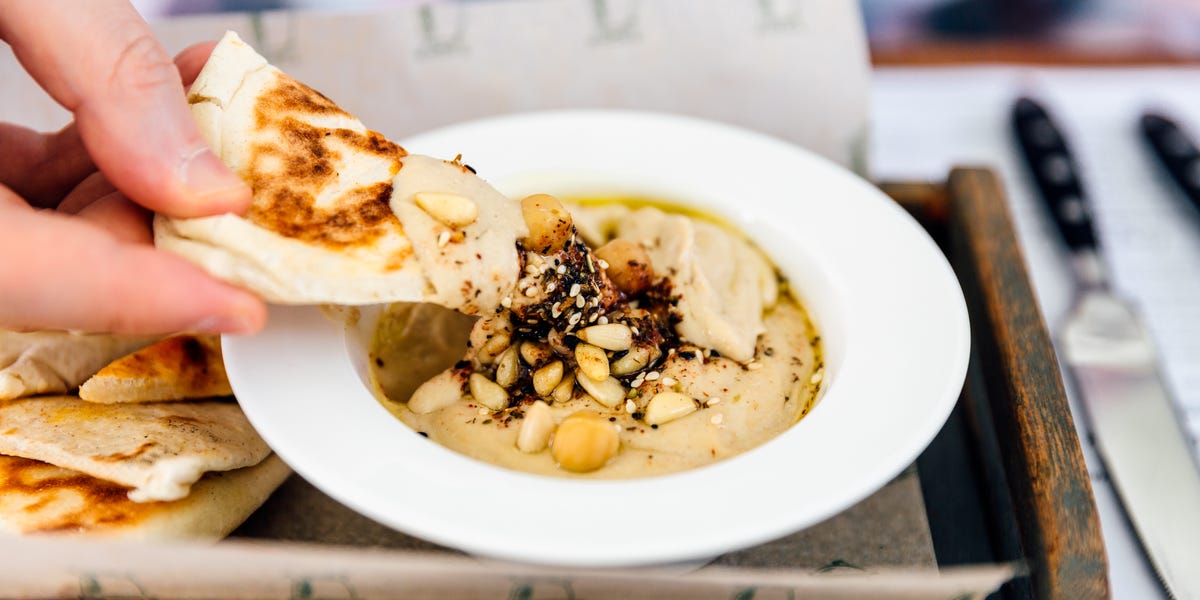
I spend hours analyzing food data, reading nutrition labels, and helping people build healthier eating habits as a registered dietitian. And one food, in particular, has been a staple in the Mediterranean diet (and many cultures) for a long time: hummus. So, I decided to try eating hummus every day for a week to see how it affected my body.
We all know and love hummus as a spread of sorts for crunchy carrots, cucumbers, and warm pita bread. However, it is an incredibly versatile food that goes far beyond the snack plate. I love to use it as a flavorful sandwich condiment in place of mayonnaise, or even transform it into a creamy, dairy-free pasta sauce. And nowadays, hummus doesn’t stop at just chickpeas, tahini, and olive oil blended. You can try chocolate hummus for a sweet snack, lentil hummus for a fiber-boosted twist, and all sorts of creative blends that make it easy to enjoy chickpeas in new and unexpected ways.
Unlike some other food challenges my editor asked me to do (ahem, when I ate kale every day for a week), I knew this one didn’t have the potential to get a little stale by day seven. So, as the good little writer (nay, scientist) I am, I set out to eat one serving of this beloved chickpea spread every day. Here is exactly what happened to my body and my meals during the experiment.
What happened when I ate hummus every day
I dove into this experiment feeling genuinely excited. After all, how often do you get the chance to call daily hummus eating, well, work? Right from the start, I was reminded just how simple it is to work hummus into my snacks. I found myself happily reaching for hummus and veggies or crackers because it was tasty, convenient, and paired perfectly with many of my favorite foods. With a ready-to-eat source of plant-based protein, fiber, and healthy fats always on hand, my afternoon snacking felt like a little win for my nourishment. As a dietitian, I’m always looking to get a bit more plant-based protein into my routine, and this was a satisfying way to do it.
As for my digestion, I didn’t notice any major changes, but since I usually eat a good amount of fiber, that wasn’t surprising. For someone less used to fiber, there might be a more noticeable difference.
Finally, I have to say my meals were genuinely more satisfying with hummus. Adding a dollop to salads or grain bowls gave my lunches a creamy, indulgent feel without the heaviness of thick dressings or lots of cheese. I stayed full longer, and it even helped prevent those pre-dinner, mindless snack attacks.
Hummus nutrition
According to the United States Department of Agriculture (USDA), a standard 2 tbsp serving of traditional hummus provides roughly:
- Calories: 82
- Protein: 2.5 g
- Fat: 6 g (predominantly heart-healthy unsaturated fats from tahini and olive oil)
- Carbohydrates: 5 g
- Dietary Fiber: 2 g
- Calcium: 13 mg
- Phosphorus: 56 mg
- Choline: 16 mg
It also provides antioxidants and other plant compounds, like polyphenols (from chickpeas and olive oil), flavonoids (from chickpeas), and lignans (sesamin and sesamol from tahini).
Benefits of eating hummus
Boosts nutrient intake and overall diet quality
When you eat hummus, you supply your body with a powerful blend of essential nutrients and bioactive compounds. The two main ingredients, chickpeas and tahini, work together to provide a hearty dose of plant-based protein, dietary fiber, and healthy unsaturated fatty acids. Chickpeas deliver important vitamins and minerals like folate, potassium, and calcium, while tahini adds antioxidant-rich sesame compounds to your meal.
Beyond its basic nutrition, hummus actively improves your overall diet quality by helping you replace energy-dense, nutrient-poor foods. Research shows that eating hummus as an afternoon snack may impact what you choose to eat later in the day (for the better!). In one study, people who ate a hummus snack in the afternoon consumed 250 fewer calories from high-sugar desserts in the evening compared to those who ate granola bars or nothing at all.
Supports heart health
Eating hummus regularly may support your cardiovascular health. The chickpeas in hummus naturally feature an ideal fat profile for heart health, as they are rich in polyunsaturated fats and very low in saturated fats. Research demonstrates that adding chickpeas to your diet is linked to a reduction in both total cholesterol and LDL, often called the bad cholesterol. These mighty legumes are packed with specialized plant compounds, including saponins and soluble fiber, which work together to block your body from absorbing cholesterol while helping to safely flush it out of your system.
The tahini in hummus adds another robust layer of defense against cardiovascular disease. Made from ground sesame seeds, tahini consists almost entirely of heart-healthy monounsaturated and polyunsaturated fats, along with unique antioxidant compounds known as lignans. Studies show that incorporating just two tablespoons of tahini into your daily meals can lower your blood triglycerides by roughly 10% and reduce markers associated with atherosclerosis. By combining these two nutrient-dense ingredients, hummus serves as a delicious, practical tool to improve your lipid profile and maintain a strong, healthy heart.
If your hummus is made with extra virgin olive oil, you also get the heart health-supporting benefits of that ingredient.
Supports weight management
When you enjoy hummus as part of your day, you gain an ally in managing your weight through getting filling nutrients. According to one study, people who eat hummus and chickpeas regularly tend to have lower body weights than those who avoid these foods. Thanks to a satisfying combination of plant-based protein and fiber, incorporating hummus may lead to higher overall satiation, helping you feel comfortably full between meals.
Provides a boost of antioxidants
Hummus offers a valuable source of antioxidants, partially thanks to the addition of tahini. Made from ground sesame seeds, tahini contains rich amounts of specific plant compounds called lignans, including a notable one known as sesamin. Research shows that these antioxidants can play a helpful role in supporting your overall health. For example, studies suggest that consuming sesamin may be linked to improved glucose control among certain populations. While scientists are still working to figure out exactly how this happens, they believe the strong antioxidant activity of these sesame compounds is a key factor.
Who should not eat hummus?
While hummus is a great addition to most diets, certain people may need to avoid it or limit their intake. Anyone with a sesame allergy must strictly avoid traditional hummus, as it is its primary ingredient. Similarly, people with an allergy or severe sensitivity to legumes should steer clear of chickpeas.
Additionally, those living with irritable bowel syndrome (IBS) or those who are highly sensitive to FODMAPs might find hummus difficult to digest. Chickpeas contain certain types of carbohydrates, called oligosaccharides, which may cause uncomfortable gas and bloating in sensitive stomachs. Finally, if you have high blood pressure or need to closely monitor your sodium intake, always check the nutrition label on store-bought brands. Some commercial varieties may be surprisingly high in added salt. The sweeter ones may have added sugar, so watch out for that on the food label as well.
The bottom line
Eating hummus every day was a rewarding and delicious experiment. And as a dietitian, I can confidently confirm that this creamy chickpea spread is a nutrient-dense food that deserves a regular spot on your plate.
Whether you use it as a classic dip for fresh vegetables, a savory spread for sandwiches, or a creative pasta sauce, hummus offers a beautiful balance of plant-based protein, dietary fiber, and healthy fats. Just remember to listen to your body, read the ingredient labels to watch out for excess sodium, and enjoy it as part of a varied, balanced diet.
Read the full article here


