






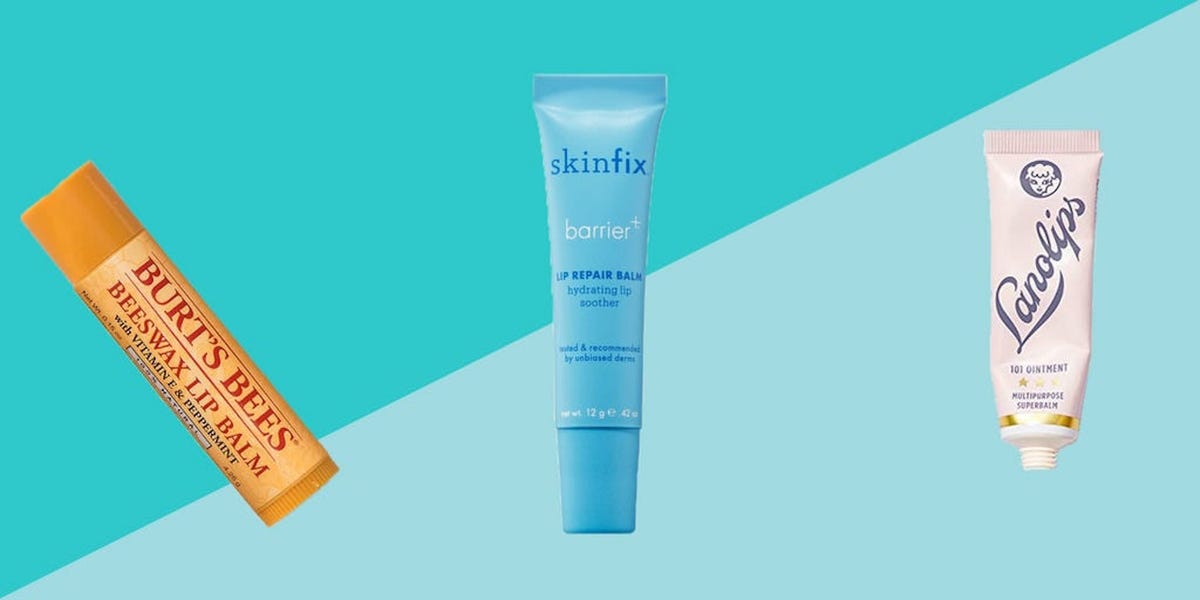
Choose soothing ingredients: Both Dr. Waldorf and Dr. Feely say to look for products containing occlusive ingredients, which create a barrier on the skin to prevent moisture loss. Petrolatum, silicone, squalene, lanolin, shea butter, and waxes all fit the bill. Humectants like hyaluronic acid and glycerin (which pull water into the skin like a sponge) are also helpful. A mild steroid, such as 1% hydrocortisone, can reduce inflammation if your lips are in pain.
Steer clear of irritants: While cooling agents like camphor and menthol feel good upon contact, they “will sting and aren’t necessary to heal or improve lips,” says Dr. Waldorf. Exfoliating ingredients (like salicylic acid or physical granules in scrubs) should also be avoided if your lips are chapped, since they won’t fix the underlying problem and can make your lips feel raw. Plumping ingredients like capsaicin aren’t a great idea as they will cause swelling.
Mind your reaction: Even some traditionally helpful ingredients, like beeswax, can cause allergic reactions in people, says Dr. Feely. Lanolin, peppermint and coconut oils, propylene glycol, fragrances, dyes, and more can also stir irritation, so if you feel that your lip balm is making things worse, it might be time to see your derm.
Know when to see a doctor: “If you have just a patch or spot of ‘chapped lips’ that is persistent, don’t assume it is just dryness,” cautions Dr. Waldorf. “In that case, you could have an actinic keratosis—a precancerous skin condition caused by excessive sun.” A lip balm that contains SPF can help protect you from harmful UV rays.
Now that you have the basics down, it’s time to find a lip balm that works for you. Here, expert-approved and top-rated options that will take your lips from dry and chapped to smooth and supple.
Read the full article here


