






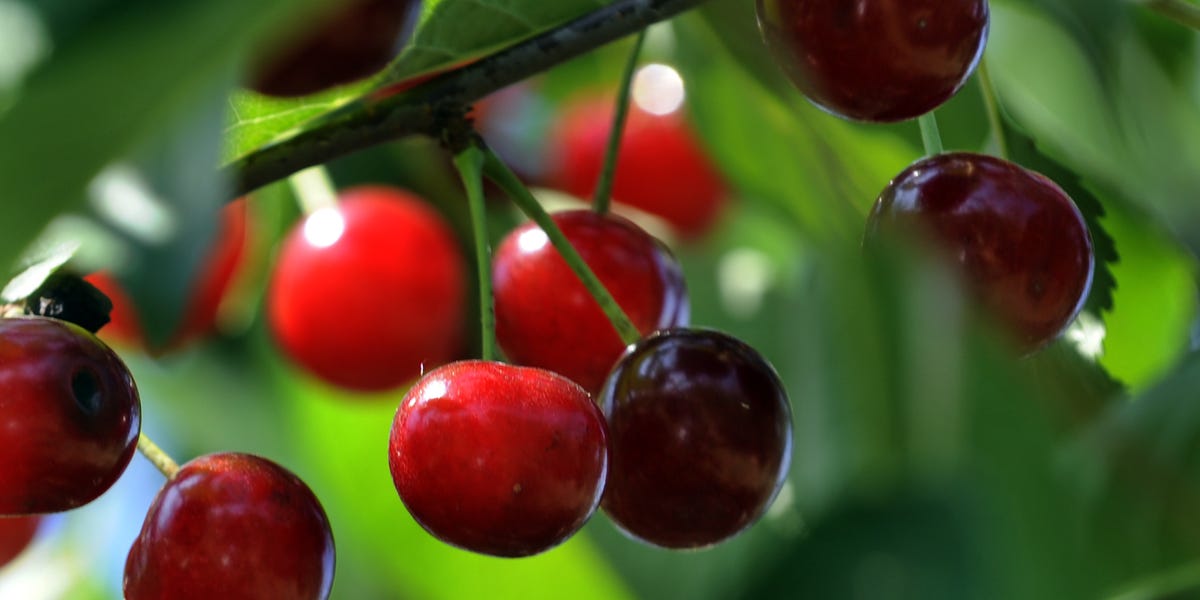
As a registered dietitian, a question I hear often is what to eat after a tough workout. People want to bounce back, feel less sore, and show up ready for the next session. Good news: the foods that support recovery are usually the same wholesome, everyday options you already know and love—and one in particular keeps earning attention from researchers and nutrition experts alike.
That standout is the tart cherry. Let me explain why it’s worth a spot in your recovery routine, then share a broader list of foods I regularly suggest to help your muscles repair and refuel.
Why tart cherries stand out for muscle recovery
Cherries are a great fruit in general—but when it comes to exercise recovery research, one variety keeps showing up: the Montmorency tart cherry. That’s the type the studies below are referring to, so it’s worth keeping in mind as you read on.
What sets Montmorency tart cherries apart in this context isn’t exclusivity, but specificity: the exercise-recovery research has zeroed in on this particular variety, making it the most evidence-backed choice when recovery is the goal.
What the research suggests
A recent review looked at 28 clinical trials studying Montmorency tart cherries and exercise in healthy adults. Several studies pointed to a helpful effect on post-exercise recovery of muscle strength, meaning muscles seemed to bounce back a little better after hard efforts. A number of studies also reported reduced delayed-onset muscle soreness—that achy, stiff feeling that shows up a day or two after a challenging workout.
Researchers believe these benefits likely come from tart cherries’ antioxidant and anti-inflammatory compounds, which may ease the oxidative stress and inflammation that come with intense exercise. Some studies even suggest tart cherries may support better blood flow and oxygen delivery to working muscles, per the authors. In this review, tart cherries were typically studied as juice, concentrate, or powder.
Bonus points for these humble fruits? In early 2026, the International Society of Sports Nutrition released an official position on dietary antioxidants in exercise and sport. Montmorency tart cherry was listed among the few antioxidant sources considered to have “moderate” to “high” evidence supporting exercise and sport. That’s a meaningful nod from a respected professional group, and it’s part of why I feel comfortable highlighting tart cherries here.
How to enjoy them
Tart cherries come in several forms. For everyday use, you can:
- Sip tart cherry juice or a diluted concentrate
- Stir tart cherry juice into a post-workout smoothie
- Add dried tart cherries to oatmeal, yogurt, or trail mix
- Enjoy freeze-dried tart cherries in a trail mix (we are partial to the Trader Joe’s variety)
As with any single food, tart cherries aren’t a magic fix. Think of them as one promising, research-backed piece of your recovery routine, and not a replacement for good overall nutrition, hydration, and rest.
Other dietitian-approved foods for muscle recovery after exercise
Recovery isn’t about one hero food. It’s about giving your body the protein to rebuild muscle, the carbohydrates to refill energy stores, and the fluids and nutrients to feel your best. Here are the foods I reach for and recommend most.
Greek yogurt
Greek yogurt delivers a generous dose of high-quality protein to support muscle repair, plus carbohydrates to help replenish energy. It’s also easy to enjoy right after a workout when you may not feel like a full meal.
Research also suggests it may help the body manage inflammation during training: in one study of healthy males doing 12 weeks of resistance training, those who consumed Greek yogurt showed a more favorable inflammatory response compared to those who consumed a carbohydrate control. As a fermented food, it also brings additional bioactive components that may add to these potential benefits.
Eggs
Eggs are one of my favorite recovery foods. They offer complete protein along with nutrients like vitamin D and choline. They also score highly on the PDCAAS scale, which measures protein quality based on digestibility and essential amino acid content, meaning your body can efficiently use that protein to help repair and rebuild muscle after exercise. In fact, eggs have a PDCAAS score of 1, which represents the highest protein quality and digestibility. The yolk counts too, so enjoy the whole egg.
Salmon
Salmon is a standout for recovery because it delivers high-quality protein along with EPA and DHA, two omega-3 fats that may help support muscle recovery by modulating inflammation after exercise. Research on EPA and DHA supplementation suggests these fats may help reduce soreness and markers of muscle damage, making salmon a smart food to include regularly.
Tofu
Tofu can be a helpful recovery food for people who prefer plant-based proteins. It supplies soy protein, and data on soy protein supplementation suggest it may help support muscle recovery, training adaptations, and lean mass in active individuals.
Olive oil
Olive oil is an easy way to round out a recovery meal. Research suggests it may help support recovery as part of a broader eating pattern, since one study of marathon runners linked a diet that included fish, vegetables, and olive oil with a more favorable exercise-induced muscle damage and cardiac stress profile. Drizzle it over roasted potatoes or vegetables alongside salmon, and you’ve got a simple, recovery-supportive plate.
Potatoes
Don’t overlook the humble potato. After tough exercise, carbohydrate-rich foods like potatoes help replenish depleted glycogen stores and support longer-term neuromuscular recovery. They also deliver potassium, a mineral you lose through sweat. And if you eat the skin, you’ll get a little extra fiber and naturally occurring plant compounds along with those carbs.
Vegetables
Vegetables are an easy, everyday addition to a recovery meal. Research suggests they may help support recovery as part of a broader eating pattern, since one study of marathon runners linked a diet that included fish, vegetables, and olive oil with a more favorable exercise-induced muscle damage and cardiac stress profile. Pile a colorful mix onto your plate, or roast them alongside salmon and serve with a carb, and you’ve got a simple, recovery-supportive meal.
The bottom line
Recovery doesn’t hinge on a single “perfect” food. It comes from steady, everyday habits: enough protein to help your muscles repair, enough carbohydrates to refill your energy stores, and plenty of fluids and nutrient-rich foods to help you feel your best. Tart cherries have earned their spotlight thanks to some encouraging research, but they work best alongside familiar staples like Greek yogurt, eggs, salmon, tofu, olive oil, potatoes, and vegetables. You don’t need to overhaul your plate or chase the latest trend to recover well. Start with what feels doable, add variety when you can, and trust that small, consistent choices add up over time. Your body does the hard work during training, so give it the wholesome fuel it needs to bounce back and keep going strong.
Read the full article here


