






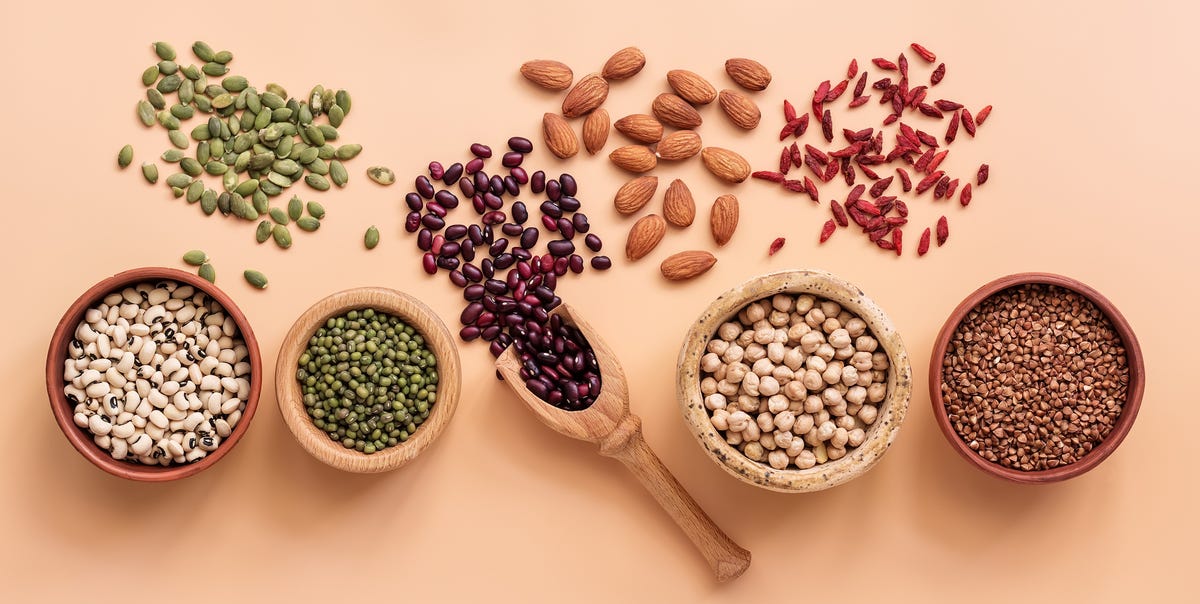
It’s easier than ever these days to switch to a plant-based diet: Vegan restaurants are popping up all across the country, supermarkets are filled with plant-based frozen meals (we particularly love PlantSpired and Amy’s), and food delivery services, such as Purple Carrot, will do all the shopping and prepping for you.
But even if you’re not ready to go full-veg, research suggests cutting out meat a few times a week is better for your health and for the planet—and your animal friends will thank you.
Still, many people wonder, is it possible to get enough protein on a veggie diet? “This is the number one question I get about going more plant-based,” says DJ Blatner, R.D.N., author of The Flexitarian Diet. “But there’s no need to worry, because you can absolutely get enough protein on a plant-based diet.”
Whether you’re vegetarian, vegan, flexitarian, or simply veg-curious, you should aim to have at least one source of plant protein in every meal or snack, and switch it up! “No matter what type of eater you are, it’s important to get a wide variety of nutrients for optimal health,” Blatner says.
How Much Protein Do I Need?
Go ahead and pull out your calculator app, and multiply your weight by 0.36 grams (for a 150-pound woman, that means around 54 grams per day), and that’s the number you should aim for, says Blatner. That’s the Recommended Dietary Allowance for protein, so keep in mind older adults and highly active individuals may need more, up to about 0.9 grams per pound of body weight.
“Try one new plant-based recipe each week,” Blatner suggests. “At the end of a year you’ll have tried over 50 recipes, some of which will be so easy and delicious you’ll keep them in your regular rotation.”
To get you started (or just give you a few more delicious ideas), here are more than a dozen plant-based proteins, plus delicious ideas for how to enjoy them.

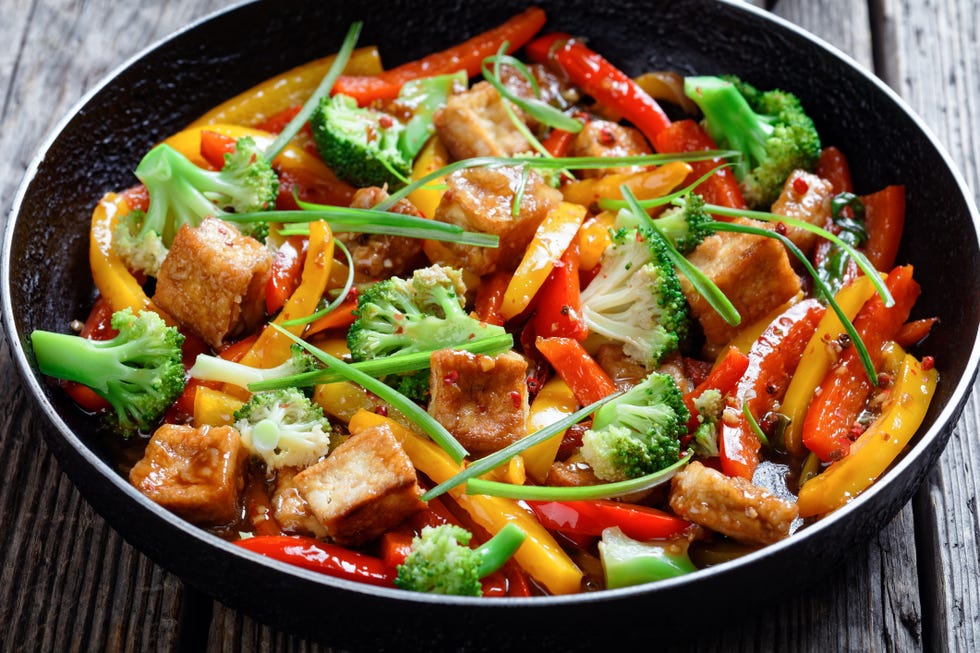
Tofu
Protein: 11 grams per 1/2 cup, cooked
Tofu, which is made from soy milk, is the superstar of vegan proteins—it’s super versatile and takes on the flavor of whatever sauce or seasoning you add. (Cooking with whole tofu, as in a stir-fry or scramble, is much healthier than eating food made from soy protein, such as “chick-n” nuggets, because it’s an unprocessed food, says Blatner.)
Firm tofu packs in the most protein of any variety but silken tofu is also delish: This recipe for Silken Tofu With Shiitakes Parcels and Chili Crisp packs 17 g per serving.

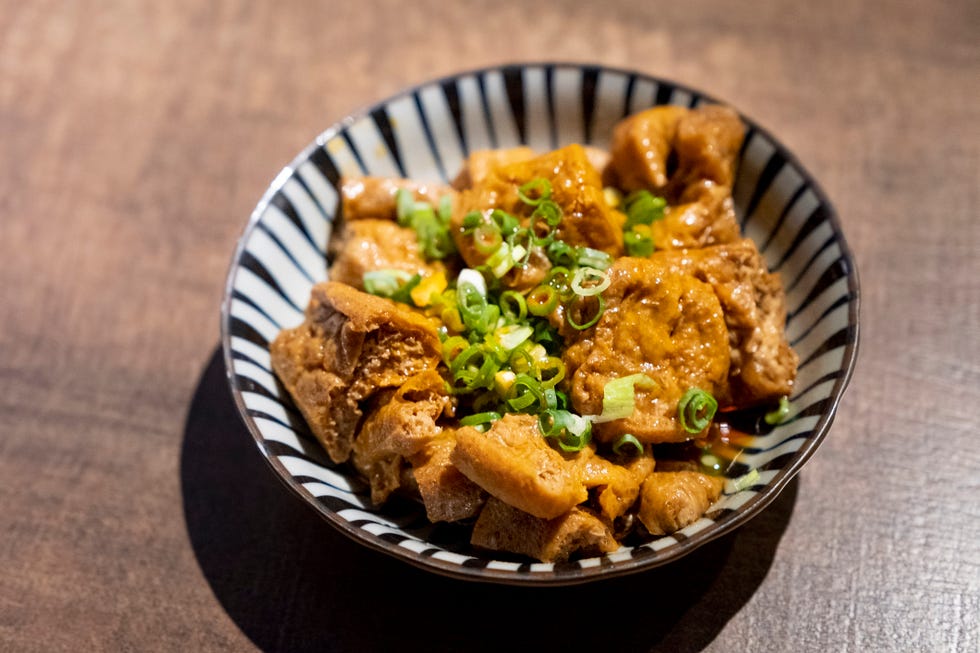
Seitan
Protein: 22 grams in about 3/4 cup, cooked
If you’ve ever had “mock duck” at a Chinese restaurant and had to ask twice to make sure it wasn’t made from the real feathered creature, you’ve already tasted the wonder that is seitan. Made from wheat gluten (basically, wheat minus the starch), seitan is a protein powerhouse. It also has a “meaty” texture, which gives the same mouthfeel as beef or poultry.
One caveat: If you’re on a gluten-free diet for health reasons, skip the seitan and stick with tofu.
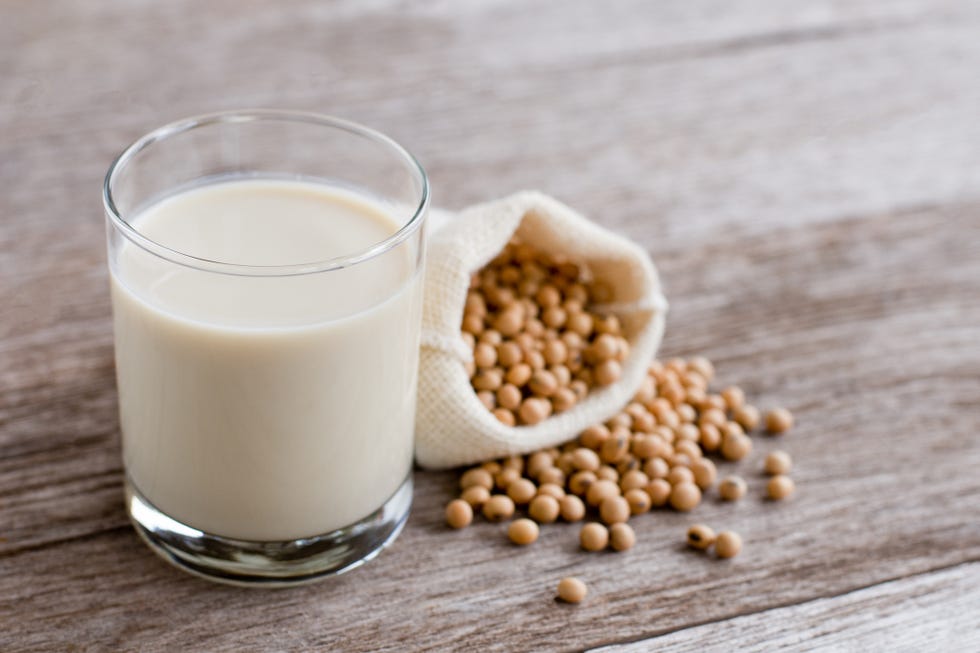
Soy Milk
Protein: 8 grams per 1 cup
While it may not be as trendy as oat, almond, or pistachio milk, good old soy milk is the top plant-based beverage to drink for protein: It has 8 g, which is about equal to a cup of cow’s milk. Whip up a latte with it, pour it over your granola, or drink a glass with a cookie before bed.
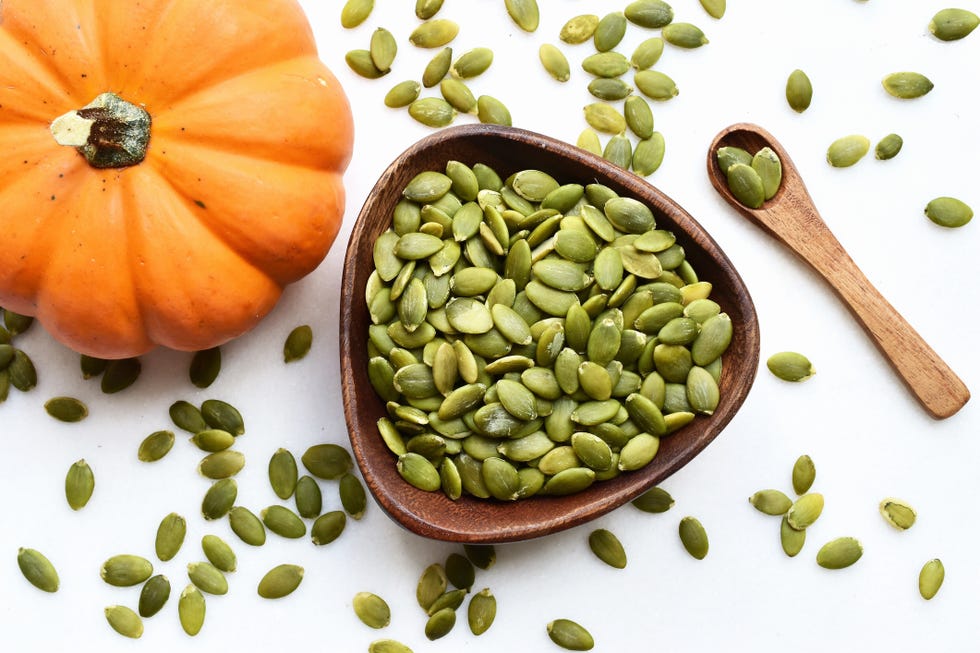
Pumpkin Seeds
Protein: 9 grams per 1 ounce or about a 1/4 cup
The best part of the pumpkin isn’t the smiling face on your jack-o’-lantern, but the crunchy, protein-packed seeds inside (skip the mess of carving and buy them roasted in the supermarket).
Also known as pepitas, these little protein bombs are perfect sprinkled on a salad or your morning yogurt, on top of soup, or as a crunchy snack on their own.
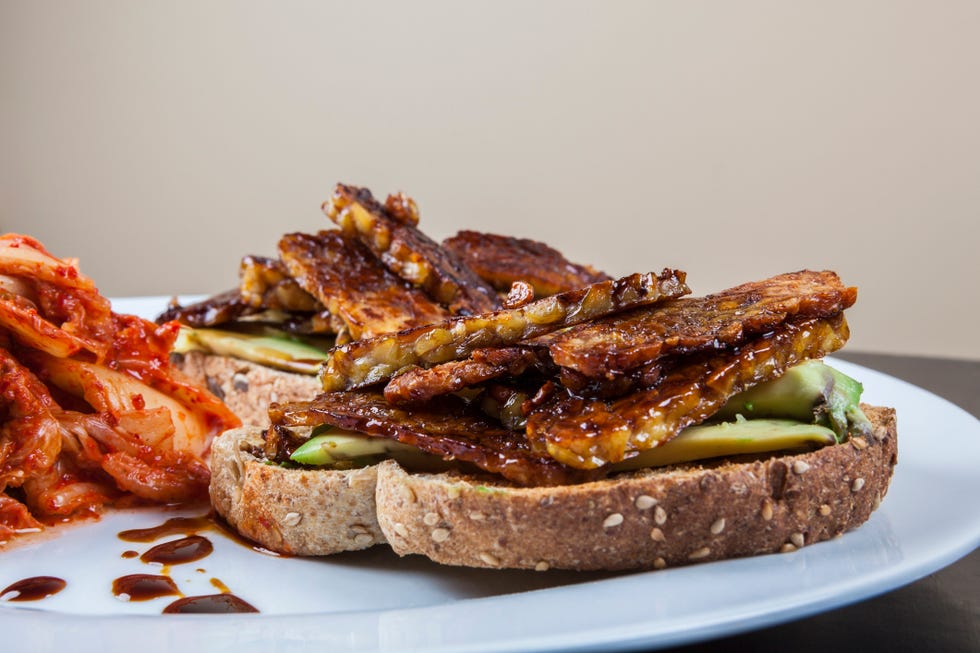
Tempeh
Protein: 20 grams in about 3/4 cup, cooked
This savory cake made from soybeans has a chewy, meaty texture, and it’s fermented for easier digestion, Blatner says. You can slice it up and cook it any way you would prepare meat—grilled, baked, or roasted in honey-mustard for this tasty sandwich.
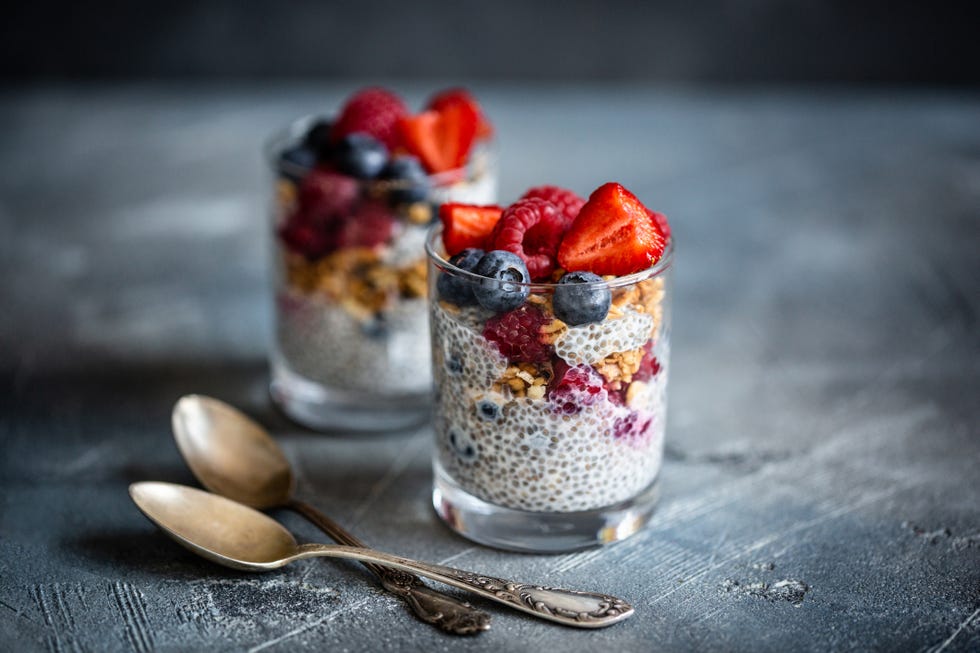
Chia Seeds
Protein: 5 grams in 2 tablespoons
Not only are these delicious and popular seeds a complete protein, with all the amino acids you need, they also contain plenty of fiber and antioxidants. Whipping them up into a delicious chia pudding with the fruit of your choice is easy and gives you a great start to your day.

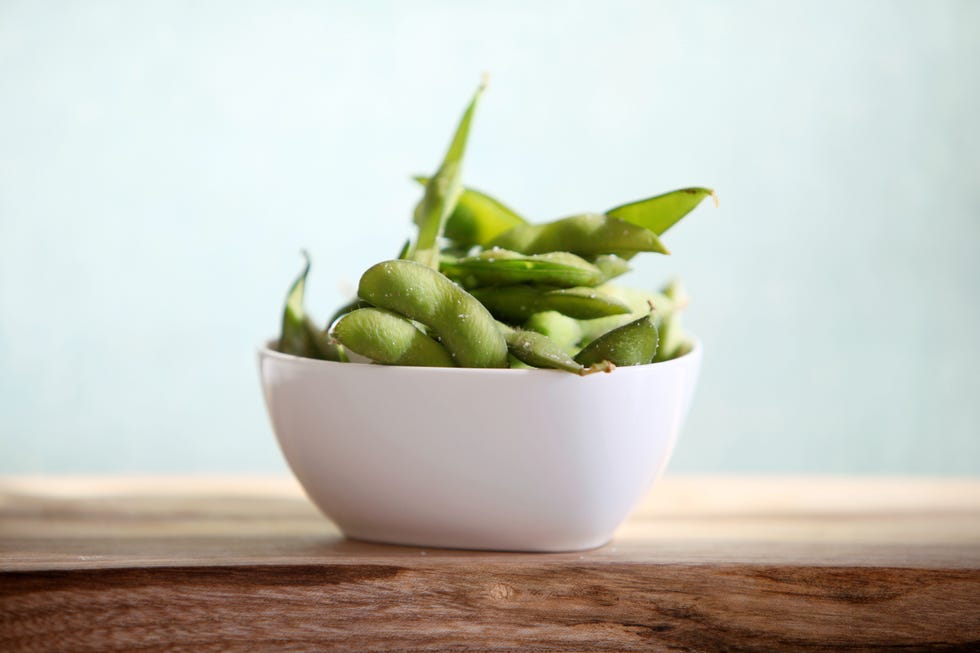
Edamame
Protein: 9 grams per 1/2 cup, cooked
More craveable than popcorn, soybeans also contain all nine essential amino acids. They’re also an excellent source of fiber, iron, calcium, zinc, and B vitamins. Cook them alone for a healthy snack or fold them into protein-packed stir-fry or veggie fried rice.

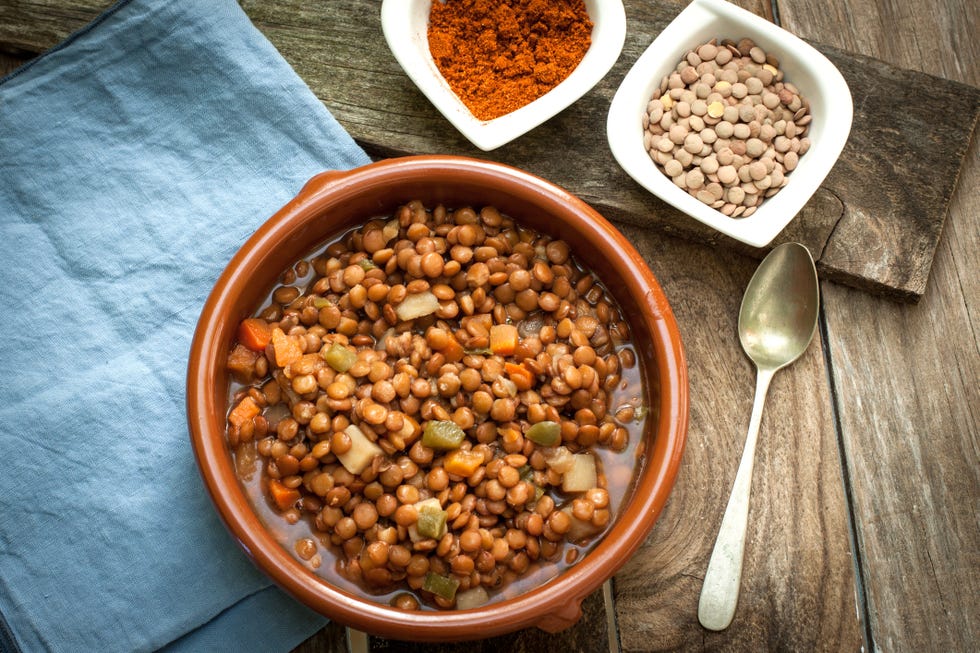
Lentils
Protein: 8 grams per 1/2 cup, cooked
Sort of a cross between a bean and a legume, lentils are actually a “pulse,” which is the edible seed of a legume. Best known as a particularly comforting variety of soup, lentils are also rich in folate, potassium, and copper. You can use them to replace ground beef in shepherd’s pie or meatloaf, or make them the star of the dinner table in this Warm Lentil Salad With Castelvetrano Olives (skip the cheese if you’re vegan).
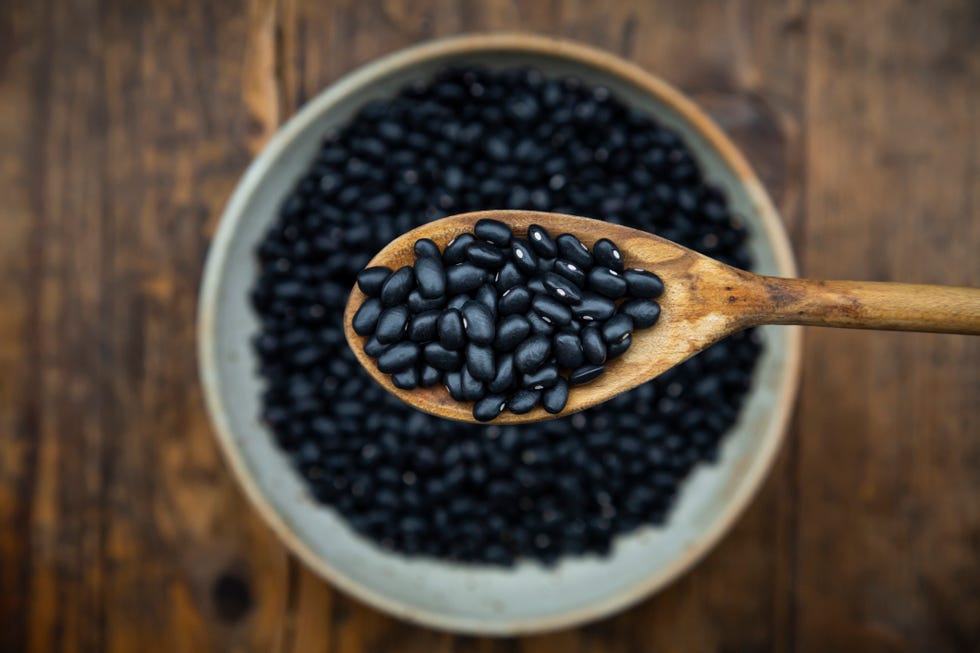
Beans
Protein: up to 8 grams per 1/2 cup, cooked
Whether you prefer black beans in your burritos, kidney beans in your salad, or white beans on your pasta, these are all packed with both protein and fiber, and have a versatile texture that makes them the hero ingredient of chili and veggie burgers. Experiment with different varieties: Each has a slightly different flavor and texture, but a similar concentration of protein.
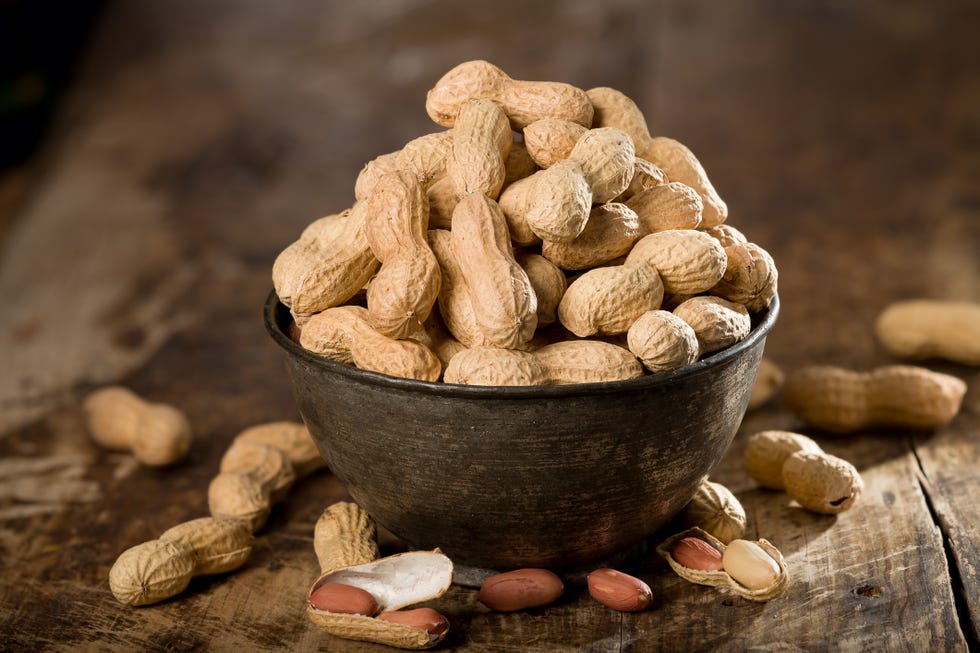
Peanuts
Protein: 8 grams per 1 ounce or about 1/4 cup
You can eat these ballpark favorites as a snack (about 35 nuts) or smeared on a couple of pieces of whole-grain bread in a PB&J (about 2 tablespoons). But peanuts and peanut butter are also a great addition to stir-fries, veggie dishes, and smoothies. Case in point: These healthy PB-banana pancakes are packed with protein, but taste like dessert.
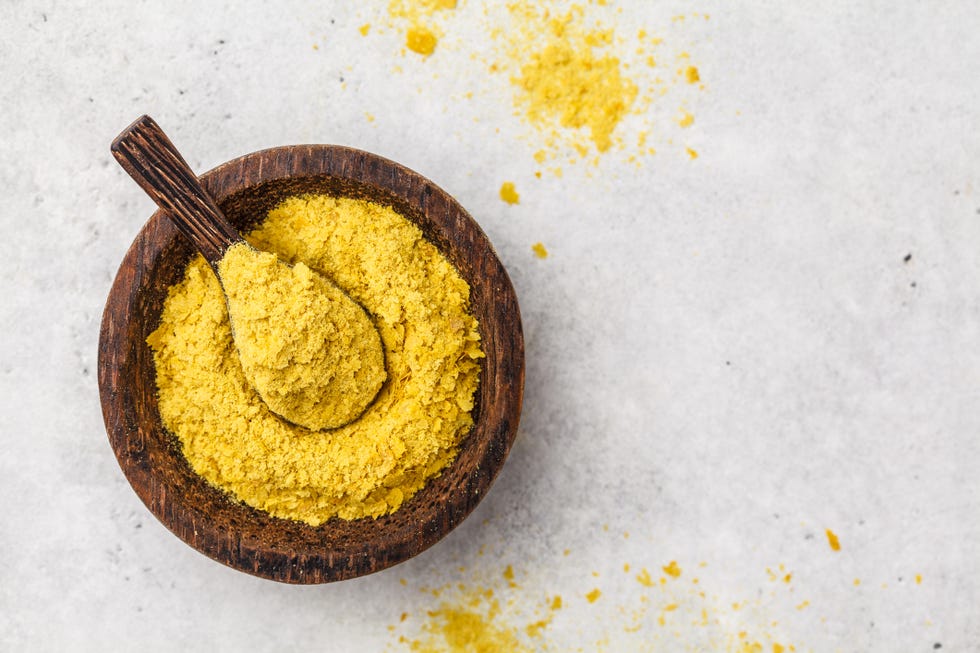
Nutritional Yeast
Protein: 8 grams per 3 tablespoons
Peek in the pantry of any vegan, and you’ll likely find a stash of this savory yellow powder that tastes similar to grated cheese. Often called “nooch,” you can mix nutritional yeast into a tofu scramble, sprinkle on top of popcorn, or swirl into any pasta sauce or soup to easily bump up the protein and flavor.

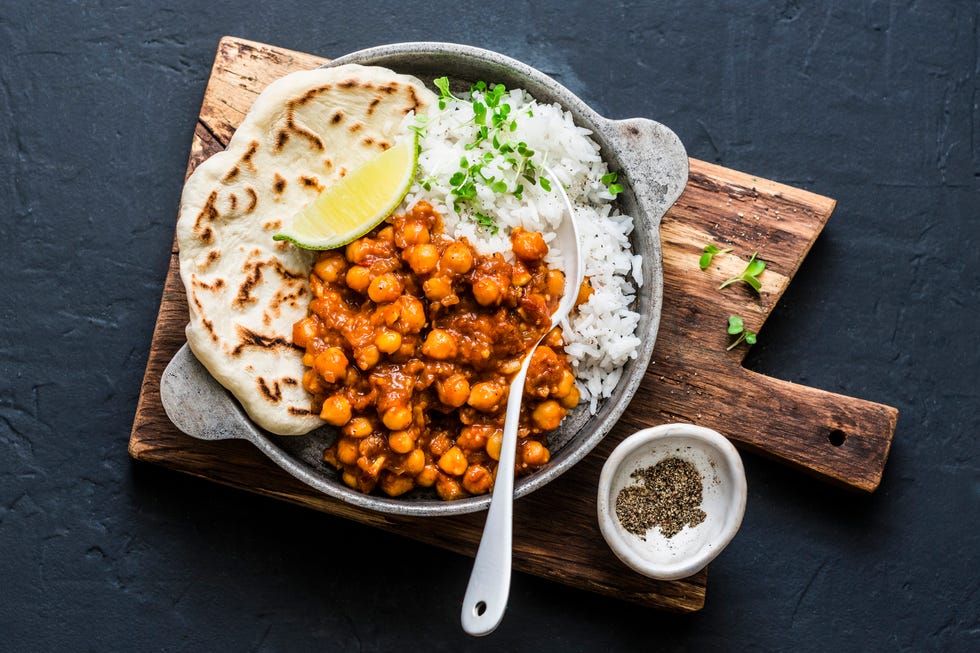
Chickpeas
Protein: 7 grams per 1/2 cup, cooked
Whether you eat them as hummus (try it slathered on a wrap with sautéed mushrooms), on a complex salad, or in a hearty soup, chickpeas—also known as garbanzo beans—are some of the best plant-based protein sources. With tons of fiber, too, they’ll also help curb cravings between meals.
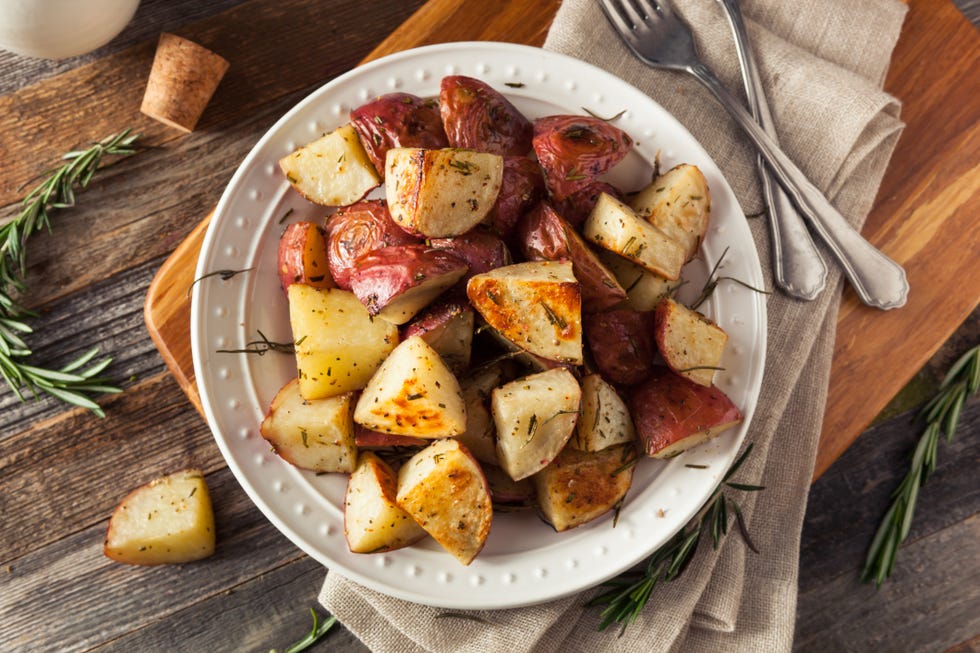
Red Potatoes
Protein: 7 grams per 1 large potato, cooked
Most potatoes actually pack in an impressive amount of protein, but the red variety is the clear winner. Beyond their protein content, they also have high levels of vitamin B6, a nutrient that promotes the metabolism of protein. Roast them alongside root veggies or mash them into a standout side dish.
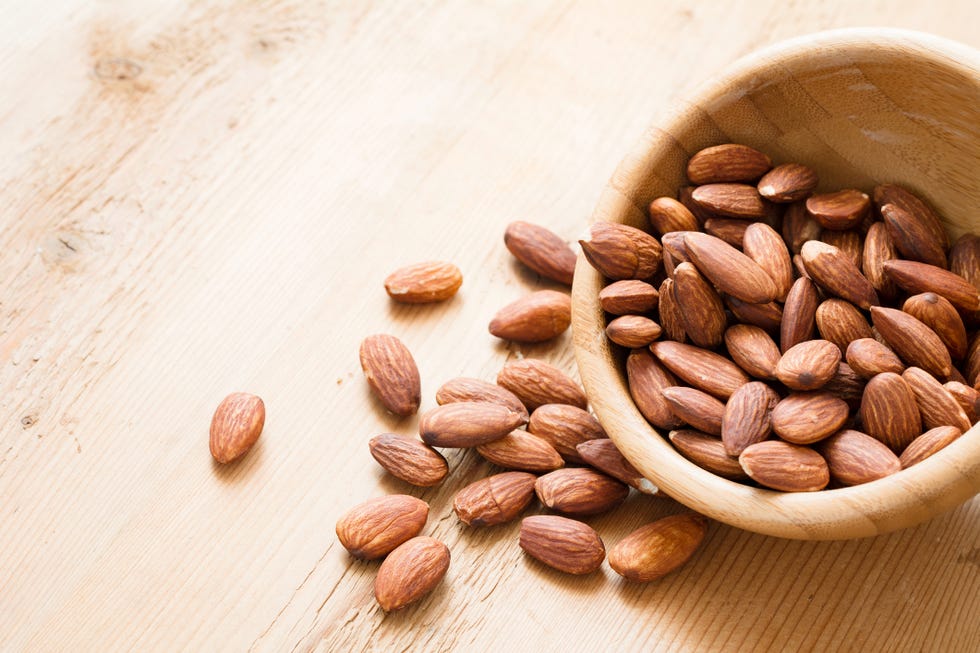
Almonds
Protein: 6 grams per 1 ounce or about 1/4 cup, raw
Carry a pack of almonds or other nuts for a protein-packed snack on the go—a serving size of about 24 almonds will also give you 3 grams of fiber for only 172 calories. We love them crushed and sprinkled on top of green beans, in a tasty glass of almond milk, or as a crunchy topper for oatmeal or yogurt.
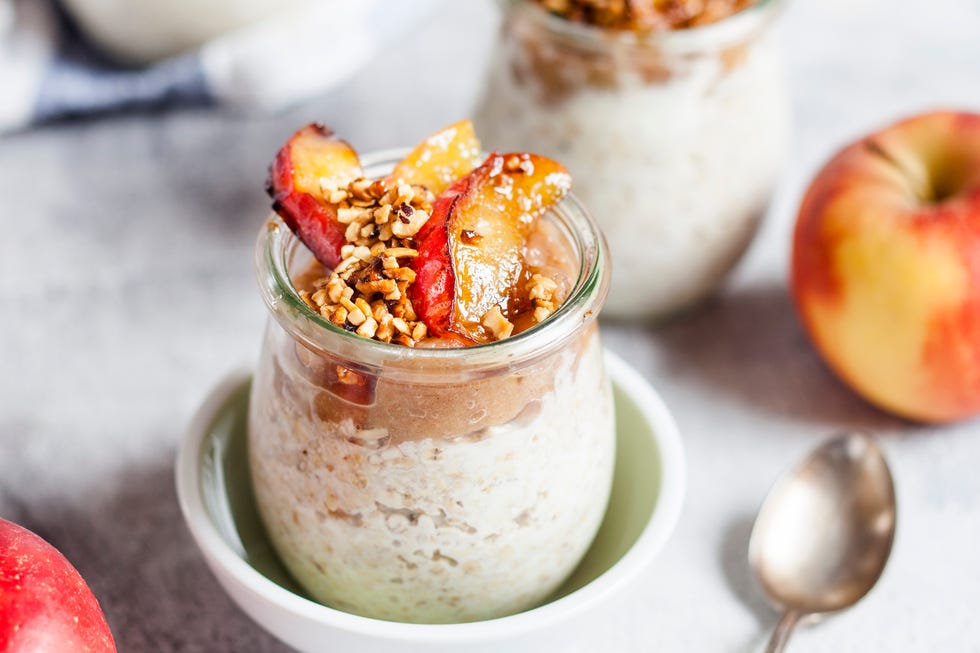
Oats
Protein: 5 grams per 1/2 cup, uncooked
As comforting as a hug from Grandma, oats are also a high-protein grain. Classic, delicious overnight oats are, of course, a great way to enjoy the grain, but you can also try mixing them into a smoothie or a batch of apple oatmeal muffins. And did we mention that they’re full of fiber and antioxidants?

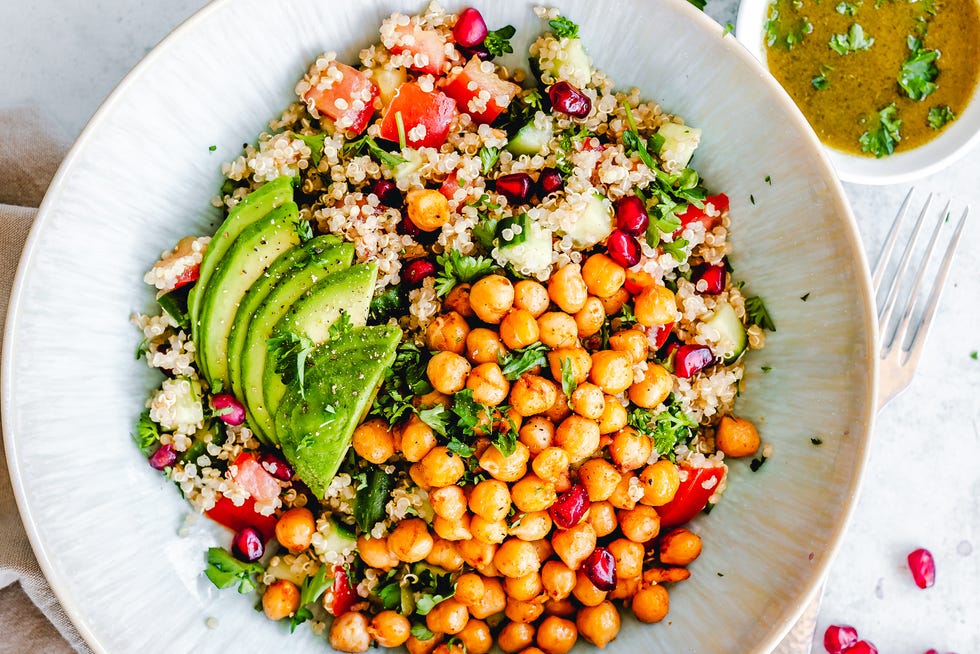
Quinoa
Protein: 4 grams per 1/2 cup, cooked
Think about any dish you would serve with white rice and swap in quinoa instead. The chewy grain—which is also a complete protein—is the perfect starting point for a salad topped with veggies, beans, avocado, and whatever else you have in the fridge. You can even use quinoa to pump up the protein in a batch of chocolate chip cookies.

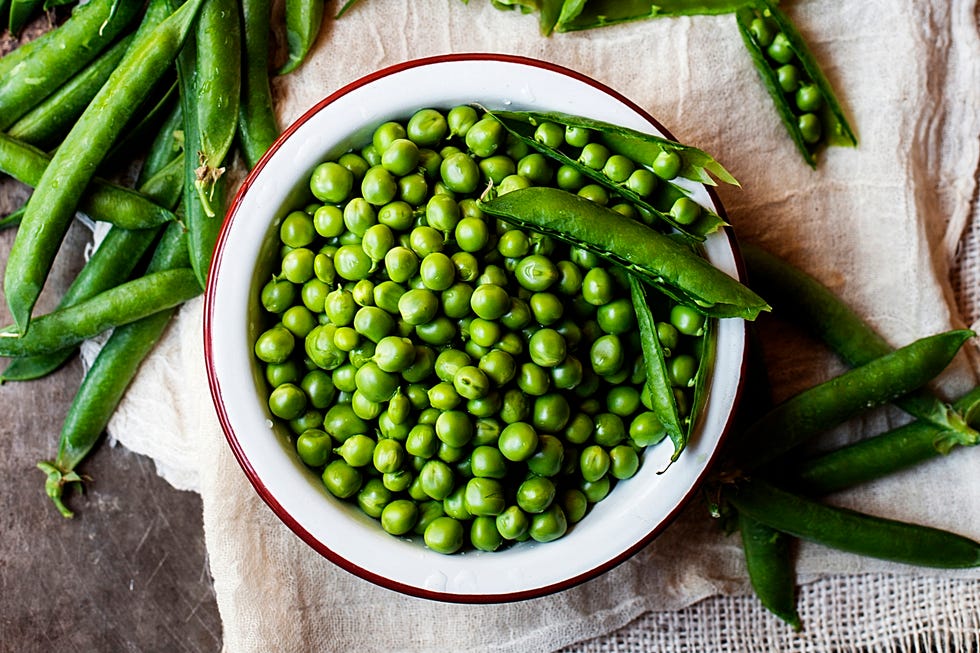
Peas
Protein: 4 grams per 1/2 cup, cooked
Classic green peas taste great in split-pea soup, stirred into risotto or pasta, served on the side of just about anything, or mixed with other veggies for a childhood favorite. If you’re feeling adventurous, puree them with broccoli—it’s divine.
Read the full article here


