





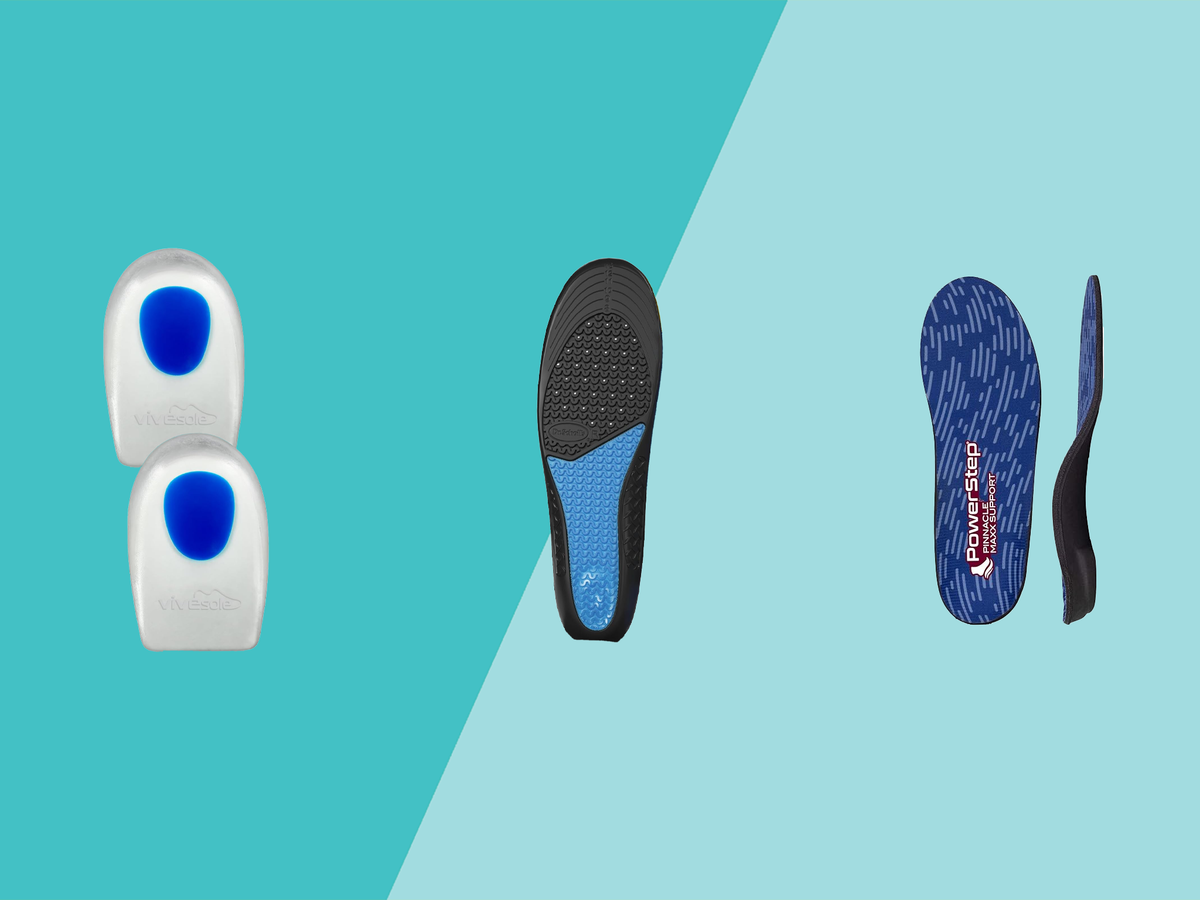
Not everyone needs orthotics, but those with foot pain and discomfort can benefit from the additional support an orthotic provides. But just like we have our favorite walking shoes, the best shoe inserts are not one-size-fits-all solutions. In fact, there are multiple different types of insoles and specific ones to purchase, depending on your foot ailment, type, or gait needs.
“A shoe insert can externally support the arch, thus reducing the stress or load on the arch,” explains Kenneth Jung, M.D., an orthopedic foot and ankle surgeon at Cedars-Sinai Kerlan-Jobe Institute in Los Angeles. In addition to supporting the arch, a good pair of shoe insoles can also provide shock absorption, structural support, and a cushy cup for your heel to stabilize your ankle and improve your foot alignment.
Not sure where to start? The most important factor in finding the right insert for you is knowing exactly what kind of support you need. Do you need extra cushion for all-day comfort? An extra-deep heel cup for stability? Or maybe you need some wide options to accommodate bunions. As always, consulting with your podiatrist to ensure you are getting the right ones for you is important. But custom orthotics can be pricey, and podiatrists do have over-the-counter recommendations.
Keep reading to see all our podiatrist-recommended pairs for your specific foot needs.
One of the most common culprits of chronic foot pain, plantar fasciitis is the inflammation of the thick band of tissue (fascia) that connects the heel bone to the toes. This can cause debilitating aching, burning, or uncomfortable cramping in your heels or arches. Luckily, insoles can help.
The best plantar fasciitis inserts control the position of the foot and prevent abnormal movement, Hillary Brenner, D.P.M., a podiatric surgeon practicing in New York City, previously told Prevention. “The best materials for this type of orthotics need to be a hard material, such as polypropylene or carbon graphite.” Pros also recommend finding one that has cushioning under the arch and heel to provide extra support and redistribute the pressure that can cause pain.

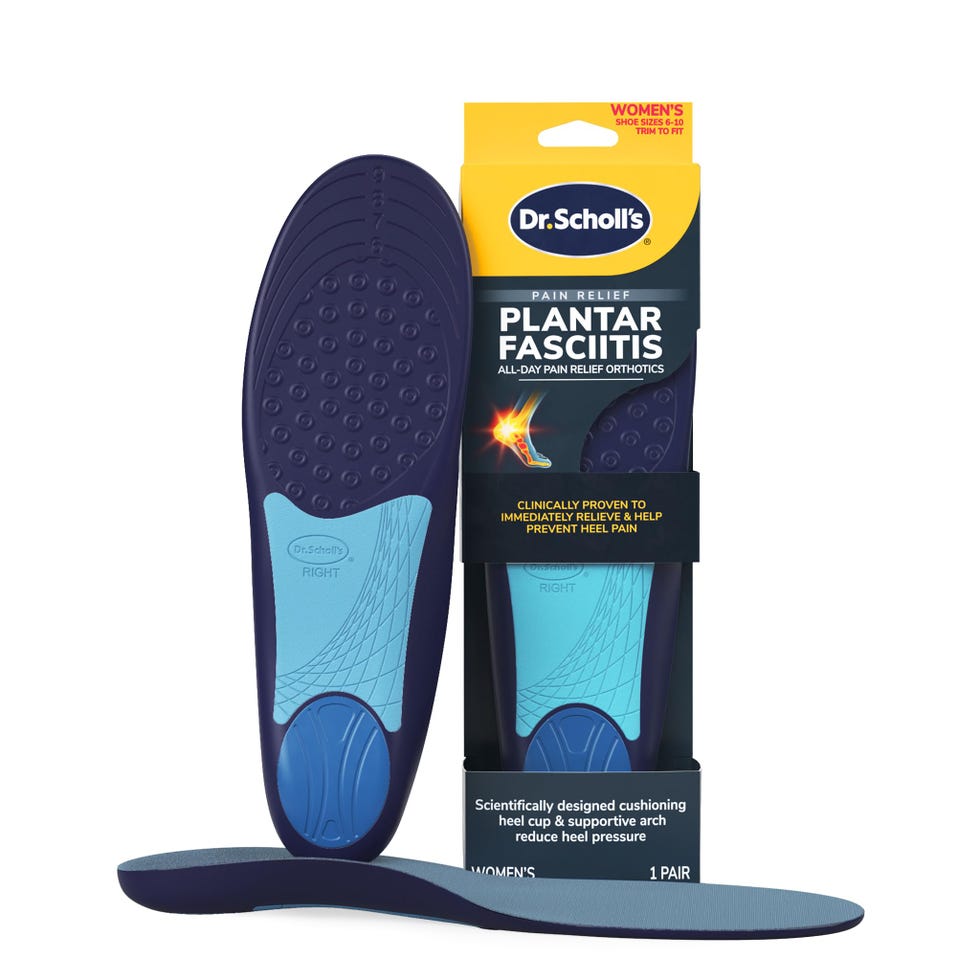
Dr. Scholl’s Plantar Fasciitis Pain Relief Orthotic Insoles

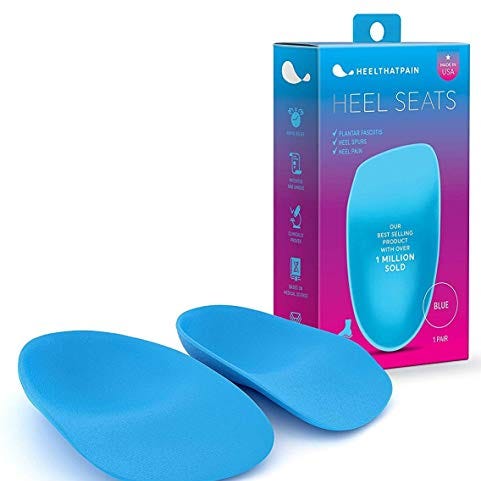
Heel That Pain Plantar Fasciitis Insoles

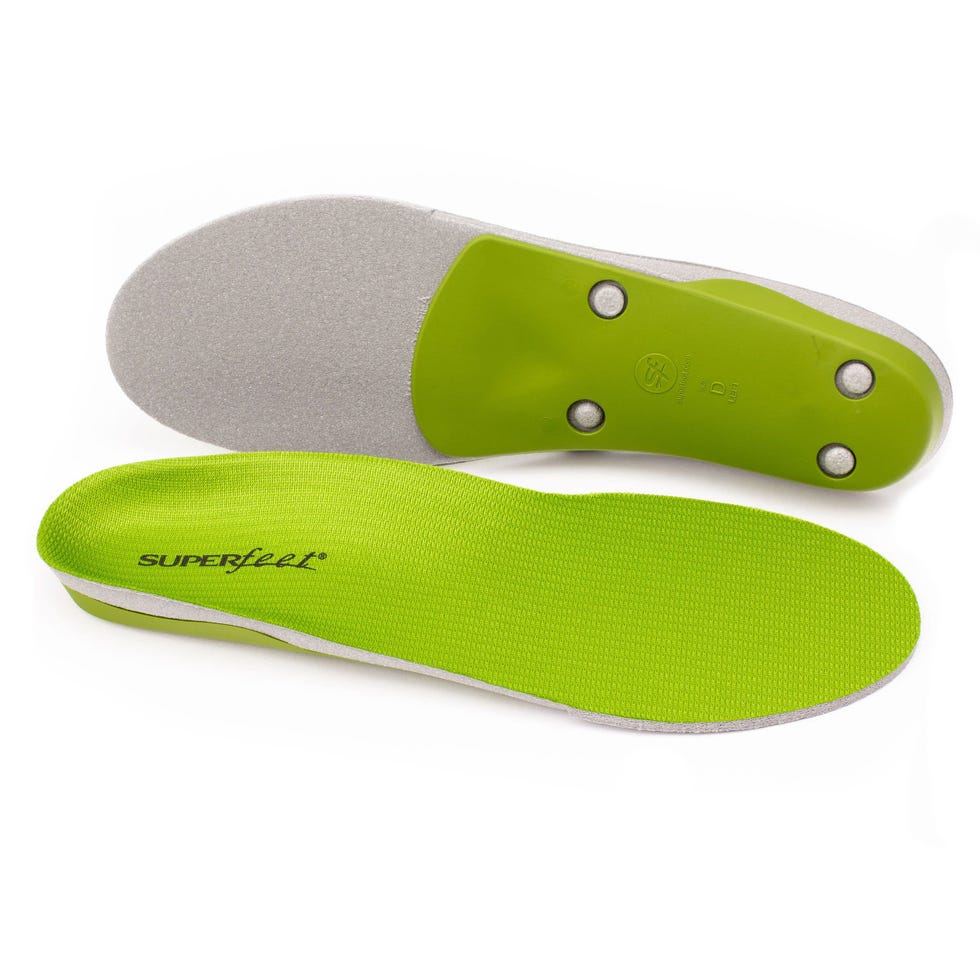
Superfeet All-Purpose Support High Arch Insoles
In our recommendations for the best insoles for plantar fasciitis, this pair of Dr. Scholl’s takes the best overall spot for its affordability, contoured heel cup, and special cushioning that absorbs shock.
Need something more adjustable? The Heel That Pain is a great option, as it comes in three different firmness levels to best suit your level of inflammation. It also provides ample support to the back part of your arch where plantar fasciitis happens.
Although the Superfeet insole is great for those with high arches for its high profile and supportive midsole, it’s also extremely malleable. It’s easy to trim the foam layer to your particular foot.
Joint pain isn’t just hard on your feet, it can cause circulatory issues, posture problems, and overall fatigue. That’s why podiatrists recommend slipping a supportive insert into your favorite pair of walking shoes if you suffer from achy joints, especially if you work a job that has you on your feet for long hours.
To keep things comfy, reducing shock absorption with cushioning is a must, say our experts. “Prolonged standing increases pressure on the feet, causing discomfort, fatigue, and conditions like plantar fasciitis,” says Bobby Pourziaee, D.P.M., a board-certified podiatrist at Rodeo Drive Podiatry in Los Angeles, but soft cushioning will help absorb that pressure—thus, alleviating fatigue and joint pain.
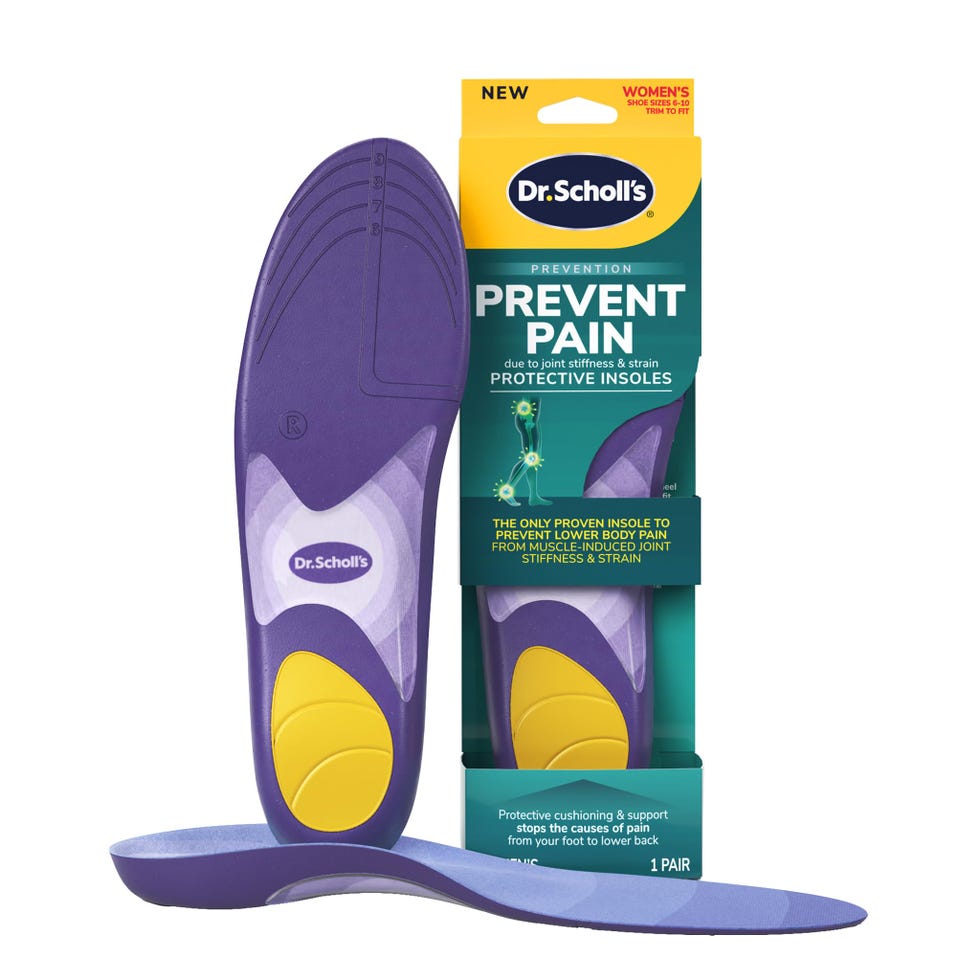
Dr. Scholl’s Prevent Pain Insoles

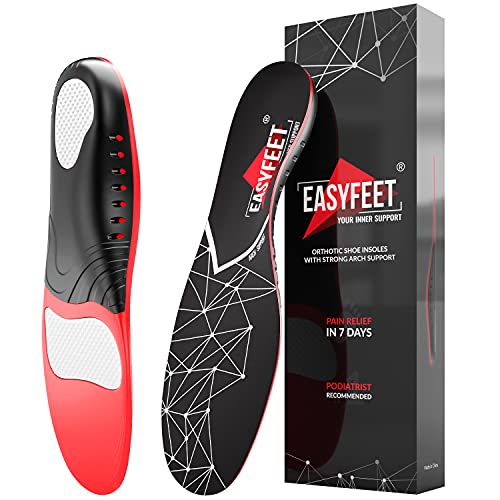
Easyfeet Arch Support Insoles

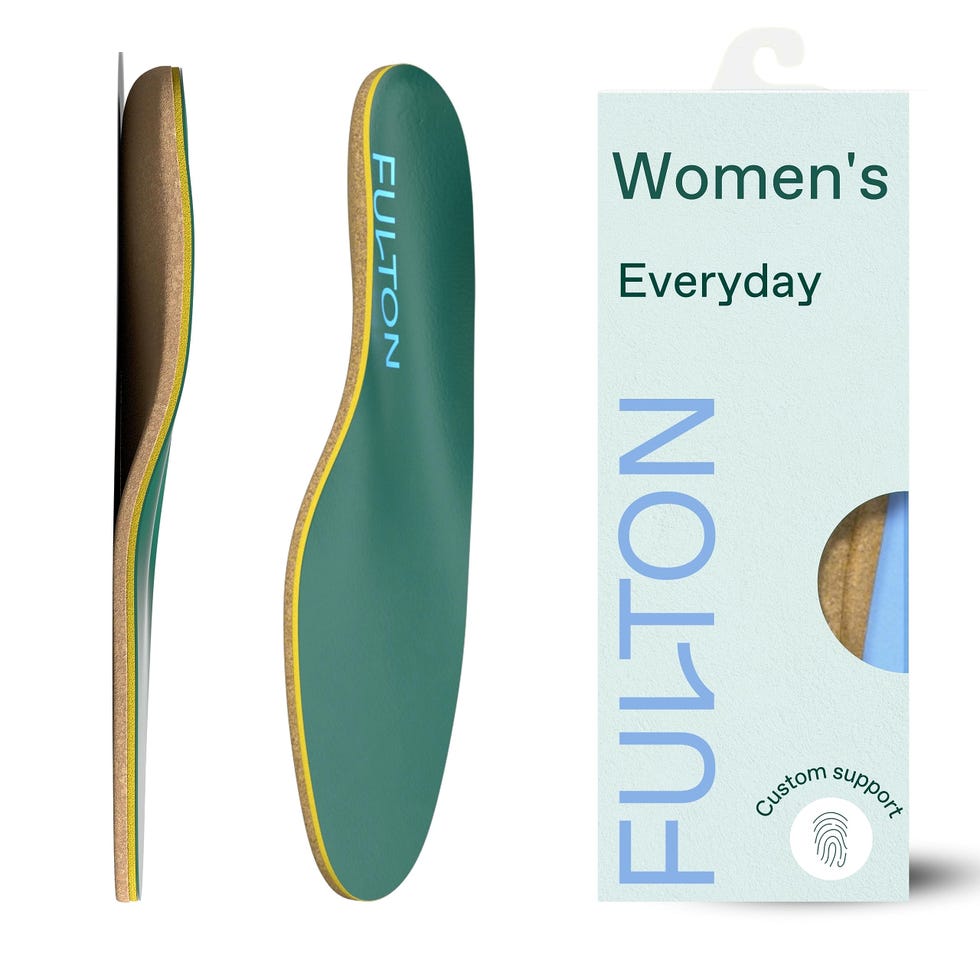
Fulton Cork Custom Molding Insoles
From podiatrist-approved brand Dr. Scholl’s, our experts love this pain-relieving pair for their generous energy return and clinical results in reducing foot fatigue. Plus, at just under $20, they’re among the most affordable here.
Looking for a pair that’s ultra-cushioned? Designed for standing long hours, these from Easyfeet have firm arches, forefoot cushioned pads, and extra-deep heel cups for ideal comfort levels. It’s also the winner of best for high arches on our expert-approved list of best insoles for standing all day.
This Fulton pair was my choice for reducing joint pain on my wedding day. Our experts love it, too, thanks to its supportive, shock-absorbing cork material that naturally conforms to the shape of your feet to give a custom fit over time.
“Arch supports are designed to promote foot alignment while reducing strain on the foot. Combined, these benefits help improve overall biomechanics,” explains Anne Sharkey, D.P.M., a board-certified podiatrist at North Austin Foot & Ankle Institute. In layman’s terms? By supporting the structure of your feet, you can reduce foot fatigue and pain. They specifically work by reducing strain and evenly distributing pressure across the foot while promoting foot alignment, which can help promote improved comfort in your ankles, knees, and back and more energy efficiency in movement, says Sharkey.
She recommends insoles that are made of memory foam, which can mold to the shape of your foot, have a deep heel cup for stability, and feature medium cushioning—shop three of her featured favorites below.
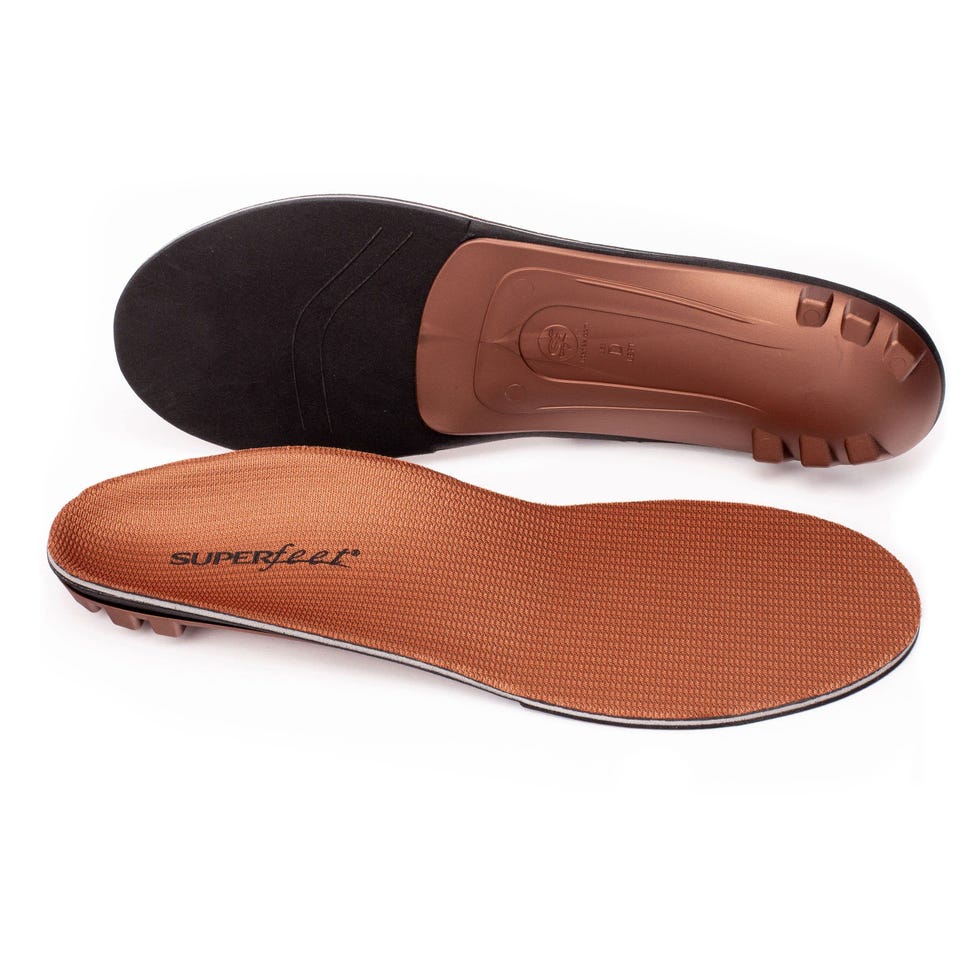
Superfeet All-Purpose Memory Foam Support Insoles
Now 12% Off
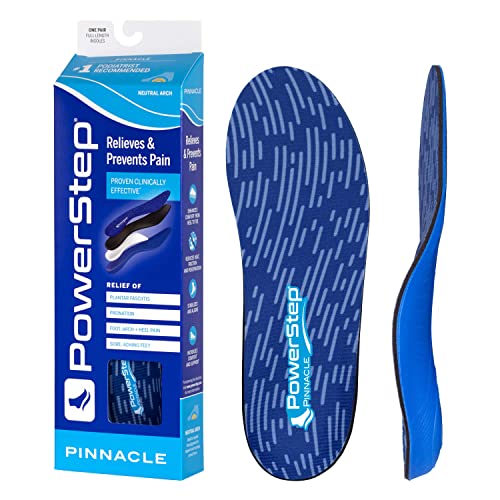
Powerstep Pinnacle Insole
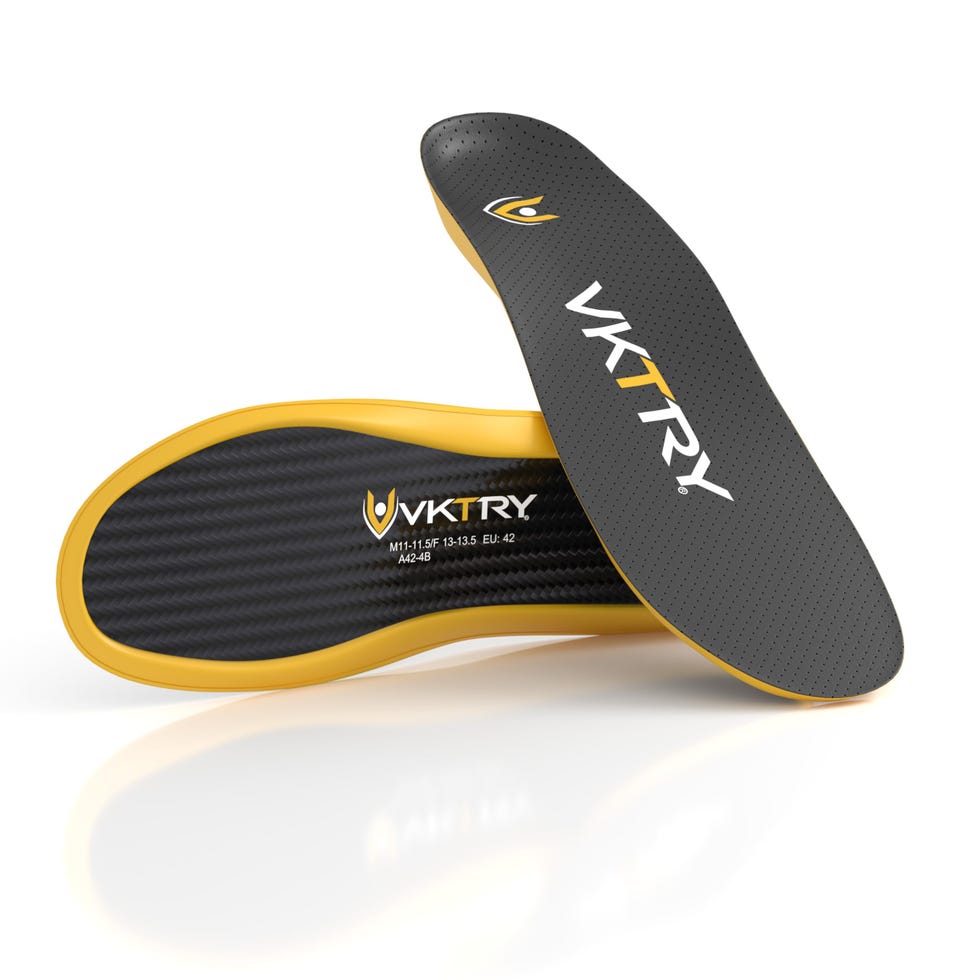
Vktry Gold Carbon Fiber Performance Insoles
Coming in at the top spot, this pair from Superfeet also comes highly recommended by podiatrists. Best for everyday wear and work footwear, these insoles are made of sensitive memory foam that molds to the shape of your foot and feature medium cushioning with maximum thickness and a low arch.

Add Prevention as a preferred source in your Google search results.
Use your Google account to add this to your settings.


“The PowerStep Pinnacle is a full-length, podiatrist-designed insole that has firm but flexible arch support,” Sharkey previously told Prevention. She recommends the highly cushioned option for its “dual-layer shock absorption system and deep heel cup to aid in alignment and support.”
If you’re willing to splurge on true comfort, Sharkey previously deemed these insoles from VKTRY the best investment. “These are newer to market over-the-counter orthotics with carbon-fiber technology developed to boost athletic performance and enhance recovery,” she said. These insoles also come in customized stiffness levels based on your gender, age, and weight.
Flat feet or low arches can come with a slew of musculoskeletal issues—mostly overpronation, or the tendency to roll your feet inward. But wearing a pair of orthotics every day can help. You just need to look for a firmer material to help guide your feet into the proper alignment.
Podiatrists remind us that when first starting out, you should ease into using insoles, though. “Your body has to adjust to being in a proper alignment,” Brenner previously told Prevention. She suggests wearing a pair for an hour the first day, two hours the second day, and three hours the third day. Then, start using them all the time. Because of constant use, podiatrists recommend purchasing new ones every four to five years.
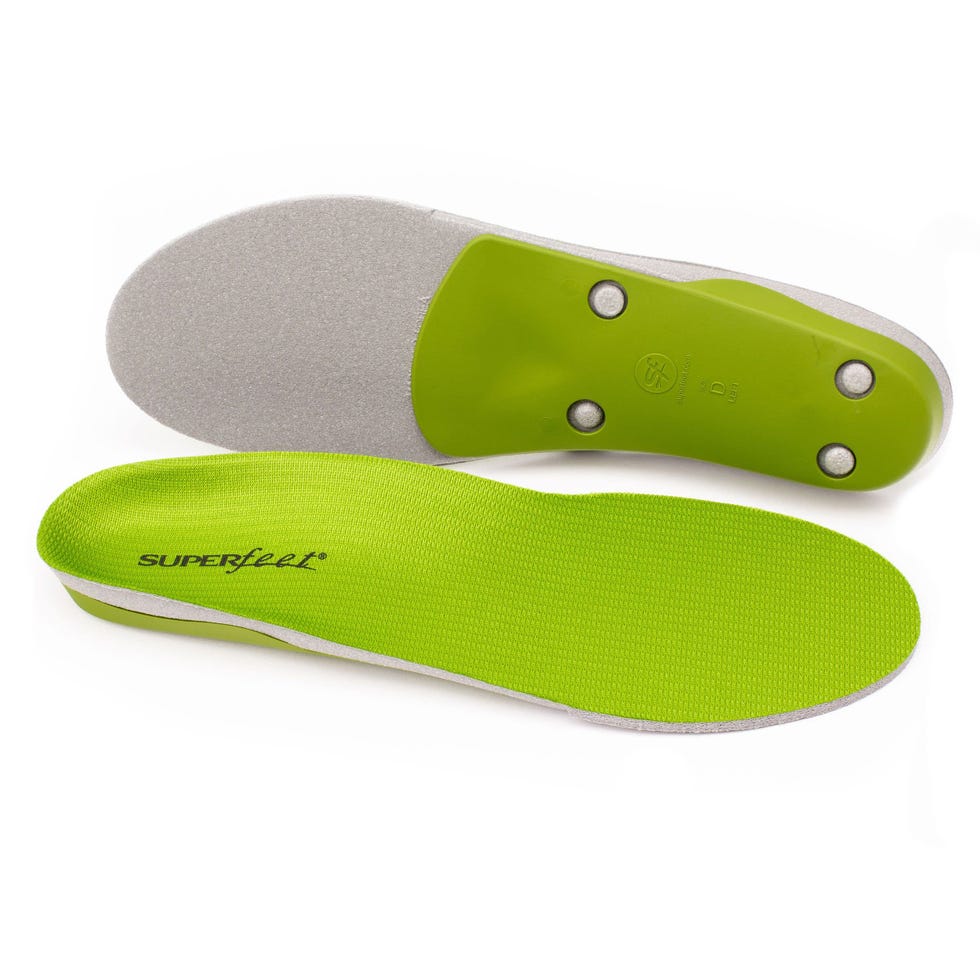
Superfeet All-Purpose Support High Arch Insoles
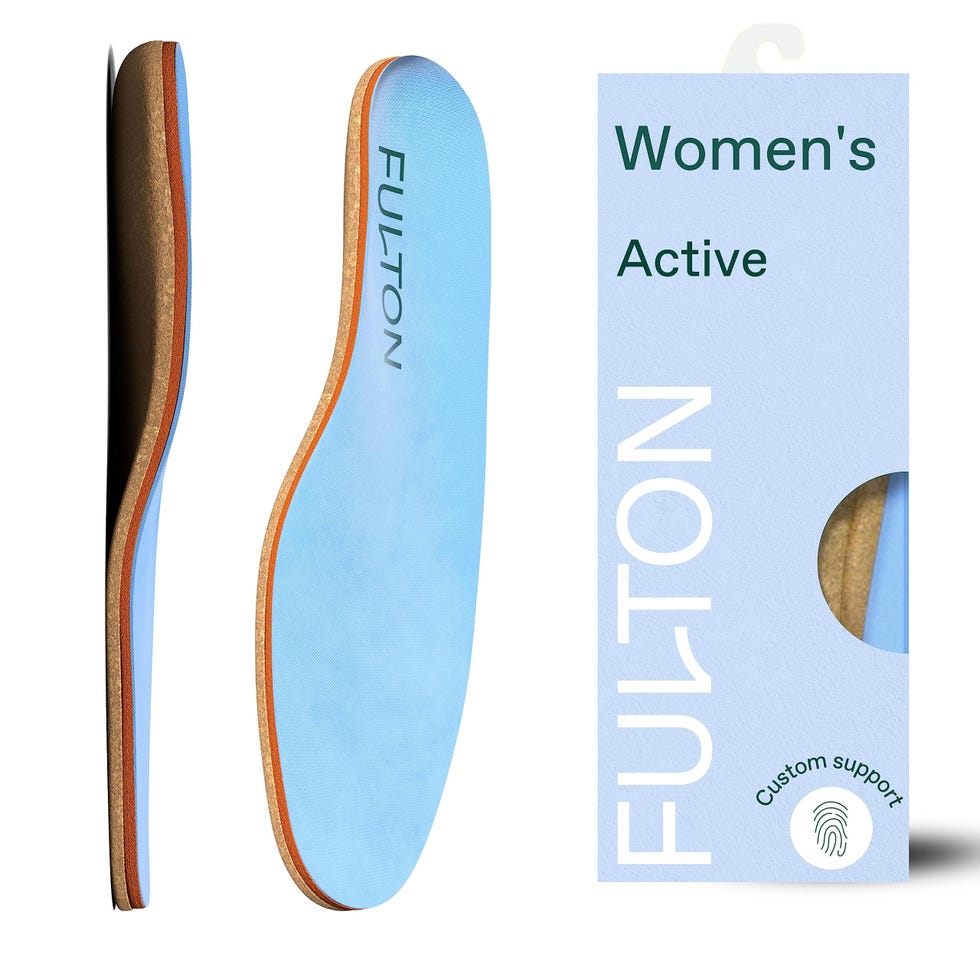
Fulton Shock-Absorbing Insoles with High Impact Arch Support
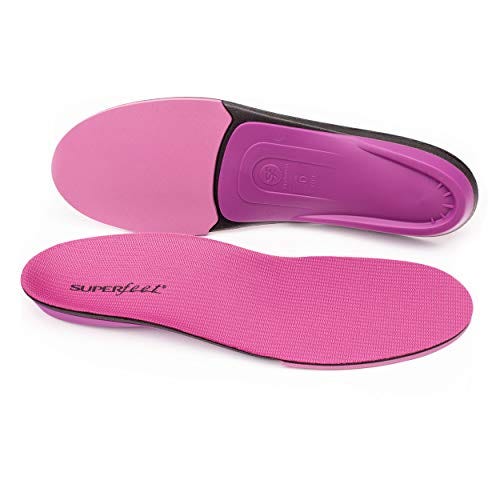
Superfeet Berry Premium Insole
This APMA-approved pair from Superfeet is our overall choice for best insole for overpronation. Designed for people with flat feet, they offer a strong arch to help lift you up where you need it most. Plus, this insole is thick, comfortable, and won’t wear out easily.
Best for more active types, this Fulton pair is lightweight and breathable—the ideal support for sweaty feet. Plus, like my favorite Fultons, this pair also uses a mix of cork and foam for a sturdy feel that’s cushioned and comfortable underfoot.
Need the highest amount of support possible to aid in foot and ankle stability? Our podiatrists recommend this Premium pair from Superfeet. These insoles, which are made for women, are APMA-approved and have a sculpted heel for extra shock absorption. That makes them suited for wearing during your runs, too.
Best Insoles for Wide Feet
If you have wide feet, you’re probably painfully aware of how difficult it can be to find properly fitting shoes—ones that won’t suffocate your toes or cause foot pain. Even if you don’t have naturally wide feet, you may still experience difficulties finding shoes that fit around injuries, bunions, hammertoes, or swelling. Luckily, there’s a vast range of wide-specific insoles made to accommodate wide foot types. Just don’t forget, these are all best paired with a pair of wide walking shoes for the best stability, too.
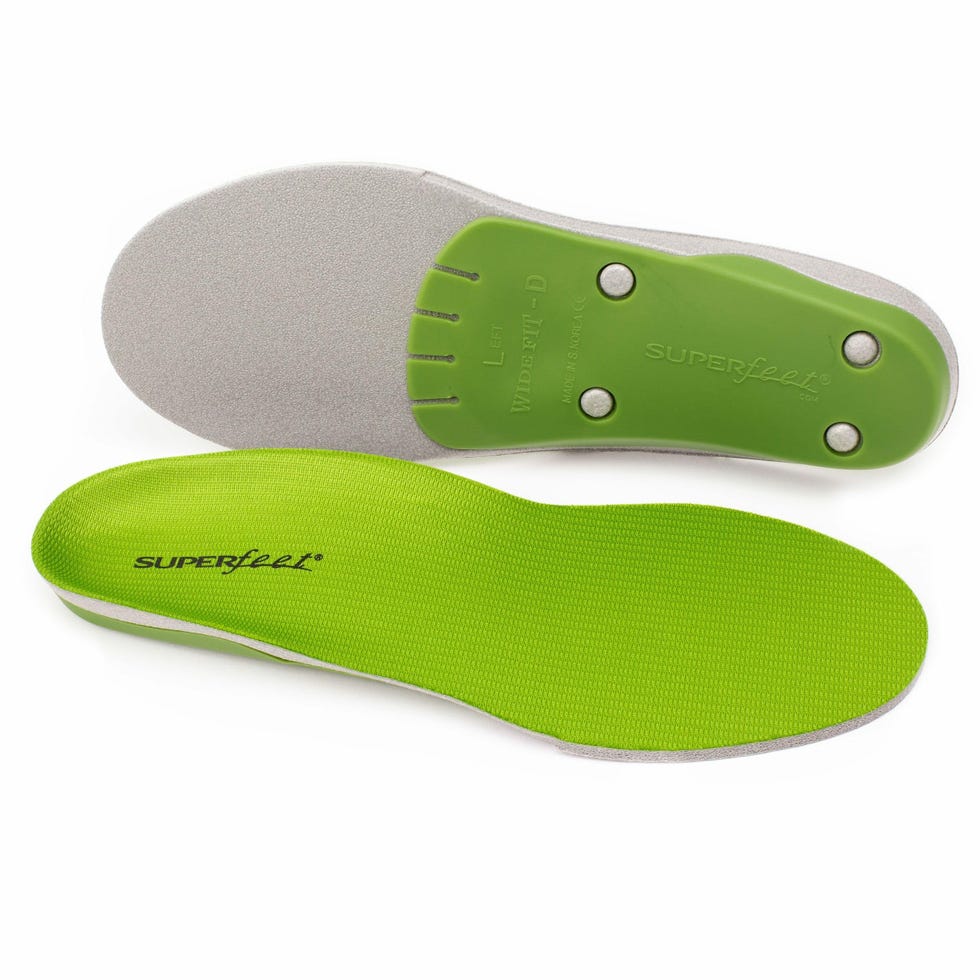
Superfeet All-Purpose Wide-Fit Support Insoles
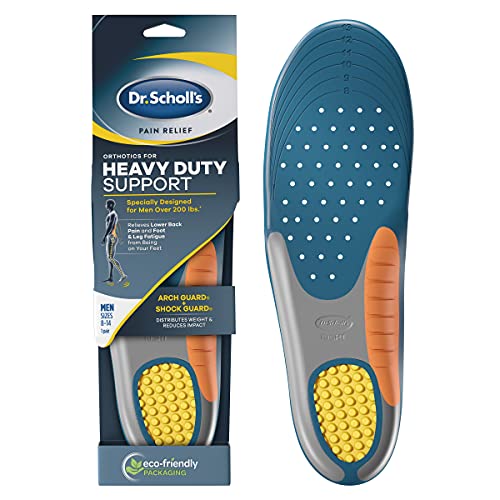
Dr. Scholl’s Heavy Duty Support Pain Relief Orthotics
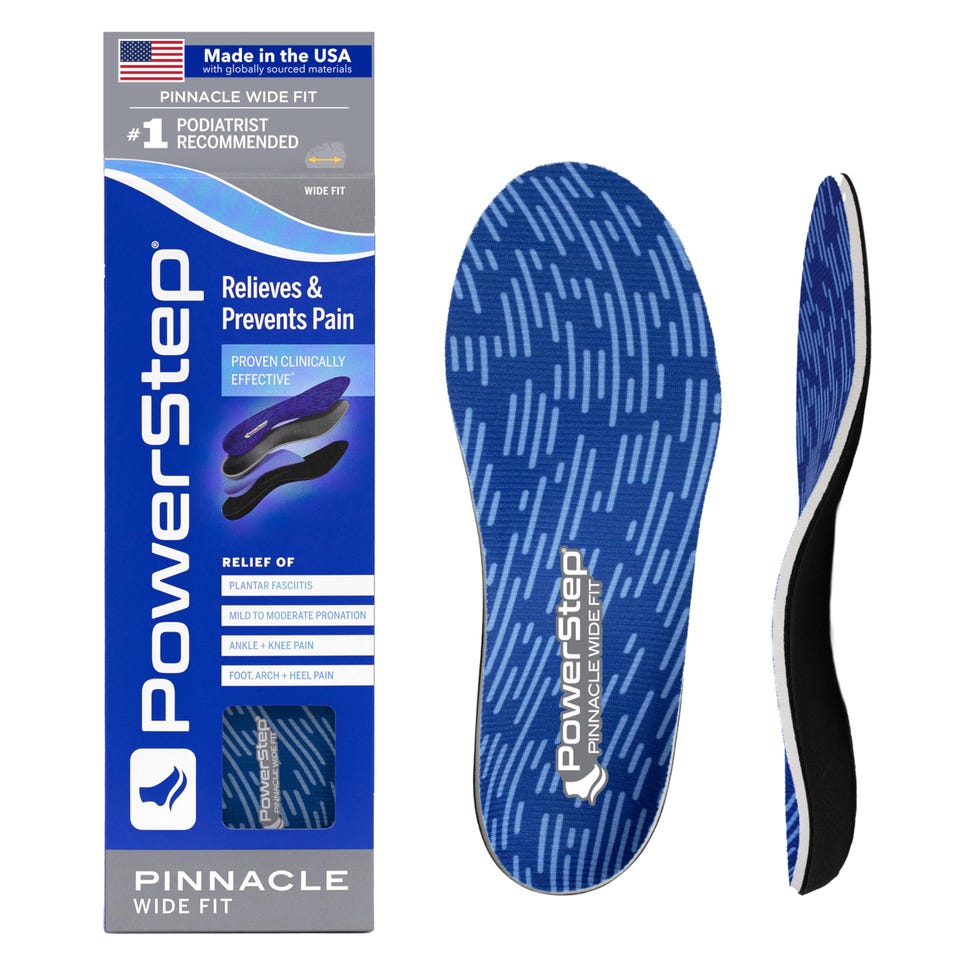
PowerStep Wide Fit Orthotics
I sourced these pairs from several of our guides to the best insoles, including the best insoles for overpronation, the best insoles for plantar fasciitis, and the best insoles for joint pain. They all got our nod as the “best for wide feet” in each of those lists, providing excellent arch support and cushioning.
How We Chose the Best Shoe Inserts
We compiled all our best insole roundups for each foot ailment and included podiatrist recommendations from each one, as well as what to look for and prioritize in shopping for each category. We also included expertise from Hillary Brenner, D.P.M., a podiatric surgeon practicing in New York City; Anne Sharkey, D.P.M., a board-certified podiatrist at North Austin Foot & Ankle Institute; and Bobby Pourziaee, D.P.M., a board-certified podiatrist at Rodeo Drive Podiatry in Los Angeles.
Why Trust Us
For more than 70 years, Prevention has been a leading provider of trustworthy health information, empowering readers with practical strategies to improve their physical, mental, and emotional well-being. Our editors interview experts to help guide our health-focused product selections. Additionally, Prevention also examines hundreds of reviews—and often conducts personal testing done by our staff—to help you make informed decisions.
Read the full article here


