







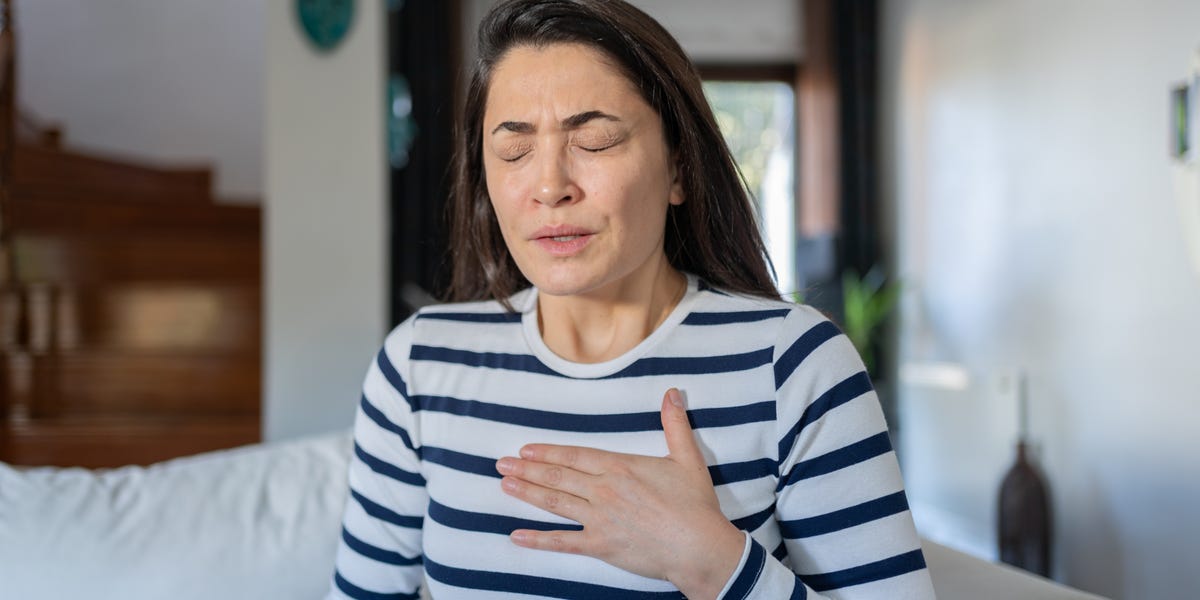
Whenever you go to the doctor, regardless of your age or the reason for your visit, you are going to get your blood pressure measured—that’s how important it is to your overall health. But even if your readings are usually normal, blood pressure can spike sometimes. For these situations, it’s important to know the best way to lower blood pressure safely and quickly.
Meet the experts: Tracy Paeschke, M.D., a preventive cardiologist at Heart Health Prevention and Wellness; Kevin Shah, M.D., a cardiologist and Program Director of Heart Failure Outreach at MemorialCare Heart & Vascular Institute at Long Beach Medical Center in Long Beach, CA.
Read on to discover what causes temporary blood pressure spikes, plus the doctor-recommended strategy for bringing your blood pressure back down.
What causes blood pressure spikes?
There are many different triggers that can cause a temporary spike in blood pressure. According to Tracy Paeschke, M.D., a preventive cardiologist at Heart Health Prevention and Wellness, these include dietary causes like alcohol, tobacco, caffeine, and eating too much salt, medications such as decongestants, nonsteroidal anti-inflammatories (NSAIDs), and oral contraceptives, and conditions like stress and sleep apnea.
You may or may not notice it when your blood pressure spikes, adds Kevin Shah, M.D., a cardiologist and Program Director of Heart Failure Outreach at MemorialCare Heart & Vascular Institute at Long Beach Medical Center in Long Beach, CA. “Some people may feel flushed, anxious, or develop a headache, but many don’t notice symptoms at all,” he says.
While occasional spikes are common, there are some factors that would elevate a blood pressure increase from a random occurrence to a cause for concern. “Blood pressure spikes can be concerning if they are associated with symptoms,” says Dr. Paeschke. She adds that if you have been diagnosed with high blood pressure and experience symptoms such as headaches, blurred vision, chest pain, dizziness, or confusion, you should seek medical attention. Likewise, if your blood pressure is measured at 180/120 mmHg or higher, which would be considered severe hypertension without symptoms and a hypertensive emergency with symptoms, you should call your doctor right away.
How to lower blood pressure quickly
If you accidentally overdo it on the salt or caffeine, need to take meds for a particularly nasty cold, or have a super stressful week at work, you may experience a blood pressure spike. Fortunately, experts say there’s a simple way to bring it back down. “Resting in a dark, quiet space and doing deep breathing exercises can help lower blood pressure,” says Dr. Paeschke. Dr. Shah agrees. “The safest approach is to sit quietly, rest for a few minutes, and recheck the reading,” he says.
However, it’s important to remember that this is just a short-term solution for occasional blood pressure spikes. If your blood pressure is consistently high, you may need to seek guidance and/or additional treatment from a doctor who can determine what is causing your high blood pressure. “Long-term control depends on lifestyle and, oftentimes, medications,” Dr. Shah says. A combination of ways to lower blood pressure naturally and medication can help keep your blood pressure in a normal, healthy range.
Read the full article here


