







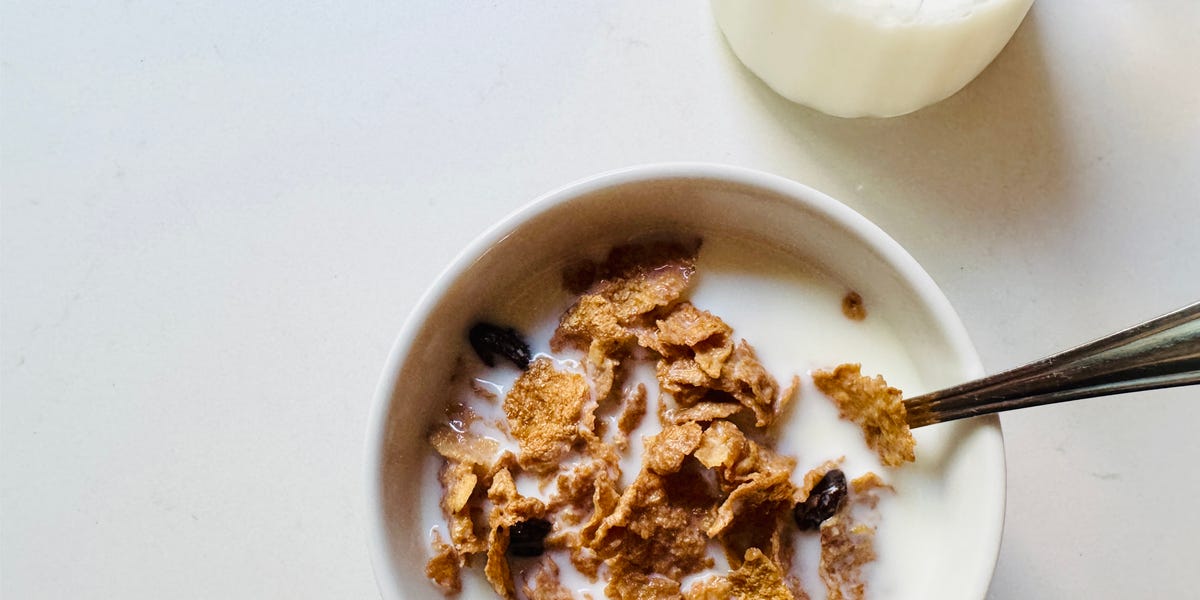
As a registered dietitian, I spend a lot of time walking down grocery store aisles, looking at the latest food trends. Lately, it seems like everything on the shelves has the word “protein” splashed across the front in bold, bright letters. One aisle where this trend has completely taken over is the cereal aisle.
Suddenly, a bowl of cereal is no longer just a quick morning meal. It is marketed as a muscle-building, energy-boosting powerhouse. This leaves many people wondering if their regular bowl of corn flakes or toasted oats is no longer good enough.
If you have ever wondered if you really need to choose a high-protein cereal or if your classic grains are a-ok, this article is for you. So, let us take a closer look at high-protein cereal.
What is High-Protein Cereal?
High-protein cereal is a breakfast product specifically formulated to contain more protein per serving than traditional cereals. While regular cereals are typically made from grains like corn, wheat, or oats and are higher in carbohydrates, high-protein versions often include added ingredients such as soy protein isolate, whey protein, milk protein concentrate, or even extra seeds and nuts. These added proteins boost the overall protein content—sometimes reaching 10 to 20 grams per serving, compared to the 2 to 4 grams found in most standard cereals.
The appeal of a protein-packed morning
Protein is a vital nutrient. It helps our bodies build and repair tissues, supports immune function, and keeps our muscles strong. Getting enough protein throughout the day is especially important for maintaining muscle mass over time. It also digests slowly, which means a meal with adequate protein will keep you feeling full and satisfied longer than a meal consisting mostly of refined carbohydrates.
Traditional breakfast cereals are often low in protein and high in carbohydrates. If you eat a bowl of standard cereal with a splash of almond milk, you might find your stomach rumbling just an hour or two later. This happens because carbohydrates digest quickly, causing a rapid rise and fall in blood sugar. Adding protein to the mix helps stabilize that response.
Food manufacturers know this. They also know that we love convenience. High-protein cereal promises the satisfying crunch and quick preparation of traditional cereal, but with the staying power of a protein-heavy meal like eggs.
The pros: What high-protein cereal gets right
There are certainly valid reasons to reach for a box of high-protein cereal.
First, convenience is a major factor. Not everyone has the time or energy to cook an omelet or prepare a tofu scramble before starting their day. If you need something you can pour into a bowl and eat in five minutes, high-protein cereal offers a quick way to get 10 to 20 grams of protein before you head out the door.
Second, these cereals can be a helpful tool for people who genuinely struggle to meet their daily protein needs. If your appetite is lower in the morning, a nutrient-dense option in a small volume can be quite helpful. It provides a simple way to distribute your protein intake more evenly throughout the day, rather than trying to eat it all during dinner.
The cons: The flip side of the box
Despite the benefits, high-protein cereal is not a perfect food. In fact, there are several drawbacks to consider before making it a staple in your pantry.
To pack so much protein into a small flake or puff, manufacturers have to use highly processed ingredients. You will often see soy protein isolate, milk protein concentrate, or whey protein isolate high up on the ingredient list. While these are safe and effective sources of protein, they can change the texture of the cereal. Many high-protein options have a gritty, chalky, or overly dense mouthfeel that just does not compare to the light crunch of traditional cereal.
Furthermore, many of these brands try to keep the sugar content as low as possible. To make the cereal taste sweet without sugar, they rely on sugar substitutes like stevia, monk fruit, or sugar alcohols like erythritol, which some may find the aftertaste unpleasant. More importantly, consuming large amounts of sugar alcohols may cause digestive discomfort, including gas and bloating, for some individuals.
Finally, we have to talk about the price. High-protein cereals are often significantly more expensive than standard varieties. You might find yourself paying seven or eight dollars for a box that only contains four servings.
What to look for in the cereal aisle
If you decide you want to try a high-protein cereal, you should know how to read the label. Do not just look at the large numbers on the front of the box. Turn it around and look at the nutrition facts panel and the ingredient list.
First, check the fiber content. Ideally, that cereal should provide at least 3 to 5 grams of fiber per serving. Fiber is essential for digestive health and works alongside protein to keep you feeling full.
Next, look at the added sugars. Some high-protein cereals still contain a significant amount of added sugar. The American Heart Association recommends limiting added sugars to help keep your heart healthy, so aim for a cereal with minimal added sugar.
Take a quick look at the ingredient list to see where the protein is coming from. Some cereals boost their protein naturally by using nuts, seeds, and whole grains. Others rely heavily on isolated protein powders. Neither is inherently wrong, but knowing what you are eating helps you make choices that align with how your digestive system feels best.
Do you really need high-protein cereal?
As a dietitian, I want to give you a clear and honest answer: no, you do not need high-protein cereal.
There is absolutely nothing wrong with buying it if you enjoy the taste, like the convenience, and can comfortably afford it. It is a perfectly fine option to have in your breakfast rotation. However, it is not a requirement for a healthy lifestyle, and you do not need to feel guilty for skipping it.
You can easily turn a standard, affordable box of whole-grain cereal into a high-protein meal. The secret lies in what you pair it with. Try splashing ultra-filtered milk on your flakes to provide around 11 grams of protein per cup. You can also skip the milk entirely and serve your favorite cereal over a bowl of Greek yogurt or cottage cheese, both of which are naturally packed with high-quality protein.
Alternatively, you can enjoy a regular bowl of cereal alongside a boiled egg or a handful of walnuts and pumpkin seeds. These simple additions provide the protein and healthy fats your body needs to stay energized and satisfied.
Ultimately, nutrition is about finding what works best for your body, your budget, and your taste buds. High-protein cereal is simply one tool in the toolbox, not a magic solution. Eat the breakfast that makes you feel good, gives you energy for your morning, and brings you joy.
Read the full article here


