







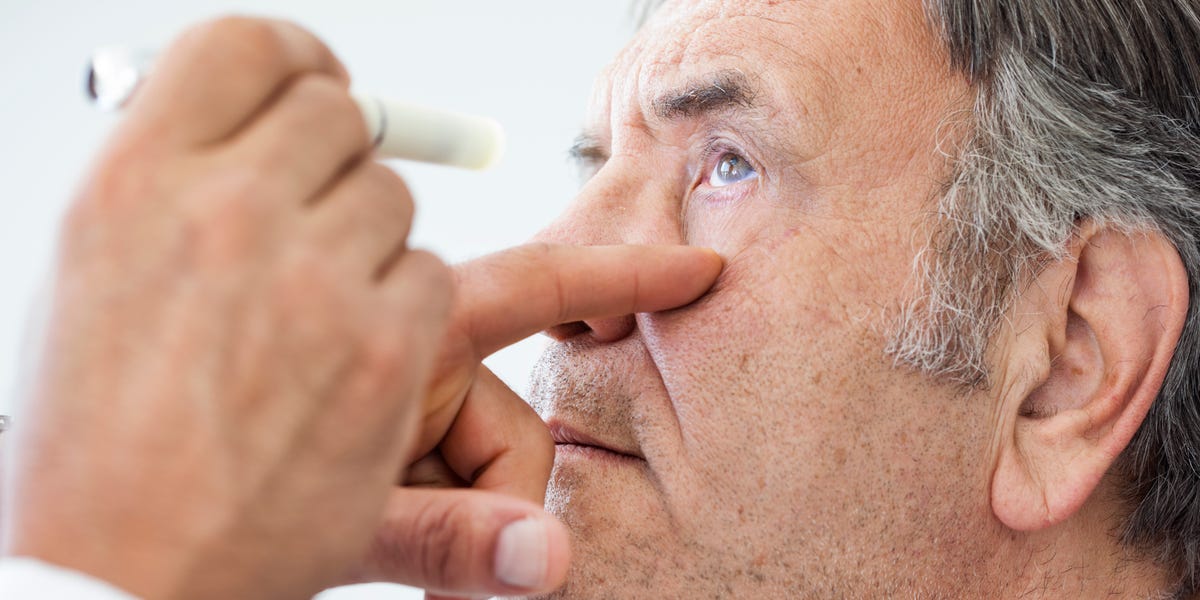
Though cataracts are a common eye condition affecting more than half of Americans 80 and older, many people don’t quite understand what a cataract is. We tapped experts to explain cataract causes and treatment options.
“A cataract is a clouding of the eye’s natural lens,” explains Liang Huang, M.D., an ophthalmologist with Wellstar Health Systems. “Cataracts typically develop gradually and are most often related to aging. Early symptoms can include blurry or hazy vision, increased glare or halos around lights, difficulty seeing at night, colors appearing less vivid, or needing more frequent changes in a glasses prescription.”
He notes that some people may not notice these symptoms initially, which is why routine eye exams are important.
Meet the Experts: Liang Huang, M.D., an ophthalmologist with Wellstar Health Systems and C. Stephen Foster, M.D., a retired clinical professor of ophthalmology at Harvard Medical School and founder of Massachusetts Eye Research & Surgery Institution
The only way to get rid of cataracts is surgery. That said, Huang notes that cataracts don’t always need to be removed as soon as they are diagnosed. “If someone is still seeing well and the cataract is not interfering with daily life, it is reasonable to monitor it and update glasses as needed,” he explains.
Your provider may recommend cataract surgery if the condition is interfering with your daily activities or quality of life. “That can mean difficulty driving, especially at night, reading, working, recognizing faces, watching television, or doing hobbies they enjoy,” says Huang.
Ahead, learn more about what doctors say you should know about cataracts, risk factors, and how to reduce your risk of developing cataracts.
What is a cataract?
By definition, again, a cataract is a clouding of the eye’s lens. Many people assume that a foggy coating has developed on top of the lens, but a cataract actually forms inside the eye. “That’s the most frequent misunderstanding I encounter,” says C. Stephen Foster, M.D., a retired clinical professor of ophthalmology at Harvard Medical School and founder of Massachusetts Eye Research & Surgery Institution. The vision-distorting haze occurs when proteins that comprise the normally crystal-clear lens break down. “You can’t feel a cataract, and it could take months or years to progress to a stage where you require surgery to remove it,” he says.
What causes cataracts?
Most cataracts are age-related, but it’s possible to develop them thanks to an eye injury or following surgery for another eye issue, such as glaucoma. Radiation and sun exposure also put you at risk; bright sunlight may speed the breakdown of those lens proteins. Meanwhile, some cataracts are congenital and babies are occasionally born with them.

Add Prevention as a preferred source in your Google search results.
Use your Google account to add this to your settings.


What are the symptoms of a cataract?
As Dr. Huang notes, early symptoms can include blurry or hazy vision, halos around lights, difficulty seeing at night, colors appearing less vivid, or needing more frequent changes in your glasses or contact prescription.
A cataract can affect just one of your eyes. While “bilateral” cataracts are more common, it’s possible for a cataract to develop in just one of your eyes, according to Dr. Foster. “Especially if you’ve suffered some kind of blow or trauma to one of your eyes, that may result in a cataract developing in one eye but not the other,” he explains.
The above symptoms may not apply to everyone with cataracts. “I’ve had cataract patients with 20-20 vision,” says Dr. Foster. Some people end up with eyesight that’s constantly blurry, but others only have trouble under certain conditions. “I just saw a patient who complained about difficulty seeing when driving at night,” he recalls. “His vision was perfect most of the time, but he had a particular type of cataract that causes light scatter.”
Will I need cataract surgery?
Experts say surgery is the only way to get rid of cataracts. That said, it generally doesn’t need to happen ASAP. When your cataract first starts to form, your vision isn’t affected much, Dr. Foster explains. “Many people put off surgery for years,” he says. And no, there aren’t really any risks associated with procrastinating this procedure. “I always say that if a cataract affects your quality of life, then we need to make plans to take it out,” he says. “Otherwise, we can forget about it until your next appointment.”
If you’ve reached the point where you need to go under the knife, don’t panic: Cataract surgery has a 96% success rate, making it one of the safest procedures in modern medicine, says Dr. Foster. “It involves local anesthetic, a small incision, and no stitches,” he says. Your eye surgeon will remove your lens, clean out any accumulated gunk, and insert a new lens implant. “It only takes about 15 minutes,” he adds. After the procedure, you’ll have to wear a protective shield when you sleep or nap, and you won’t be able to jog for a couple of weeks. But your vision may be clearer as soon as the day after surgery, and within a month you’ll be fully recovered and seeing better than ever, according to Dr. Foster.
Can I prevent cataracts from developing?
According to the Mayo Clinic, no studies have proven how to prevent cataracts from developing. That said, the Mayo Clinic notes that healthcare professionals think that getting regular eye exams, avoiding smoking, managing other health problems, eating plenty of fruits and vegetables, and wearing sunglasses may help.
Read the full article here


