






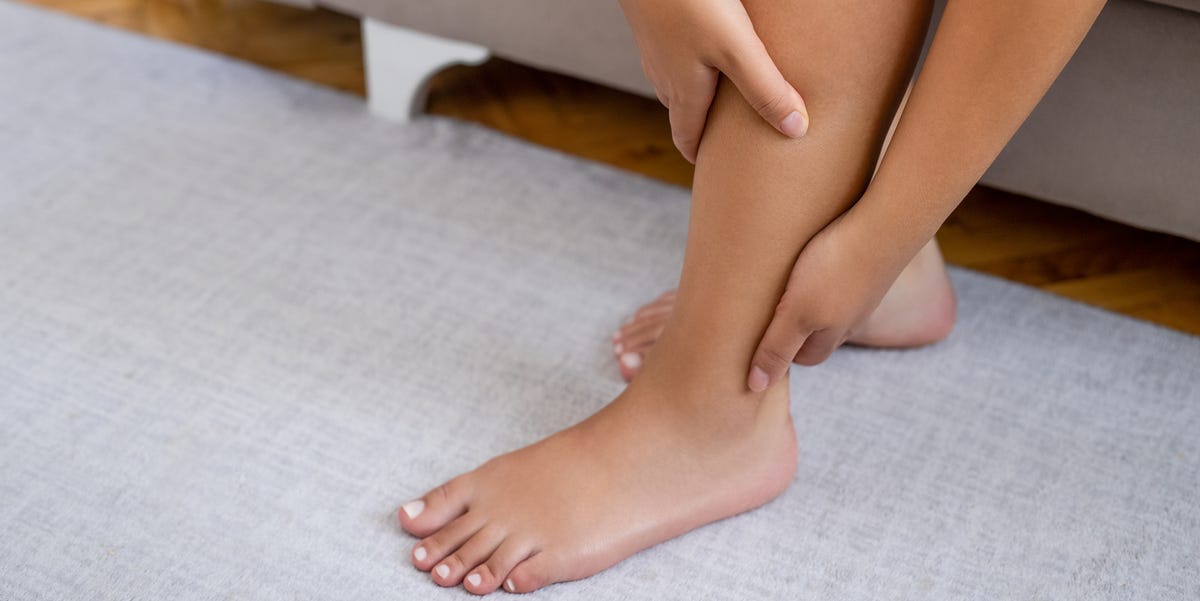
Swollen feet or ankles are a relatively common health concern. “There are probably 50 different things that can cause feet, ankles, and legs to swell,” says Britt H. Tonnessen, M.D., a Yale Medicine vascular surgeon. We tapped doctors to explain some of the most common causes of swollen feet and potential treatment options.
Meet the Experts: Britt H. Tonnessen, M.D., a Yale Medicine vascular surgeon and Tek Fish, D.P.M., a board-certified podiatrist at Clover Podiatry.
Experts explain that the body has two drainage systems: the veins, which drain blood from your legs back towards your heart, and the lymphatics, which are channels that move fluids around the body.
“These two systems work in tandem to get the fluid out of your legs. But when fluid remains pooled in your feet, legs, or ankles, that swelling is called edema,” says Tonnessen.
“Most of the time, foot swelling is actually not a foot problem,” says Tek Fish, D.P.M., a board-certified podiatrist at Clover Podiatry. “It’s often something else causing the feet to swell.” Some of the potential causes he mentions are issues with the blood veins, prolonged sitting, pregnancy, kidney issues, and infections. Below, doctors explain the potential causes of swollen feet and various treatment options to explore.
You’ve been on (or off) your feet all day
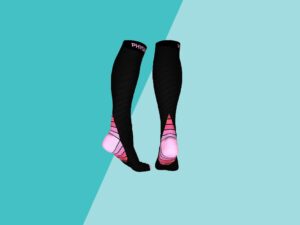
Whether your work keeps you on your toes, or you’ve been running around all day doing errands, you can end up with achy, sore, and yes, swollen feet. Conversely, if you’ve started a new job where you’re sitting most of the time, or you’re laid up because of an injury or difficulties with mobility, and your legs are just hanging straight down all day, you may also get what doctors call dependent edema—swelling that’s related to gravity. In these cases, propping your feet up on a pillow at the end of the day should help bring your feet back down to size. Dr. Tonnessen is also a big fan of wearing compression socks to counteract the swelling: “They go from the foot to the knee and are a little snugger on the foot and ankle to prevent the accumulation of fluid,” she explains.
You’re consuming too much salt
Who doesn’t love a good shake of truffle salt on their fries? But when you take in too much sodium, it can cause your body to retain water, causing puffiness and swelling. “I advise my patients to really look at labels of all their food, to see how much sodium is in their diet soda, canned soups, microwave dinners, and to consume no more than 2,000 to 2,400 milligrams per day,” says Dr. Tonnessen.
You’ve got an injury
While fluid retention and vascular conditions are the most common causes of swelling, you could also be walking around with inflammation from a fracture or tendinitis—one major way to tell the difference is that these injuries usually hurt! All that extra blood and fluid is helping your foot heal, and you can do your part by staying off your foot and taking anti-inflammatory medicines such as ibuprofen to bring down the pain and swelling.
You’ve got a baby on board
Most expectant moms find they need to trade in their heels for comfy flats as their feet start to swell. First of all, your body retains more fluid during pregnancy. Your growing belly also puts more pressure on your pelvic floor, leading to increased pressure on the blood vessels in your legs. And there’s also that crazy pregnancy hormone relaxin, which causes your pelvis to, yes, relax and enlarge to allow the baby through, but can also loosen up ligaments in your feet. While a little swelling is normal, and can be somewhat alleviated by exercising, staying hydrated, and wearing comfortable shoes, contact your doctor pronto if swelling is accompanied by headaches, nausea, or blurred vision, which could be a sign of preeclampsia, a potentially dangerous condition that needs to be treated immediately.
You’re on your period
In addition to making you feel irritated and crampy, the hormonal changes from your menstrual cycle can also cause you to retain fluids a week or so before your period, which can lead to swollen hands and feet. Again, make sure to exercise, stay hydrated, and cut down on sodium. In a few days, it should go away.
You’re carrying around extra weight
A baby is not the only weight that can press down on your blood vessels—if you’ve recently gained weight, you may notice your feet are getting larger, too. “If you’re sitting a lot, that extra weight in your belly sits right on the groin area, and that can disrupt the lymphatic flow that drains fluid from your legs,” says Tonnessen. “But even losing just 10 or 20 pounds can make a difference.”
It may be a side effect of your meds
Taking a new RX? Some drugs, including oral contraceptives, steroids, a type of blood pressure medication called calcium channel blockers, some antidepressants (including tricyclics and MAO inhibitors), and diabetes medications, could unintentionally cause you to retain water, causing swollen feet. Check with your doctor if you suspect this is the case, but remember if the medication is helping you, it may be worth wearing loafers instead of sandals for now.
You’ve got varicose veins
“Even people as young as their 20s and 30s can get varicose veins,” says Dr. Tonnessen. This very common condition happens when the veins in the leg weaken over time and lose elasticity. Then the valves in the veins that help propel the blood back toward the heart can’t work as efficiently, so the blood pools, causing the telltale raised blue and red veins on your legs and swelling of the feet and ankles. Wearing compression stockings, losing weight, elevating your legs for 15 minutes a few times a day, and exercising regularly can help.
There may be a blood clot
On the much more serious side, sudden swelling of the leg, particularly when it’s just one leg, can mean that you have a blood clot deep in the tissue, a condition called deep vein thrombosis (DVT). “This can happen at any age, and it typically happens after someone has been laid up after an injury or hospitalization, or after a long car ride or airplane flight,” says Dr. Tonnessen. This condition is diagnosed by an ultrasound, and must be treated immediately with blood-thinning medications to prevent the blood clot from traveling to the brain, heart, or lungs.
You may have an infection
Even a small cut or blister can become infected and cause your feet or ankles to swell. “That usually comes with redness, warmth, and often a wound,” says Dr. Fish. “That’s a medical emergency situation, not a ‘wait and see.’”
When to seek medical care
If your swelling continues to get worse and is accompanied by other symptoms, such as shortness of breath, chest pain, or pressure in the chest or abdomen, see your doctor or call 911. It could be an outward sign of heart, kidney, or liver disease. In some cases, it can mean there is an abdominal mass pressing down on your lymphatics, causing the swelling.
Read the full article here


