







If you’ve ever tried to drop a few pounds, you know there’s no single (healthy!) magic trick that will help you lose weight fast. Even maintaining a healthy weight takes some work. You want to make sure you eat a balanced diet, get enough sleep, and manage stress.
Still, starting small is always the best approach when making lifestyle changes. And if a healthy metabolism is a goal of yours, here’s one simple place to start: Tweak what’s on your plate, or more specifically, add more metabolism-supporting foods to your rotation.
Your metabolism is like “an intricate tapestry,” says Mary Weiler, Ph.D., R.D.N., a retired nutrition scientist. While factors like genetics are out of your control, diet is something you can oversee, and small adjustments can make a difference. That’s because metabolism is the chemical process that converts food and drink into energy—or, more simply put, it burns calories.
Metabolism also aids in other processes like tissue repair and eliminating waste, adds Dan LeMoine, who’s certified in holistic nutrition, co-founder of Re:Vitalize Weight Loss and Wellness, and author of Fear No Food.
While an overall healthy diet will support a healthy metabolism, a few specific nutrients—and foods that contain these nutrients—can keep it running smoothly.
Meet the experts: Mary Weiler, Ph.D., R.D.N., a retired nutrition scientist; Marjorie Nolan Cohn, M.S., R.D., L.D.N., owner of MNC Nutrition in New York City; Dan LeMoine, certified holistic nutritionist, co-founder of Re:Vitalize Weight Loss and Wellness, and author of Fear No Food.
Nutrients That Support Metabolism Function
Loading up on foods that deliver an array of vitamins, minerals, and antioxidants is key to good overall health and a productive metabolism—but protein, iron, and fiber are three biggies that can really help kick metabolism into high gear.
Protein requires more energy to digest than other nutrients, such as carbs and fat, so including between 25 and 30 grams of lean protein at each meal may help your body burn more overall calories, thereby promoting a strong metabolism, Weiler explains.
High-fiber foods, particularly ones that contain prebiotics, which feed the good bacteria in your gut, provide energy that supports metabolism. Probiotics, which also support a healthy, balanced gut microbiome, support metabolism through promoting smooth digestion.
Iron also contributes to the body’s ability to break down components of food into fuel, which means a more steady calorie burn. “When we’re mildly deficient in iron, one of the first side effects is sluggishness or lethargy, and our metabolism slows,” Weiler adds.
Foods That Boost Metabolism
Consider incorporating more of these metabolism-boosting foods into your diet on a daily basis. “You won’t be able to change your metabolism overnight,” Weiler says. “But you can improve it with a well-balanced diet, physical activity, and proper sleep.”
1. Milk
Whole milk is a great source of bone-building calcium in addition to providing 8 g of protein per cup. Because it takes energy to break down and digest that protein, your metabolism gets a workout.
2. Avocado
This fruit contains heart-healthy omega-3 fatty acids plus fiber. This combo may make avocado helpful for maintaining a healthy weight because it helps you feel fuller for longer, studies suggest.
3. Cheese
It’s smart to be mindful of your cheese habit, as most types have saturated fat that may derail your weight goals despite the protein content. But certain varieties have less fat and enough protein to make it a smart metabolism-supporter. For instance, 1 ounce of part-skim mozzarella has nearly 7 g of protein, and 1/2 cup of part-skim ricotta boasts about 14 g of protein. Ricotta is wonderful spread on toast, as you would cream cheese.
4. Tempeh
It’s not always easy to get enough protein if you follow a plant-based diet, but tempeh is a solid option with one 3-oz serving delivering about 19 g of protein. Plus, its nougat-like texture makes tempeh a delicious stand-in for meat.
5. Flaxseeds
Flaxseeds are an excellent source of soluble fiber that promotes a healthy, balanced gut microbiome, Weiler says, and therefore good metabolism. They also serve up some protein, with about 3 g in 2 Tbsp of ground flaxseed meal. Make them into a breakfast pudding with yogurt, or sprinkle them into a smoothie or onto a salad.
6. Beans
Beans are another great source of plant-based protein and fiber, so eat more of all varieties, such as black beans (which are also an iron-rich pick) and garbanzo beans. Fiber helps slow the glycemic response, or the rate at which sugar reaches the bloodstream, adds Weiler, which may also positively affect metabolism.
7. Lentils
The fiber in lentils doesn’t break down in the gut, and this “creates beneficial fatty acids that can block the body’s ability to burn carbs, so it instead uses stored body fat and recently consumed fat as fuel instead,” promoting metabolism, says Marjorie Nolan Cohn, M.S., R.D., L.D.N., owner of MNC Nutrition in New York City. Lentils are also high in protein and are a great way to bulk up meals with ground meat or salads.
8. Sweet potatoes
Sweet potatoes offer a source of soluble fiber, says Weiler, which aids metabolism by fueling the gut with diverse microbiota. One large sweet potato also contains more than 3 g of protein.
9. Greek yogurt
Thick, creamy Greek yogurt is an ideal way to start your day with a high-protein breakfast, and it also contains probiotics that contribute to a balanced gut microbiome and smooth digestion for more effective metabolism.
10. Walnuts
One cup of chopped walnuts is the ideal on-the-go snack—it’s filling, it’s not messy, and it provides your body with more than 15 g of protein in 1 cup of shelled walnuts. Bonus: This nut is among the highest in brain-healthy omega-3s.
11. Kimchi
Kimchi is a fermented cabbage condiment traditional to Korea, and it’s chock-full of probiotics, which, like those in yogurt, contribute to an optimally functioning gut and therefore metabolism, says Weiler.
12. Edamame
This sushi starter delivers both iron and protein to support metabolism, energy, and satiety. You can find edamame in the shell and pre-shelled edamame in the frozen section of many supermarkets, which is a handy staple to have in your kitchen.
13. Whey protein
Add a scoop of protein powder to smoothies or water for a quick protein hit. Avoiding animal products? You can find plenty of plant-based powders made from plant sources like peas or soy; reach for ones that have shorter ingredient lists and limited added sugar.
14. Spinach
This leafy green is high in iron, and 1 cup of cooked spinach provides about 5 g of protein. Weiler suggests pairing spinach with vitamin C-rich foods, such as bell peppers or citrus, as this vitamin can “help increase iron bioavailability or absorption.”
15. Tofu
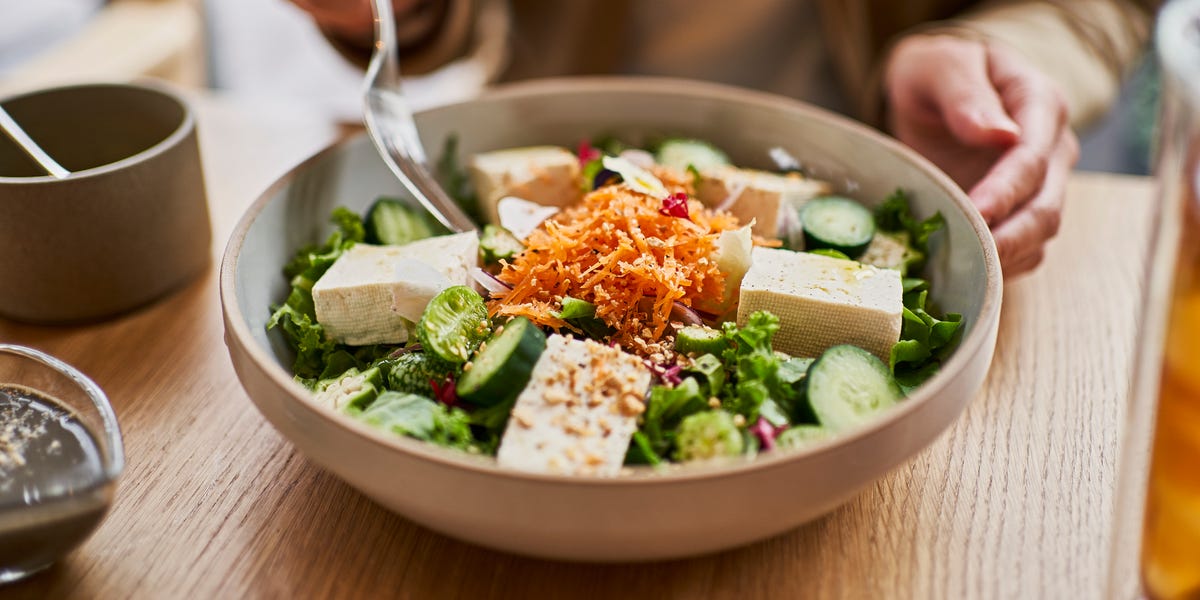
Made from soybeans, this versatile plant-based protein packs nearly 22 g of protein per 1/2-cup serving and is a decent source of fiber, too. Tofu takes on any flavor you season it with, from sweet to salty to spicy, so have fun experimenting with your favorite seasonings.
16. Salmon
Whether it’s salmon, halibut, or tuna, seafood is a great catch when it comes to supporting your metabolism, Weiler says, because it’s high in lean protein. One serving of wild-caught sockeye salmon provides nearly 25 g of protein.
17. Whole grains
Quinoa and other whole grains like oats, farro, and buckwheat offer protein and fiber, as well as a bit of iron, making them excellent foods to support metabolism.
18. Coffee
The caffeine in coffee and tea can help stimulate energy expenditure and jump-start the fat-burning process, also called lipolysis, which supports metabolism, Weiler explains. Always check with your doctor before adding coffee to your diet or increasing your daily intake.
19. Eggs
However you prepare them, eggs are smart fuel for metabolism and muscles. One large egg contains about 6 g of protein.
20. Chicken breast
A family favorite that can easily be paired with any side or salad, a roasted half-breast scores a whopping 27 g of protein, along with a bit of iron and minimal fuss.
21. Hemp seeds
Sprinkle protein-packed hemp seeds on cereal, smoothies, or on top of salads for an added crunch. Just 3 Tbsp deliver more than 9 g of protein, plus a little fiber and iron.
22. Cottage cheese
Cottage cheese is so much more than its diet-food reputation of the past. It’s packed with protein, with 1 cup of low-fat cottage cheese netting you about 24 g of protein. Some cottage cheese brands can be high in sodium, so check the label before buying. Build sweet or savory cottage cheese bowls or spread it on toast.
23. Pumpkin seeds
Pumpkin seeds are rich in magnesium and iron, and a 1-oz serving provides nearly 9 g of protein. Sprinkle them on your yogurt or salad or enjoy as a snack.
Read the full article here


