






Protein continues to dominate grocery aisles, where packages boast how one serving of popcorn provides 7 grams and a can of water packs 20. While protein deserves priority on your plate, it’s not always nutritious or delicious to fill up on products with added amounts of the macronutrient. For example, that popcorn also has 5 grams of added sugars, and the water has bitter-tasting zero-calorie sweetener.
However, you can’t ignore meeting your daily protein quota, especially after middle age. The macronutrient slows the rate of sarcopenia (lean muscle loss), which research links with reduced frailty and increased independence, as muscle helps you perform daily tasks, from self-care to household chores to driving to see friends. Protein also supports bone and immune health.
Our protein needs also increase as we get older. “The body grows less efficient at using protein over time, a phenomenon known as anabolic resistance,” explains registered dietitian Janice Chow, R.D., founder at The Mindful Chow. This means, in addition to resistance training, you need to eat higher amounts of amino acids (found in protein) in order to trigger muscle growth and repair.
Current evidence suggests that older adults need 1.0 to 1.2 grams per kilogram of body weight a day to maintain muscle mass, though that number may go up to 2.0 grams per kilogram of body weight for active individuals who want to build or maintain muscle. That’s about 68 to 82 (or up to 136) grams for a 150-pound adult, and 91 to 109 grams (or up to 181 grams) for someone weighing 200 pounds.
That target is fairly easy if you aim for 20 to 30 grams at every meal and around 10 or more for snacks. (For reference, a 3-ounce, boneless, skinless grilled chicken breast provides about 26 grams of protein.)
If you have trouble reaching that goal, you can sneak more protein into every snack and meal with just a few simple additions. Try these ideas from registered dietitians.
Meet the experts: Janice Chow, R.D., founder at The Mindful Chow; Ginger Hultin, D.C.N., R.D.N., author of Anti-inflammatory Plant-based Eating 101; Matthew Kadey, R.D., a Canadian-based nutrition journalist; Keri Gans, R.D.N., podcast host of The Keri Report and author of The Small Change Diet; and Esther Tambe, R.D.N., a certified diabetes care and education specialist.
Breakfast
Boost Your Smoothie
Silken tofu, Greek yogurt, and boxed egg whites (which are pasteurized, so you can safely eat them without heating) all add protein and a luscious texture to your blend. For reference, 1/2 cup of tofu provides about 9 grams of protein, 1/2 cup full-fat Greek yogurt offers at least 10 grams, and 3 tablespoons egg whites serves up about 5 grams.
Upgrade Your Oatmeal
Make plain oats with dairy or unsweetened soy milk, rather than water. You can also stir in liquid egg whites as they cook. Once they’re done, add unsweetened peanut butter powder, which has one-third fewer calories and about the same protein per tablespoon as the real thing. A cup of 2% milk provides 8 grams, 1 cup soymilk has 7 grams, 3 tablespoons egg whites adds 5 grams, and 2 tablespoons peanut butter powder contains 6 grams.
Pump Up Pancakes and Waffles
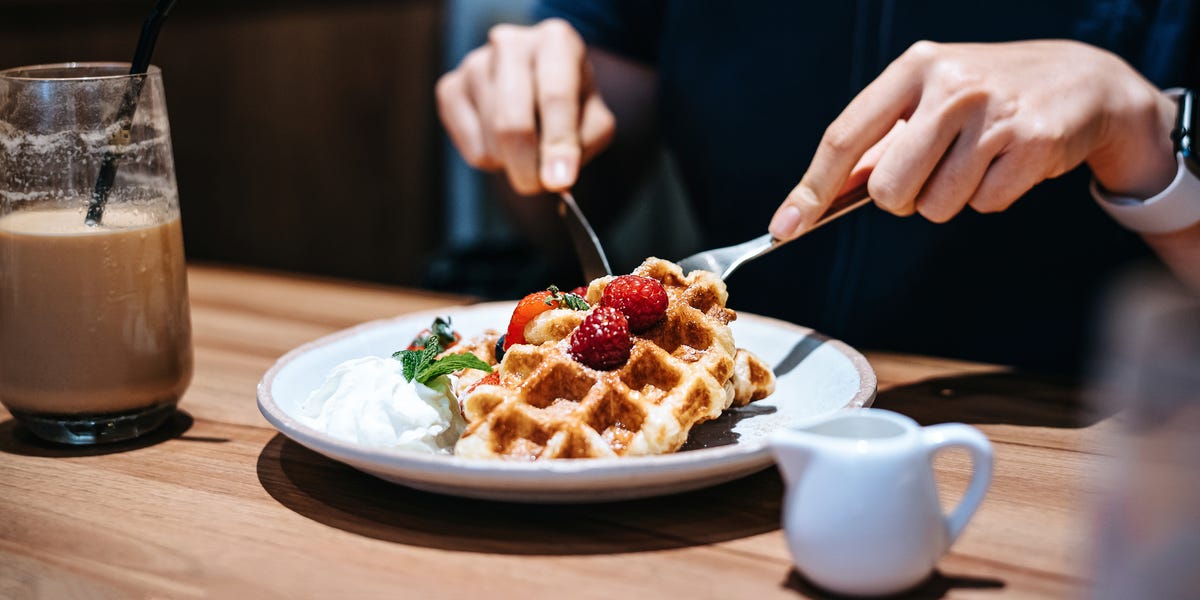
Add 1/4 cup dry milk powder to your recipe. If the batter seems too thick, add a little extra milk, one tablespoon at a time. It won’t dramatically change the taste or texture, but it will add more than 8 grams of protein.
Supplement Your Scramble
Scrambled eggs kick off your day with 6 grams per egg. Mix in cottage cheese or ricotta for more muscle-building benefits and a creamier texture. A quarter-cup of 2-percent cottage cheese adds about 6 grams of protein, while the same amount of part-skim ricotta adds 7 grams.
Lunch
Give Your Leafy Greens Staying Power
Hemp seeds, dried or cooked edamame (look for the shelled ones in the freezer aisle for easy prep), and canned beans are tasty plant-based options to make a green salad more satisfying. Half a cup of beans has about 7 grams of protein, 1/2 cup edamame has 9, and 1 tablespoon of hemp seeds (a.k.a. hemp hearts) has 3 grams.

Add Prevention as a preferred source in your Google search results.
Use your Google account to add this to your settings.


DIY a Creamy Dressing
Mild-tasting silken tofu disappears completely when blended into salad dressing, Chow says. Three ounces gives your batch of vinaigrette at least 4 grams of protein, depending on the brand.
Try This Smart Salad Swap
Ditch the mayo and use Greek yogurt to make tuna, egg, chicken, and potato salads. “You’ll still get a tangy flavor and that desirable creamy texture, but gram for gram, Greek yogurt contains about seven times as much protein as mayonnaise,” says Matthew Kadey, R.D., a Canadian-based nutrition journalist.
Dinner
Make Greater Grains
Cook quinoa, rice, kamut, or whatever you prefer in bone broth. It adds flavor and, depending on the brand, about 10 grams of protein per cup.
Grind Up Gluten-Free “Breading”
“Use finely chopped almonds or almond flour as breading for fish, chicken, or tofu. It adds a little extra protein along with crunch and heart-healthy unsaturated fats,” suggests Keri Gans, R.D.N., podcast host of The Keri Report and author of The Small Change Diet. Experiment with other nuts and seeds, like pistachios and pepitas.
Simply grind them in a food processor or high-speed blender until fine, but watch that you don’t accidentally blend them too much into nut or seed butter. Almond flour has around 6 grams of protein per 1/4 cup.
Play with Sauces
Puree cottage cheese into tomato sauce for a creamy pink marinara, or blend cooked, shelled edamame into pesto to make higher-protein pasta. For every 1/4 cup of 2-percent cottage cheese, you add 6 grams of protein, and every 1/4 cup cooked edamame lends about 5 grams to your sauces.
Strengthen Soups
Stir in lentils or split peas and let them simmer with the rest of your ingredients, or blend white beans into creamy soups. Just 1/4 cup of dried lentils or split peas packs 11 to 12 grams of protein, while 1/2 cup canned white beans has almost 10 grams.
Tweak Mashed Potatoes
Swap out some butter or sour cream for plain Greek yogurt, which some argue makes for an even creamier side. Using 1/4 cup adds at least 5 grams of protein to your spuds.
Read the full article here


