







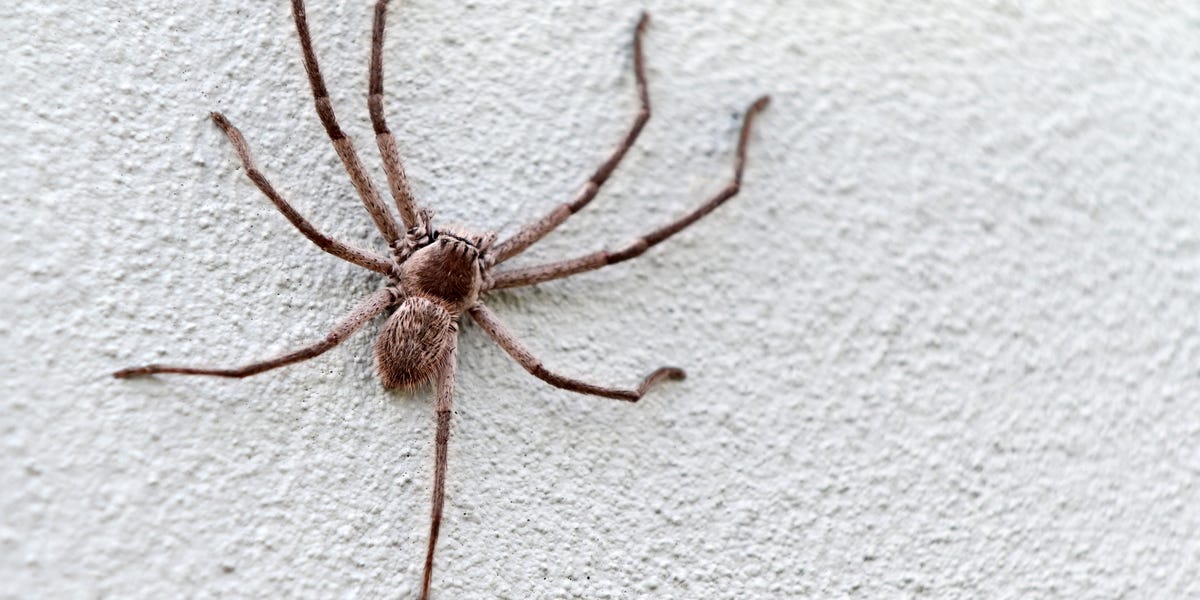
Being bitten by a spider isn’t something most people want to experience. But while spider bites aren’t as common as people think, they can and do happen.
There are spider bites that require immediate medical attention—namely, the brown recluse and black widow—but most spiders in America won’t cause much damage. A wolf spider or jumping spider bite will likely cause a red bump that may be a little sore or even painful, according to Gary Goldenberg, M.D., assistant clinical professor of dermatology at the Icahn School of Medicine at Mount Sinai Hospital. Still, in most situations, you should be fine.
Meet the experts: Hannah Burrack, Ph.D., professor and chair of the Department of Entomology at Michigan State University; Gary Goldenberg, M.D., assistant clinical professor of dermatology at the Icahn School of Medicine at Mount Sinai Hospital; Nancy Troyano, Ph.D., a board-certified medical entomologist with Ehrlich Pest Control; Nicholas Kman, M.D., an emergency medicine physician at The Ohio State University Wexner Medical Center
Of course, this is still a puncture wound, making it understandable to wonder about the best way to treat a spider bite. We consulted doctors and bug experts for tips on what to do in the immediate aftermath of a spider bite—and what you can do to lower the risk of it happening again.
What does a spider bite look like?
In a perfect world, you wouldn’t be bitten by a spider in the first place. Spiders usually only bite people when they feel threatened, so doing your best to avoid the creatures and checking objects that are in spider-friendly places—like your garage, attic, and closets—before you use them can go a long way toward preventing bites.
If you do receive a bite, it can be hard to know for sure (even for pros) if a spider was the culprit—unless you found it on you, says Nancy Troyano, Ph.D., a board-certified medical entomologist with Ehrlich Pest Control.
Hannah Burrack, Ph.D., professor and chair of the Department of Entomology at Michigan State University, agrees. “We can’t necessarily determine what bit you from the actual bite,” she says. “The bite [mark] is actually your skin reaction to venom or skin injury.” Because of that, how bites look varies from person to person, Burrack explains.
Some bites even take a day or two to develop, making it even more challenging to figure out what chomped on you, Burrack says.
When a bite mark shows up, redness and swelling around the bite site, mild pain (similar to a bee sting), and possible itching may also develop, depending on how you personally react to the bite. (Check out these spider bite pictures for visual examples.)
If you’ve scratched the bite, it can change its appearance again, Burrack says. “Scratching a bite can introduce bacteria, and often when folks go to the doctor with a concerning bug bite, it’s not due to venom but rather infection,” she says.
How can you tell if a spider bite is dangerous?
There are two spiders in the U.S. that cause more intense reactions: the brown recluse and the black widow.

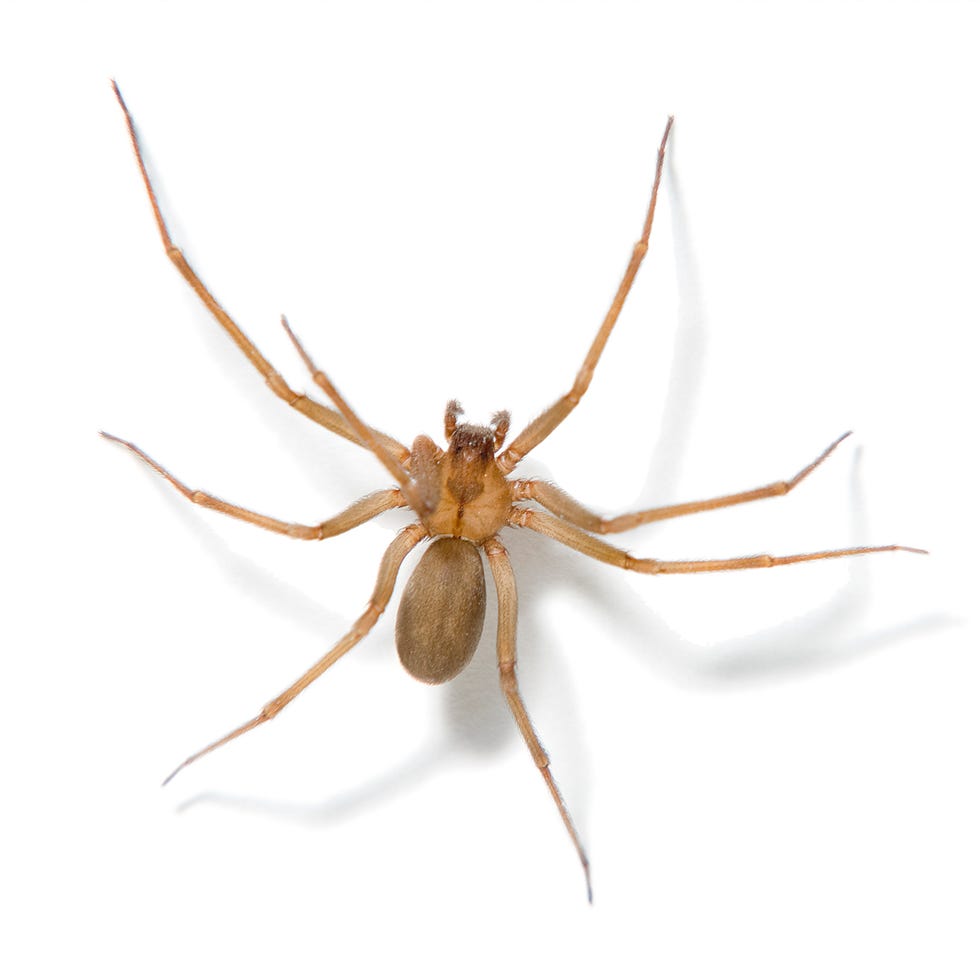
Brown recluse bites
The brown recluse has a very recognizable, violin-shaped marking along its torso and is known for its six (rather than eight) eyes. They’re a common house spider and prefer to hang out in dark, undisturbed corners—say, a closet, basement, or shed. A brown recluse spider bite is extremely painful and can cause necrotic wounds or lesions (due to its hemotoxic venom) that may end up needing surgical repair, says Troyano. Look for a white or discolored blister and other body-wide symptoms, like muscle aches or a fever.

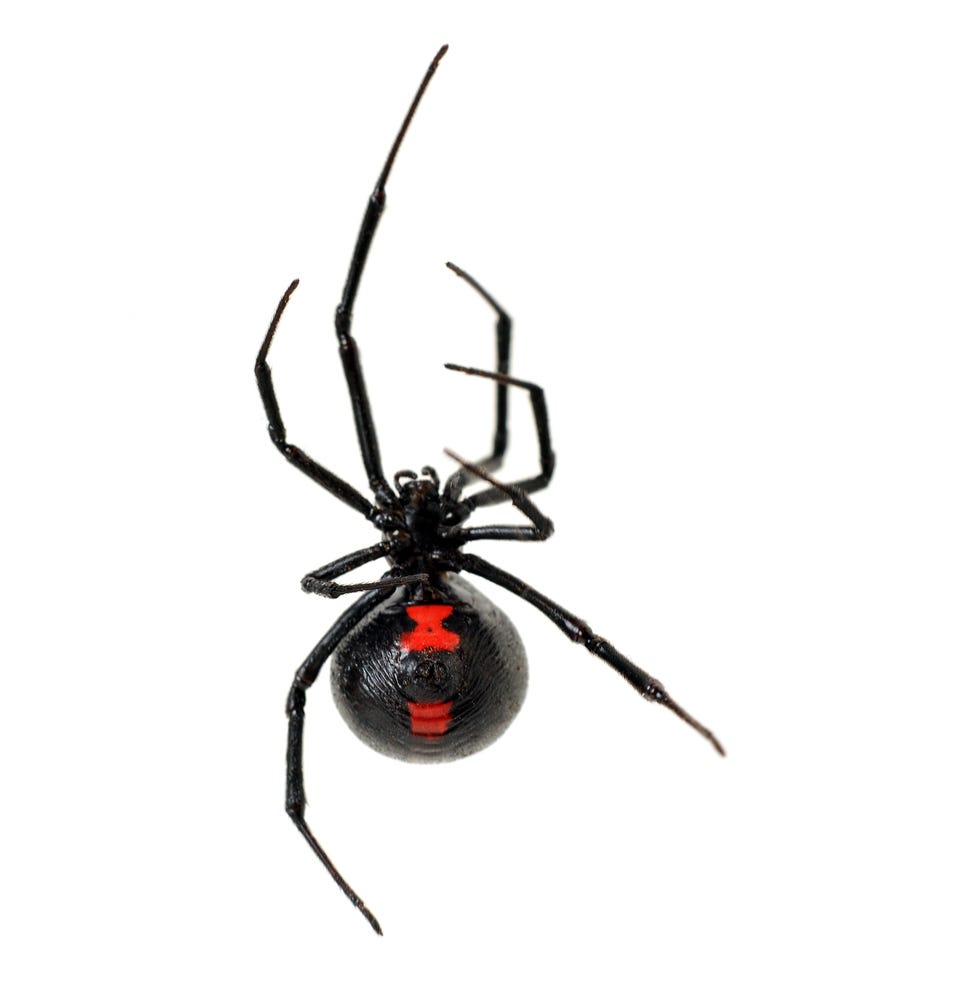
Black widow bites
The black widow has a jet-black coloring and a red hourglass-shaped marking on its abdomen. You can also find it around the home, especially in garages, workplaces with lots of debris, and areas with corners or edges to build webs. While rare, a black widow bite can also be “extremely dangerous,” says Troyano. Watch out for two obvious puncture marks, redness, swelling, and a burning feeling around the bite site. The neurotoxic venom can also cause muscle spasms, nausea, vomiting, sweating, tremors, and weakness.
🚨 If you suspect you’ve been bitten by a brown recluse or black widow spider, seek immediate medical attention.
How to treat a spider bite
If you’re unlucky enough to get a spider bite, there are a few things you can do to treat it at home if you suspect a relatively harmless spider was the offender.
1. Wash the wound.
Insects are dirty, and you don’t know where that spider’s mouth has been. But washing with soap and water is just good wound care to prevent infection, no matter what kind of bite or cut you get, says Nicholas Kman, M.D., an emergency medicine physician at The Ohio State University Wexner Medical Center. So, work up a good lather, rub it onto the wound, rinse it, and pat the area dry.
2. Grab some ice.
A spider may inject a little bit of venom into you when it bites, and the toxin can be inactivated by ice, says Dr. Kman. You can either make an ice bag and hold it over the bite for 10 minutes or so, or put a cube directly on the bite wound itself.
3. Take an anti-inflammatory medication.
If the area is uncomfortable or seems to be swelling a little, taking an anti-inflammatory like ibuprofen can help, Dr. Kman says.
4. Apply an antibiotic ointment.
Again, insects = dirty. Not only that, having any kind of wound increases your risk of developing a skin infection. That’s why Dr. Goldenberg recommends using an antibiotic cream on the wound, like bacitracin, which you can find in an OTC option like Neosporin. You’ll want to continue to apply it twice daily until the bump goes away.
5. Take an antihistamine if needed.
Many times, a spider bite will cause your body to release histamines, which cause swelling and itching. If you notice that your bite is itchy and swollen, Dr. Kman recommends taking an antihistamine like Benadryl or Zyrtec to combat the reaction.
6. Get a tetanus shot.
Being bitten by a spider means you should get a tetanus booster, which helps prevent infections—just in case, Dr. Kman says. You don’t need to sprint to the nearest ER, but you do want to put it on your immediate to-do list.
How long does it take for a spider bite to heal?
Expect harmless bites to go away within a couple of days, says Troyano, as long as it does not show any signs of infection, like excessive swelling and feeling hot to the touch.
If you get bitten by a brown recluse or black widow, it may take weeks (sometimes months if serious) to properly heal, which depends on the severity of the bite or if an infection follows.
Why do spiders bite?
While some bugs feed on human and animal hosts, spiders aren’t like that. “Spiders do not seek out people to bite—they only do so in defense or if trapped,” Burrack says. “I’ve only gotten spider bites in cases where I have been working outside in tall crops, brush, or grass and they have gotten trapped in my clothing.”
How to prevent spider bites
Again, spiders usually only bite if they feel attacked or trapped. The problem is, you may not feel like you’re attacking or trapping a spider while going about your day, but they might perceive things otherwise. So, simply opening up the lid on your outdoor garbage can could trigger a bite if a spider has made a home under the lid.
Every spider is different, but Burrack says black widow spider bite prevention is the most important. “They can be found in sheltered areas around structures or in woodpiles,” she says. “When weeding near your home or other buildings, it’s a good idea to wear gloves.”
Like other spiders, Burrack stresses that black widows aren’t on a mission to bite you. “But if you accidentally grab them, that could trigger their defense,” she says.
When to see a doctor for your spider bite
Most spider bites don’t get infected, Dr. Kman says. However, if you notice redness, warmth, swelling that won’t quit, or drainage or pus from the wound, see a doctor as soon as you can. That’s also true if the area becomes tender, you have a breakdown of your skin, or it develops a hard, black crust, Dr. Goldenberg adds.
Again, in most cases of a spider bite, you’ll be just fine to wash the area well, ice it, and use OTC medication as needed—but don’t hesitate to call your doctor if you develop more issues or if you have any questions.
Read the full article here


