






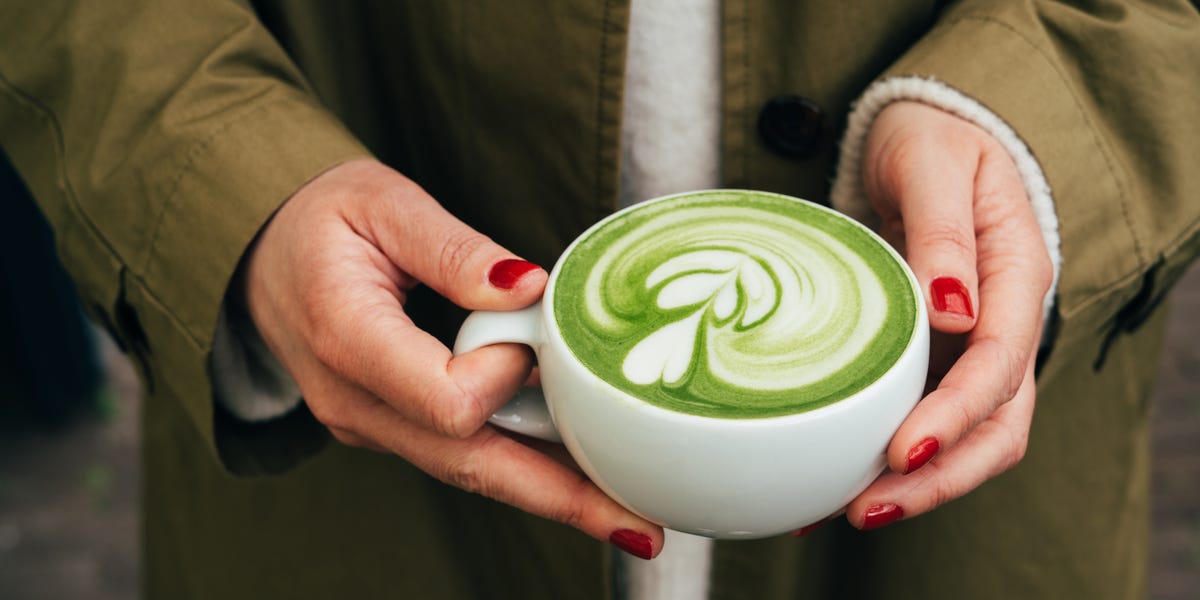
As a dietitian, I’ve heard plenty about the health benefits of matcha. But I’ll admit, I had never fully hopped on the bandwagon. So when my editor challenged me to replace one cup of coffee with a matcha every day for a week, I decided to take the plunge.
While matcha only became a staple on coffee shop menus in the United States in the last decade or so, it’s been an integral part of Japanese culture for centuries. And considering that the flavor can leave a bit to be desired, it’s obvious that matcha has something else going for it. But what, exactly?
Before I dive in, I want to emphasize that I am no matcha expert. I was excited to incorporate the drink into my routine and to learn more about its history in the process.
Despite my enthusiasm, my first encounters with matcha left me unsure. The earthy, grassy flavor was a bit of an adjustment for my palate. To embark on my week-long matcha-drinking quest, I wanted to make sure I was drinking real matcha, and not a matcha-flavored “drink.” As such, I wanted a powder with matcha as the only ingredient, so I landed on Anima Mundi’s ceremonial-grade matcha, which is made from organic matcha leaves sourced from Japan. I will admit that I spent a solid hour watching YouTube tutorials on how to whisk it with the classic bamboo chasen and practiced until I (think I) got it right.
Let me be clear: This experiment did not convert me into a daily matcha drinker. I still find the flavor profile… earthy. But, for one week, I dutifully swapped my beloved midday cup of coffee for a frothy green brew. Approaching this with genuine curiosity and respect for matcha’s roots, I wanted to see what a week of daily matcha could offer. And I have to admit, the results were positive.
After drinking it, instead of the immediate, sometimes jittery jolt from coffee, matcha provided a smoother, more sustained lift. It was less of a rocket launch and more of a gentle ascent into focus and alertness. There was no afternoon crash, just a steady stream of energy that carried me through my work. While I didn’t see any miraculous changes to my skin or overall health (a week is far too short for that), I did notice a distinct difference in how I felt in the afternoons. It was a calm, focused energy that I came to appreciate, even if the flavor was not for me.
Throughout the week, I also noticed that making matcha became something of a mindful ritual. Taking the few extra minutes to whisk the tea and watch the vibrant green froth form forced me to slow down in the middle of my busy day: a break I didn’t know I needed. While I still don’t dream about matcha lattes, I can see why so many people enjoy the process as much as the drink itself.
Key nutrients in matcha
So, what’s actually in the green powder? A typical one-gram serving of matcha powder (about half a teaspoon) is a nutritional powerhouse in a tiny package. It’s not about calories, fat, or protein here. The magic is in the micronutrients.
Just like green tea, matcha is packed with catechins, a type of antioxidant. Specifically, it contains epigallocatechin gallate (EGCG), which is celebrated for its health-promoting properties. It also contains L-theanine, an amino acid that works in synergy with caffeine to promote that state of “calm alertness.” A serving has about 25-75 milligrams of caffeine, depending on how much powder you use. This is less than a standard cup of coffee but still enough to give me a noticeable boost.
Health benefits of matcha
Beyond my personal one-week trial, the science behind matcha is compelling. As a dietitian, I can’t deny the evidence-backed health benefits of matcha that come with incorporating it into your routine.
A unique kind of energy boost
The combination of caffeine and L-theanine is what makes matcha unique. While caffeine blocks adenosine receptors in the brain to make you feel less tired, L-theanine increases alpha wave activity, which is associated with a state of relaxed wakefulness. The result? Focus and energy without the jitters or anxiety that may sometimes accompany coffee. It’s the perfect fuel for powering through a complex project or a long afternoon of meetings.
Improvements in skin health
Matcha’s impressive antioxidant content may play a role in supporting healthy skin from the inside out. Antioxidants help protect skin cells from free radical damage, which is one of the main contributors to premature aging and dullness. By reducing oxidative stress, matcha may help maintain a brighter complexion, support skin elasticity, and even calm inflammation. While drinking matcha alone won’t transform your skin overnight, it can be a flavorful addition to an overall skin-friendly routine, acting as a little extra boost for your natural glow. At least it won’t hurt anything. Just pump the brakes on adding ingredients with added sugar to your matcha if your goal is to have radiant, glowing skin, as added sugars may not be doing you any favors in the skin health department.
Potential for stress reduction
Remember that L-theanine? It doesn’t just help with focus; it also has a calming effect. This amino acid may help increase the production of calming neurotransmitters like serotonin and dopamine. This is why many people report feeling more relaxed and in a better mood after drinking matcha. While a single cup won’t solve all your problems, regular consumption could contribute to a greater sense of well-being.

Add Prevention as a preferred source in your Google search results.
Use your Google account to add this to your settings.


Possible cognitive health boost
Matcha has shown promising potential in supporting cognitive health, with studies highlighting its effects on memory. For instance, research has found that regular matcha intake may be linked to enhanced cognitive performance under stress, improving reaction times and emotional perception, likely due to its unique combination of theanine, catechins, and caffeine. While caffeine provides an immediate boost in attention, matcha’s long-term benefits, such as reduced anxiety and improved attention, seem to stem from its anti-stress properties. While matcha may not be a magic bullet for cognitive health, its nutrient-rich profile and potential to support mental clarity and stress management make it a worthwhile addition to a balanced lifestyle.
Potential for heart health support
Matcha may play a supportive role in heart health by positively impacting key markers of cardiometabolic health, such as cholesterol levels, blood sugar, and weight management. Additionally, matcha’s rich antioxidant content, including compounds like catechins, may protect against oxidative stress, which is linked to heart disease. While further human studies are needed, these findings suggest that matcha may be a heart-healthy addition to a balanced diet.
Cultural connection
Beyond its impressive nutritional credentials, matcha holds a deep-rooted cultural significance, especially in Japan. For centuries, matcha has been at the heart of the Japanese tea ceremony, known as “chanoyu” or “sado.” This ritual is about more than just drinking tea; it’s an experience that emphasizes mindfulness, respect, and harmony. Preparing matcha with a bamboo whisk, as I attempted during my week-long experiment, is a nod to this cherished tradition. Enjoying matcha is, in many ways, an invitation to slow down and connect with a rich history that values both the art and intention behind every bowl.
Who needs to avoid matcha?
As wonderful as it is, matcha isn’t for everyone. If you are highly sensitive to caffeine, you may want to start with a very small amount or steer clear altogether. The effects, while smoother than coffee, are still present. I personally refrained from enjoying a cup after 1 p.m. every day, as I am a caffeine-sensitive person and I didn’t want it impacting my beauty sleep.
Pregnant or breastfeeding individuals should also be mindful of their caffeine intake and consult their healthcare provider before adding matcha to their diet. Additionally, because you are consuming the whole leaf, matcha may contain trace amounts of lead absorbed from the environment. While the levels are generally low and not a concern for most adults, it’s another reason for caution during pregnancy and for young children.
The bottom line
My week-long journey with matcha was an enlightening one. Did I fall in love with the taste? No. Will I be trading my daily coffee for the tea? Also no.
However, I have a newfound respect for this powdered green tea. The sustained, jitter-free energy it provides is undeniable, and its impressive antioxidant profile makes it a genuinely healthy choice. And the ritual aspect of making a cup is something I really enjoyed. There is something so special about drinking a beverage that others have been drinking for centuries.
As a dietitian, I can confidently say that if you enjoy the flavor or are looking for a coffee alternative that offers a calmer boost, matcha is absolutely worth a try. Just make sure you are actually drinking matcha. I have found many matcha-flavored food products out there that contain zero actual matcha, and therefore, offer zero of the potential benefits discussed in this article. Matcha-flavored candy is not going to support your health in the same way that a cup of properly made matcha will.
While my daily matcha habit didn’t stick, I’ll be keeping a tin in my pantry for those days when I need a gentle, focused lift, even if I am not in love with the taste.
Read the full article here


