







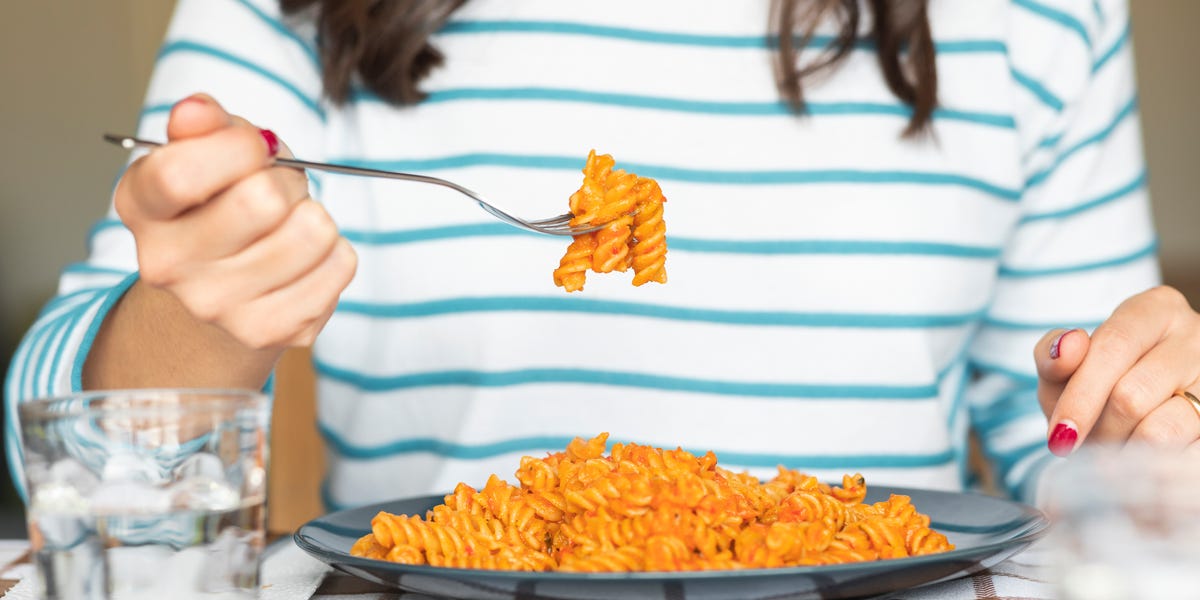
As someone with insulin resistance, chronic inflammation, and a gastric bypass, I am supposed to limit my simple carbohydrates and maximize protein and fiber. But as a pasta lover, this is a challenge. I can’t go without it, and I have struggled to fit it within my macros. It’s true that we have tons of pasta alternatives these days (brown rice pasta, lentil pasta, corn pasta, chickpea pasta—the list goes on!), but I have tried them all to extreme disappointment. Either they are too mushy, too firm, too chalky, and ultimately don’t sate my pasta itch.
However, a new breed of protein pastas seems to have emerged into the nutrition space recently from Banza, who pioneered chickpea pasta—a line of hybrid wheat protein pasta that supposedly cooks and tastes just like the real thing. Curious, I tried it myself.
Meet the Expert: Lauren Manaker, M.S., R.D.N, a dietician and author.
After trying three different shapes (including a boxed wheat protein mac and cheese!), I was thoroughly impressed with both the texture, taste, and satiety, but needed some more insight on its actual nutrition facts. I asked dietician Lauren Manaker, M.S., R.D.N to weigh in on how the new Banza Wheat Protein Pasta stacks up nutrition wise, and what its actual health benefits are. Here’s her official breakdown.
What are the benefits of Banza Wheat Protein Pasta?
With 16 grams of protein per serving, Manaker says “this pasta provides a nice protein boost compared to traditional wheat pasta, which typically has around 7 grams per serving.” But does more protein in pasta actually do anything for your health? “Compared to traditional wheat pasta, this blend offers more protein and fiber, which can help with satiety and blood sugar control,” she explains.
How does Banza Protein Wheat Pasta compare to traditional pasta?

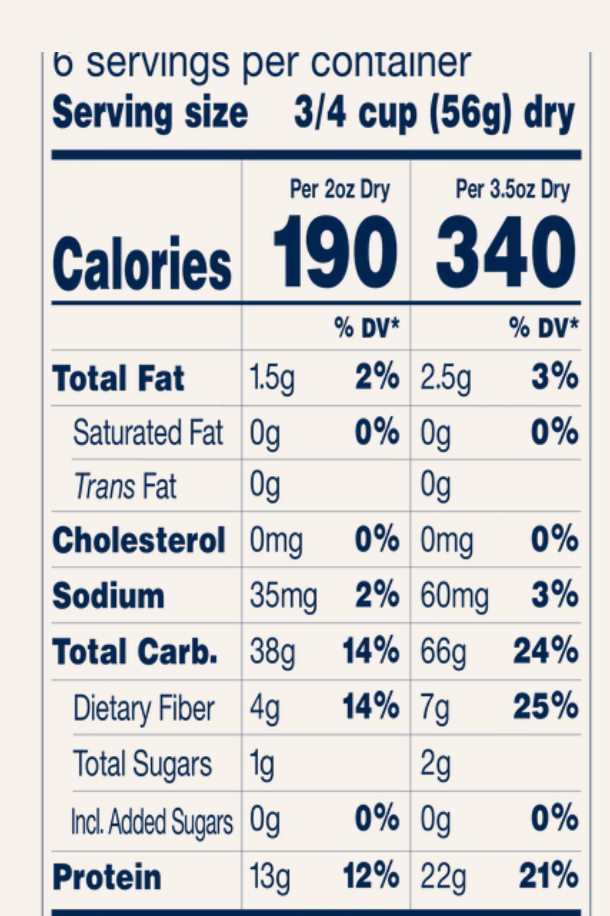

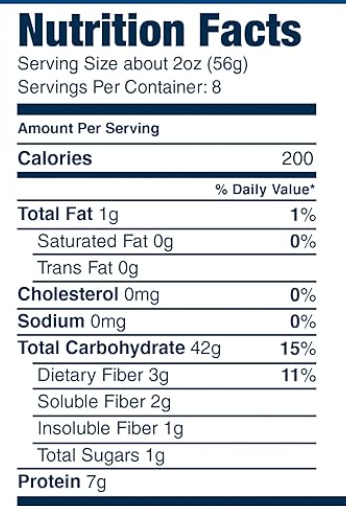
Side by side, the nutrition facts are definitely different. For the same portion size, Banza Wheat Protein Pasta (rotini) offers a full gram more fiber, half a gram more of fat, and nearly twice the amount of protein for about 10 fewer calories than your typical pasta.
But what does that actually mean? According to Manaker, the addition of fiber and protein “can slow digestion and help stabilize blood sugar levels.” This can be beneficial for those with insulin resistance or glycemic issues like diabetes, but it can also assist in prolonged satiety for those who are focused on portion control.
However, she is quick to add that compared to Banza’s original purely chickpea-based pasta, the addition of wheat does increase the carbohydrate content and lowers fiber slightly, which may result in a slightly higher glycemic response.
For me, though, the addition of wheat stabilizes the texture and makes it significantly more pleasurable to eat than the only-chickpea option. Plus, the overall impact on blood sugar will mostly depend on portion size and what else is included in the meal (e.g., vegetables, healthy fats, or protein-rich toppings).
Who is Banza Protein Pasta best for?
Anyone who wants to increase their protein might be curious about including this in their shopping list, but Manaker said the wheat protein pasta is best for, “individuals who struggle to meet their daily protein needs, such as vegetarians, vegans, or those with higher protein requirements (e.g., athletes or older adults).”
As someone who needs to boost their protein in every meal post-bariatric surgery, I found it extremely helpful in reaching my macros, especially since without vegetarian or vegan restrictions I can easily add meats and vegetables for additional protein and fiber.

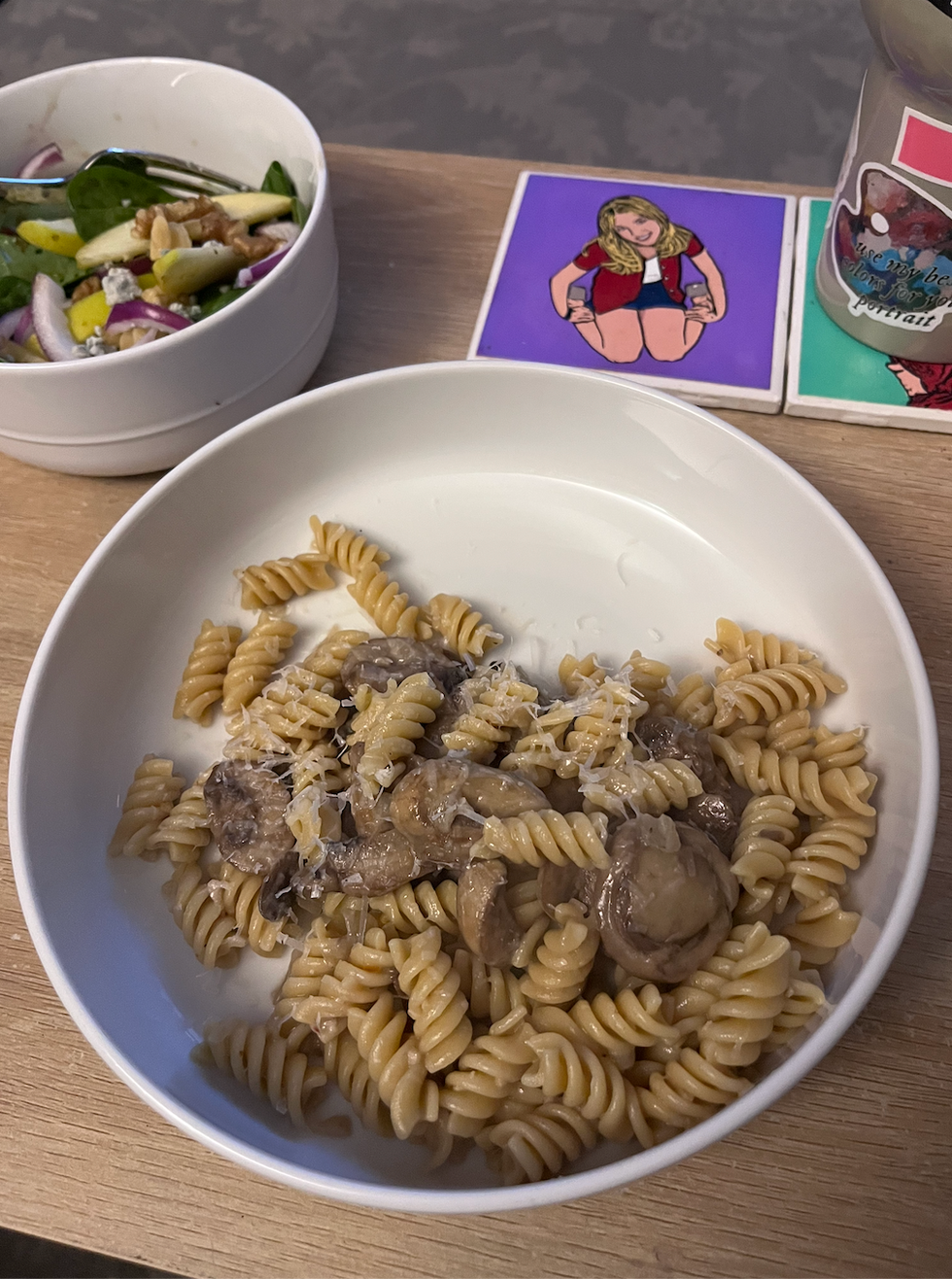
Super delicious and filling protein pasta with mushrooms, chicken sausage, and a side salad. 10/10 would eat again.
Who should avoid Banza Wheat Protein Pasta?
Those who have a gluten intolerance or celiac disease already know anything with wheat in it isn’t for them, but Manaker points out there are a few other individuals who should avoid this product, too. “People watching their sodium intake may not be the best candidate for the mac and cheese option, as it is relatively high in this mineral. Also, those expecting a purely low-carb option won’t love this product, as the addition of wheat increases the carbohydrate content compared to fully legume-based pastas,” she explains.
Bottom line: Is this a pantry staple?
Manaker says if you can consume wheat, the answer is yes. “I would recommend this as a pantry staple for many people,” she tells us. ‘Its high protein and fiber content make it a nutritious choice compared to traditional pasta, and it’s a convenient option for those looking to add more plant-based protein to their diet.”
As a pasta lover, who needs to increase protein intake, Banza’s wheat protein pasta is a new must-have on my grocery list, but for those who don’t need to amp up their protein (Manaker explains that “most Americans don’t have trouble consuming that macro in adequate amounts”), it isn’t something to be avoided but might not be necessary. “ For most people, the protein in this pasta is a helpful addition but not a complete solution for meeting daily protein needs.”
SHOP MORE BANZA PASTA ALTERNATIVES
Read the full article here


