







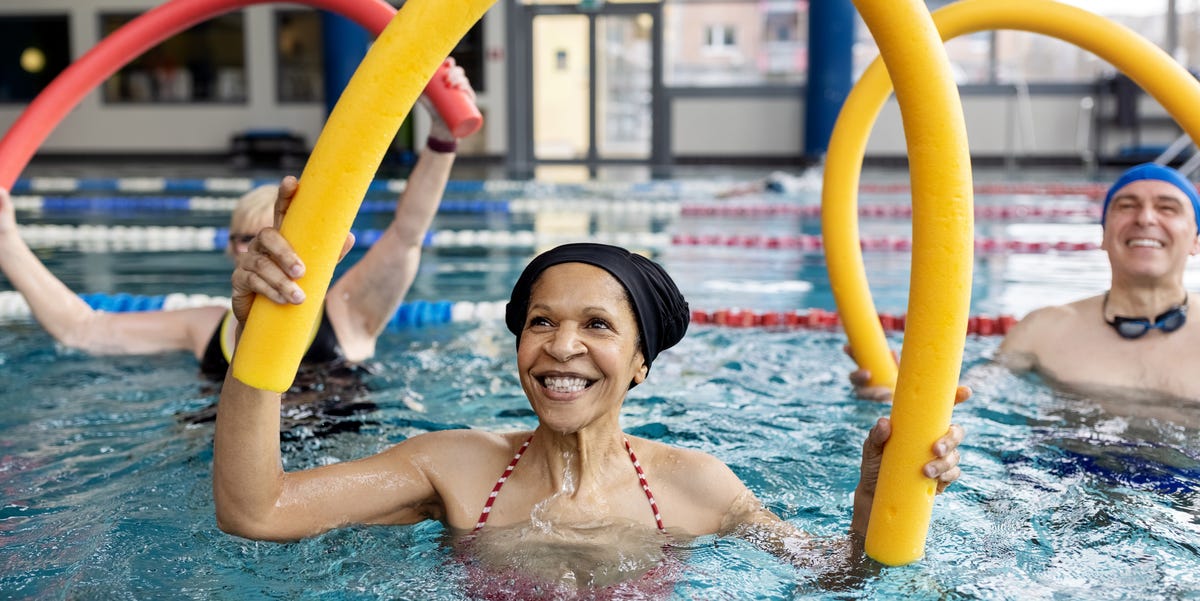
If there’s one thing Rose Cooper doesn’t understand about aging, it’s the people who approach it with an it’s-all-downhill-from-here point of view.
At age 95, Rose has talked to a fair number of folks who’ve said some version of that old trope to her. “I just don’t have that attitude at all,” she says. “I feel lucky to be here, and very hopeful. If something happens, I look on the bright side and figure out what to do next.”
Laura Carstensen, Ph.D., can relate to the idea that there’s a need for an attitude shift about aging. She’s a professor of psychology at Stanford University and founding director of the Stanford Center on Longevity—and she’s tired of the gloom-and-doom outlook based on the fact that life expectancy has been increasing.
For years, she and her colleagues imagined a time when many of us would routinely live to our 100th birthdays. Now demographers estimate that by 2050, that will be the reality. Yet while the increase in life expectancy of nearly 30 years in the 20th century is arguably one of the greatest achievements in human history, it has a lot of people feeling more anxious than excited, says Carstensen.
“Most of the conversations about aging and increased life expectancy focus mainly on coping with an increasingly large number of people who are declining,” she says. “But this white-knuckle approach blocks creative thinking about how living longer could help us live better throughout our lives.”
Carstensen decided to do something about this by launching an initiative called The New Map of Life. Her goal: to write a fresh narrative about longevity and the steps we’ll need to take—individually, and as a society—to enhance the quality of our longer lives. After all, if we’re looking at an average of 30 more years of life than our ancestors had, we want them to be filled with health, happiness, and an upbeat attitude like 95-year-old Rose Cooper’s.
“You can’t achieve what you can’t envision,” says Carstensen. “At some point, I realized that if we’re thinking only about how to reduce the downward slide as we get older and avoid the ‘gray tsunami’ everyone fears we’re in for, we won’t ask the right questions.” With this initiative, Carstensen is reframing the challenges and opportunities of a longer life span. “There’s a tendency to think about aging as inevitably downhill,” she says, “but the evidence is far more mixed.”
Meet the experts: Laura Carstensen, Ph.D., professor of psychology at Stanford University and founding director of the Stanford Center on Longevity; Sofiya Milman, M.D., director of Human Longevity Studies at the Institute for Aging Research at Albert Einstein College of Medicine; Michael F. Roizen, M.D., emeritus chief wellness officer at the Cleveland Clinic and author of The Great Age Reboot: Cracking the Longevity Code for a Younger Tomorrow; Clifford Segil, D.O., a neurologist at Providence Saint John’s Health Center; Joseph Daibes, D.O., interventional cardiologist at Northwell’s Lenox Hill Hospital.
The biggest myths about aging
Carstensen says she doesn’t want to paint an overly rosy picture of aging. After all, biological and physical aging does come with some downsides, and the physical manifestations of aging you may be dealing with can definitely put a damper on a cheery disposition.
Sofiya Milman, M.D., director of Human Longevity Studies at the Institute for Aging Research at Albert Einstein College of Medicine, says one way of thinking about aging is as an accumulation of dysfunction over time—something the body’s cells naturally go through. “At some point you cross a threshold where that accumulation leads to a clinical manifestation of age-related diseases like cardiovascular issues, diminished cognitive function, or even frailty,” she says. Some people cross that threshold much later than others, which Dr. Milman is researching in a brand-new study on “super-agers”—people who’ve reached the age of 95 with no manifestations of disease.
“There’s a lot to learn from these longest-living people,” says Dr. Milman. She is on a mission to answer what she calls the million-dollar question: Why are super-agers able to delay the onset of disease? She and her colleagues hope to mimic the biological pathways they uncover in finding the answer to create therapies for the rest of us—say, a pill to help us stave off age-related diseases as centenarians do. “Super-agers show us that it is within the biology of the human body to live a long and healthy life,” says Dr. Milman.
Carstensen says one of the biggest myths about aging is that people are destined to become unhappy as they age. She calls this “the misery myth” and even teaches the concept to her undergraduate students at Stanford.
“I have so much fun telling my young students, ‘When people tell you these are the best years of your lives, they’re wrong!’ ” she says. One piece of evidence: Stats show that mental health issues are worse for young people. In fact, when Carstensen and her colleagues surveyed people over 50, they found that negative emotions were reported less frequently and less intensely as age increased. “The strong trend is that people get happy as they get older—or at least less sad, less frustrated, and less angry,” she says.
How we can get better with age
So how can we set ourselves up to feel better and better as we get older (or what the Japanese call “yold,” a combination of young and old)? Michael F. Roizen, M.D., emeritus chief wellness officer at the Cleveland Clinic and author of The Great Age Reboot: Cracking the Longevity Code for a Younger Tomorrow, says it’s within reach for us all. “Each of us can extend not only our life span but our health span—how good we feel as we get older—if we take the right steps,” says Dr. Roizen. “And the earlier you start, the more the benefits compound.”
Carstensen agrees, adding that a positive attitude about what’s possible with every birthday is key when it comes to feeling good. “One thing we know now that we didn’t know 25 years ago is that people can thrive in their 80s and 90s, not just survive,” she says. These research-backed strategies are the best place to start.
Exercise regularly
You’ve heard it before, and for good reason: Exercise is key to both physical and mental health. Incorporating some kind of movement into your days will have a major influence on your metabolism, bone and joint health, cardiovascular strength, brain function, and much more. “Being active is a major predictor of longevity,” says Dr. Roizen. “On the flip side, inactivity facilitates death and disability.”
And if you’re feeling more bummed out than exuberant these days, add some weight lifting to your routine: Strength training can significantly reduce symptoms of depression, according to research published in Frontiers in Psychology.
If you’re starting from being sedentary, know that any exercise is better than none, says Dr. Roizen. “Try 60 minutes a day of purposeful movement, which is just a few minutes every half hour you’re awake,” he advises. But meet yourself where you are—if that’s too much a leap, even a few minutes here and there can be the start of a solid movement foundation.
If you already have an exercise routine, kick it up a notch to get even more brain-boosting benefits. Strenuous physical activity (think picking up your go-to walking pace so you’re breathing hard and sweating, or lifting weights that fatigue your muscles after fewer repetitions than you’re used to doing) activates genes that prompt the brain to make brain-derived neurotrophic factor (BDNF), which actually grows your hippocampus—a part of your brain that plays a major role in learning and memory. Higher levels of BDNF are associated with lower risk of dementia and Alzheimer’s.
Focus on healthy eating
We know more now than ever about which foods are health-promoting and which ones are likely to contribute to disease over time. “What we eat also influences how we feel, how active we are, and how well we sleep,” says Carstensen. After years of contradictory diet advice, an overwhelming majority of research shows that for most of us, following a Mediterranean-style diet as we age is a great idea.
One scientific analysis that included data from more than 10,000 people found that those who followed a Mediterranean diet had a significant drop—by 48%—in cardiovascular events compared to those who followed a control diet during the study period, which stretched up to seven years.
The best thing about this diet is how simple it is, says Dr. Roizen. Most of your calories should come from plants (including plant-based fats like olive oil, nuts, and avocados). Rather than red meat, opt for fish. And fill half your plate (ideally more) with fiber-rich vegetables. If you prioritize these foods, this should crowd out added sugars, saturated fats, and simple carbohydrates. Dr. Roizen also suggests eating more early in the day and less later on.
See the doctor regularly—and listen to their advice
Health issues will almost certainly pop up as you get older. Yet if you have a posse of health care pros at the ready before you get a diagnosis, you’ll be able to handle whatever you’re facing with more confidence and less stress, says Dr. Roizen. “And it’s important to actually listen to the advice you’re given,” he adds, pointing to research showing that less than a quarter of people who are prescribed rehab after a cardiovascular incident or procedure actually do it. And many patients won’t ask questions if they don’t understand the medical jargon their provider uses, according to a JAMA Network Open survey.
Having a team of docs you trust and respect can help you have open and honest conversations. That doesn’t mean you shouldn’t get a second opinion, adds Dr. Roizen: “Health and medicine are complicated—especially as you get into serious stuff—so it’s always a good idea to get multiple opinions.”
Stay social
Feeling connected to others is key—and this is especially true as we get older. Research shows that social isolation increases the effects of stress as well as the risk of serious disease and death. One recent review emphasized the importance of feeling valued as opposed to expendable.

Add Prevention as a preferred source in your Google search results.
Use your Google account to add this to your settings.


In 2023, then-surgeon general Vivek Murthy flagged social isolation as an epidemic, noting that it was linked to worse health outcomes in people, including premature death, heart disease, and dementia. “I advise people be social as they age similar to how we would advise play dates for our kids,” says Clifford Segil, D.O., a neurologist at Providence Saint John’s Health Center. “I advise people get together with their families and friends to do things, just as I would advise young adults to do to stay healthy.”
Carstensen’s research shows the value of intergenerational connection in particular. Joanne Weiss, an 85-year-old in Wellesley, MA, says having friends of all ages is one of the reasons she feels she’s thriving. “My friends are mostly younger than me, and they’re from all different backgrounds and nationalities,” she says. “These multigenerational friendships teach me so much—I’m constantly learning.”
Get plenty of sleep
Joseph Daibes, D.O., interventional cardiologist at Northwell’s Lenox Hill Hospital, lists “getting adequate sleep” as one important way to support your heart health as you age. But solid sleep also supports your brain health and other areas of wellness.
Every person’s sleep needs are different, but it’s best to try to get at least seven hours of sleep as an adult, per recommendations from the Centers for Disease Control and Prevention (CDC). In that vein, if you’re having difficulty sleeping or are having symptoms consistent with a sleep disorder, like sleep apnea, it’s important to talk to a healthcare professional to try to figure out what’s going on.
Try to lower your stress levels
Being told to stress less can make you feel more frazzled than before. But taking steps to lower the amount of stress you experience on a regular basis can go a long way toward supporting your health—and mindset—as you age.
“Someone who manages stress more effectively may sleep better, exercise more consistently, make better dietary choices, and be more likely to remain adherent to their medications,” Dr. Daibes says. All of these factors are linked with leading a long, healthier life.
One study published in the journal Translational Psychiatry found that stress aged people faster. But the better people were at being emotionally resilient and having self-control, the less their health was affected by stress.
Keep sex in your life
Sexual function can decrease as we age, whether because of weakened blood flow to the sexual organs or health problems like pain, heart disease, and depression. But that doesn’t mean you should give up on having a satisfying sex life, says Carstensen: “Intimacy doesn’t have to focus solely on intercourse. Being held, touched, and kissed can also reinforce a sense of closeness.”
If you have a low libido, something surprising may be to blame, says Dr. Roizen: high levels of inflammation. In both women and men, inflammation messes with many of the body’s major systems tied to sexual function, from reward signaling in the brain (resulting in decreased desire and inhibited arousal) to levels of sex hormones that help us feel desire and arousal (reduced testosterone in men, lowered estrogen and progesterone in women).
“The most important variable for still having sex at age 75, other than having a partner, is your inflammation level,” says Dr. Roizen, who recommends getting yours checked via a blood test for hsCRP. No matter what the results are, he says, “we can lower our inflammation by taking care of ourselves through exercise, diet, some supplements, and other positive lifestyle changes.”
No partner? No problem. Research shows that masturbating can help improve your sleep, mood, and self-esteem—and even your outlook on life.
Rethink retirement
When Carstensen daydreams about how life might look when more of us routinely reach our 100th birthdays, one of the things that excites her most is ditching the concept of working 40 to 50 hours a week until we’re 65 or so and then retiring to the golf course or the tennis courts. Instead, what if we worked a little less throughout our lives and were able to keep working into our 70s and 80s?
What if our careers allowed for more ebb and flow, enabling us to work fewer hours when our kids were young, hit it hard again as they got older, and then slow down (but not completely) as we aged—say, working 10 hours a week during the later decades?
“Our longer life spans mean we have more time to separate raising our children and reaching the peak of our careers—those don’t have to happen at the same time,” says Carstensen. “We have an opportunity to have really creative, imaginative discussions about what our work life might look like over the course of a 100-year life.”
Of course, some careers lend themselves better than others to part-time work as people age. For example, Carstensen sees herself teaching well into her 80s, albeit fewer classes than she teaches now. If your job involves physical labor, something similar may not be possible.
However, you can still stay engaged by finding something to do that keeps you feeling productive and valued, says Carstensen. “If we gave up the old model of retirement and worked less through our lives but worked throughout our lives, I think all of us—both young and old—would be happier.”
Try to set up your finances
How much money you have (or don’t have) as you get older has the potential to lead to happy-making freedom or misery-inducing stress. And our longer life spans mean it’s more crucial than ever before to plan financially for a long future. This means the number one thing you can do is save—and then save some more, says Dr. Roizen.
Experts can help you create a plan to save early and often—and to make sure your long-term financial health is looking good. Even if you can’t hire someone right now, doing the basics will help you make progress, says Dr. Roizen. “Saving money is like healthy eating and exercise,” he says. “You can’t start too soon, and when in doubt, do more of it.”
Start now
Healthy changes work the same way retirement savings do: The sooner you begin, the more benefits you’ll reap as you get older. “Simply pick one or two things that feel easy for you to start with and do those,” Dr. Roizen says.
Carstensen agrees, adding that even the smallest shifts can have big payoffs. “We know that changing how we live changes how we age,” she says. In fact, the biggest lesson researchers have learned over the past 25 years of studying aging is that how we age is malleable. Says Carstensen: “We are capable of being healthier, more mentally agile, and able to do much more than old people of the past.”
Read the full article here


