







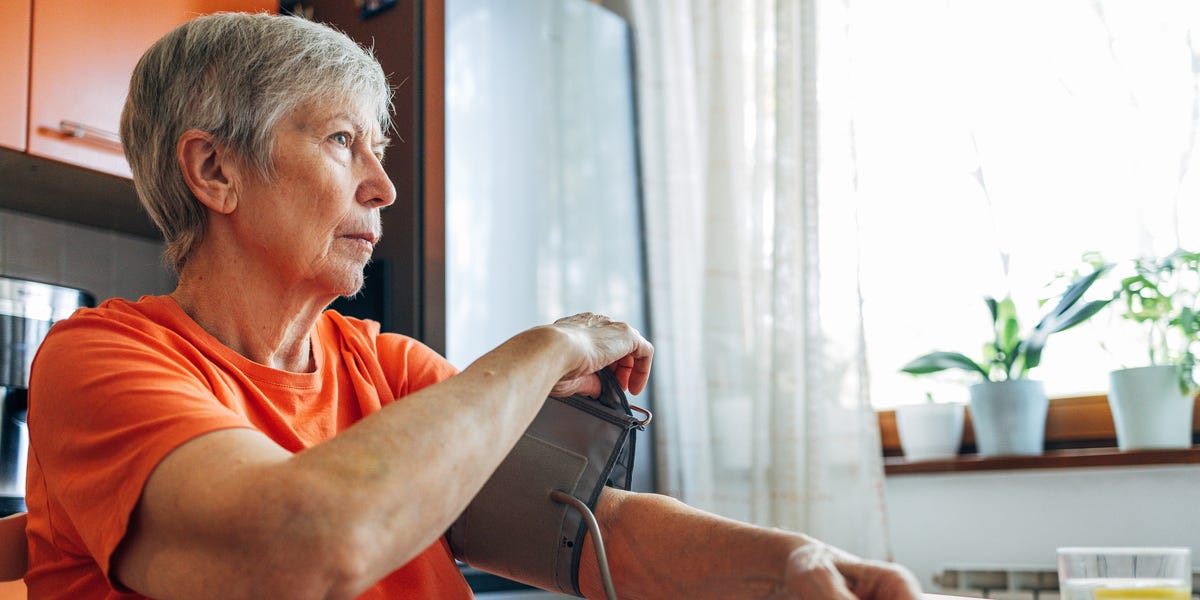
Hypertension, also known as high blood pressure, is one of the leading causes of morbidity and mortality around the world, says Cliff Berger, M.D., F.A.C.C., chief of cardiology at Beth Israel Deaconness Hospital-Needham and instructor of medicine at Harvard Medical School. “It affects about 45% of adults in the United States,” he adds. “What’s concerning is that about half of people with hypertension do not have adequate blood pressure control, which can increase the risks of heart attack, stroke, and kidney disease. It is important to treat high blood pressure at any age.”
Meet the Experts: Cliff Berger, M.D., F.A.C.C., chief of cardiology at Beth Israel Deaconness Hospital-Needham and instructor of medicine at Harvard Medical School; and Amar Shere, M.D., a cardiologist specializing in non-invasive cardiology at Hackensack University Medical Center.
Even with the help of medications, some people may struggle to keep their numbers out of hypertension, which is defined as a systolic blood pressure over 130 or a diastolic pressure over 80 beats per minute. That’s where lifestyle factors like diet and exercise can come into play. And according to a new study, two specific exercises can help lower blood pressure within 24 hours. Below, experts weigh in on the findings.
What did the study find?
The study, published in the British Journal of Sports Medicine, was a large-scale systematic review and meta-analysis that collected data from 31 other studies about exercise and high blood pressure, and pooled statistics from 1,345 people with hypertension. Researchers looked at different types of movement, including aerobic exercise, high-intensity interval training (HIIT), combined training, and pilates, and found two to be the most effective at reducing blood pressure.
Researchers found that aerobic exercise (i.e. jogging or cycling) plus resistance training (i.e. lifting weights) as well as HIIT, significantly reduced both systolic and diastolic blood pressure in people with hypertension over a 24-hour period.
High intensity interval training, aerobic training, or both performed over a four-week period was effective at lowering both systolic and diastolic blood pressure by meaningful levels. “This study simply confirmed what multiple other studies have shown regarding the benefits of exercise on high blood pressure,” says Dr. Berger.
How exercise lowers blood pressure
“Exercise helps lower blood pressure in a few key ways,” says Amar Shere, M.D., a cardiologist specializing in non-invasive cardiology at Hackensack University Medical Center. “Aerobic exercise, for instance, improves the health of your blood vessels by making them more flexible. This allows blood to flow more easily, reducing the pressure on your arteries.” Dr. Shere adds that exercise also helps regulate your nervous system, which leads to lower blood pressure.
Intentional movement like resistance and aerobic training can also make beneficial changes in insulin sensitivity, inflammation, and oxidative damage, Dr. Berger adds, all of which can contribute to healthier blood vessels and, therefore, freer flow of blood through your veins.
The bottom line
“My main takeaway is that we now have stronger evidence to recommend specific exercise routines for managing high blood pressure,” says Dr. Shere. “This study is important because it looked at blood pressure over a full 24-hour period, which gives us a much better picture of a person’s true blood pressure than a single reading in the doctor’s office.”
While yes, it could be a good idea to up the resistance and aerobic training based on this study’s findings, Dr. Shere notes that all exercise is progress toward a healthier vascular system. “The most important thing is to find a type of exercise you enjoy and can stick with consistently for long-term health benefits,” he says.
Other well-researched non-pharmacologic interventions for high blood pressure include eating a low-sodium diet, reducing alcohol intake, improving sleep quality, and reducing exposure to noise and air pollution, says Dr. Berger. He recommends talking to your doctor, who can help you find a balance of realistic, efficient, and healthy interventions for you, which may or may not include medication.
Read the full article here


