







Sponsored by Insmed Incorporated
Imagine trying to live a normal life when you can’t stop coughing or you’re too breathless to walk. For many people living with bronchiectasis, that’s the reality they face every day. Recurring respiratory symptoms can make it difficult to work, exercise, travel, or even spend time with loved ones, causing their interactions to gradually grow smaller.
Bronchiectasis is a serious and chronic lung disease that can get worse over time. It can cause inflammation and infection in the walls of the airways, making them thicker and preventing the lungs from clearing mucus effectively. Approximately 500,000 people in the United States are currently diagnosed with bronchiectasis and experts believe many others may be living with the disease without knowing it.
Despite the challenges, there’s reason for optimism. Getting the right diagnosis and treatment plan can help people with bronchiectasis manage the disease and move forward. Three women shared with Prevention how they navigated the road to diagnosis, advocated for answers, and considered treatment with BRINSUPRI® (brensocatib)—which is the first and only FDA-approved treatment for non-cystic fibrosis bronchiectasis, approved in August 2025. Read their inspiring stories below.
INDICATION
BRINSUPRI is a prescription medicine used to treat non-cystic fibrosis bronchiectasis (NCFB) in adults and children 12 years of age and older. It is not known if BRINSUPRI is safe and effective in children under 12 years of age.
IMPORTANT SAFETY INFORMATION
Before taking BRINSUPRI, tell your healthcare provider about all of your medical conditions, including if you:
- have recently received or are scheduled to receive any live attenuated vaccinations.
- are pregnant or plan to become pregnant. It is not known if BRINSUPRI will harm your unborn baby.
- are breastfeeding or plan to breastfeed. It is not known if BRINSUPRI passes into your breast milk. Talk to your healthcare provider about the best way to feed your baby during this time.
Tell your healthcare provider about all the medicines you take, including prescription and over-the-counter medicines, vitamins, and herbal supplements. Do not change or stop your medicines unless your healthcare provider tells you to.
Meet the women living with non-cystic fibrosis bronchiectasis

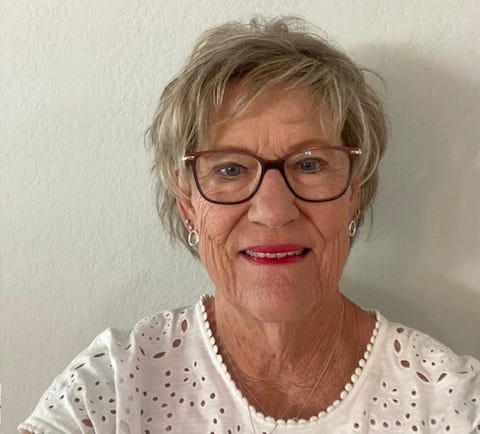
Cindy was compensated for her time
Cindy, 71, is a retired elementary school principal from Arizona. Cindy experienced coughing, breathing difficulties, and other respiratory symptoms for over 35 years before receiving a bronchiectasis diagnosis in 2021. She enjoys gardening, exercising, church ministry, and spending time with her husband, children, and three grandchildren.

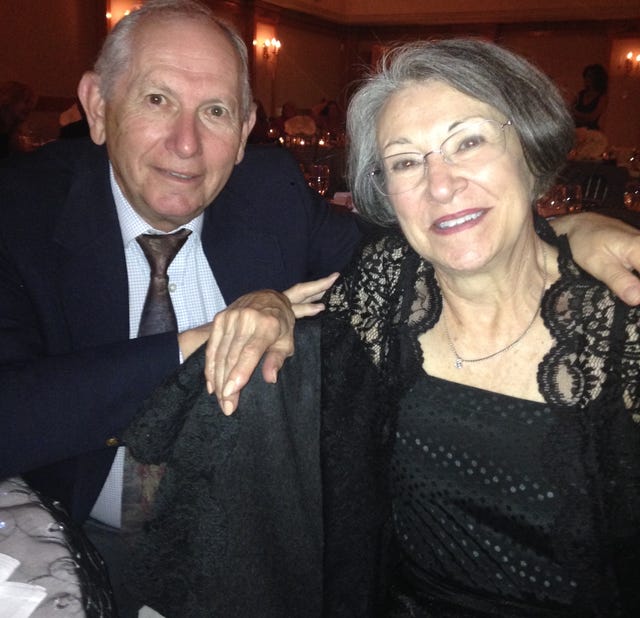
Jane was compensated for her time
Jane, 80, is a retiree living in the greater New York City area. Jane spent nearly two decades searching for answers before learning she had bronchiectasis in 2016. She fosters her love of the arts by attending Broadway shows, the opera, and ballets with her husband.


Sheri was compensated for her time
Sheri, 65, is a retired retail worker from Illinois. After years of recurring pneumonia and a persistent cough that kept her close to home—and several incorrect diagnoses—Sheri was diagnosed with bronchiectasis in 2025. She enjoys traveling, working out, and spending time with her husband, three daughters, and five (soon to be six) grandchildren.
Interviews have been lightly edited for clarity and concision.
Prevention: Before your bronchiectasis diagnosis, what challenges did your symptoms create in your daily life?
Cindy: My challenges were related to the mucus coming up in my lungs. When I was very active, when I laughed too hard, or coughed too much—there was mucus, mucus, mucus. Then, when I coughed really badly, I couldn’t stop, which was embarrassing for me.
Jane: Before I finally was diagnosed with bronchiectasis, my daily life activities were dependent on when I had flare ups. It was impossible to plan occasions with any certainty that I would be able to participate. It was very disappointing to have to cancel at the last minute, which became more frequent as my symptoms increased. I started to feel sure that this would be my life going forward.
Sheri: I kept getting recurrent pneumonia. I missed many family milestones and friends’ celebrations, like big birthdays and bridal showers. I spent days inside the house—I couldn’t go outside to enjoy beautiful weather. I also remember having to move our Thanksgiving dinner to my daughter’s home when I didn’t have the strength to host or cook.
Prevention: How did you feel when you finally received the right diagnosis?
Cindy: After nearly 40 years of unexplained symptoms and doctors telling me they couldn’t figure out what was wrong, it was such a relief to finally have an answer. My aha moment is when my new pulmonologist said, “You have bronchiectasis.” After so many diagnoses and years of uncertainty, we finally had a name, and we could make a plan!
Jane: I’ll always remember the day I was given the proper diagnosis of bronchiectasis. It was as if a great weight was lifted from my shoulders. I still wasn’t sure if there was a treatment, but just knowing there was a diagnosis filled me with hope. Having wonderful doctors and their teams supporting me and feeling that happiness was wonderful!
Sheri: When I heard I had bronchiectasis, I was on my seventh pneumonia episode. At that point, my team of doctors had not heard of any drug that could help me. I was relieved to finally have a diagnosis, but frustrated that no treatment was recommended. What’s more, I had lost twelve pounds and felt weak and tired.
Prevention: What has your journey from diagnosis to treatment looked like?
Cindy: With BRINSUPRI and a correct diagnosis, I can laser focus on managing my bronchiectasis and after speaking with my doctor, I made sure to research the treatment myself before starting, so I felt informed and prepared going into it. Although my health journey of almost 40 years has been long, I’m now more than 10 months into treatment with BRINSUPRI.
Jane: It took four pulmonologists before I finally got a diagnosis, but since starting BRINSUPRI, I have experienced fewer flares. This isn’t everyone’s story, but it is mine. I look forward to each day with joy!
Sheri: Getting the right bronchiectasis diagnosis in the years between my many diagnoses and treatment was a long road. When I found the right care team and they recommended BRINSUPRI, I knew I had to find the courage to try it.
IMPORTANT SAFETY INFORMATION (cont’d)
BRINSUPRI may cause serious side effects including:
- Skin problems. Tell your healthcare provider about any new skin symptoms. Your healthcare provider may send you to a dermatologist for an examination, if needed.
- Dental problems. Get regular dental checkups while taking BRINSUPRI. Brush and clean your teeth as recommended by your dentist. Tell your healthcare provider and contact your dentist if you experience new gum (gingival) or teeth (dental) symptoms.
Prevention: How have your family, friends, and the broader bronchiectasis community supported you?
Cindy: My family and friends are my go-tos—supportive, reactive, and listening. My husband is my best friend.
Jane: This medical journey has brought me closer to family and friends. I can feel their support and happiness whenever we’re together. I also have great appreciation for the many people I’ve learned to depend on for help. I know there are healthcare experts in the bronchiectasis community who are available at any time and are just a phone call away. They’re all caring, knowledgeable, and reliable—I consider them my new friends.
Sheri: I’m very lucky to have a wonderful, close-knit family. I’m also very lucky to be a part of a local support group for others with bronchiectasis. We’re there to support each other and learn from each other.
Prevention: What advice can you give other people who may be experiencing possible bronchiectasis symptoms, as well as those who have been diagnosed?
Cindy: Don’t give up! Journal your symptoms, express to your doctors what you’re feeling and how you’re feeling. Be exact: how often, when it occurs, what it does to your daily life. Be your own best advocate—and if you’re interested in exploring treatment, ask your doctor about the options that may be right for you.
Jane: I hope others experiencing possible bronchiectasis symptoms will keep searching for a proper diagnosis. I want them to have the same opportunity I’ve been given. That can only happen if you advocate for yourself and stay involved in treatment decisions with your doctors.
Sheri: Reach out to your pulmonologist to dig deeper into your symptoms. If you think you might have bronchiectasis, ask for chest CT scans and sputum samples regularly. Get a complete workup. If the doctor you’re seeing doesn’t have answers, don’t be afraid to seek another perspective—especially from a pulmonologist with experience in bronchiectasis.
What is BRINSUPRI?
BRINSUPRI is a prescription medicine used to treat non-cystic fibrosis bronchiectasis (NCFB) in adults and children 12 years of age and older. It is not known if BRINSUPRI is safe and effective in children under 12 years of age.
IMPORTANT SAFETY INFORMATION (cont’d)
Common side effects of BRINSUPRI
The most common side effects of BRINSUPRI include upper respiratory tract infection, headache, rash, dry skin, small areas of skin thickening (hyperkeratosis), and high blood pressure (hypertension).
Less common side effects include abnormal liver blood test, hair loss (alopecia), and skin cancers.
These are not all of the possible side effects of BRINSUPRI.
Call your doctor for medical advice about side effects. You may report side effects to the FDA at 1-800-FDA-1088 or www.fda.gov/medwatch.
Please see full Prescribing Information and Patient Information.
PP-BRIN-US-00754
Read the full article here


