







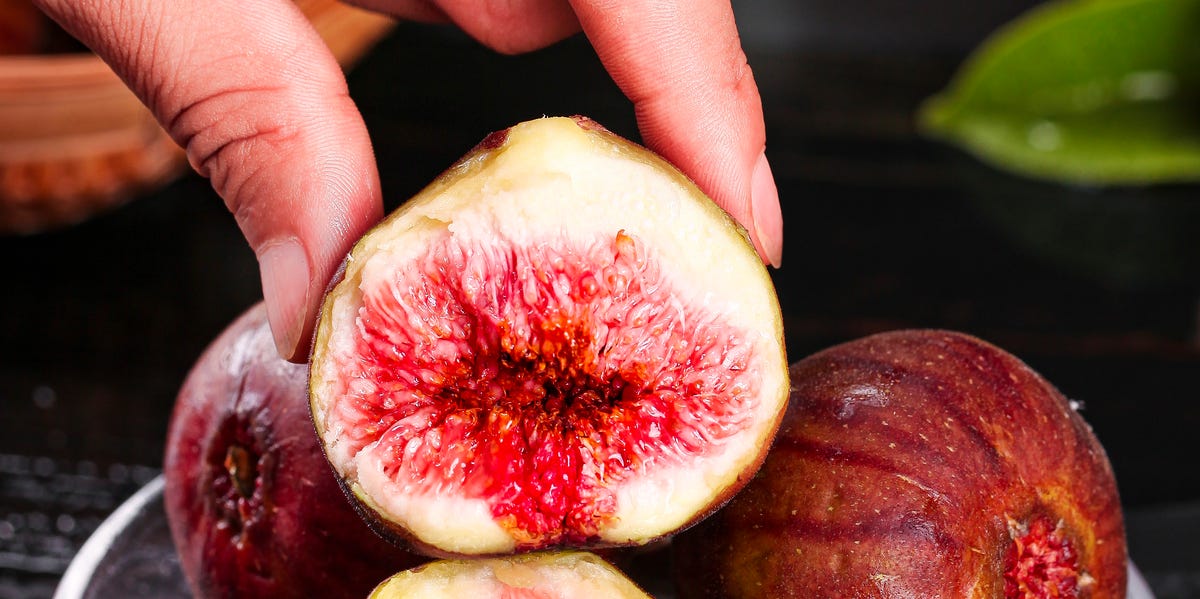
Figs and dates don’t get nearly as much attention as blueberries or pomegranates, yet they’ve been a staple of healthy diets for years and years, and for good reason. Both are naturally sweet, fiber-packed, and loaded with plant compounds that nutrition researchers get pretty jazzed about. But if you’ve ever grabbed one off a charcuterie board and wondered whether one is a smarter choice than the other, that’s a fair question worth answering properly.
Few foods have quite the legacy these two do. Figs turn up in ancient texts and religious scripture; dates have so many health benefits that they were once called the “tree of life” for their ability to sustain entire desert communities. That’s a long résumé. But millennia of tradition don’t tell you which one belongs in your healthy smoothie or your afternoon snack rotation.
Neither fruit deserves to be dismissed, but depending on what you’re looking for, one may serve you better than the other. The breakdown below cuts through the noise to reveal which is healthier, figs or dates.
Meet the expert: Lauren Manaker, M.S., R.D.N., L.D.
Figs Vs. Dates: Nutrition
Both fruits deserve a spot on your next charcuterie board, but figs and dates have different nutritional profiles.
Figs Nutrition
According to the United States Department of Agriculture (USDA), two medium fresh figs contain:
- Calories: 74 cal
- Carbohydrates: 19.2 g
- Sugars: 16.3 g (0 g added sugars)
- Fiber: 2.9 g
- Protein: 0.75 g
- Potassium: 232 mg
- Calcium: 35 mg
- Magnesium: 17 mg
- Phosphorus: 14 mg
- Iron: 0.37 mg
- Manganese: 0.128 mg
Dates Nutrition
According to the United States Department of Agriculture (USDA), one serving of Medjool dates (2 dates) contains:
- Calories: 133 cal
- Carbohydrates: 36 g
- Total sugars: 32 g (0 g added sugars)
- Fiber: 3.22 g
- Protein: 0.87 g
- Total fat: 0.07 g
- Potassium: 334 mg
- Calcium: 30.8 mg
- Magnesium: 26 mg
- Phosphorus: 29.8 mg
Health Benefits of Figs
Figs are packed with a variety of anti-inflammatory antioxidants that contribute to good overall health and healthy aging, and they also stand out for their mineral content, which is higher than that of some of the healthiest fruits—potassium, calcium, magnesium, and iron are all well-represented in figs, which suggests that eating them can help support:
Eye Health
Figs contain an array of antioxidants, including polyphenols and carotenoids such as beta-carotene and lutein + zeaxanthin, which makes them a great food for eye health and may help prevent age-related vision issues such as macular degeneration.
Heart Health
Figs contain a variety of nutrients that support a strong heart and can help keep heart disease risk factors at bay. For instance, antioxidants can help you keep chronic inflammation under control—and inflammation is something that can lead to chronic diseases such as heart disease down the line if it’s not managed.
Digestion
The fiber in figs supports smooth digestion and overall gut health, as your gut microbiome relies on a balance of good and bad bacteria, and the fiber in figs helps fuel the good gut bugs that live there.

Add Prevention as a preferred source in your Google search results.
Use your Google account to add this to your settings.


Health Benefits of Dates
Dates are another high-fiber food, and they also contain a variety of anti-inflammatory antioxidants that help protect cells from oxidative stress, which contributes to good overall health and healthy aging.
Heart Health
Studies suggest that regularly eating dates may help protect the heart, thanks in part to their fiber and polyphenol content. More research is needed, but dates can be one piece of a heart-friendly diet.
Balanced Blood Sugar
Despite being intensely sweet, research shows that dates have a lower-than-expected glycemic index, suggesting they may affect blood sugar more gently than their taste implies. Portion still matters, though, so be mindful when munching.
Gut Health
Dates contribute a decent dose of fiber to the diet and support a healthy, well-functioning gut microbiome—and that helps support so many aspects of good overall health and healthy aging, from immunity to digestion to mood.
Energy
Their concentrated natural sweetness makes dates a smart whole-food alternative to processed snacks when you need a boost before a workout or during that mid-afternoon slump. They’re also a popular swap for refined sugar in baking and smoothies.
Liver and Kidney Support
Studies suggest that dates may have protective effects on the liver and kidneys, thanks in part to their antioxidant and anti-inflammatory activity. Most of this research is still early, but the findings are encouraging.
Figs Vs. Dates: Which Is Healthier?
There’s no single winner here—figs and dates each offer their own mix of nutritional benefits. If you want a quick natural energy boost, a pre-workout snack, or a refined sugar substitute in recipes, dates are a great pick. If you’re after more minerals, a richer antioxidant profile, or digestive support, figs have a slight edge.
The least dramatic but most sensible takeaway? You don’t have to choose. Rotating both into your meals means you get the benefits of each. You get the minerals and pigments of figs along with the fiber and polyphenols of dates. In the end, variety matters more than picking a perfect fruit, and figs and dates both have enough to offer to earn a spot in the rotation.
Read the full article here


