







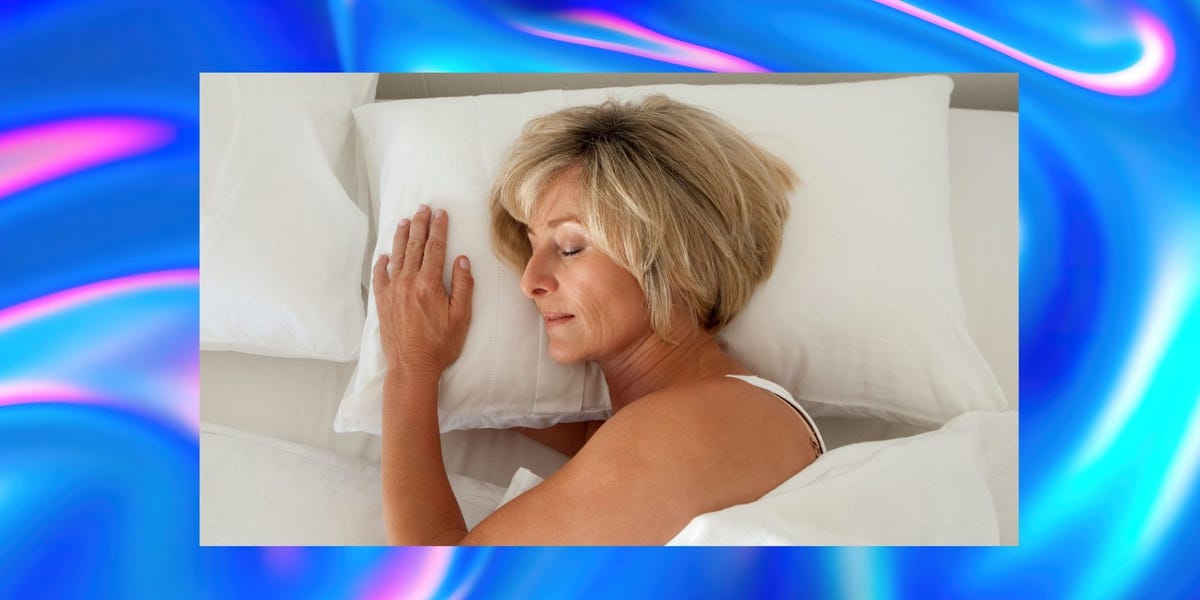
If you have difficulty sleeping, you’ve likely heard time and time again that creating an optimal bedroom environment for sleep is key. But not all of us have the time or energy to repaint our walls a warm and serene color (we are tired already!), get rid of excess clutter in our space, or heaven forbid remove electronics that emit any blue light. Yes, there are tons of ways to improve your sleep hygiene, but which of them are the easiest and most effective?
After sitting down with Dr. Raj Dasgupta, M.D., FACP, FCCP, FAASM (and Prevention Medical Review Board sleep expert), I learned that there are several easy bedroom upgrades that can drastically improve anyone’s sleep quality. Here are his tips below.
Choose a mattress for your sleep type.
“Your sleep position determines where your body carries weight and how your spine curves overnight. If the mattress does not match that position, you can develop strain over hours of sleep,” Dr. Dasgupta tells us. That means, even if you have the most luxurious mattress in the world, if it isn’t keeping you supported and aligned in your chosen sleep style, you are working against yourself, rather than with it. “Comfort is usually subjective, but spinal alignment is not, so it is important to think about when purchasing a mattress,” he adds.
Dr. Dasgupta recommends the following mattress types for each of the sleep positions:
- Side Sleepers should opt for a medium-soft to medium mattress (like editor-favorite Saatva Classic), which allows their shoulder and hip to sink into the surface while keeping the waist and legs supported.
- Back Sleepers will do best with a medium to medium-firm mattress (the Sealy Posturepedic is a top-ranked) that helps support the natural curve of the lower back.
- Stomach Sleepers need a firm mattress to prevent their pelvis and hips from sinking and putting too much stress on the lower back. (Sterns & Foster Estate mattress ranks high among our sister magazine, Good Housekeeping’s tests.)
Best for Side Sleepers

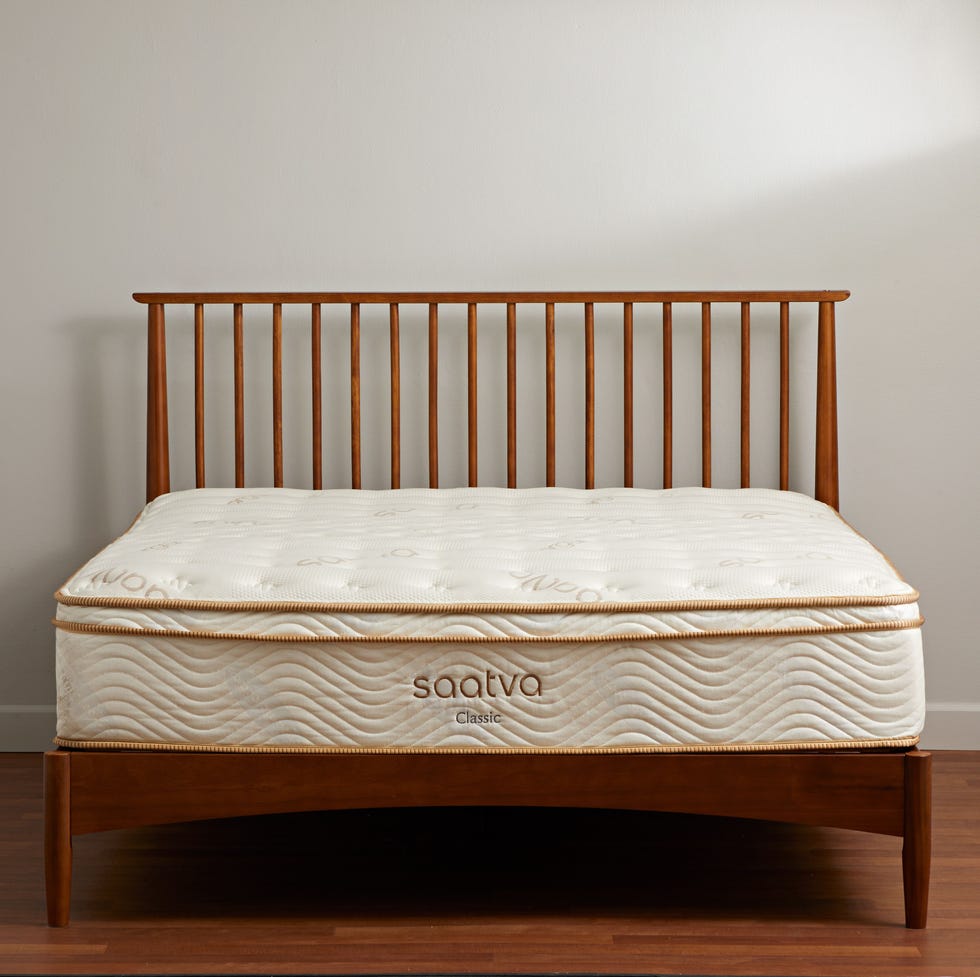
Saatva Classic Mattress
Now 14% Off
Best for Back Sleepers

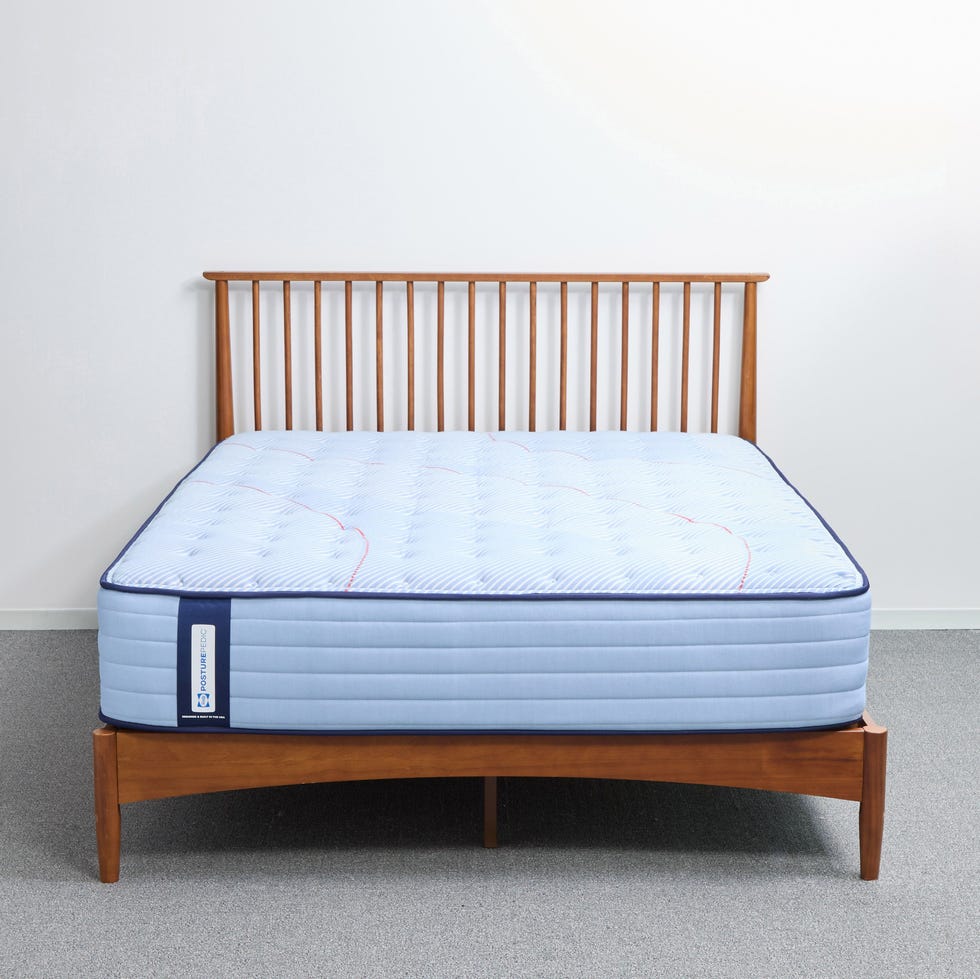
Sealy Posturepedic Spring Mattress
Best for Stomach Sleepers
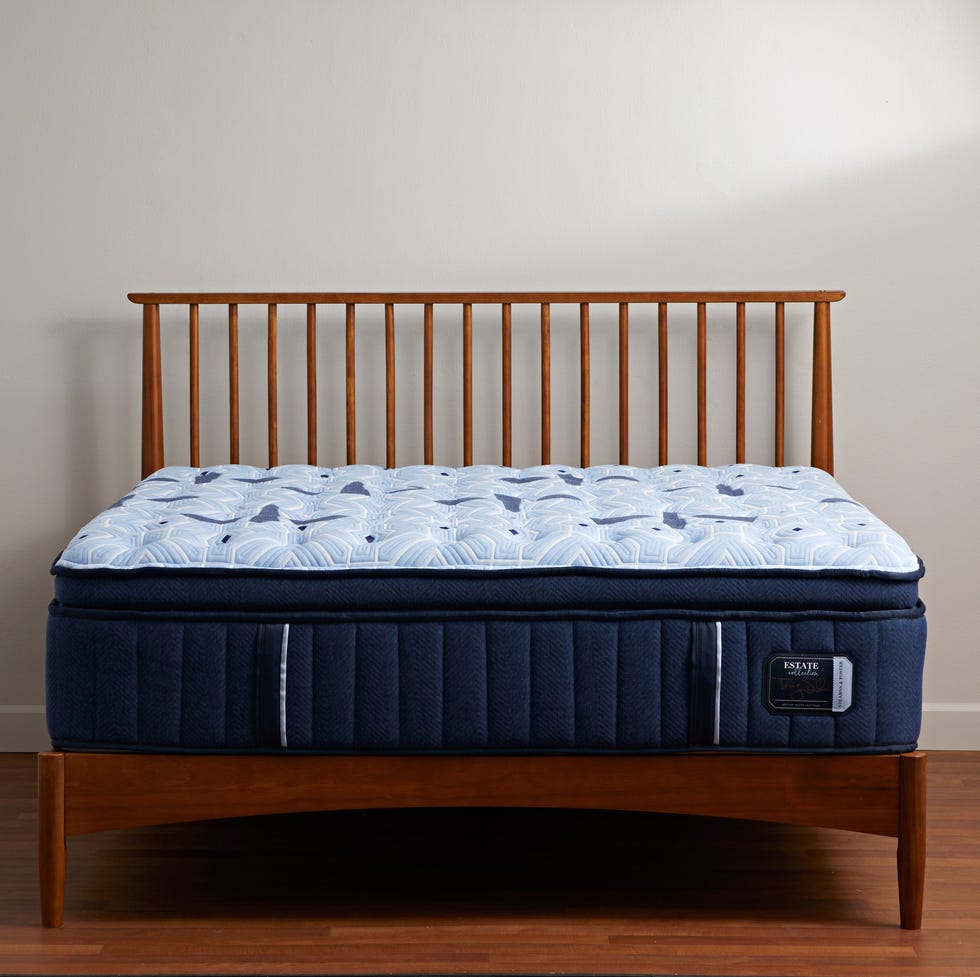
Stearns & Foster Estate Mattress
Replace your pillow more often than you think.
Dr. Dasgupta warns if you have a pillow that is flattened out, “no longer returns to shape after you fold it,” or you find yourself “needing to stack pillows or place your arm underneath your head to feel comfortable,” it’s probably time to get a new one.
“The right pillow reduces strain on muscles and joints overnight. When alignment is correct, the neck muscles can relax instead of working to hold the head in position for hours,” he tells us. And much like your mattress, the type of pillow you need also depends on how you sleep. “The right height, often called loft, matters more than brand or material. The pillow should fill the space between your head and the mattress without forcing your neck into flexion or extension.”
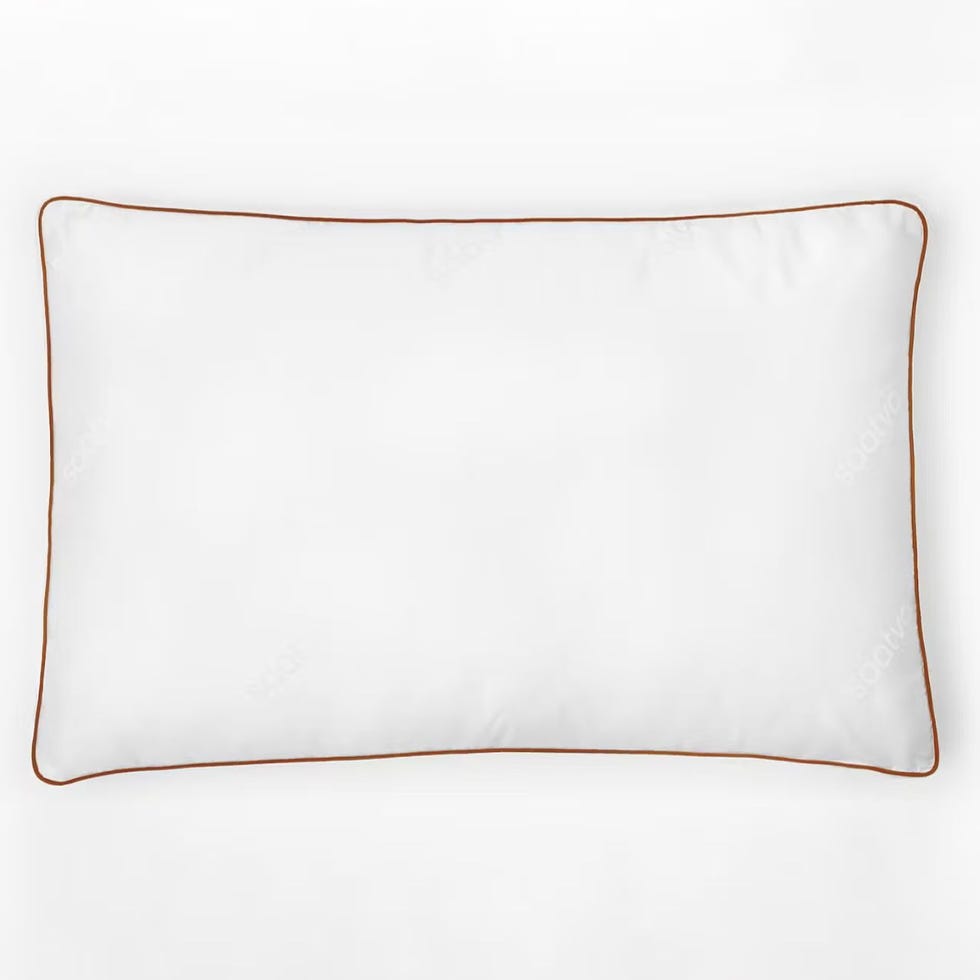
- Side Sleepers should look for a higher loft pillow to fill the space between their shoulder and their head.
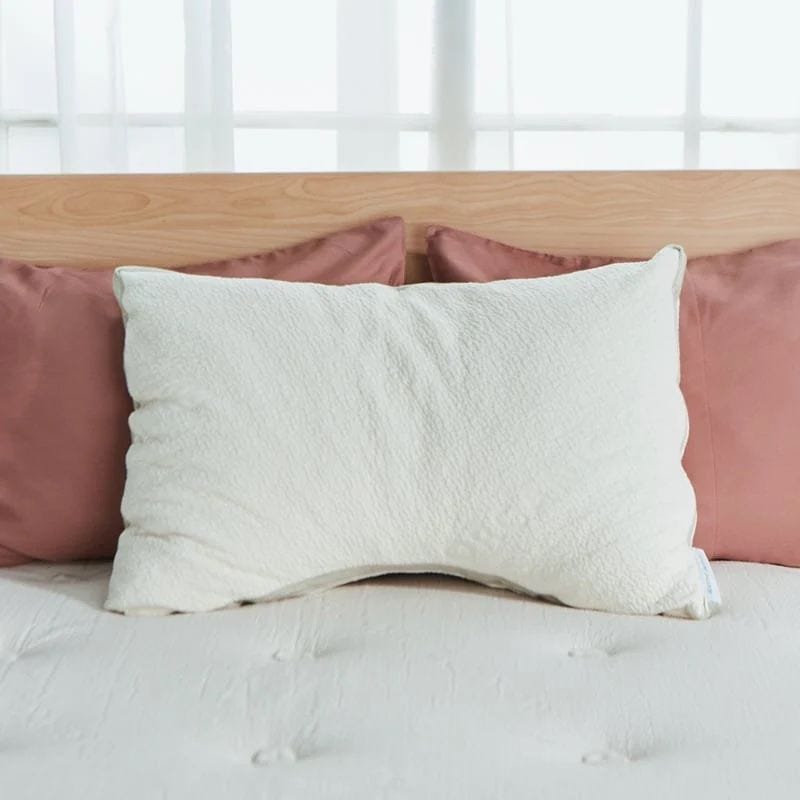
- Back Sleepers do best with a medium loft, and a contoured design can help. (Our editor’s choice is the Avocado Green pillow).
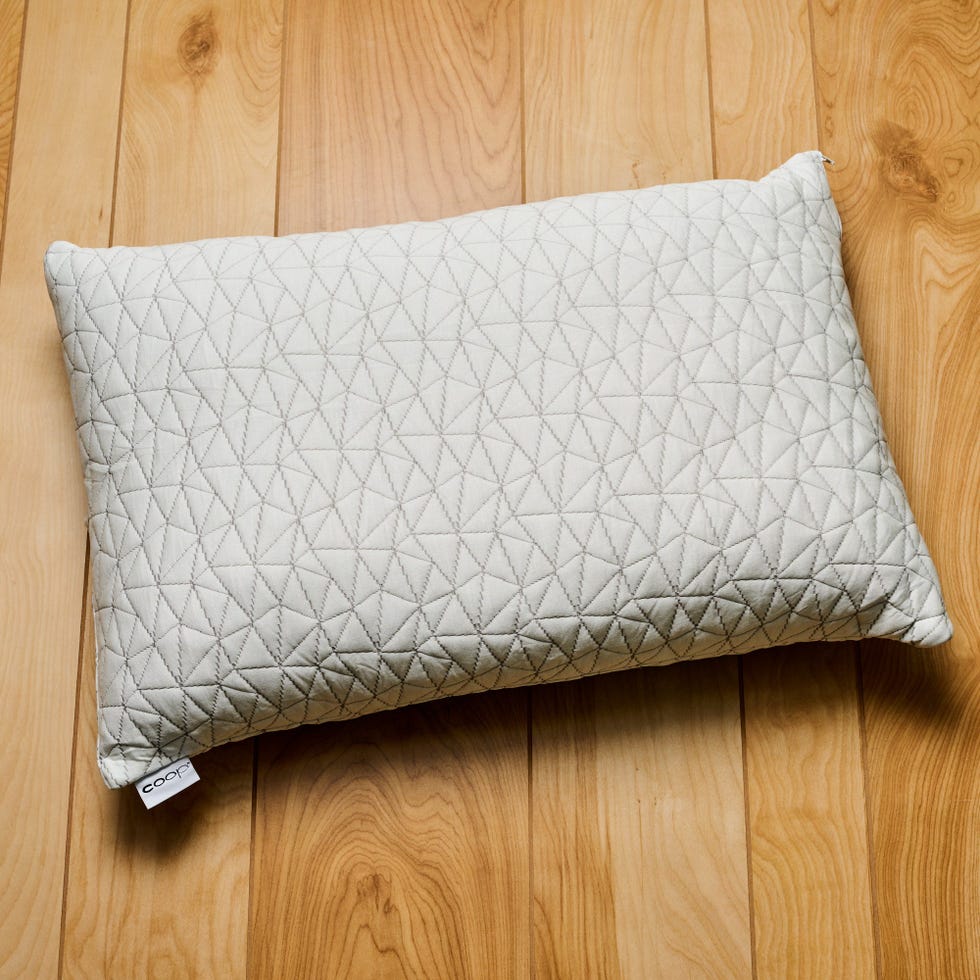
- Stomach Sleepers need a low loft or often no pillow at all. Lifting the head in this position can create too much strain on the cervical spine, but finding the perfect level can be achieved with an adjustable pillow (like our favorite from Coop).
High Loft

Medium Loft

Adjustable Loft

Stay cool.
“Sleep onset is tied to a drop in core body temperature. A cool environment helps that process and makes it easier to fall asleep,” Dr. Dasgupta explains. The ideal room temperature for an average adult for great sleep is between 60 and 67°F, but if you are unable to get the thermostat that low, there are several products that can help.
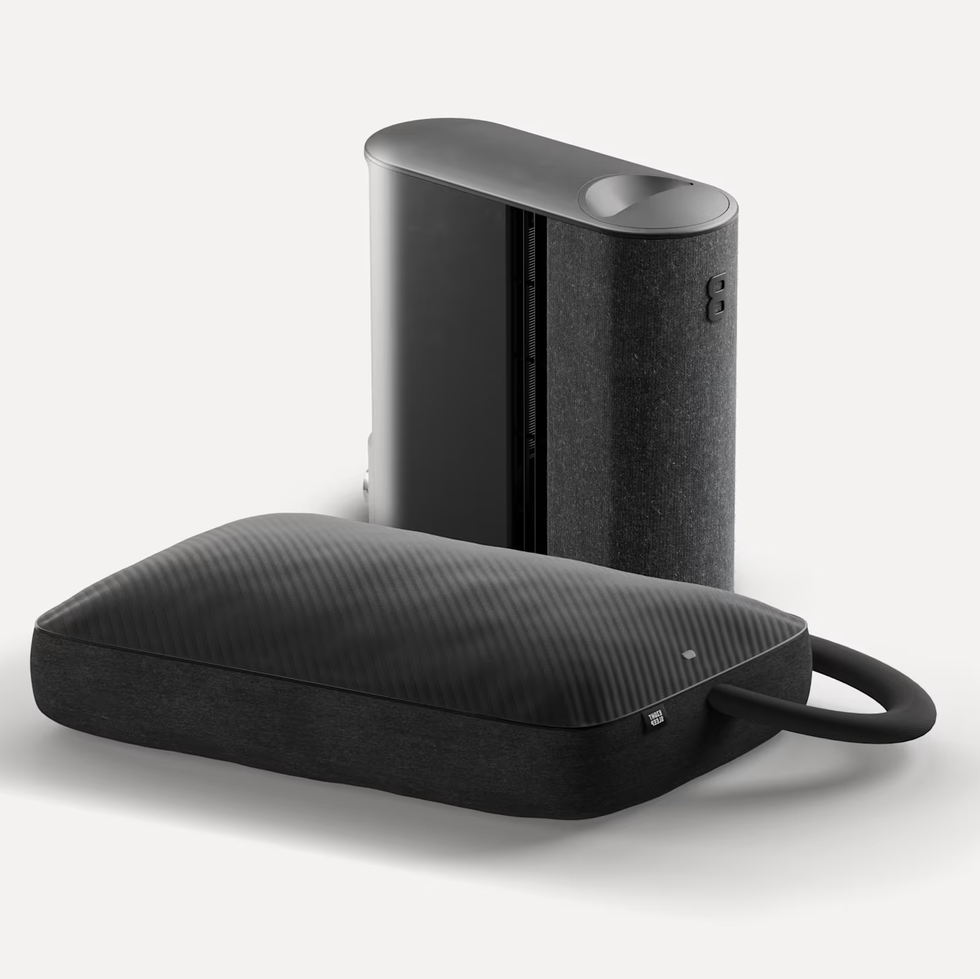
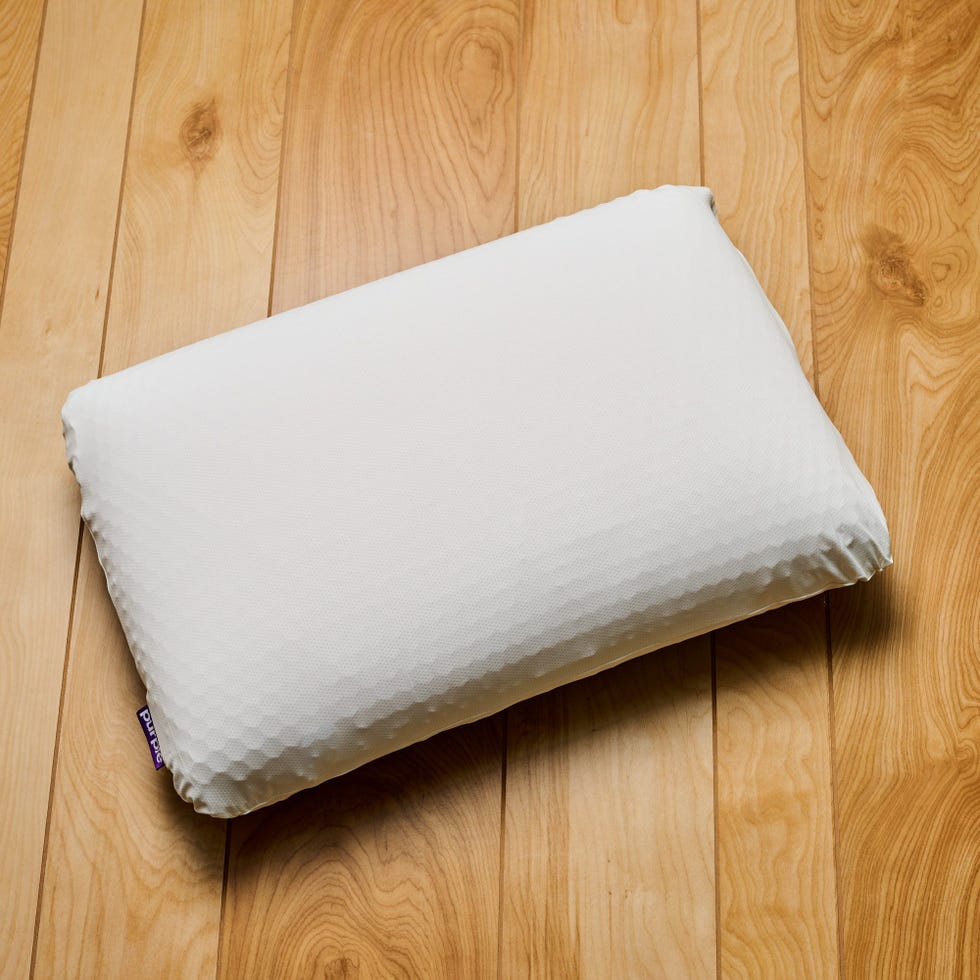
From the bottom up: cooling mattresses, mattress pads, and pillows are a great place to start (our editors love the Leesa Sapira Chill and the Purple pillow, respectively). Then, make sure you are making your bed with breathable sheets and comforters. For those with extreme cooling needs (like experiencing hot flashes), cooling tech like the Eight Pod can help, but for the average person just a traditional tower fan can help immensely to keep your temperature regulated, especially during the warmer months.
Best for Hot Flashes

Editor-Favorite Pillow
Best Cooling Comforter

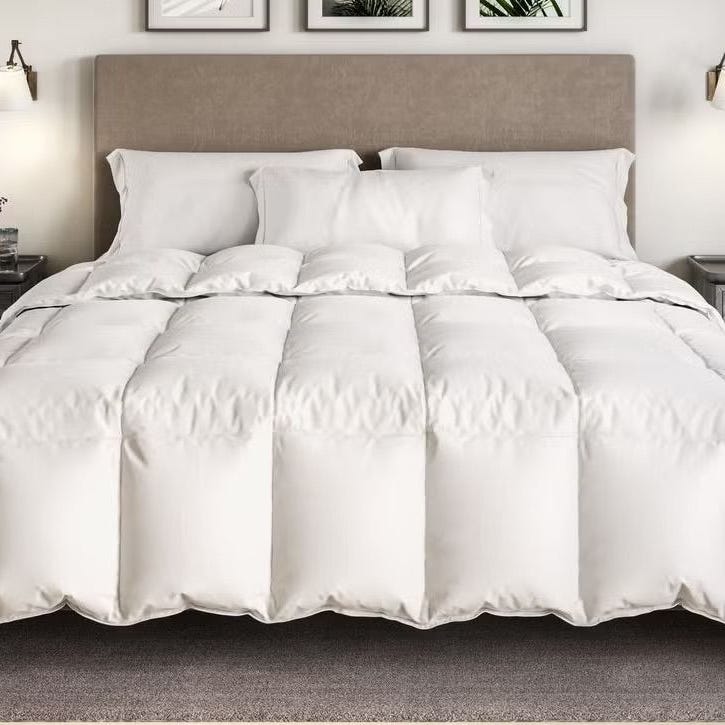
Saatva Lightweight Alternative Down Comforter
Cooling Mattress

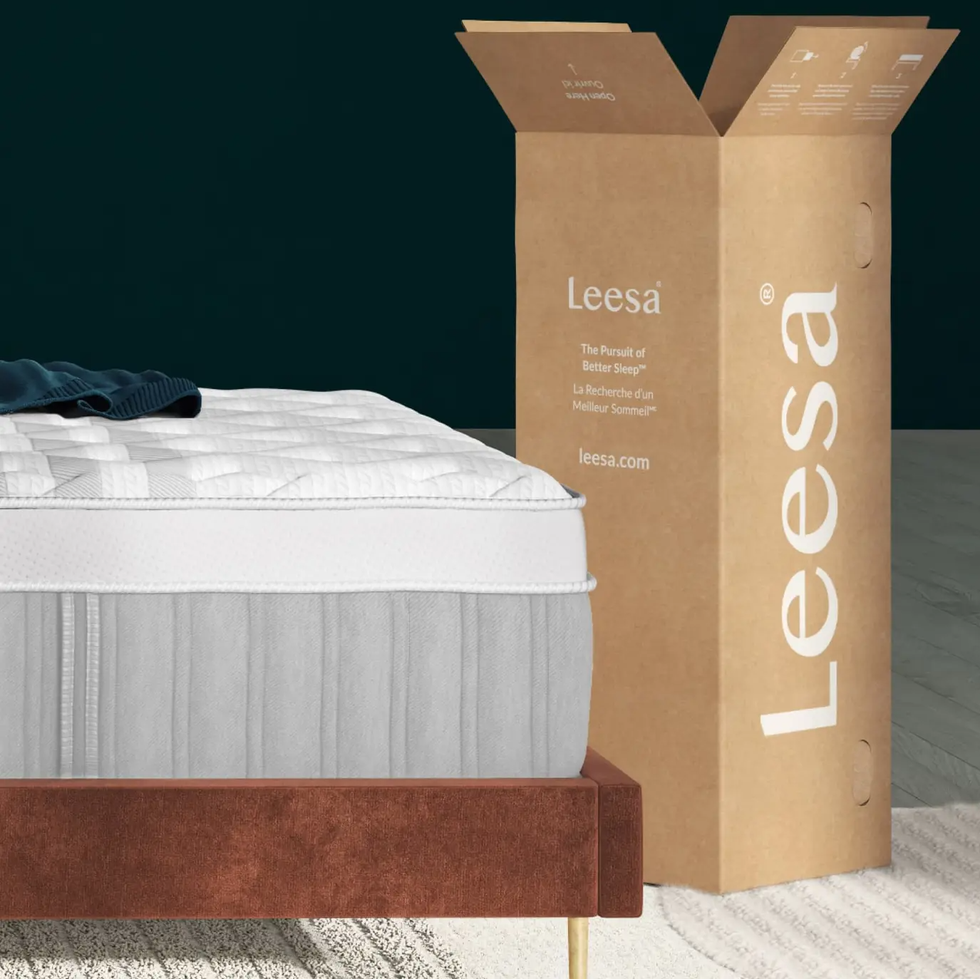
Leesa Sapira Chill Hybrid Mattress
Quiet but Powerful
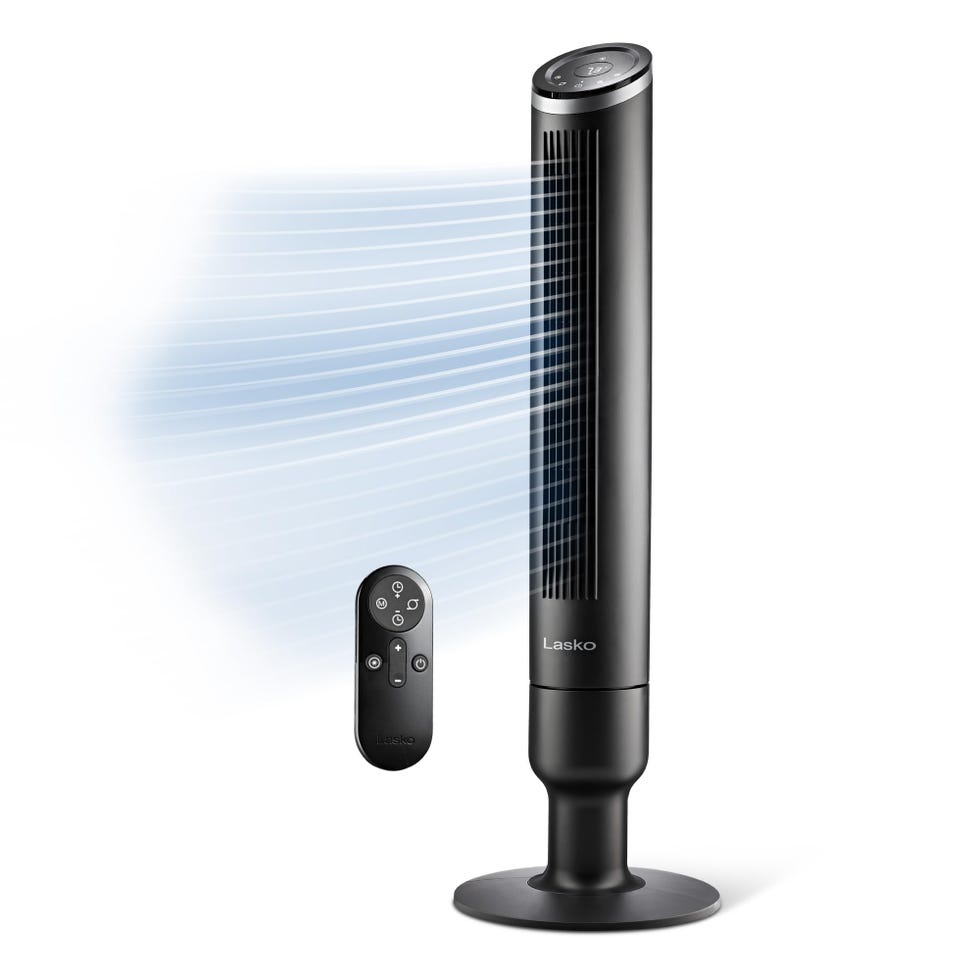
Lasko Apex Tower Fan Oscillating Quiet, 42”
Breathable Sheets


Slumber Cloud Performance Sheet Set
Make it dark (and quiet).
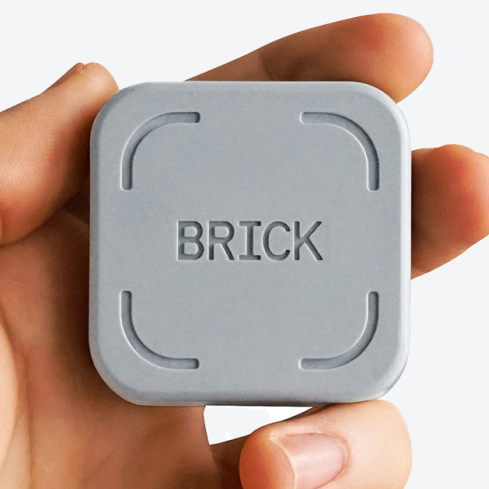
Two main disrupters of sleep are light and sound. Light is directly connected your circadian rhythm. Melatonin signals your brain that it is time to go to sleep, but Dr. Dasgupta says “exposure to light at night, especially blue spectrum light from screens and LED bulbs, suppresses melatonin release,” which can delay sleep onset. That’s why experts recommend putting your phone down or turning the TV off at least an hour before bed (our editor loves the Brick app to lock her phone to prevent her from before bed doomscrolling).
But even if you are addicted to your phone, there is an easy way to keep your room dark and help you sleep better at night: blackout shades. Ambient light from street lights, cars, other houses, etc. can be eliminated with a quality blackout shade or curtain. (An additional benefit? Blackout curtains can help regulate temperature in your room and muffle outdoor noises). An eye mask can help in a pinch, but curtains are an easy (and relatively affordable!) upgrade your sleep will thank you for.
Sound can be equally as disruptive, since your brain is constantly surveilling—even when you are asleep—Dr. Dasgupta explains. “Sudden or unpredictable sounds activate the sympathetic nervous system and raise heart rate. Over time, fragmented sleep from repeated noise can impact mood, concentration, and cardiovascular health.” His solution? Adding a white noise machine, earbuds, or a multi-purpose sunrise alarm clock that uses red/orange light and offers a selection of sound profiles to find your preferred background noise (like our editor favorite Hatch Restore 3).
Best Blackout Curtains
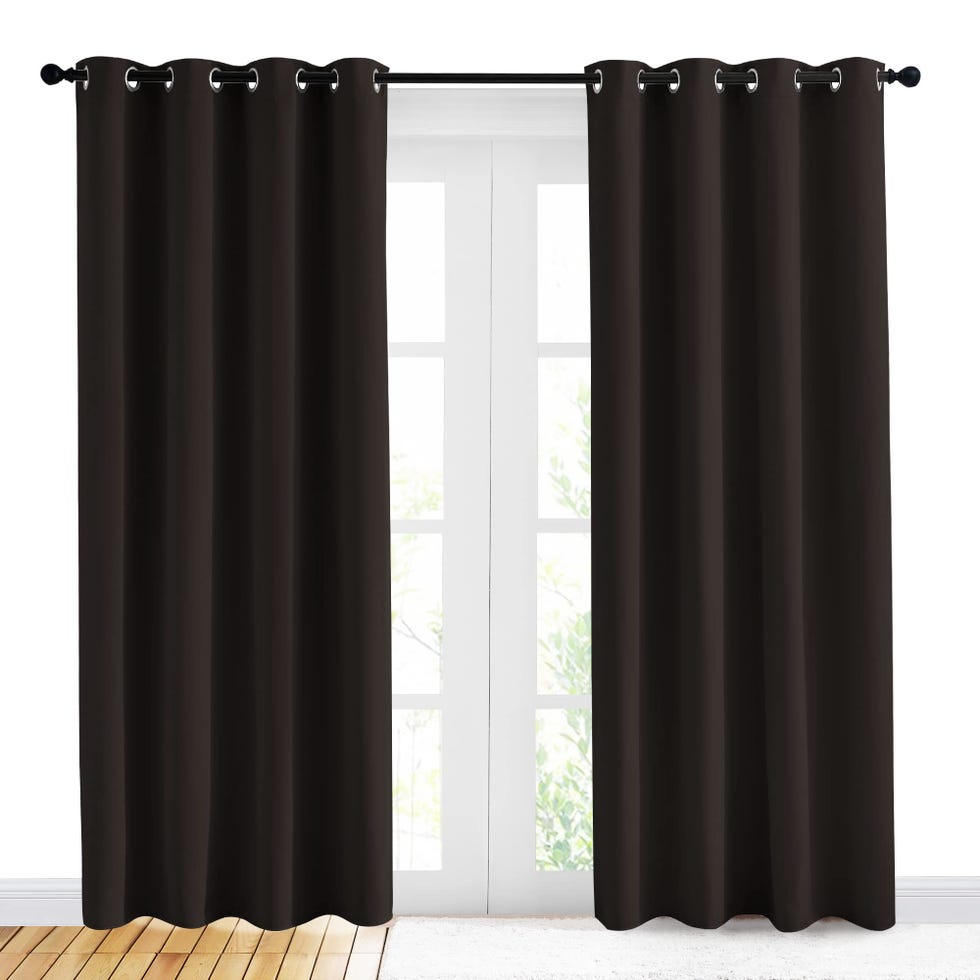
Nicetown Energy Smart Thermal Blackout Curtains
Sunrise Alarm Clock

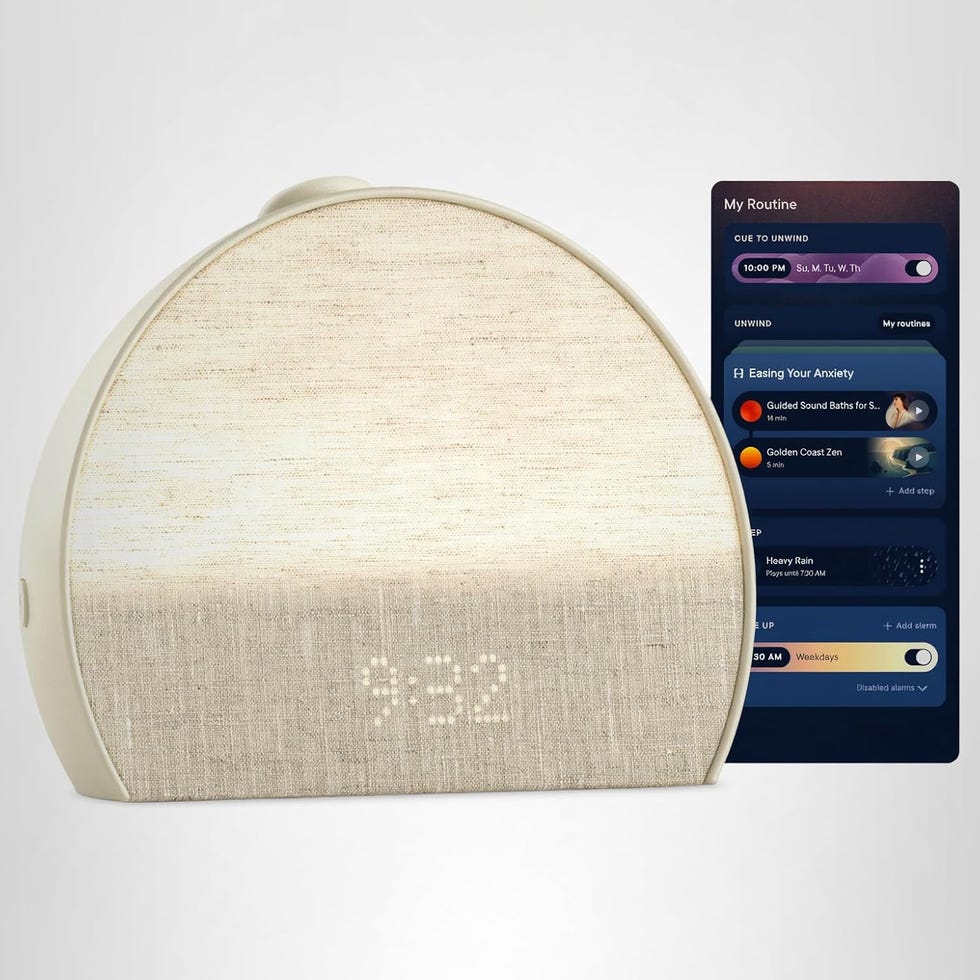
Hatch Restore 3
Now 15% Off
Mask for Sight and Sound
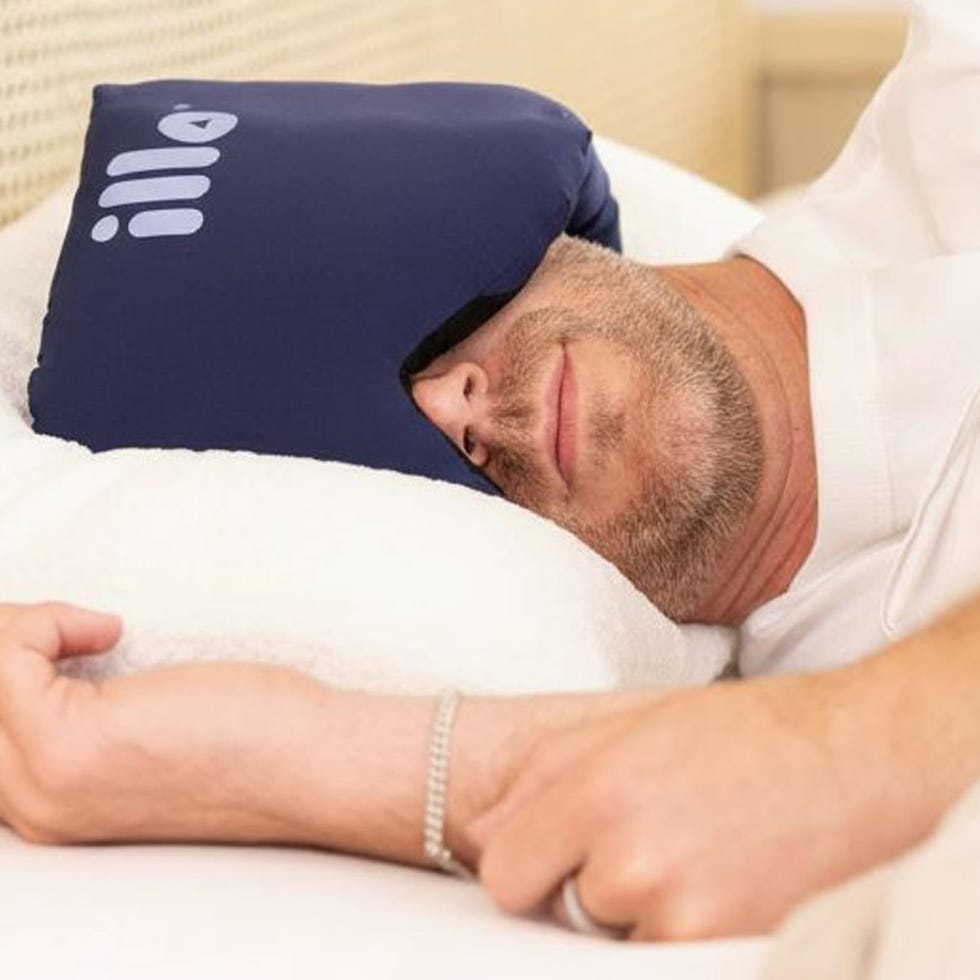
illo Wearable Pillow Sleep Mask
Noise-Canceling
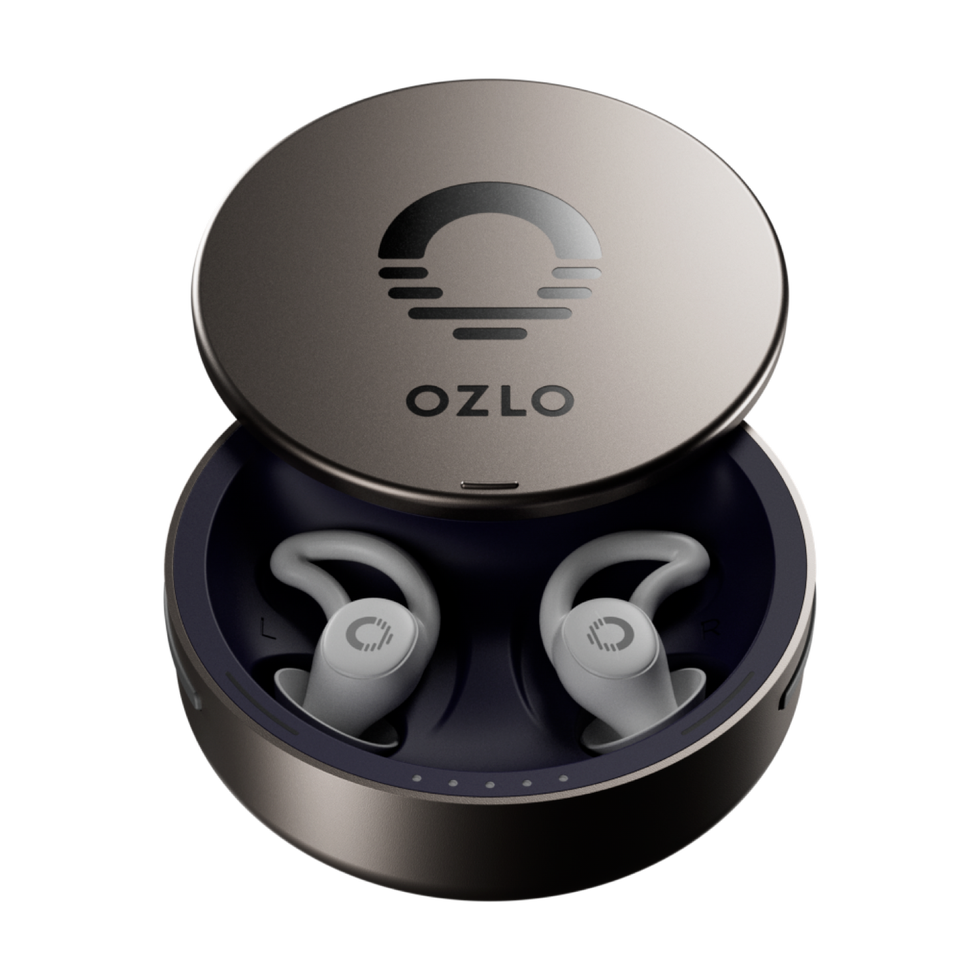
No Phone

Basic White Noise

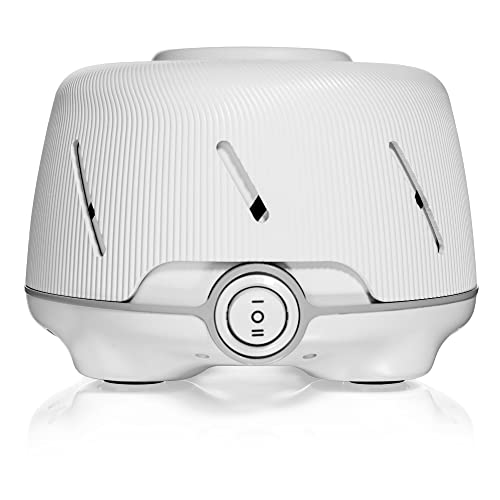
Yogasleep Original Natural Sound Machine
Optimize air quality.
Did you know your dusty room and the changing seasons are making you sleep worse? “Air quality affects both breathing and inflammation. Dust, allergens, pet dander, and pollutants can irritate the airway, leading to congestion, coughing, or worsened snoring. If breathing is compromised, sleep becomes lighter and more fragmented because the body remains in a protective, semi alert state,” explains Dr. Dasgupta. But there are easy ways to improve the air quality of your bedroom: A humidifier and an air purifier.
These devices are shockingly effective and not that expensive, either. “Maintaining moderate humidity can make breathing more comfortable and an air purifier can reduce airborne allergens and particulate matter.” Our pro tip? As soon as you upgrade your pillow, make sure to grab a protector to keep out dust mites, pollen, and other invisible irritants that can affect your breathing.
Easier Breathing
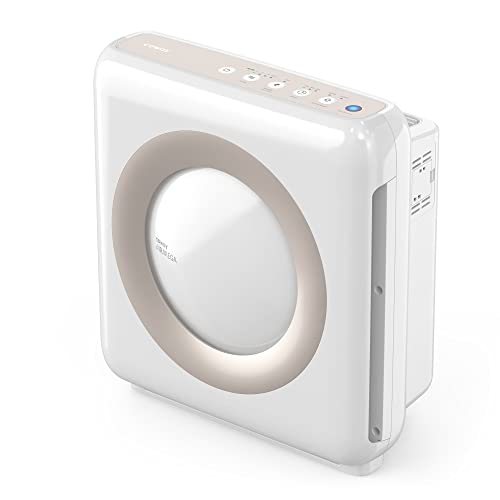
Coway Airmega Purifier
Now 33% Off
For Dry Winter Air

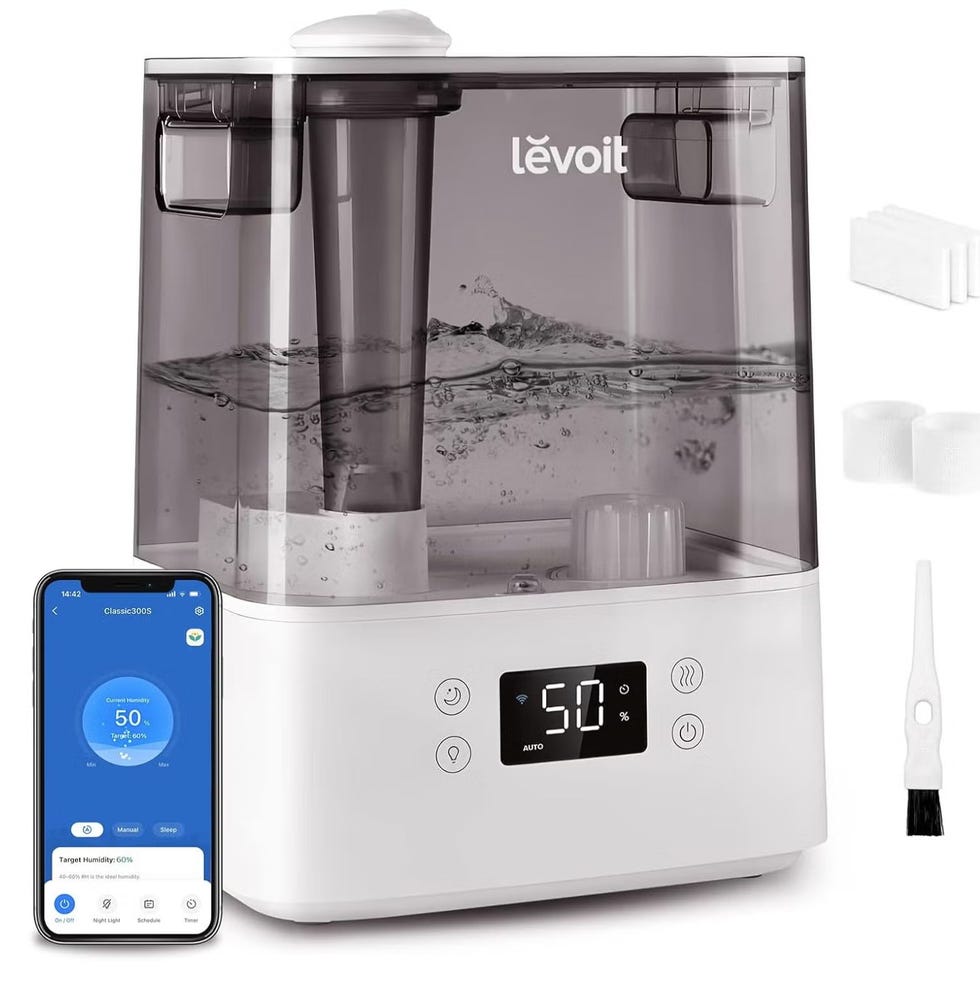
Levoit Humidifier for Bedroom (6L)
Now 20% Off
Pillow Protector

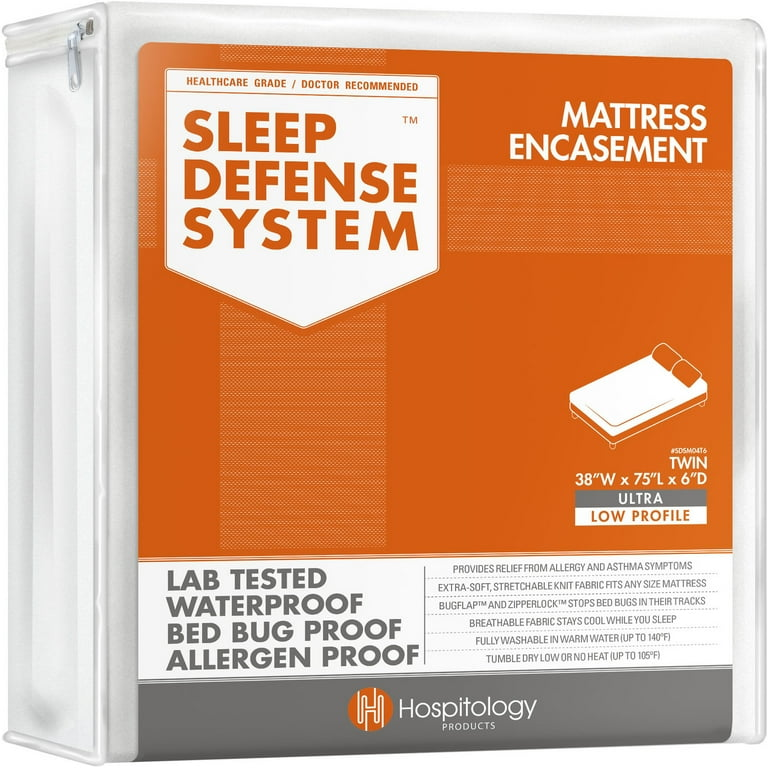
Hospitology Pillow Encasement
Now 14% Off
Read the full article here


