

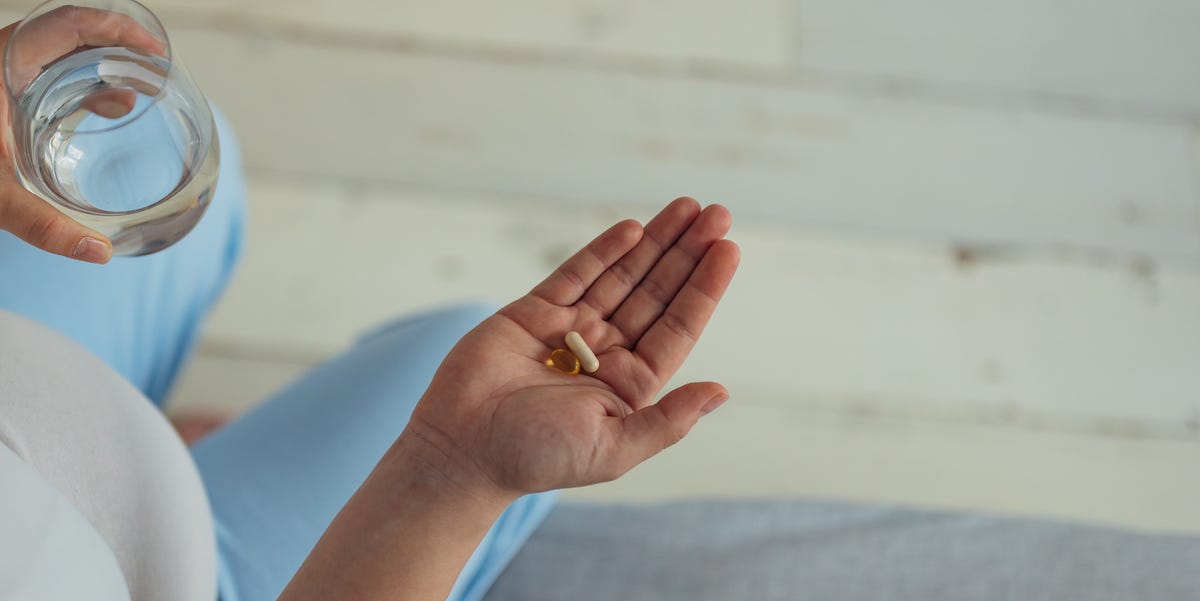
Have you ever added a new vitamin or supplement to your daily routine, thinking you’re making a smart choice for your health, only to learn there’s a catch no one told you about? As a dietitian, I see people try hard to do “all the right things,” yet there’s one little mistake people make when taking iron supplements.
Iron is a vital mineral that your body depends on, especially as you age. It plays a crucial role in enabling red blood cells to transport oxygen throughout your body, supporting essential functions that impact immune health, cognitive health, and so much more. When iron levels drop, you may experience symptoms like unusual fatigue, weakness, or feeling cold.
While it’s true that iron needs may decrease with age, particularly for women, it remains an important nutrient. Sometimes, diet alone isn’t enough to meet your iron needs, and your healthcare provider might recommend an iron supplement. However, not all healthcare providers emphasize the importance of how the supplement is taken, which can impact its effectiveness.
The hidden mistake: Taking iron with coffee or tea
If you take an iron supplement, you probably want to be sure your body actually uses it. But here’s the problem: Many people keep their vitamins near the coffee pot or tea kettle, reaching for them with their first cup of the day. It may feel easy and convenient, but this habit may limit how much iron your body absorbs from the supplement.
The issue with these drinks and iron supplements is that coffee and true tea (which includes green, black, white, and oolong tea) have natural compounds called polyphenols, and one important group of these is tannins. Tannins can bind to non-heme iron (the type of iron found in plant-based foods and many supplements) in the digestive tract. This binding forms insoluble complexes that are difficult for the body to absorb. As a result, the iron from your supplement or food may pass through your system without being utilized as effectively as if it were not exposed to the tannins.
In one study of women taking a 100 mg dose of iron, Consumption with coffee decreased iron absorption by 54%. That means more than half of the iron was not able to enter the bloodstream simply because it was taken with coffee.
In another study using data from the Korea National Health and Nutrition Examination Survey (KNHANES), results showed that ferritin levels (a marker of iron storage) decreased by 2.09 ng/mL with each additional cup of coffee consumed daily. For perspective, even small decreases in ferritin can add up over time, especially if you already have low iron stores or drink multiple cups a day.
Tea drinkers should take note of another study, which found that higher green tea and coffee consumption was associated with lower serum ferritin levels in men and postmenopausal women.
It’s important to note that research in this area is still evolving. Some studies suggest that, for many healthy adults who eat a varied diet, the impact of tannins on iron absorption may not be significant enough to cause clinical problems. Even so, from my experience as a dietitian, I encourage patients to play it safe—why risk reducing the benefits of your supplement when a small tweak can help your body absorb more of this important nutrient?
Does this mean you have to give up coffee or tea?
Absolutely not! You can still enjoy your morning brew. In fact, including coffee and tea in your diet can be a healthy addition to your diet. But, it may be best for you to create a little bit of distance between your tannin-packed drink and your supplement.
Waiting at least an hour after taking your iron supplement before you drink your coffee or tea is usually enough time for your body to process the iron.
And if you want to get the most out of your supplement, a few simple changes to your routine may help even more:
Perfect your timing: Iron is best absorbed on an empty stomach, ideally one to two hours before or after meals. However, iron can sometimes cause nausea or an upset stomach, so if you have a sensitive stomach, taking your supplement with a small amount of food can help.
Use vitamin C as a helper: Vitamin C is iron’s best friend. It can counteract the effects of polyphenols by converting non-heme iron into a more absorbable form in the body. Try pairing your iron supplement with a source of vitamin C. A small glass of orange juice, a handful of strawberries, or some sliced bell peppers are all excellent choices.
Build a better routine: To break the coffee-and-vitamins habit, try taking your iron supplement at night before bed, or mid-morning when you are just drinking water.
The bottom line
Making the most of your iron supplement doesn’t mean overhauling your entire routine; sometimes, it’s about small, thoughtful adjustments. By simply spacing out your coffee or tea and pairing your supplement with a little vitamin C, you may help your body absorb more of this essential nutrient. These easy changes allow you to keep enjoying your favorite rituals while supporting your health with minimal effort.
Read the full article here