

As a dietitian, I get asked about fiber more than almost any other nutrient. Beans almost always get the spotlight when it comes to high-fiber foods, and, sure, they certainly deserve the praise! But the good news is, if you’re tired of relying on a can of black beans to hit your fiber goals, you have plenty of other delicious high-fiber foods to choose from that are not beans.
And we should all be eating more high-fiber foods—beans and beyond! That’s because most Americans aren’t getting nearly enough of this key nutrient. The recommended daily fiber intake is around 25 grams a day for most women and 38 grams a day for most men, and you don’t need a major diet overhaul to reach those goals. Here are high-fiber foods that are not beans to add to your eating rotation.
Why fiber deserves more attention
Before digging into some non-bean fiber options, it’s important to understand why fiber is important in the first place. The health benefits of fiber go well beyond just keeping you regular (though that’s a biggie, of course). Fiber adds bulk to your meals, which helps you feel full and satisfied longer, which can help you maintain a healthy weight since you don’t feel the urge to overeat.
Research also links higher fiber intake with better heart health, and high-fiber foods are some of the best for maintaining steady blood sugar, since fiber slows how quickly your body absorbs the sweet stuff. And your gut bacteria feed on certain fibers, which supports a healthier, more balanced microbiome over time. Some data even suggest higher fiber intake may be linked to a reduced risk of developing colorectal cancer too.
The takeaway is simple: fiber benefits your whole body, and variety makes it easier to get enough. Beans help, but the foods below show just how many ways you can reach your daily goal.
Lentils
Serving size: 1 cup, cooked
Fiber: 15.6 g
Lentils are often used like beans: think soups, stews, and hearty sides. But they aren’t technically beans (they are pulses!). They’re one of the most fiber-rich foods you can eat, and a single cooked cup delivers more than half the daily target.
They also cook faster than dried beans and don’t need soaking. Try them in a warm grain bowl, stirred into a brothy soup, or tossed with vinaigrette and herbs for a quick salad.
Chickpeas
Serving size: 1 cup, cooked
Fiber: 12.5 g
Like lentils, chickpeas often get grouped with beans and used in similar dishes, but they aren’t technically beans either (they’re also legumes). One cooked cup brings a generous 12.5 g of fiber along with a satisfying, nutty bite.
They’re endlessly versatile. Roast them for a crunchy snack, blend them into hummus, or toss them into salads and curries. Canned chickpeas work just as well; just rinse them first to cut back on sodium.
Green peas
Serving size: 1 cup, cooked
Fiber: 8.8 g
Green peas are an easy, budget-friendly way to add fiber to almost any meal. A cooked cup provides 8.8 g, plus a little natural sweetness that kids and adults tend to enjoy.
Keep a bag in your freezer for busy nights. Stir them into pasta, fold them into fried rice, or warm them as a simple side. They take just minutes to cook.
Bulgur
Serving size: 1 cup, cooked
Fiber: 8.2 g
Bulgur is a whole grain made from cracked wheat, and it’s a bit of a hidden gem on the fiber front. One cooked cup offers 8.2 g, and it has a pleasant, chewy texture that holds up well in salads.
It’s also quick to prepare. Use it as the base for tabbouleh, swap it in for rice (cooking it in broth adds great flavor), or mix it into veggie patties for extra body.
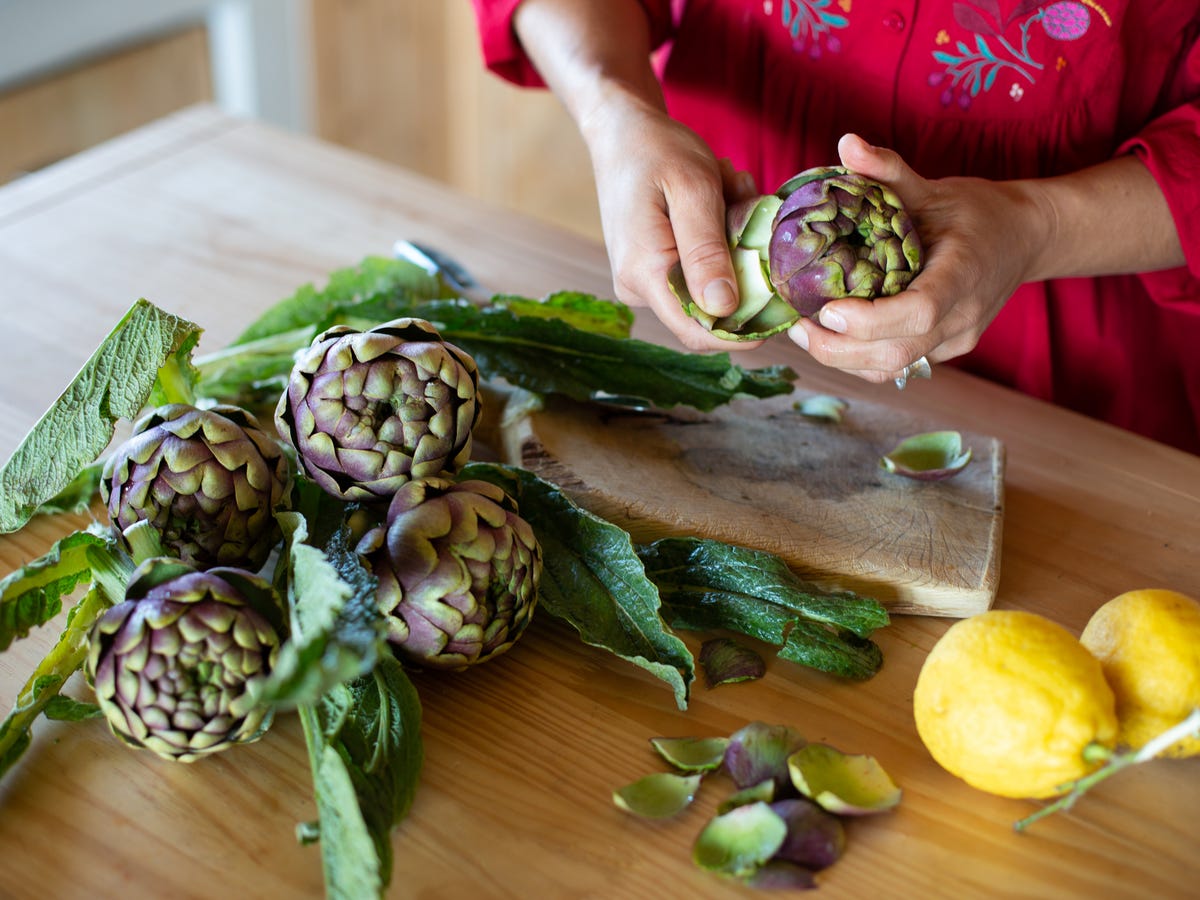
Artichoke
Serving size: 1 medium, cooked
Fiber: 6.84 g
A single cooked artichoke delivers nearly 7 g of fiber, making it one of the more fiber-dense vegetables you can put on your plate. It also brings a mild, slightly nutty flavor that pairs well with lots of dishes.
Fresh artichokes take some effort, so jarred or frozen hearts are a great shortcut. Add them to pasta, pizza, salads, or a simple dip when you want fiber without the prep.
Raspberries
Serving size: 1 cup, raw
Fiber: 8 g
Raspberries are one of the highest-fiber fruits around, with 8 g in a single cup. That makes them an easy win if you want to boost fiber, and they bring lots of anti-inflammatory antioxidants and natural sweetness too.
Enjoy them on their own, stir them into yogurt or oatmeal, or blend them into a smoothie. Frozen raspberries work beautifully and last far longer than fresh, making them a nice option to keep in your freezer.
Blackberries
Serving size: 1 cup, raw
Fiber: 7.63 g
Blackberries are another berry that punches above its weight, offering 7.63 g of fiber per cup. Berries of all kinds are high-fiber, nutrient-dense fruits that can help prevent blood sugar spikes. They’re slightly tart, deeply flavorful, and just as easy to add to your routine as raspberries.
Toss them onto cereal, fold them into pancakes, or eat them by the handful. Like other berries, they freeze well, so you can keep some on hand year-round.
Pear
Serving size: 1 medium, raw, with skin
Fiber: 5.52 g
A medium pear with the skin on provides 5.52 g of fiber. Much of the fiber lives in the skin, so leave it on whenever you can.
Pears make a perfect grab-and-go snack, but they shine in other ways too. Slice one over a salad, pair it with cheese, or bake or grill it for a simple, naturally sweet dessert.
The bottom line
Beans are a fiber powerhouse, but they’re nowhere near your only option. Between fruits, vegetables, whole grains, and legumes like lentils and chickpeas, you have plenty of ways to hit your daily target without eating the same thing every day.
Variety is what makes fiber goals feel doable. So pick a couple of foods from this list and start small:
- Add berries to your breakfast a few mornings a week.
- Swap rice for bulgur in your next grain bowl.
- Keep frozen peas on hand for an easy fiber boost at dinner.
- Snack on a pear with the skin on instead of something less filling.
Read the full article here