

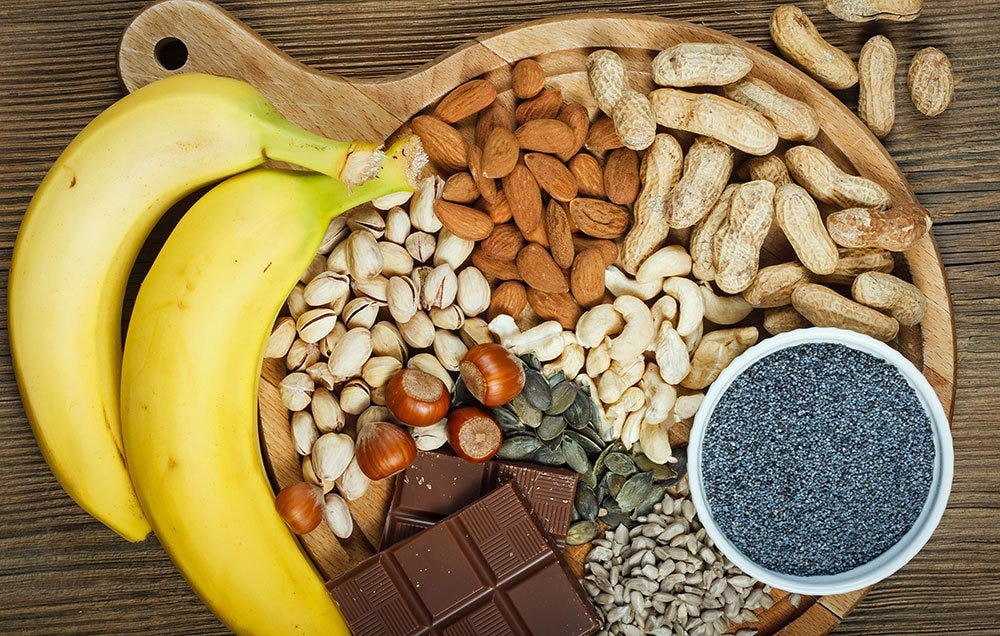
Magnesium supplements are rising in popularity, with different types of magnesium being touted as support for different conditions and health woes. But even when supplements are available, it’s smart to get as many nutrients (including minerals) as you can from food sources, as they deliver magnesium alongside other beneficial nutrients like fiber, healthy fats, protein, and antioxidants that work together to support overall health. That’s why we asked dietitians for the best foods high in magnesium that you should be eating more of.
“Magnesium is an essential mineral that plays some pretty key roles in our body, including muscle contraction and nerve function, bone density, energy metabolism, blood sugar and blood pressure regulation, and maintaining fluid-electrolyte balance in our bloodstream,” explained Jaclyn London, M.S., R.D., C.D.N., author of Dressing on the Side (and Other Diet Myths Debunked).
Meet the experts: Jaclyn London, M.S., R.D., C.D.N., is a registered dietitian and author of Dressing on the Side (and Other Diet Myths Debunked): 11 Science-Baked Ways to Eat More, Stress Less, and Feel Great About Your Body. Bonnie Taub-Dix, R.D.N., is the host of Media Savvy Podcast, creator of BetterThanDieting.com, and author of Read It Before You Eat It: Taking You From Label to Table, and @bonnietaubdix on Instagram.
Here, discover the tasty foods that are sources of magnesium, plus how much of the mineral you need per day.
Top food sources of magnesium
Pumpkin seeds
1 ounce (roasted): 156 mg
Also called pepitas, pumpkin seeds are perfect for sprinkling onto salads, soups, and baked goods to add crunch and a boost of magnesium. Win-win.
Chia seeds
1 ounce: 95 mg
These small but mighty seeds surely earn their “superfood” title—packing in magnesium, plus other nutrients, including omega-3 fatty acids, fiber, and protein (including all nine essential amino acids, making it a complete protein source).
Almonds
1 ounce (dry, roasted): 76.5 mg
Almonds, peanuts, cashews, and other nuts introduce a nice crunchy element to whatever you’re eating, as well as other perks like protein, healthy fats, and magnesium. Snack on them by the handful, toss them into a trail mix, or sprinkle them on top of salads and they’re like a gluten-free crouton.
Spinach and other leafy greens
1 cup (boiled): 157 mg
Leafy greens deliver heaps of health benefits, including a hefty amount of magnesium. Because spinach cooks down a lot, you’ll need to start with a good amount to end up with a cup of cooked spinach.
Brown rice
1/2 cup (cooked): 30 mg
Whole grains, including quinoa and brown rice, provide magnesium, as well as other nutritional perks. But if you aren’t a fan of eating grains whole, there are also plenty of other ways to incorporate whole grains into your diet. “You can also think creatively and use different flours that contribute magnesium,” said Bonnie Taub-Dix, R.D.N., the host of Media Savvy Podcast, creator of BetterThanDieting.com, and author of Read It Before You Eat It: Taking You From Label to Table. “For example, sorghum flour can be swapped into your favorite baked goods providing 148.8 mg of magnesium vs. only 28 mg of magnesium in [all-purpose] flour. Sorghum also provides fiber, a nutrient most of us don’t get enough of.”
Black beans
1/2 cup (cooked): 60 mg
When it comes to legumes, which include foods like lentils, chickpeas, cannellini beans, and black beans, there is a whole lot to love. For cooking purposes, they make for a versatile ingredient, working well in a wide range of flavor profiles, and they’re pretty convenient, especially if you opt for canned. Nutritionally speaking, they provide fiber, protein, carbohydrates, B vitamins, iron, copper, manganese, zinc, phosphorus, and magnesium.
Soy milk
1 cup: 51 mg
This dairy milk alternative is made by soaking soybeans in water for an extended period of time before grinding and filtering. Opt for unsweetened and include it in your balanced and healthy diet. (By the way, other soy products like edamame and tofu will also provide magnesium.)
Dark chocolate
1 ounce (70-85%): 65 mg
Looking for a reason to indulge in a nightly sweet treat? We’ve got you! Select a chocolate bar with a high cacao percentage for ultimate health benefits, since these often will have lower sugar contents and less dairy added—plus some magnesium.
Yogurt
1 cup (plain, whole milk): 30 mg
Make yourself a yogurt parfait in the morning and feel good knowing you’re starting your day with a hit of magnesium. To avoid loading up your a.m. with a ton of sugar, skip the pre-flavored containers. Instead, pick a plain option and then add in fresh fruits for some sweetness. (Check out this dietitian-backed guide to buying the best yogurt.)
Bananas
1 banana (115 g): 32 mg
While this fruit’s claim to fame is potassium, it also brings magnesium, soluble and insoluble fiber, and vitamin C to the table. Enjoy solo or mash to bake into banana bread or stir into your morning bowl of oatmeal.
Salmon
3 ounces (Atlantic, wild, raw): 25 mg
In addition to magnesium, fatty fish like salmon offer up heart-health benefits, thanks in part to their omega-3s, which studies have shown to lower the risk of heart disease by reducing inflammation in the body.
Avocados
1 avocado (136 g): 39 mg
Whether you’re smashing to serve on avocado toast, slicing and dicing to sprinkle onto tacos and chilled soups, or whipping into a chocolate vegan mousse, know that by adding avocado as an ingredient, you’re boosting the amount of magnesium in your meal—plus getting other heart-healthy, gut-friendly benefits into the equation.
How much magnesium do you need per day?
The Recommended Dietary Allowance (RDA) for magnesium for adults ranges from 310 mg to 420 mg per day, depending on age, gender, and pregnancy or lactation status. That said, it is estimated that globally, many people don’t consume enough of this key nutrient.
Despite many under-consuming this mineral, “symptoms of acute magnesium deficiency are actually pretty rare. That’s because our bodies store magnesium in bones and soft tissue cells and less than 1% of total body magnesium is stored in blood serum levels that are tightly regulated by your kidneys [so a blood test is only measuring that 1% serum magnesium],” explained London. “So, while I’m generally a champion for eating more foods that provide magnesium and incorporating these into your diet consistently, I’d also be remiss not to reassure everyone that a blood test isn’t giving you much information by way of dietary magnesium deficiency.”
While you can find plenty of magnesium supplements, the mineral is found in a wide variety of foods, as you can see above. With a little effort, it is possible to consume adequate amounts of magnesium without the need to turn to supplements. But if you find that your diet is lacking the foods listed above, it may be time to explore supplementation with your healthcare provider.
Dietary supplements are products intended to supplement the diet. They are not medicines and are not intended to treat, diagnose, mitigate, prevent, or cure diseases. Be cautious about taking dietary supplements if you are pregnant or nursing. Also, be careful about giving supplements to a child, unless recommended by their healthcare provider.
Read the full article here