







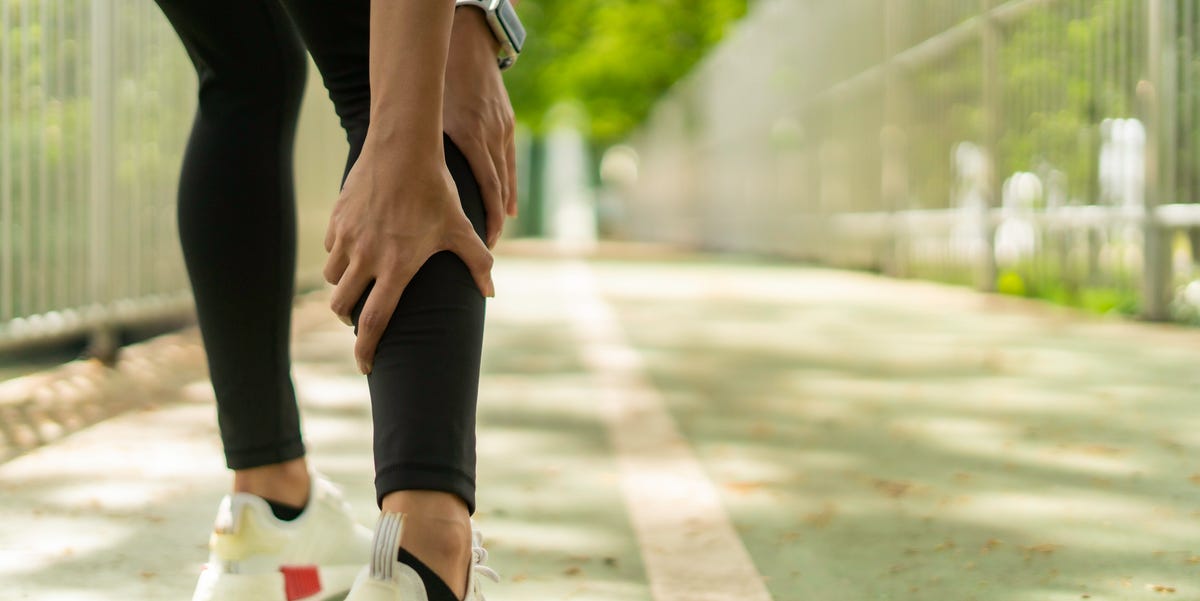
Muscle cramps are rarely a serious medical issue, but they can be very uncomfortable (especially if they’re waking you up in the middle of the night). We tapped experts to fill us in on the best treatments for muscle cramps and tips for preventing these painful spasms in the first place.
According to the Cleveland Clinic, muscle spasms can happen to anyone. Certain people, including athletes, pregnant women, and people over 65, are most likely to experience muscle cramps. These spasms can happen almost anywhere in the body: The legs, back, neck, arms, and pretty much anywhere else you have muscles. Muscle cramps can be caused by straining or overusing a muscle, dehydration, or compression of the nerves, according to the NIH. Certain medications can also cause muscle cramps.
Meet the Experts: Elizabeth Matzkin, M.D., chief of the Women’s Sports Medicine program at Brigham and Women’s Hospital (BWH) and assistant professor of Orthopedic Surgery at Harvard Medical School; Joseph Herrera, D.O., chair for the Department of Rehabilitation and Human Performance for the Mount Sinai Health System; David Geier, M.D., an orthopaedic surgeon and sports medicine specialist
Ahead, doctors explain how to prevent muscle cramps from happening, what you can do to relieve pain next time you have a cramp, and when to see a doctor about your muscle cramps.
How to prevent muscle cramps
There are a few things you can do to keep your muscles from seizing up.
Exercise
Strong muscles are better able to withstand stress from exertion, and keeping muscles fit is especially important for older people, since age-related muscle loss accelerates with inactivity. “Muscles accustomed to exercise have less chance of fatigue, which is a main factor in cramping,” says Elizabeth Matzkin, M.D., chief of the Women’s Sports Medicine program at Brigham and Women’s Hospital (BWH) and assistant professor of Orthopedic Surgery at Harvard Medical School. If you’re starting a new exercise regimen, build up your strength gradually to minimize the chance of cramping.
Stay hydrated
Muscles need water to contract properly, and dehydration may increase the risk of cramps, especially in hot conditions. According to the Mayo Clinic, nighttime leg cramps might be due to dehydration. Generally, women need about 9 cups of fluids a day; men require about 13 cups, although the requirements are affected by activity level, eating habits (salt intake, fluids in food), and other factors.
Make sure you’re getting your electrolytes
In addition to drinking plenty of water, it’s also important to ensure you’re getting enough electrolytes. Minerals like potassium, magnesium, calcium, and sodium regulate electrical signals that trigger muscle contractions. “Deficiency or losses through sweat may lead to muscles seizing up,” says Joseph Herrera, D.O., chair for the Department of Rehabilitation and Human Performance for the Mount Sinai Health System.
Experts have previously shared with Prevention that most people get enough electrolytes through their regular diet. That said, if you’re active for extended periods or live in an especially hot or humid climate, you may want to supplement with an electrolyte drink or powder.
Take your vitamins
B vitamins help provide energy to muscles and nerves, so they’re important for the normal function of both. According to one small study, taking a B-complex supplement three times per day for three months relieved leg cramps in 86% of participants. Another study published in 2022 found that vitamin K2 supplementation decreased the frequency, duration, and severity of muscle cramps in hemodialysis patients.

Add Prevention as a preferred source in your Google search results.
Use your Google account to add this to your settings.


How to treat cramping muscles
If your muscles are cramping and you’re looking for relief ASAP, here’s what to try.
Stretch
Soothe cramping muscles by gently stretching them, which lengthens muscle fibers and encourages them to relax. If you tend to develop leg cramps in bed, keep a towel within reach that you can use to wrap around your foot and pull the foot back toward you while you’re lying down. Snug bedding can press feet down, making muscles vulnerable to spasms, so try loosening your covers. To stay limber, incorporate active stretching into your daily routine and stretch after working out.
Apply heat
Warmth from a hot water bottle, warm towel, bath, or shower relaxes muscles and makes them more pliable. Use heat for 5 to 10 minutes, then follow up with gentle stretches. Apply a menthol-based ointment or topical anti-inflammatory pain reliever to soothe soreness that can follow severe cramps. Bonus: “Massaging muscles as you put on ointment may help relieve cramps directly,” Matzkin says.
Massage the cramp
The Mayo Clinic suggests gently massaging your cramping muscle to find relief. You can use your hands or a foam roller, depending on which muscles are cramping.
Take OTC pain relievers to manage muscle soreness
Drugs like ibuprofen won’t release tight muscles, but they can ease soreness that lingers when muscles cramp for an extended period, says David Geier, M.D., an orthopaedic surgeon and sports medicine specialist.
When to see a doctor about muscle cramps
According to the Cleveland Clinic, you should see a healthcare provider if your muscle cramps are unbearably painful, happen frequently, or last for a long time. It’s also a good idea to consult your doctor if you develop concerning symptoms like swelling or numbness in your leg or skin changes.
For severe or frequent muscle spasms, a healthcare provider may prescribe muscle relaxers to help ease your symptoms, per the Cleveland Clinic.
If you’re experiencing muscle cramps all over the body, unbearable pain, or spasms that began after touching a potentially poisonous substance, call 911 or go to the emergency room.
Read the full article here


