

As a dietitian in midlife, I’ve witnessed countless supplements rise and fall in the ever-changing wellness world. Trends come and go, each one claiming to be the next big thing. For years, I lumped creatine monohydrate into that category, thinking it was a supplement for hardcore bodybuilders or wellness influencers, not someone like me. My focus has always been on the pillars of foundational health: balanced nutrition, regular exercise, and quality sleep. So in the name of science, I decided to try taking creatine every day for a month—and the results shocked me.
Though muscle gains sounded nice, I wasn’t trying to enter a bodybuilding contest. But let’s be real; navigating the wild rollercoaster of midlife comes with its own set of challenges, and muscle maintenance has quickly climbed to the top of that list. After what felt like the hundredth Instagram reel hailing creatine as the “holy grail” for women over 40, I finally caved, thanks to equal parts curiosity and algorithm-induced peer pressure. A quick dive into the research confirmed the buzz was worth exploring, so I decided to give it a go. Skeptical but intrigued, I took the plunge. What happened next? Let’s just say it was far from what I expected.
What happened when I took creatine every day for a month
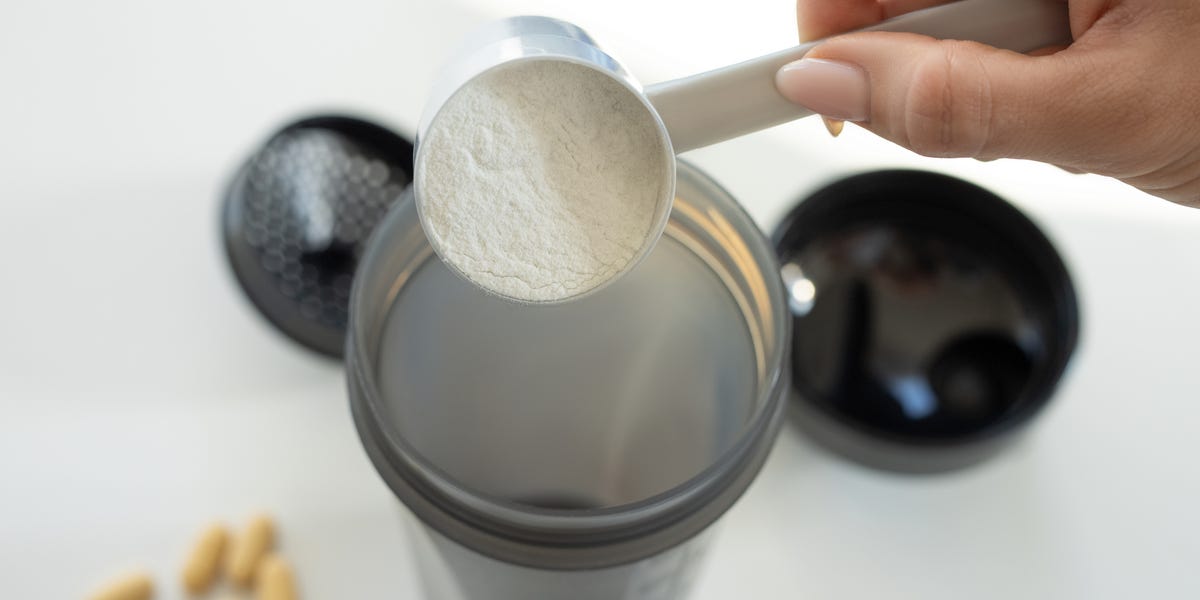
My plan was simple. I would add 5 grams of creatine monohydrate to a bit of orange juice each morning. Specifically, I used MegaFood’s Micronized Creatine Monohydrate, which is NSF-certified for sport to ensure it’s tested for contaminants and accurately labeled (we corralled the best creatine supplements for women here). It is micronized and unflavored, so it mixes easily without any clumps or aftertaste.
After about a month, in the gym, I noticed a subtle but real difference. My usual weight-lifting sessions felt a touch easier, like I had just enough added energy to eke out those last challenging reps. Recovery time seemed slightly shorter, and I experienced less muscle soreness the next day. Was I suddenly lifting massive weights or running faster miles? Not at all. But there was a growing steadiness, a very slight and quiet boost I came to rely on.
But the real shock was what happened inside my head. The persistent brain fog that had become an unwelcome companion of perimenopause started to lift. It felt like someone had finally cleared the cobwebs out of my mind. Getting through my workday (or just handling the daily chaos of family life) felt noticeably easier. I found myself searching for words less often and felt more present in conversations. Multi-tasking and remembering why I entered a room or where I left my keys became smoother and less of an uphill battle. The mental clarity was undeniable. Thoughts felt sharper, and that feeling of constantly wading through mental molasses began to disappear.
This was the side effect I never anticipated and the one that truly made me a believer in creatine.
Health benefits of creatine
My personal experience sent me digging deeper into the research. It turns out that creatine’s benefits extend far beyond building muscle. Our bodies naturally produce creatine, and it plays a vital role in energy production in our cells, including our brain cells.
Supports muscle health and strength
This is creatine’s most famous benefit. It works by helping your muscles produce energy during heavy lifting or high-intensity exercise. Specifically, it increases your stores of phosphocreatine, which is used to generate ATP, your body’s main energy currency. For aging adults, this is particularly important. Sarcopenia, the age-related loss of muscle mass and function, is a major health concern.
Research shows that supplementing with creatine, particularly when paired with resistance training, may help combat the effects of sarcopenia. By supporting muscle mass, strength, and physical performance, creatine offers a powerful tool to support aging adults in maintaining their independence and vitality. It’s not just about building muscle; it’s about preserving the foundation of an active, healthy life. And in my professional opinion, supporting this foundation early is a very smart move.
Supports cognitive function
This was the benefit that truly surprised me, and the science backs it up. Your brain is an energy-hungry organ, consuming about 20% of your body’s total energy. Just like your muscles, your brain uses creatine to recycle energy. When mental tasks become more difficult, your brain’s demand for energy increases.
Research suggests that creatine supplementation may enhance cognitive processing, particularly in situations where brain energy is limited, such as during sleep deprivation or complex mental challenges. It has also been shown to be linked to improved short-term memory and reasoning skills. For anyone experiencing the cognitive slowdown that can accompany hormonal changes or aging, this potential benefit is incredibly compelling.
May support bone health
Emerging research indicates that creatine may also play a role in bone health. Some data suggest that, when combined with resistance training, creatine supplementation may increase bone mineral density. The mechanism isn’t fully understood but may be related to the increased muscle mass, which puts healthy stress on bones, stimulating their growth and strength.
While more research is needed in this area, it presents another promising avenue for supporting the overall health of the musculoskeletal system as we age, especially for postmenopausal women who are at a higher risk for osteoporosis.
May support mental health
Research indicates that creatine could also play a beneficial role in supporting mental health, particularly regarding depression. By contributing to energy metabolism in brain cells, creatine ensures the brain has the fuel it needs to function at its best. Creatine supplementation may also enhance the effects of antidepressant medications, especially in women, and may help improve symptoms of depression more quickly.
Creatine’s importance for overall brain function and stress resilience makes it a growing area of interest when it comes to mental health support. Maintaining optimal brain energy may help buffer against the pressures and demands that can take a toll on mental health in midlife and beyond. As always, more research is needed, but the early findings are promising for anyone looking to support their mood and well-being as they age. It is important to note that creatine should not replace any treatments prescribed by a healthcare provider to treat depression or anxiety.
Who should avoid creatine
Creatine is one of the most studied supplements on the market and has an excellent safety profile for most healthy individuals. However, it’s not for everyone.
People with pre-existing kidney disease or high blood pressure should consult their doctor before taking creatine, as it may affect fluid balance and kidney function. There is not enough research on its effects during pregnancy or breastfeeding, so it is best to avoid it during these times. As with any new supplement, the smartest first step is to have a conversation with your healthcare provider to ensure it’s a safe choice for your individual health circumstances.
The bottom line
My one-month experiment with creatine monohydrate turned my professional skepticism into a personal testament. I started taking it for my muscles and ended up keeping it for my mind. The unexpected lift in my mental fog was a game-changer, improving my quality of life in a way I hadn’t thought possible from a simple powder. That’s why, for the first time, I find myself reaching for it every day (with no plans to stop).
Creatine monohydrate is affordable, safe for most, and easy to incorporate into your daily routine. My story is just one anecdote, but it’s supported by a growing body of scientific evidence. If you’re looking for a way to support your body and brain as you age, creatine might be the surprising ally you’ve been looking for. Just be sure to talk to your doctor before adding it to your routine.
Dietary supplements are products intended to supplement the diet. They are not medicines and are not intended to treat, diagnose, mitigate, prevent, or cure diseases. Be cautious about taking dietary supplements if you are pregnant or nursing. Also, be careful about giving supplements to a child, unless recommended by their healthcare provider.
Read the full article here