






- In-home air purifiers may lower blood pressure in certain people, according to one study.
- Researchers say that HEPA air filters may reduce systolic blood pressure for people whose BP is high.
- Experts explain the findings, plus share other ways to lower blood pressure naturally.
Studies have shown that air quality impacts blood pressure, even though scientists are still unsure of the exact mechanisms at play. Now, research suggests that using the right kind of air purifier in your home—specifically, one with a HEPA (which stands for high-efficiency particulate air) air filter—may actually be a way to lower blood pressure in certain groups of people. Read on to discover what the scientists found, plus other smart strategies for managing blood pressure naturally.
Meet the expert: Karishma Patwa, M.D., a cardiologist with Manhattan Cardiology and LabFinder contributor.
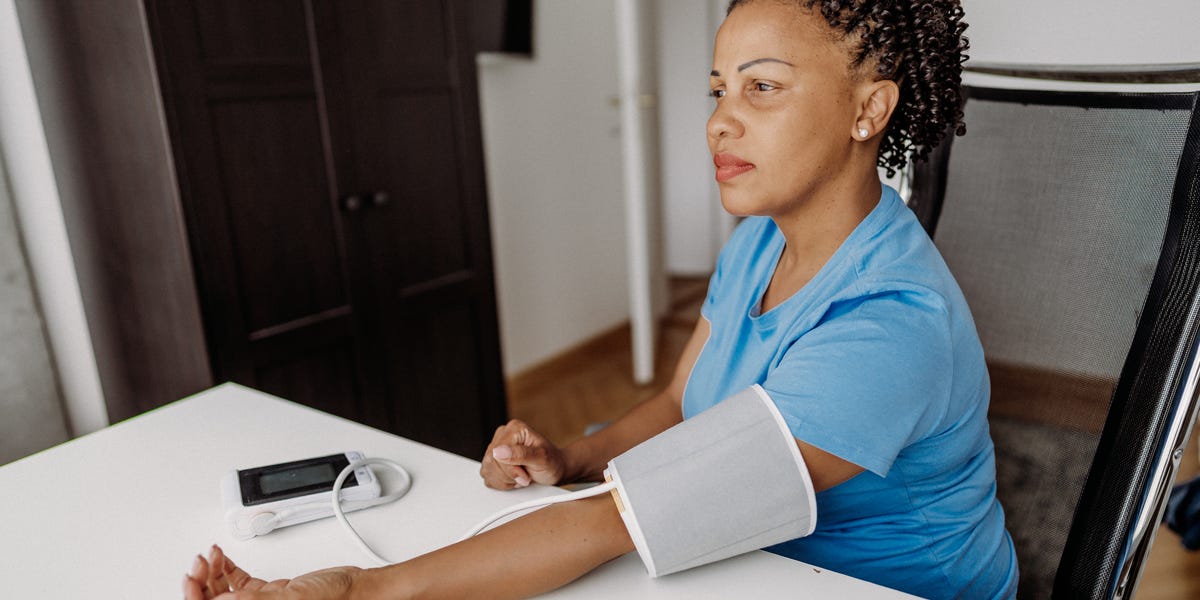
The small study, which was published in the Journal of the American College of Cardiology, analyzed 154 participants who lived near a highway and were regularly exposed to air pollution from it (i.e., tailpipe emissions and tire and brake wear). Participants were all over 30 (their average age was 41), and a majority were of higher socioeconomic status. Requirements were that they lived full-time at the highway-adjacent residence, did not have a history of heart attack, stroke, or other major cardiovascular event, and did not actively take any blood pressure or anti-inflammatory medications. The group’s average blood pressure reading was 118.8/76.5 mm Hg at baseline (so within a normal range: The American Heart Association recommends aiming for 120/80 mm Hg or lower.)
Researchers installed custom-made HealthMate HEPA air purifiers in participants’ bedrooms and living rooms and confirmed that they were used 99% of the time while the study took place. Participants’ blood pressures were measured four times over two months—at the beginning and end of a month-long “sham purification,” or faux air purification, and a month of real filtration—and they answered questions about their exposure to secondhand smoke, stress levels, exercise frequency, and general health.
Ultimately, the study found that the introduction of HEPA filters in the homes resulted in a modest but significant reduction in systolic blood pressure, or the upper number of the reading, for people whose systolic blood pressure was elevated at the start of the study. The average net reduction was 3 mm Hg. There were no significant changes in diastolic blood pressure (the lower number) or for people who had normal systolic blood pressure when the study began.
“Air pollution can trigger the sympathetic nervous system, increasing heart rate and vasoconstriction,” which is the constricting of blood vessels that allow for free blood flow, explained Karishma Patwa, M.D., a cardiologist with Manhattan Cardiology and LabFinder contributor. Pollution can also cause chronic structural changes to the arteries, he added, which can lead to hypertension. “HEPA filters reduce the pollution entering a home, thereby lowering those effects,” Dr. Patwa concluded.
This is simply a reminder that so many different factors—mental and physical, internal and external—go into blood pressure management. “For me, the key takeaway to this study is that improving air quality, even with a simple low-cost measure, can lower systolic blood pressure, which leads to lower rates of cardiovascular disease,” Dr. Patwa said.
Smart ways to lower blood pressure naturally
Of course, plugging in an air purifier won’t do all the work of maintaining optimal heart health. Taking a multifaceted approach is key to lowering your risk of experiencing a cardiovascular event. Here are some other ways to lower your blood pressure naturally, according to experts and research:
- Get more exercise
- Cut back on salt in your diet
- Drink enough water
- Manage stress
- Pick potassium-rich foods, like bananas
- Follow the DASH diet
- Limit alcohol
- Prioritize getting good sleep
Read the full article here


