







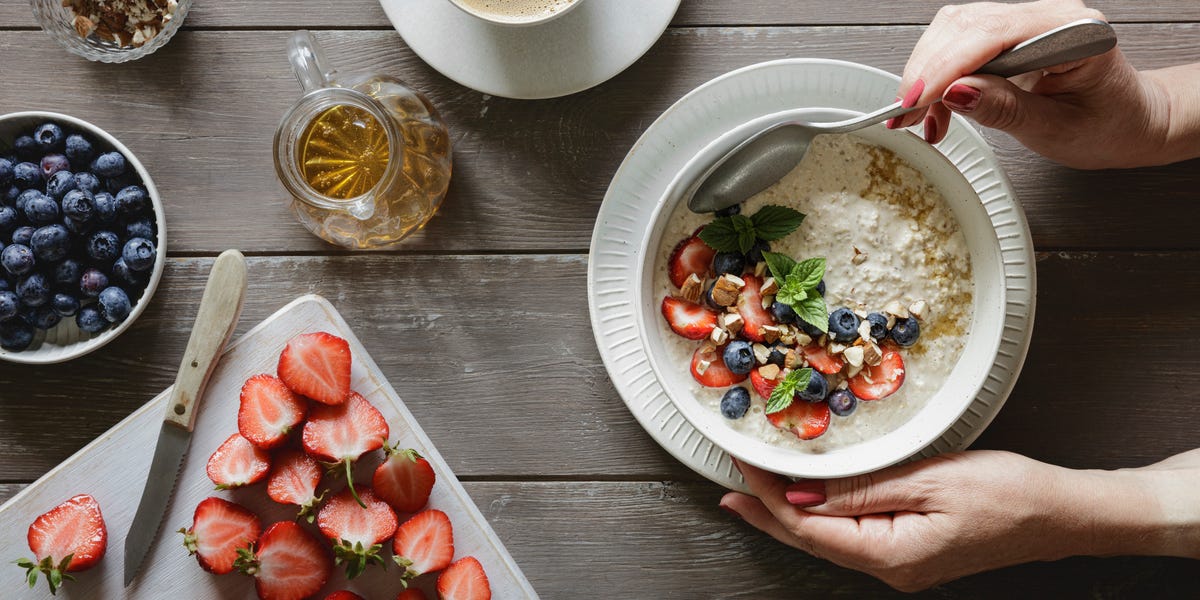
Many factors can affect how long you live and how many healthy and vital years you have. But if you’re filling your plate with the best foods for longevity on a regular basis, chances are you may live a little bit longer.
According to a study in The American Journal of Clinical Nutrition, making the right changes to your diet in your 40s may add as many as nine years to your life. What exactly are those changes? “Fruits and vegetables contain compounds that reduce the risk of heart disease and stroke, some cancers, chronic respiratory diseases, diabetes, and obesity, which is one of the reasons health experts are constantly trying to encourage people to eat more of them,” said Frances Largeman-Roth, R.D.N., a registered dietitian nutritionist and author of Eating in Color.
Meet the experts: Frances Largeman-Roth, R.D.N., a registered dietitian nutritionist and author of Eating in Color; Suzanne Dixon, M.P.H., M.S., R.D.N., a registered dietitian nutritionist and research consulting lead at Humana; Deborah Malkoff-Cohen, M.S., R.D., a registered dietitian based in New York City; Roger E. Adams, Ph.D., a personal trainer and owner of eatrightfitness.
But fruits and vegetables aren’t the only foods that support your longevity and help stave off age-related illnesses. Read on to discover all the foods dietitians recommend to support healthy aging.
The best foods for longevity
Legumes
Beans, peas, lentils, peanuts, and chickpeas are excellent sources of fiber and plant-based protein to stabilize blood sugar and keep cravings at bay. They also help nourish your microbiome, which is important for optimizing longevity.
“A healthy gut microbiome is known to help regulate inflammation, lower blood lipids (cholesterol) and regulate immune function,” explained Suzanne Dixon, M.P.H., M.S., R.D.N., a registered dietitian nutritionist and research consulting lead at Humana. She recommended including at least five servings of legumes in your diet weekly.
Eggs
While eggs do contain dietary cholesterol, research shows that it doesn’t affect your overall blood cholesterol the same way that saturated fats do. In fact, a study in Nutrients found that eating between one and six eggs per week was associated with a 29% lower risk of death from heart disease as well as a lower risk of death from any cause compared to those who rarely or never eat eggs.
Leafy greens
Leafy green vegetables, like spinach, kale, and Swiss chard, are chock-full of folate, which is vital for cell growth and red blood cell formation. They also contain carotenes (pigments that act as antioxidants) that help maintain healthy vision, bones, teeth, and skin.
“Folate from natural food sources helps protect brain function as we age,” Dixon said. On the other hand, “carotenes bring a boost of antioxidants, which protect against DNA decay or the breakdown of cells,” she added. “This damage can accumulate over time, contributing to cancer and heart disease.”
Cruciferous vegetables
Cruciferous vegetables, such as broccoli, cauliflower, Brussels sprouts, and radishes, support the body’s natural detoxification processes. “We have ‘detox’ enzymes, or chemical systems, within our cells (particularly in the liver), and the activity of these enzymes is bolstered by the presence of specific substances found only in cruciferous vegetables,” Dixon explained.
Cruciferous veggies are especially beneficial for women, as they help to keep estrogen levels healthy and thwart off hormone-related cancers such as breast, ovarian, and endometrial (uterine). Dixon suggested sneaking at least five servings of cruciferous veggies into your meals each week.
Extra-virgin olive oil
Extra-virgin olive oil (EVOO) has been a culinary staple for more reasons than it’s plain delicious. It’s proven to help reduce inflammation, lower blood pressure, and improve insulin sensitivity, Dixon said.
“Extra virgin olive oil has an excellent record of research demonstrating benefits to the cardiovascular system, which is particularly important to note these days, given the fact that heart disease is the number one killer in the U.S.,” said Dixon.
Make a homemade salad dressing with EVOO, drizzle some over veggies before roasting them to get them nice and crisp, and sub it in for butter in recipes to reduce saturated fat.
Fatty fish
Make fatty fish, such as wild salmon, herring, mackerel, and sardines, a part of your weekly diet. Research in the Journal of Translational Medicine found that consuming just one serving of fatty fish per week reduced both all-cause mortality risk and heart disease-related death risk.
Sweet potatoes
Okinawans, the people of Japan’s Okinawa islands, are known for living long, healthy lives and have one of the largest populations of centenarians (people who live to 100) in the world. One secret to their longevity? Sweet potatoes, which are loaded with vitamin A, potassium, and fiber.
“Okinawans eat less rice and more sweet potatoes than typical Japanese, and this key difference in the diets of these two groups is believed to play a role in why Okinawans outlive even other Japanese people,” said Dixon.
She recommended eating at least three to five servings per week, ideally in place of other starchy foods like rice, bread, and cold cereal.
Fermented foods
A diet rich in fermented foods supplies good bacteria for maintaining a healthy gut. This is especially important as we age, when our microbiome tends to lose diversity and variety of bacteria.
“A more diverse microbiome is associated with anti-obesity effects and appears to protect against infection and autoimmune disease—it’s one of the mechanisms believed to contribute to declining health with age,” said Dixon.
Load up on kefir, sauerkraut, kimchi, kombucha, and other probiotic foods to keep your digestion in check. Ideally, you want to have at least one serving of fermented foods daily.
Alliums
Onions, garlic, chives, leeks, and shallots do more than just impart a flavorful boost to your dishes. These flowering plants contain a compound known as organosulfur, which aids the body’s detoxification process. They also contain quercetin, a powerful polyphenol that has been shown to fight inflammation, cancer, and diabetes, plus protect against neurodegenerative diseases. Add minced garlic and onions to your stir-fries, salads, and soups to reap their disease-fighting benefits.
Coffee
Good news: You don’t have to quit your coffee habit. Enjoying a cup of joe in moderation is actually good for your health. Research suggests that drinking coffee daily may add up to two years to your life, thanks to the combination of caffeine and powerful antioxidants in the brew. Dixon recommended adding no more than a splash of milk or cream and no more than a teaspoon of sugar to your daily brew. Additional research shows that drinking it in the morning as opposed to later in the day may be the best time of day to drink coffee to boost longevity.
Tea
Tea of all kinds—green, black, white—has long been hailed for its health benefits, thanks to its antioxidant and anti-inflammatory compounds.
“Black tea consumption has been linked with improved bone density in older women in numerous studies, and green tea has been shown to reduce the risk of breast and other cancers,” said Dixon. The best way to score the health benefits of drinking tea without overdoing it on caffeine is to have no more than two to three cups daily.
Greek yogurt
There’s a good reason Greek yogurt makes a healthy breakfast. It’s packed with protein and is low in carbs and sugar. In fact, one 170-gram container of nonfat Greek yogurt contains a whopping 17 grams of protein—nearly 40% of the recommended daily allowance for women and around 30% for men. Deborah Malkoff-Cohen, M.S., R.D., a registered dietitian based in New York City, recommended pairing Greek yogurt with granola and fresh berries as a breakfast. You can also swap it for mayo in creamy dips and sour cream in mashed potatoes, soups, or sauces.
Chia seeds
Chia seeds might be tiny, but their benefits pack a big punch. They contain more protein—nearly 5 grams per one-ounce serving—than any other seed. Plus, they’re rich in heart-healthy omega-3 fatty acids that have also been shown to help support brain health, reduce belly fat, and boost skin health. Since they are basically flavorless, they’re super easy to add to any dish, be it smoothies, juices, or yogurts.
Plums and prunes
Dark-hued fruits, such as plums and prunes, are packed with powerful antioxidants that work to fight free-radical damage in the body.
“Free radicals in the environment can cause damage to our cells, altering their appearance or function, and can even lead to cancer,” warned Roger E. Adams, Ph.D., a personal trainer and owner of eatrightfitness. “The protective effect of antioxidants can keep cells in the body from degrading as quickly and succumbing to the detrimental effects of aging.” Chop up some plums and prunes and toss them into a salad or a smoothie for a hint of natural sweetness.
Avocado
This creamy, green fruit is loaded with vitamins and minerals, including vitamins C, K, B, E, and A, as well as fiber and healthy fats. It also contains a high amount of potassium—even more than a banana. “Potassium helps to lower blood pressure by balancing out the negative effects of salt in the diet; the more potassium you eat, the more sodium you lose through urine,” said Malkoff-Cohen.
Berries
Raspberries, strawberries, blackberries, and blueberries contain antioxidants called polyphenols, which have been found to decrease inflammation throughout the body. Dixon recommended aiming to have three to five servings of berries each week. “Frozen is as good as fresh and more budget-friendly for many people,” she added.
Hemp seeds
Classified as a nut, hemp seeds are rich in nutrients, especially healthy fats that our body is unable to metabolize internally.
“Hemp hearts supply us with two essential fatty acids: linoleic acid (omega-6) and alpha-linolenic acid (omega-3),” said Malkoff-Cohen. “Twenty-five percent of their calories come from protein (for comparison, chia and flax seeds are only 16 to 18 percent protein). You can put them over oatmeal, yogurt parfaits, and even salads.”
Cacao
Chocolate lovers, rejoice! Dark chocolate made from 70% or more cacao is naturally lower in sugar than milk chocolate. Dark chocolate is also a good source of magnesium, which supports a healthy immune system, and iron. A review in Nutrients found that people who consumed dark chocolate with over 70% cocoa content saw reductions in total cholesterol, LDL (bad) cholesterol, fasting blood glucose, and blood pressure, all of which serve to improve your heart health and lower your risk of developing a cardiovascular illness.
Coconut oil
When consumed in moderation (about one to two tablespoons a day), coconut oil can be good for your heart. The saturated fats in coconut oil are different from the ones in animal sources and have been shown to have some health benefits. Coconut oil is also an excellent source of vitamin E, so it makes an excellent natural moisturizer.
Turmeric
This golden spice has been shown to provide a myriad of health benefits, including preventing heart disease, Alzheimer’s, and cancer, as well as warding off depression and arthritis. Curcumin—the active ingredient in turmeric—is what gives this super-spice its inflammation-fighting powers. Add turmeric to everything from eggs and rice to soups and smoothies for an added nutritional kick.
Oatmeal
When it comes to whole grains, it doesn’t get much healthier than oats, which have been linked to lowering blood sugar levels and cholesterol. “If we can prevent those spikes in blood glucose long-term, it’s much better for our hearts,” Largeman-Roth said. “A bowl of oatmeal daily is a great way to get this benefit, but I also like adding oats to muffins and pancakes.”
Mushrooms
Mushrooms are a wonderful source of nutrients, particularly vitamin D, which helps maintain healthy bones. Eating ‘shrooms may also help keep your mind sharp. Whether you eat them raw or cooked, you’re scoring a healthy dose of healthy-aging benefits with mushrooms.
This article was originally published in 2019 and has since been updated.
Read the full article here


