





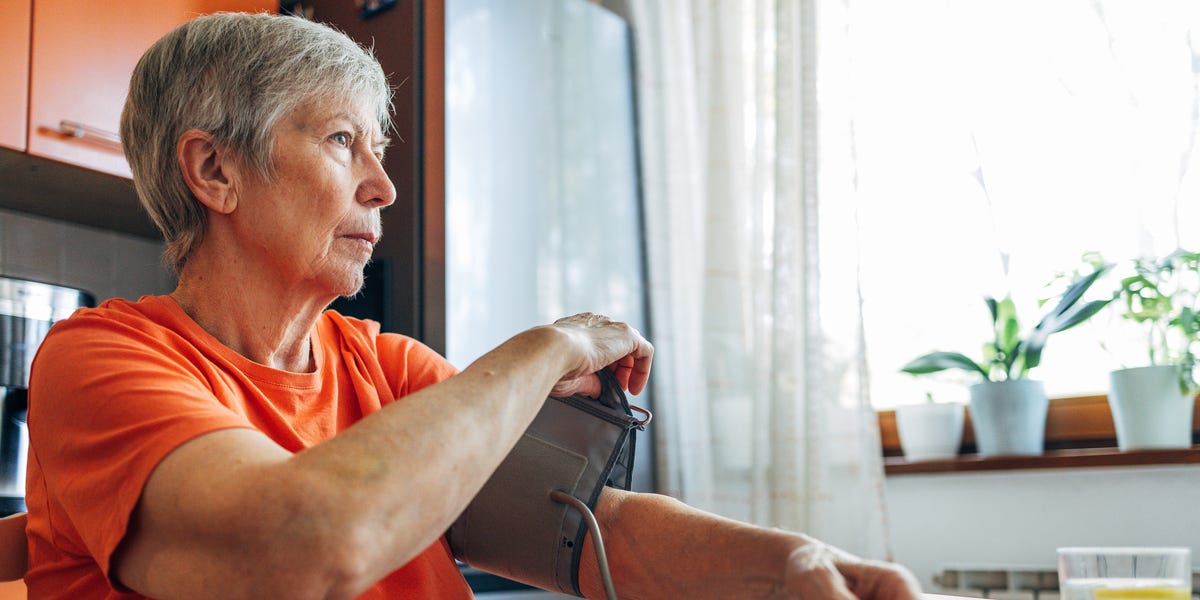
Blood pressure can have a big impact on cardiovascular and overall health. When it’s high, which is also known as hypertension, it forces your heart to pump harder. That can stress a range of areas in your body, including your arteries, nerves, and kidneys.
High blood pressure can sneak up on you, and it often doesn’t cause symptoms, per the Centers for Disease Control and Prevention(CDC). If you’re at risk of high blood pressure or just want to keep tabs on your health, it makes sense to invest in a home blood pressure monitor.
These devices allow you to stay on top of blood pressure readings without having to constantly be at your doctor’s office. But there’s a right and wrong way to take your blood pressure, including the best time to take your blood pressure. Incorrect readings raise the risk you’ll undergo unnecessary testing—or miss something important.
There isn’t one exact way to take your blood pressure, but there are some overall rules that healthcare providers typically suggest when it comes to monitoring yourself at home.
Meet the experts: Hoang Nguyen, M.D., an interventional cardiologist at MemorialCare Heart & Vascular Institute at Orange Coast Medical Center in Fountain Valley, CA; Rigved Tadwalkar, M.D., a consultative cardiologist and medical director of the Cardiac Rehabilitation Center at Providence Saint John’s Health Center in Santa Monica, CA; Dawn Warner Kershner, D.O., a cardiologist with The Heart Center at Mercy in Baltimore, MD; Janet M. O’Mahony, M.D., a Baltimore-area internal medicine doctor at Mercy Medical Center.
Whether you’ve been diagnosed with a cardiovascular health issue and your doctor recommended that you track your blood pressure at home or you’re tracking your stats as a precaution and want to make sure you’re doing it accurately, here’s what doctors want you to keep in mind about doing these tests on your own.
What is blood pressure?
Blood pressure is the amount of force your blood uses to push through your arteries. Blood pressure is read as two numbers: systolic blood pressure and diastolic blood press.
Systolic blood pressure, or the top number in your reading, measures the pressure your blood is pushing against your artery walls when your heart beats, per the American Heart Association (AHA). Diastolic blood pressure, or the bottom number, measures the pressure your blood is pushing against your artery walls between heartbeats.
A higher number of systolic or diastolic blood pressure can signal high blood pressure, per the AHA. However, systolic blood pressure signals more about risk factors for heart disease for people over 50. When systolic blood pressure increases, it’s typically a sign that larger arteries have become stiffer, and there is more plaque buildup in the arteries, according to the AHA.
Who should take their blood pressure at home?
The AHA recommends that all people who are diagnosed with high blood pressure monitor themselves at home. This helps to let healthcare professionals know if their treatment plan is working.
But your healthcare provider may also suggest monitoring your blood pressure at home if you have risk factors for high blood pressure or other health conditions linked to high blood pressure, like type 2 diabetes or obesity, according to the AHA.
When to take blood pressure
There are a few different things to keep in mind when it comes to taking your blood pressure. The AHA recommends that you take it at the same time every day (this makes it easier to compare your numbers). It’s also important to take two readings a minute apart.
But it’s helpful to talk to your healthcare provider about when might be the best time for you, especially if you’re taking blood pressure medication, says Rigved Tadwalkar, M.D., a consultative cardiologist and medical director of the Cardiac Rehabilitation Center at Providence Saint John’s Health Center in Santa Monica, CA.
“I usually ask patients to take their blood pressures at different times of day so I can make sure they are well covered for 24 hours,” says Dawn Warner Kershner, D.O., a cardiologist with The Heart Center at Mercy in Baltimore, MD. “I do not believe there is one best time of day.” There are factors like whether you’ve recently worked out or had coffee to keep in mind, though. (More on that in a moment.)
But Dr. Tadwalkar says it’s also important not to be obsessive about taking your blood pressure. “I advise people not to check their blood pressure too often in a day,” he says. It “almost invariably leads to higher overall blood pressure values,” Dr. Tadwalkar adds.
Understanding your blood pressure numbers
Your healthcare provider will usually talk to you about blood pressure numbers that they’d like for you to aim for. However, there are some universal numbers to keep in mind.
“The goal blood pressure is 120/80 mmHg, 100% of the time,” Dr. Kershner says. But slight variations aren’t always cause for concern. Speak with your healthcare provider to figure out what’s best for you.
Here’s a breakdown of what blood pressure readings usually mean, according to the AHA:
- Low: Systolic of less than 90 mmHg and diastolic of less than mmHg.
- Normal: Systolic of less than 120 mmHg and diastolic of less than 80 mmHg
- Elevated: Systolic of 120-129 mmHg and diastolic of less than 80 mmHg
- Hypertension (Stage 1): Systolic of 130-139 mmHg or diastolic of 80-89 mmHg
- Hypertension (Stage 2): Systolic of 140 mmHg or higher or diastolic of 90 mmHg or higher
Does blood pressure from your smartwatch mean anything?
Some smartwatches and fitness trackers will now allow you to take a blood pressure reading. But it’s still better to rely on a standard cuff home blood pressure monitor as much as possible, says Janet M. O’Mahony, M.D., a Baltimore-area internal medicine doctor at Mercy Medical Center.
“[Home fitness trackers] are not at all accurate,” she says. “To measure blood pressure there has to be a cuff that blows up, preferably in the upper arm, but sometimes at the wrist.” It’s also important to calibrate your blood pressure monitor to make sure it matches an in-office blood pressure cuff.
That doesn’t mean your smartwatch’s blood pressure reading is meaningless, but it should be viewed as more of a general sense of your blood pressure is vs. an actual blood pressure reading.
Something else to keep in mind, per Dr. O’Mahony: If your doctor has asked you to do blood pressure monitoring at home, they may not view your smartwatch readings as reliable. “I usually only use home readings that are on a calibrated device,” she says.
When to call a doctor
If you get a concerning reading, it’s usually best to wait a few minutes and take it again, just to be safe, Dr. Tadwalkar says.
But Hoang Nguyen, M.D., an interventional cardiologist at MemorialCare Heart & Vascular Institute at Orange Coast Medical Center in Fountain Valley, CA, recommends contacting your doctor if your blood pressure is greater than 180/120 mmHg on several measurements while you’re seated.
“You should call 911 if these blood pressure readings are associated with symptoms…such as headache, vision changes, weakness, numbness, chest pain, or shortness of breath,” Dr. Nguyen says.
But if your blood pressure readings are also consistently elevated (just maybe not that high), Dr. Kershner says it’s also a good idea to check in with your healthcare provider about next steps. While foods that lower blood pressure may help, medication may be necessary.
Things to avoid when taking your blood pressure
There are a lot of elements that can impact your blood pressure reading, making it important to plan ahead for when you’ll use your monitor, says Dr. Nguyen. You’ll want to avoid these things with 30 minutes of taking your blood pressure:
- Smoking
- Drinking caffeinated beverages
- Exercising
It’s also important to empty your bladder in advance, and to remove the clothing over the arm that you’ll use to measure blood pressure, per the AHA.
Tips for taking your blood pressure
Doctors say there are a few important things to do to get an accurate blood pressure reading:
- Make sure you have an arm cuff that fits well.
- Remain seated quietly for at least three to five minutes before taking a reading (this gives you time to relax, Dr. Tadwalkar explains).
- Put both feet flat on the ground and sit in a straight-backed chair.
- Place your arm on a surface that’s about level with your heart.
If you’re unsure about how to take your blood pressure at home or if you’re doing it properly, it’s a good idea to check in with your healthcare provider. But if you feel like you’ve got the process down, just be sure to carefully record your readings. Your doctor will want to see them at your next appointment to keep tabs on your progress, Dr. Kershner says.
Looking for an at-home monitor? Add one of these to your medicine cabinet:
Best Overall

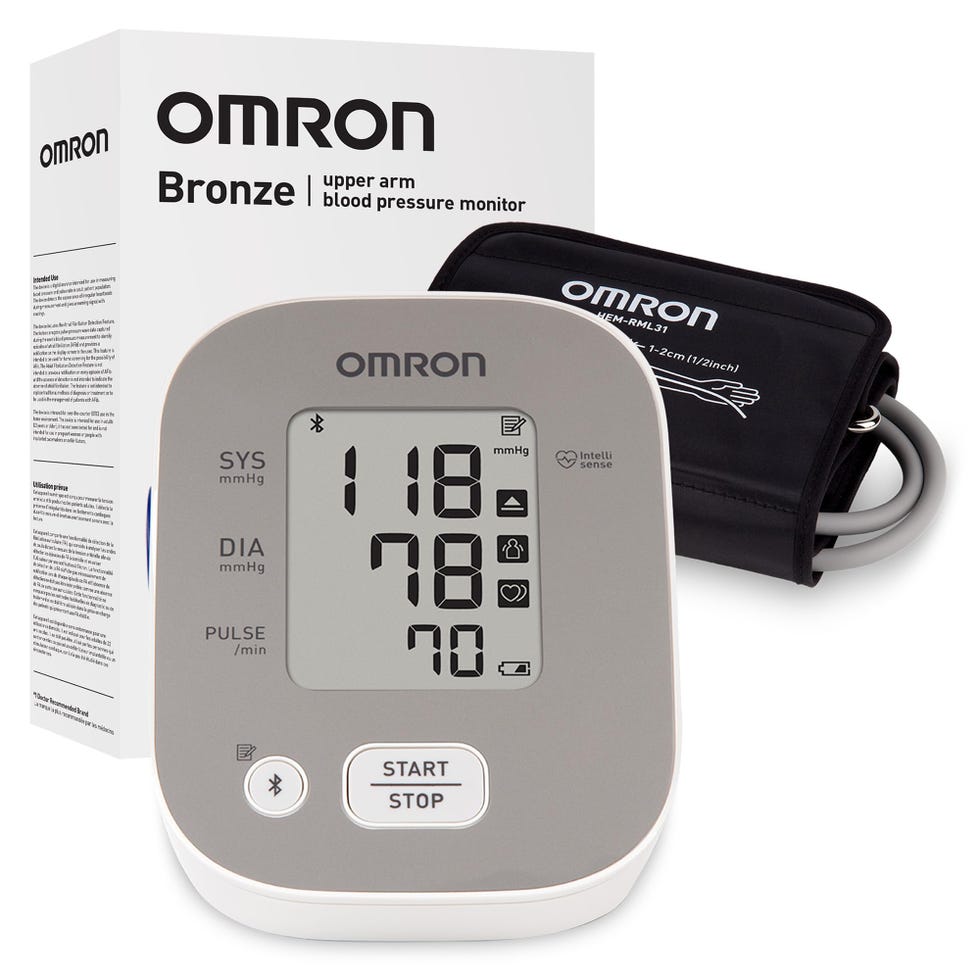
Omron Bronze Blood Pressure Monitor
Best Portable

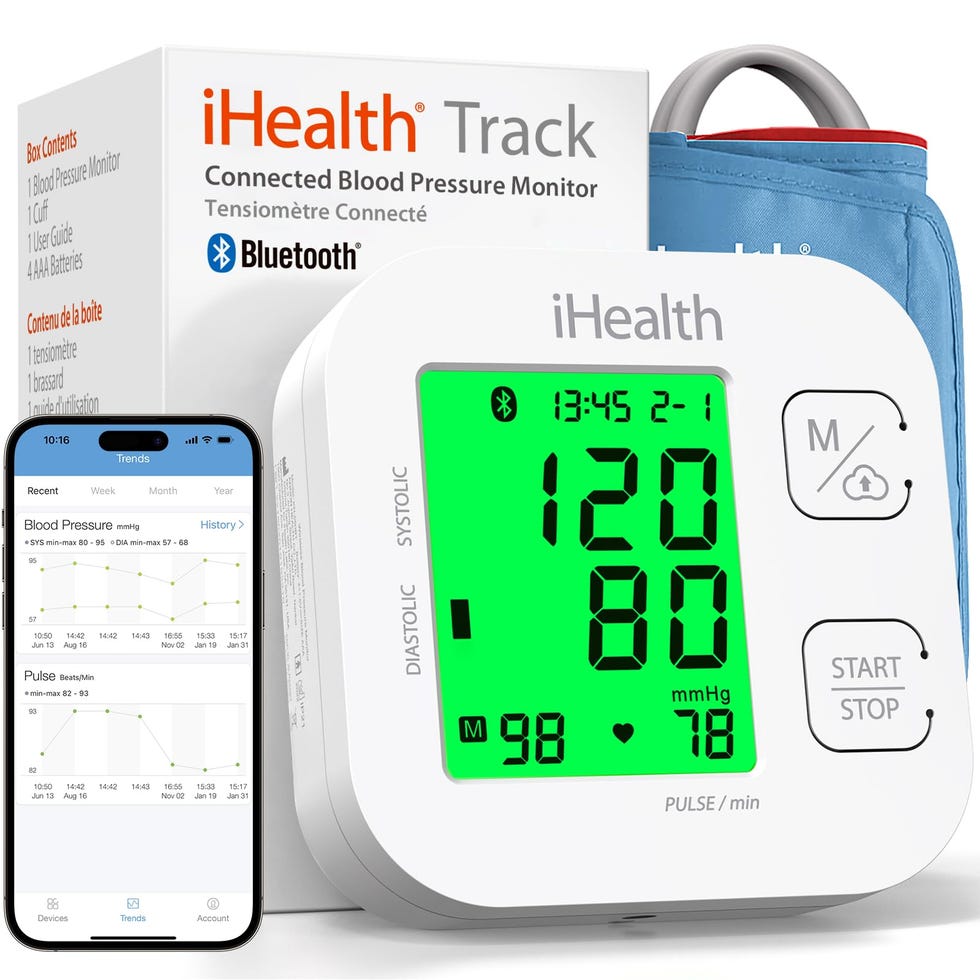
iHealth Upper Arm Blood Pressure Monitor
Now 40% Off
Best Reviews
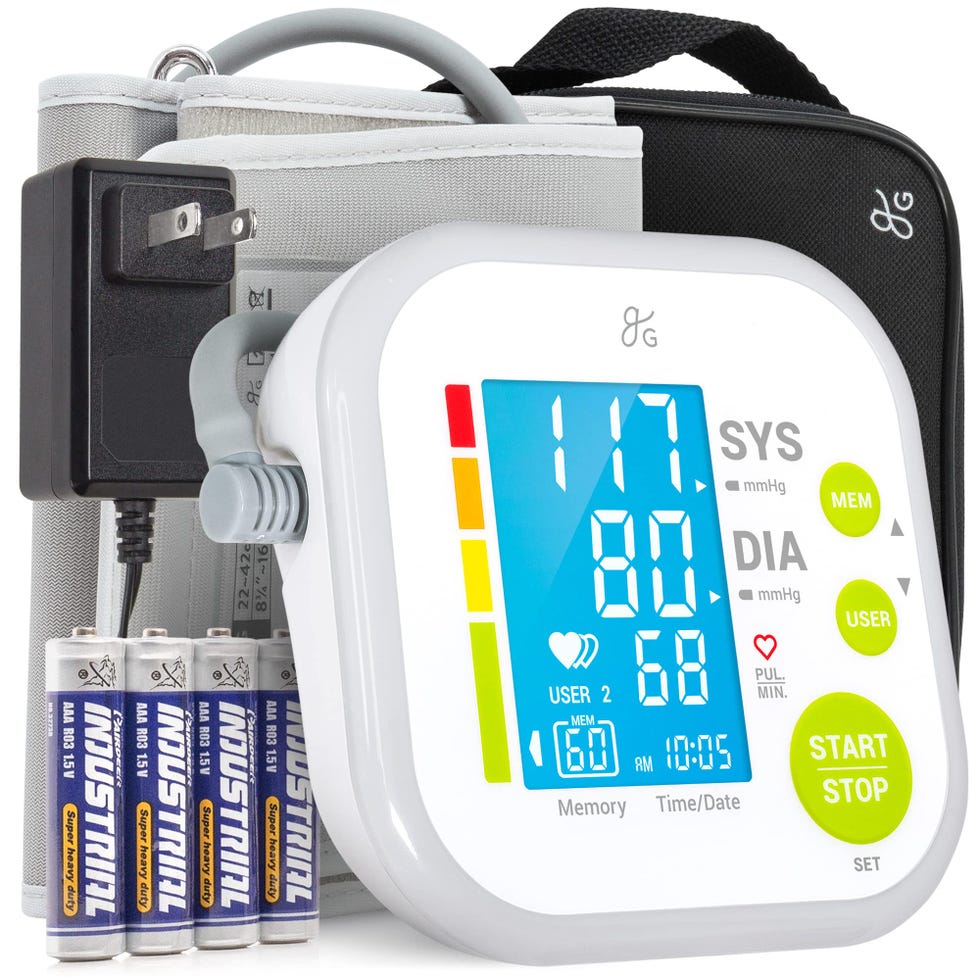
Greater Goods Blood Pressure Monitor Cuff
Read the full article here


