






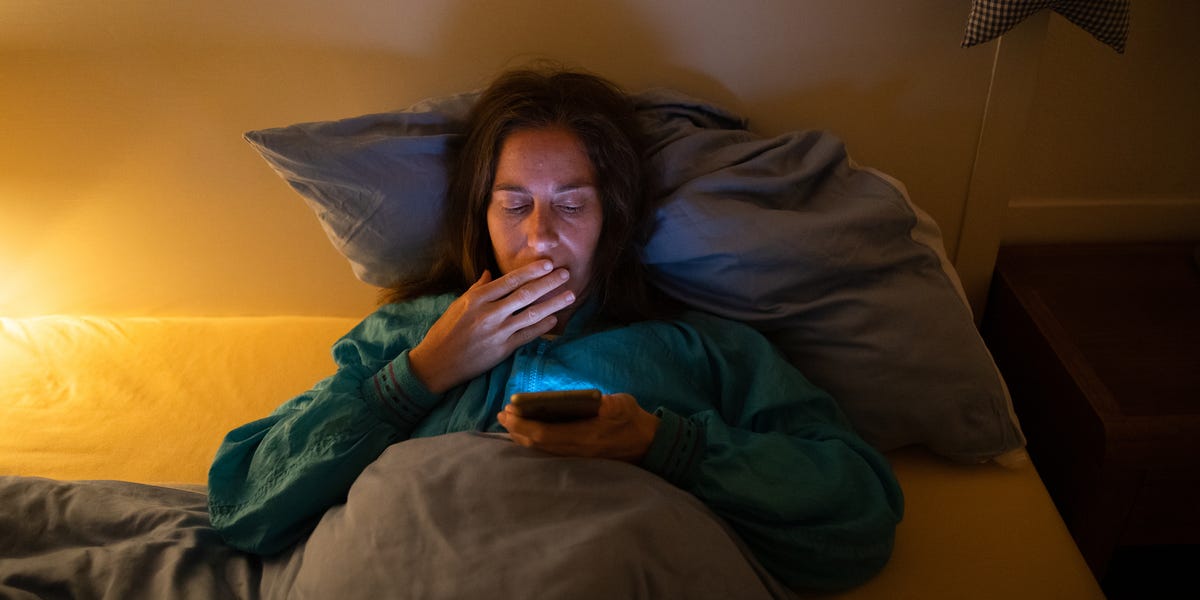
Blood pressure is an indicator of how hard blood pushes against the walls of your arteries. But more than that, a blood pressure reading can clue you in on your risk of developing cardiovascular disease and stroke. Your blood pressure can be impacted by a range of things, including how stressed you are and how much sleep you got. But what happens to your blood pressure when you don’t get enough sleep? As you can imagine, the result isn’t ideal.
Meet the experts: Jim Liu, M.D., a cardiologist at The Ohio State University Wexner Medical Center; Cheng-Han Chen, M.D., interventional cardiologist and medical director of the Structural Heart Program at MemorialCare Saddleback Medical Center in Laguna Hills, CA
“Blood pressure is typically lowest in the overnight and early morning hours,” says Jim Liu, M.D., a cardiologist at The Ohio State University Wexner Medical Center. “It usually increases during the day and peaks around midday or afternoon before it starts falling again.”
Sleep is restorative for your blood vessels, allowing them to rest, explains Cheng-Han Chen, M.D., interventional cardiologist and medical director of the Structural Heart Program at MemorialCare Saddleback Medical Center in Laguna Hills, CA. But when you don’t get the sleep you need, it can throw this restorative process out of whack. Here’s how.
What happens to your blood pressure when you don’t get enough sleep?
A few things can happen to your blood pressure when you don’t get enough sleep.
Lack of sleep can raise your blood pressure. “Studies have shown that getting less than six hours of uninterrupted sleep per night has been associated with high blood pressure,” Dr. Liu says. One review of 14 studies published in Sleep Medicine: X found that people who were sleep deprived had an increase in blood pressure afterward.
Another study published in the journal Hypertension found that people who got less than seven hours of sleep were 20% to 30% more likely to have high blood pressure.
There can also be an indirect effect on your blood pressure from lack of sleep, Dr. Chen says. “You tend to eat more when you’re tired and have worse insulin resistance,” he says. “Both of those are risk factors for high blood pressure.”
By the way, this isn’t just about how long you sleep. “Sleep quality is also important,” Dr. Liu says. “Other sleep disorders, such as sleep apnea, can also contribute to high blood pressure.”
What does this mean for you?
While one night of bad sleep can temporarily raise your blood pressure, doctors stress that this is more of an issue if lack of sleep is a regular thing for you.

Add Prevention as a preferred source in your Google search results.
Use your Google account to add this to your settings.


Consistently not getting enough sleep can raise your blood pressure and keep it elevated, Dr. Chen says. “High blood pressure is a major risk factor for many types of cardiovascular diseases, the most serious being heart attack and stroke,” he says.
It’s not just about your heart health, though. “If blood pressure is uncontrolled, this can lead to long-term damage to certain body organs, such as the brain, kidneys, and eyes,” Dr. Liu says.
Will getting more sleep help?
Possibly. “Over time, you will eventually be able to slowly reverse some of those effects,” Dr. Chen says. “It won’t be overnight—you won’t get one good night of sleep, and then it’s okay.” Instead, he says it’s crucial to make getting seven-plus hours of sleep a night a long-term health habit.
Of course, if you’re consistently struggling to get a good night’s sleep, it’s important to see a healthcare provider. They may want to do a sleep study to see what could be going on and make recommendations from there.
Other ways to improve your blood pressure
Whether you have high blood pressure or want to do what you can to lower your risk, the American Heart Association (AHA) recommends taking the following steps to keep your blood pressure in check:
- Eat a well-balanced diet
- Limit or avoid alcohol
- Try to get 2.5 hours of moderate-intensity exercise, or 75 minutes of vigorous physical activity a week
- Try to manage stress
- Reach and maintain a healthy weight
- Quit smoking (or don’t start)
- Take your medications properly
- Work with your health care professional
Read the full article here


