







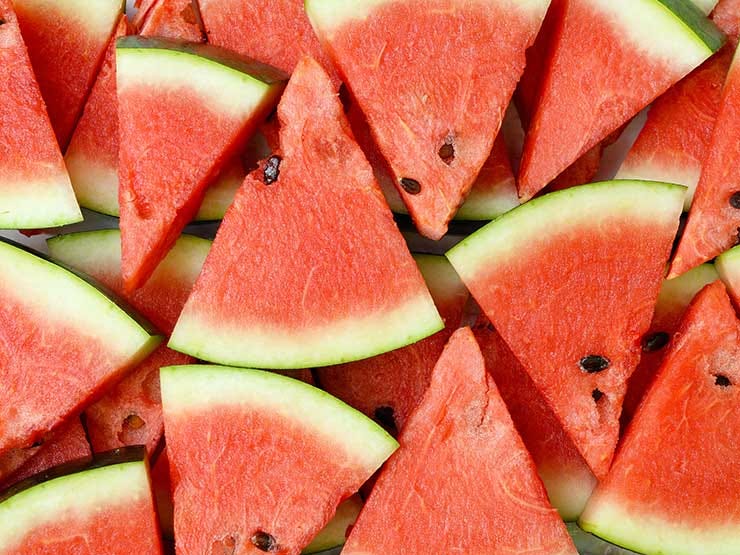
When summer heat peaks, staying hydrated can feel like a full-time job—and what you eat plays a bigger role than most people realize. As a dietitian, that’s something I already believe, so when my editor suggested I spend a few weeks eating watermelon every day and report back, I didn’t need much convincing. It’s peak summer, I’m in Charleston where the humidity is relentless, and watermelon is basically a warm-weather staple in my house. I ate 1 cup every day for a few weeks and paid close attention to what I noticed.
Here’s what I found—and what science has to say about it.
What happened when I ate watermelon every day
I kept it simple. Each day I ate 1 cup of diced watermelon, which is a standard serving. Most days I ate it plain, mostly because it’s delicious on its own and honestly doesn’t need any help. A cold bowl of watermelon after a walk in the Charleston heat is hard to beat.
I did mix things up a little bit, though. One day, I made a watermelon-feta salad, with a little salty cheese against the sweet fruit, which is a combination I’ll happily eat all summer. Another day I tossed some into a smoothie for an easy, refreshing breakfast.
The clearest thing I noticed? I felt more hydrated. On hot days, reaching for watermelon felt like an easy, pleasant way to get more fluid in without forcing down another glass of water. I’m not going to overstate it, since this was a personal experiment and not a controlled study. But that hydrated, refreshed feeling was the standout.
Beyond that, I found myself thinking about watermelon in ways I hadn’t before. Its versatility in recipes, from savory salads to icy granitas, made it an unexpected staple in my kitchen. Plus, the vibrant color and natural sweetness seemed to brighten up every dish, almost like a little celebration of summer on my plate. There’s no denying that watermelon became more than just a snack; it turned into a seasonal joy.
I didn’t notice any dramatic changes in terms of gut health or heart health during this experience. To be fair, these are areas where tangible results are often subtle and usually take more time to manifest. It’s unrealistic to expect miracles after just a week of consistent watermelon consumption, especially since deep health benefits often build gradually with sustained habits. Still, I appreciated the opportunity to focus on such a nutrient-rich fruit and remind myself that small, intentional choices can contribute to long-term wellness over time. Sometimes, it’s less about immediate results and more about laying the foundation for healthier routines.
Watermelon nutrition
Here is what you will find in a one-cup serving of watermelon, based on information provided by the United States Department of Agriculture (USDA):
- Calories: 46
- Water content: ~92%
- Carbohydrates: 11.5g
- Natural sugars: 9.4g
- Protein: 0.9g
- Fat: 0.2g
- Fiber: 0.6g
- Sodium: 0mg
- Cholesterol: 0mg
- Vitamin C: 12.3mg
- Vitamin A: 865 IU
- Potassium: 170mg
- Magnesium: 15.2mg
It also contains an impressive amount of two compounds that get a lot of attention: lycopene, the antioxidant that gives watermelon its red color, and L-citrulline, an amino acid.
Health benefits of watermelon
Helps keep you hydrated
Watermelon is about 92% water, making it one of the most hydrating foods you can eat. Along with being a fluid source, watermelon also delivers electrolytes, such as potassium and magnesium, which are essential for maintaining proper hydration and muscle function. By snacking on watermelon, you’re replenishing both water and vital nutrients in a delicious way. That matters more than people often realize, especially in summer, when heat and sweat push your fluid needs higher. Foods contribute meaningfully to your daily fluid intake alongside drinks, so a cup of watermelon on a hot afternoon is doing double duty: it’s a snack and a hydration helper at the same time.
This was the benefit I felt most consistently during my experiment. On days I ate watermelon in the afternoon, I felt more refreshed and less run-down by evening. That’s a personal observation, not a clinical finding. But the pattern was consistent enough that hydration is always the first thing I mention when someone asks me why watermelon is worth eating in summer.
Provides antioxidant support
Watermelon is a dietary source of an antioxidant called lycopene, which gives the fruit its red hue. It contains more lycopene than any other fresh fruit or vegetable, with a 2-cup serving providing 12.7 mg.
As an antioxidant, lycopene helps protect your cells from oxidative stress, which is linked to aging and chronic disease over time. Some data has linked lycopene intake to skin health benefits, and other data links higher intake of this antioxidant to a reduced risk of developing prostate cancer, among certain populations. Eating foods rich in antioxidants like lycopene is one of the ways a healthy diet supports your body at the cellular level.
May support heart and vascular health
Watermelon may support heart health in several ways, with one being that it is a source of potassium (6% DV per serving). Potassium helps support normal blood pressure by balancing sodium in the diet.
Watermelon is also a source of L-citrulline (286-1266 mg per 2-cup serving), a naturally occurring compound that the body can convert to L-arginine, which plays a role in producing nitric oxide to help blood vessels relax and support healthy circulation.
Some research suggests that regular intake of citrulline-rich foods or supplements may help support vascular function and blood pressure, especially in people with elevated blood pressure.
May help fuel exercise and support post-exercise recovery
Watermelon does more than cool you down on a hot day. A 2-cup serving provides about 21 grams of carbohydrates, the kind of fuel your body uses during physical activity. And as mentioned before, it provides water and potassium to support hydration, which is a key factor when exercising.
In one randomized crossover study, 20 trained cyclists completed 75 km time trials, and watermelon puree fully the energy demands of their endurance exercise about as well as a standard carbohydrate beverage. That makes watermelon a refreshing way to take in carbohydrates and fluid around your workout.
The L-citrulline found in watermelon may also help when it comes to exercise, as it may help reduce muscle soreness.
Who should not eat watermelon?
For most people, watermelon is a hydrating fruit that fits easily into a balanced diet. Still, there are a few situations where a little extra awareness helps.
If you’re monitoring your blood sugar, it’s worth being mindful of portion size and what you pair watermelon with. Like other fruits, it contains natural sugars, so balancing it with a source of protein or healthy fat can help. The watermelon-feta salad I mentioned is a nice example of that kind of pairing.
And as always, if you’re managing a specific health condition or following a medically prescribed eating plan, lean on personalized guidance from your own healthcare provider or dietitian. Individual needs vary, and your situation deserves advice tailored to you.
The bottom line
A few weeks of eating watermelon every day turned out to be one of the more enjoyable experiments I’ve done. It didn’t require any huge effort (just needed a sharp knife to carve my melon!), it fit naturally into my routine, and on hot Charleston afternoons, it was genuinely something I looked forward to. That might sound like a low bar, but I think that’s actually the point; the best healthy habits are the ones that don’t feel like a chore.
If you’re looking for a simple way to support your health and your hydration this summer, watermelon is a pretty easy place to start. Eat it plain, pair it with feta, blend it into a smoothie, or even dip wedges in dark chocolate as a simple dessert. There’s no wrong way to enjoy it. And knowing it’s also nutrient-rich and backed by some solid science makes it taste even better.
Read the full article here


