







Of all the risk factors for heart disease, high blood pressure may be the one over which you have the most control. Actively making choices to help lower your blood pressure naturally, like regularly incorporating the best foods for high blood pressure into your meals, can go very far towards improving your heart health.
In fact, what you eat plays an even larger role in your blood pressure than you may expect. “Diets high in salt are known to potentially cause increases in blood pressure, while diets rich in fruits and vegetables tend to be associated with lowering blood pressure,” said Melissa Prest, D.C.N., R.D.N., national media spokesperson for the Academy of Nutrition and Dietetics and member of the Prevention Medical Review Board. These keys are hallmarks of the DASH diet (which stands for Dietary Approaches to Stop Hypertension). “[This eating plan is] rich in foods that have a high content of calcium, magnesium, potassium, protein, and fiber,” explained Marwah Abdalla, M.D., M.P.H., a cardiologist at New York-Presbyterian/Columbia University Irving Medical Center. That means eating plenty of fruits, vegetables, low-fat dairy, and other high-fiber foods to help keep blood pressure in check.
Meet the Experts: Marwah Abdalla, M.D., M.P.H., a cardiologist at New York-Presbyterian/Columbia University Irving Medical Center; Maya Feller, M.S., R.D., C.D.N., the founder and lead dietitian at Maya Feller Nutrition in New York City; Melissa Prest, D.C.N., R.D.N., national media spokesperson for the Academy of Nutrition and Dietetics and member of the Prevention Medical Review Board.
In many cases, lifestyle changes in tandem with the DASH diet may help manage blood pressure in just three months, said Maya Feller, M.S., R.D., C.D.N., the founder and lead dietitian at Maya Feller Nutrition in New York City. But if you don’t want to or don’t need to adopt an entirely new eating plan just yet, consider incorporating some of the following foods into your meals on a regular basis.
Top foods to eat for high blood pressure
Low-fat or fat-free yogurt
Low-fat dairy products are a great source of calcium, which is one of the main compounds that help combat high blood pressure. Feller said that potassium, protein, vitamins, and minerals from yogurt complement your heart-healthy diet as well. A 12-ounce serving of low-fat yogurt will give you about 30% of the recommended amount of calcium for the day.
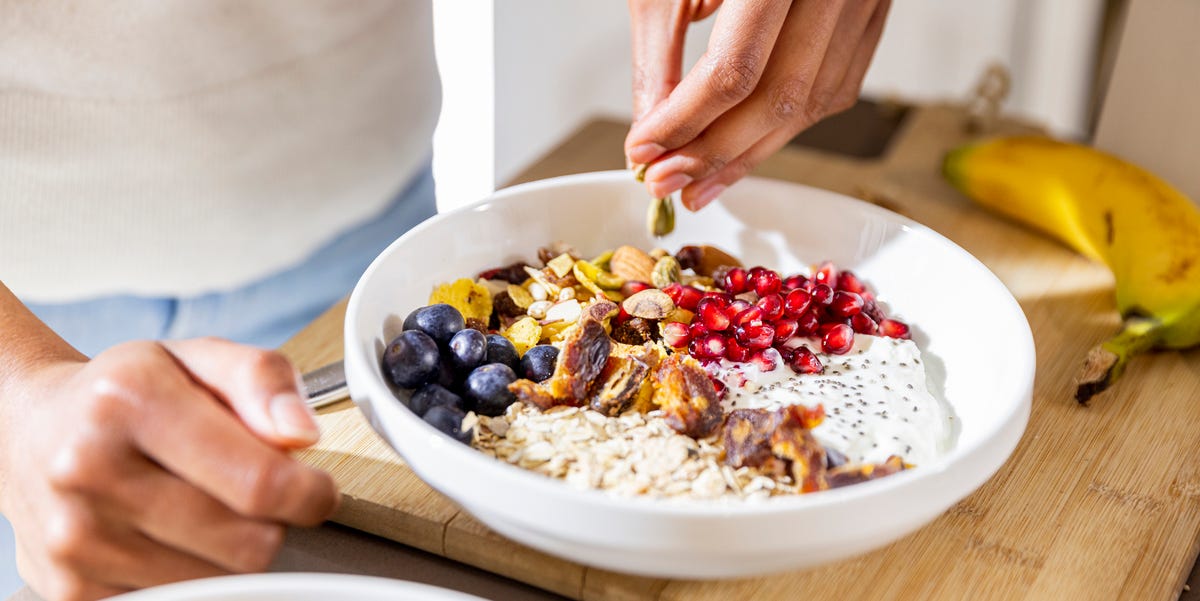
Try it: For a burst of morning energy, mix a cup of low-fat Greek yogurt with granola, almond slivers, and berries for an extra healthy boost.
Berries
Berries, but specifically blueberries, are packed with nitric oxide, a gas that helps increase blood flow, thus lowering blood pressure. A review published in Nutrients found that there is encouraging evidence for the benefits of blueberries, cherries, and raspberries for lowering blood pressure.
Try it: Add blueberries and other berries to your morning oatmeal and salads for lunch, or make them your dessert after dinner. And for a bowl as healthy as it is pretty to look at, dive into this decadent Spiced Blueberry Smoothie Bowl.
Leafy greens
Leafy greens like kale, spinach, collard greens, arugula, Swiss chard, beet greens, and romaine lettuce are excellent sources of potassium and magnesium. These work together to regulate blood pressure, according to Dr. Abdalla.
Try it: Think outside of the salad and glorify your greens in omelets, smoothies, and sandwiches. Or if you want to sneak greens into a flavorful meal, try this Roasted Chicken and Potatoes With Kale.
Garlic
According to the National Institutes of Health (NIH), the compound allicin in garlic may be able to help reduce blood pressure. Allicin is released when garlic is crushed or chopped. However, doctors don’t recommend using garlic supplements since there is limited research on their effectiveness for hypertension.
Try it: Make your own garlic spread by sprinkling olive oil on a full head of garlic, and then baking it in the oven until it’s brown and soft. Cut off the top layer of the garlic head to produce a creamy and buttery texture.
Sweet potatoes
In addition to being a good source of fiber, sweet potatoes are rich in potassium and magnesium, all of which support heart health and lower blood pressure naturally. According to a study in Food Bioscience, consuming sweet potatoes not only helps lower blood pressure but also improves vitamin A intake and blood glucose levels.
Try it: Baking sweet potatoes in the oven with your choice of protein makes a quick and satisfying sheet pan dinner. Or if you want sweet potatoes to be the star of the show, try this recipe for Veggies on Sweet Potato Mash.
Oatmeal
High-fiber whole grains, especially oatmeal, may help lower your risk of cardiovascular disease, support weight loss, and lower your cholesterol. A review published in the European Journal of Nutrition found that adding oats to your diet may help reduce total cholesterol, LDL (bad) cholesterol, and body mass index.
Try it: Oatmeal for breakfast is a great way to start your day with whole grains. These Citrus-Spiced Overnight Oats may just be the easiest make-ahead breakfast, ever.

Add Prevention as a preferred source in your Google search results.
Use your Google account to add this to your settings.


Salmon
Fatty fish like salmon and mackerel are high in omega-3 fatty acids, which reduce inflammation and can help lower blood pressure, per the American Heart Association (AHA). Salmon is also a great source of vitamin D, which helps the body absorb calcium, protect against depression, and regulate blood pressure.
Try it: Cooking fatty fish is super easy. Simply season it with salt, pepper, and herbs, add a little olive oil, and pop it in the oven to broil. For more inspiration, try one of our best salmon recipes.
Avocado
Creamy avocado is a great source of calcium, magnesium, and potassium—all of which help to bring your blood pressure numbers down. One avocado contains about 850 milligrams of potassium, which is about 32% of the daily intake for adult women.
Try it: Enjoy this unique take on avocado toast or add avocado to a salad like this Salmon Salad With Green Goddess Dressing.
Quinoa
It’s hard to go wrong with quinoa. According to a study in Frontiers in Nutrition, not only is it more nutritious than most grains with a higher content of protein, vitamins, and minerals, but it may also help you fight a number of chronic conditions, including hypertension, diabetes, and heart disease.
Try it: Quinoa doesn’t just have to be for dinner. You can also turn it into a cold “cereal” or bake it into these Berry-Quinoa Muffins for a delicious breakfast.
Broccoli
Cruciferous vegetables, like broccoli, are high in all four compounds that help lower blood pressure—calcium, potassium, magnesium, and vitamin C. In fact, research in BMC Medicine found that higher intake of cruciferous vegetables (like broccoli, cauliflower, and Brussels sprouts) was linked to a lower systolic blood pressure.
Try it: Try a pizza like this Broccoli and Red Onion Flatbread, or make a super simple Pan-Fried Chicken With Lemony Roasted Broccoli. Then, be sure to use the stalks in this Charred-Broccoli Relish.
Unsalted pumpkin seeds
Both pumpkin seeds and pumpkin seed oil are rich in blood pressure-lowering magnesium and zinc. In fact, they are a top food source of magnesium, offering nearly 40% of the daily recommended intake per ounce. Just be aware that store-bought pumpkin seeds tend to contain significant amounts of added salt, so it’s best to buy unsalted varieties or roast your own.
Try it: This Sauteed Butternut Squash, Kale, and Pumpkin Seed Penne is a delicious, quick dinner that can help your numbers go down.
Foods to limit if you have high blood pressure
Just as some foods can lower blood pressure naturally, there are others that can raise it. According to the AHA, you should limit these foods when trying to bring your numbers down:
- Saturated and trans fats
- Alcoholic beverages
- Sodium, or salt
- Fatty and processed meats
- Items with added sugar, such as sugar-sweetened beverages
Other smart strategies to lower high blood pressure
Adjusting your diet isn’t the only way to lower your blood pressure naturally. There are also several lifestyle changes you can make to help lower your blood pressure. Per the AHA, this is what you may do to supplement your dietary efforts:
- Exercise regularly
- Manage stress
- Reach and maintain a healthy weight
- Quit smoking
- Take your medications as prescribed
- Work with your healthcare provider to make a plan that’s right for you
Read the full article here


