

For most people, carrots are the first food they think of when they think of vitamin A. This impulse is a good one—there are very few foods with more vitamin A than carrots. However, there are many foods that do deliver an impressive dose of this important nutrient.
Vitamin A “plays a crucial role in various bodily functions, including vision, immune system function, reproduction, cellular communication, and the health of organs like the heart, lungs, and kidneys,” explained Joanna Gregg, M.S., R.D., a registered dietitian and food data curator at MyFitnessPal. “It is also essential for maintaining healthy skin, mucous membranes, and the integrity of epithelial tissues.” In other words, not getting enough vitamin A can affect a host of body systems and processes.
Meet the experts: Joanna Gregg, M.S., R.D., a registered dietitian and food data curator at MyFitnessPal; Lauren Twigge, M.C.N., R.D.N., L.D., founder of Lauren Twigge Nutrition; Amy Shapiro, M.S., R.D., C.D.N., the founder and director of Real Nutrition in New York City; Autumn Ehsaei, M.S., R.D.N., L.D.N., the founder of Perennial Nutrition in Cary, N.C.; Sydney Greene, M.S., R.D.N., a registered dietitian nutritionist at Greene Health in Boulder, Colo.
Vitamin A is an essential vitamin, which means that your body cannot make it on its own. Instead, you need to get it from food. Vitamin A is naturally found in two different forms in food, said Lauren Twigge, M.C.N., R.D.N., L.D., founder of Lauren Twigge Nutrition: preformed vitamin A or retinoids (which are found in animal products, like meat and dairy) and provitamin A or carotenoids (which are found in red, orange, and yellow-pigmented fruits and vegetables). Preformed vitamin A is particularly crucial for the functioning of the retina and its ability to help you see in the dark, Gregg explained. Provitamin carotenoids, like beta-carotene found in carrots, are “converted by the body into active forms of vitamin A as needed,” she added. Carotenoids double as antioxidants, too, which help protect cells from free radical damage.
The recommended dietary allowance (RDA) of vitamin A is 900 micrograms (mcg) RAE for adult men and 700 mcg RAE for adult women, according to the National Institutes of Health (1 mcg RAE is equal to 12 mcg of dietary beta-carotene). “With vitamin A being a fat-soluble vitamin, coupled with the fact that it can be found in many different foods, vitamin A deficiency is rare in the United States,” said Twigge. “However, it’s common in other developing countries.” The most common sign is a condition called xerophthalmia, she added, which is an eye condition that includes dryness, loss of night vision, and can even lead to permanent blindness if not addressed. “Vitamin A deficiency can also lead to a host of other issues, including respiratory problems like pneumonia and increased risk of infection,” Twigge said.
Overdoing it on vitamin A can also be a cause for concern. “This causes symptoms such as blurry vision, sensitivity to light, and dry skin, among others,” said Gregg.
Read on to discover the vitamin A-rich foods dietitians recommend adding to your plate to ensure you’re getting enough of this essential vitamin.
Top vitamin A-rich foods
Carrots
Like nearly all orange veggies, carrots are an A+ source of vitamin A. “[They’re] loaded with beta-carotene and antioxidants,” said Amy Shapiro, M.S., R.D., C.D.N., the founder and director of Real Nutrition in New York City. Indeed, one carrot delivers over 5,000 mcg of beta carotene.
How to eat them: “Carrots are incredibly delicious when roasted and caramelized, and you can put them on a bed of spinach for a double dose of vitamin A,” said Autumn Ehsaei, M.S., R.D.N., L.D.N., the founder of Perennial Nutrition in Cary, N.C. Or, nosh on them raw. “I recommend baby carrots with two tablespoons of hummus as a power snack for clients,” said Sydney Greene, M.S., R.D.N., a registered dietitian nutritionist at Greene Health in Boulder, CO.
Sweet potatoes
The sweet potato is another orange vitamin A bomb. These spuds also have vitamins C and B6, potassium, fiber, and niacin, a nutrient used to turn food into energy, said Shapiro. A single large baked sweet potato provides 1730 mcg of vitamin A, nearly double the RDA, said Jackie Newgent, R.D.N., culinary nutritionist, private cooking coach, and author of The All-Natural Diabetes Cookbook. To get the biggest nutritional bang for your buck, Newgent recommended eating the peel, which is packed with fiber.
How to eat them: You can eat sweet potatoes baked with a pat of butter and a sprinkle of brown sugar. Or, blend them into muffin or pancake batter, suggested Ehsaei. You can have them for breakfast, too. “Try a roasted sweet potato with one tablespoon of nut butter, coconut yogurt, and hemp hearts—the perfect blend of protein, fat, and complex carbs,” said Greene.
Kale
Along with orange fruits and vegetables, eating dark, leafy greens is an excellent way to increase your vitamin A. “Kale has been touted as a superfood because it is packed with so many nutrients and health benefits,” said Lisa Samuels, R.D., the chief of staff at Fulton Fish Market Cooperative. Chief among those nutrients are vitamins A (over 6,000 mcg of beta carotene) and K, calcium, and potassium, an electrolyte that aids nerve and muscle functioning.
How to eat it: Replace your usual salad greens with kale. Or whip up a kale-based pesto. “Throw a few leaves of kale in a blender with garlic, olive oil, parmesan cheese (another good source of vitamin A), lemon juice, and walnuts or pine nuts,” Samuels suggested.
Spinach
Take a page out of Popeye’s book and enjoy this green vegetable in abundance. Just a cup of frozen spinach provides over 900 mcgof vitamin A. “Spinach has potassium, vitamin K, and fiber. It also contains other antioxidants,” said Samuels.
How to eat it: “There’s so much you can do with spinach and kale since you can enjoy them both raw and cooked, plus they cook in minutes,” Newgent said. Make it the base of your salad or sauté some up with some garlic and olive oil as a side dish. If you don’t like the taste of spinach—or dislike the slick texture of cooked spinach—sneak it into turkey meatballs or burgers, Greene suggested.
Salmon
“Just 3.5 ounces of salmon contains 8% of the daily recommendation for vitamin A,” said Gregg. “Add salmon and other fatty fish, like tuna and trout, to your menu two to three times per week to help meet your needs.”
How to eat it: Grill it, bake it, or glaze it, and serve it up with a side of greens for an extra vitamin A boost.
Dried apricots
Snack on 1/4 cup of dried apricots to get 15% of your RDA of vitamin A. Dried apricots will also provide you with calcium, phosphorus, potassium, and vitamin C, said Shapiro.
How to eat them: Apricots are easy to snack on, but they also make a delicious touch in salads and rice dishes. Just cut them in half and toss ’em in.
Broccoli
There are plenty of reasons beyond vitamin A to prepare broccoli. For starters, it’s higher in protein than most other vegetables, Shapiro said. Plus, it’s a good source of fiber, vitamins C and K, and iron. You’ll receive around 60 mcg of vitamin A from a mere ½ cup of the crunchy green veggie.
How to eat it: Enjoy broccoli boiled, roasted, or sautéed, added to a stir-fry, omelet, or pasta dish.
Butter
Before you get too excited, this one should be enjoyed in moderation—but a smear on your morning toast is fair game for your vitamin A needs. Two pats of salted butter will get you about 70 mcg.
How to eat it: Cook with it, smear it on a bagel, or add some to your eggs.
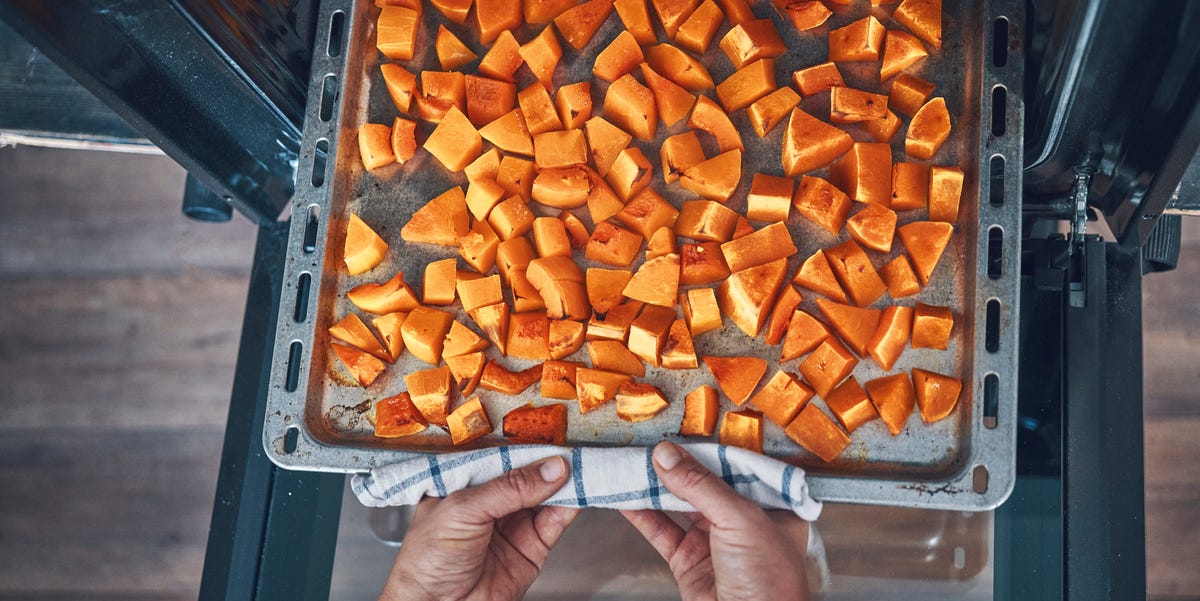
Butternut squash
Serve up this winter squash as soon as you see it at the farmers market. “One cup of cooked butternut squash offers more than the recommended daily amount of vitamin A for both men and women,” Samuels said. It’s high in fiber and potassium, helps lower blood pressure, and can decrease the risk of heart disease, she added.
How to eat it: Roast it in the oven with olive oil and a pinch of salt. Or whip up some butternut squash and turmeric soup for a filling, tasty lunch.
Cantaloupe
If you’re having cut up cantaloupe in the morning, you’re getting 54% of your recommended daily value of vitamin A, as well as a boost of hydration from the fruit’s high water content, Samuels said.
How to eat it: “You can add cantaloupe to a smoothie or a juice,” said Samuels. But she prefers it in its natural form: cut up and eaten raw.
Mango
As a bonus, mangos are also rich in vitamin C—in fact, just one mango has more vitamin C than an orange! Naturally sweet, this fruit makes for a healthy dessert or smoothie add-in. Peel and eat a mango to get nearly half of your daily value of vitamin A.
How to eat it: Sprinkle a mango with chili powder and salt, along with a squeeze of lime, for a refreshing, easy snack. Another idea: “Mango or cantaloupe can be a great addition to a frozen summertime treat, like smoothies or popsicles,” Ehsaei said.
Red bell pepper
High in vitamin C and vitamin E, just one large sweet red pepper boasts around 250 mcg of vitamin A.
How to eat it: Eat red peppers raw as a snack, dipped in hummus, or in stir-fries, salads, stews, or egg casseroles.
Peas
Although they’re not red, yellow, or orange, a cup of peas offers an impressive 64 mcg of vitamin A.
How to eat them: Add these to a green salad, just as you would with chickpeas or beans. Or simply serve them up as a steamed side with dinner.
Cow’s milk
Much of the milk sold in the U.S. is fortified with vitamins D and A. Drink a cup of fortified skim milk, and you’ll get about 150 mcg of vitamin A.
How to drink it: It’s easy to drink milk—have a latte, add some to your cereal, or make a milk-based pudding or smoothie.
Tomato
Samuels listed tomatoes (and tomato products, like marinara and tomato juice) as one of the foods highest in vitamin A. They’re also a good source of vitamins C and E, as well as potassium, magnesium, and satiating fiber. One 8-ounce glass of tomato juice will satisfy 20% of your daily value of vitamin A.
How to eat it: Cut up tomatoes for salads, or put canned or fresh tomatoes in sauces, stews, soups, and chilis.
Beef liver
Some animal and dairy products are rich in vitamin A, said Samuels. High on that list? Beef liver. One cooked ounce contains a whopping 2650 mcg of vitamin A.
How to eat it: Liver and onions, anyone? The dish was a treat for your grandma’s generation, and while it’s less trendy now, it’s just as tasty a meal as it was in her day.
Pumpkin
Similar to butternut squash and sweet potatoes, this orange fruit is an excellent source of vitamin A. It’s also low in calories, high in fiber, and offers up magnesium and potassium.
How to eat it: Go ahead, indulge in that slice of pumpkin pie or enjoy a creamy bowl of pumpkin soup—it’ll provide you with nearly 600 mcgof vitamin A.
Eggs
“Eggs are loaded with a ton of nutrients that provide health benefits, including vitamin A,“ said Twigge. “Remember to include the egg yolk, which is actually the egg’s major source of vitamins and minerals.” One large hard-boiled egg has about 75 mcg of the nutrient.
How to eat them: However you like your eggs, of course. Just don’t count out the yolk.
Goat cheese
Layer vitamin A over your lunch or dinner (or have it as a snack) in the form of a sprinkle of soft goat cheese. One ounce of the luscious treat delivers 82 mcg of vitamin A.
How to eat it: Crumble it over salad, top a salmon bowl with it, or slap some on a charcuterie board.
Grapefruit
Enjoyed whole or in juice form, grapefruit is a great source of vitamin A. A half of the fruit has around 71 mcg.
How to eat it: Grab a spoon and dig in!
Read the full article here