

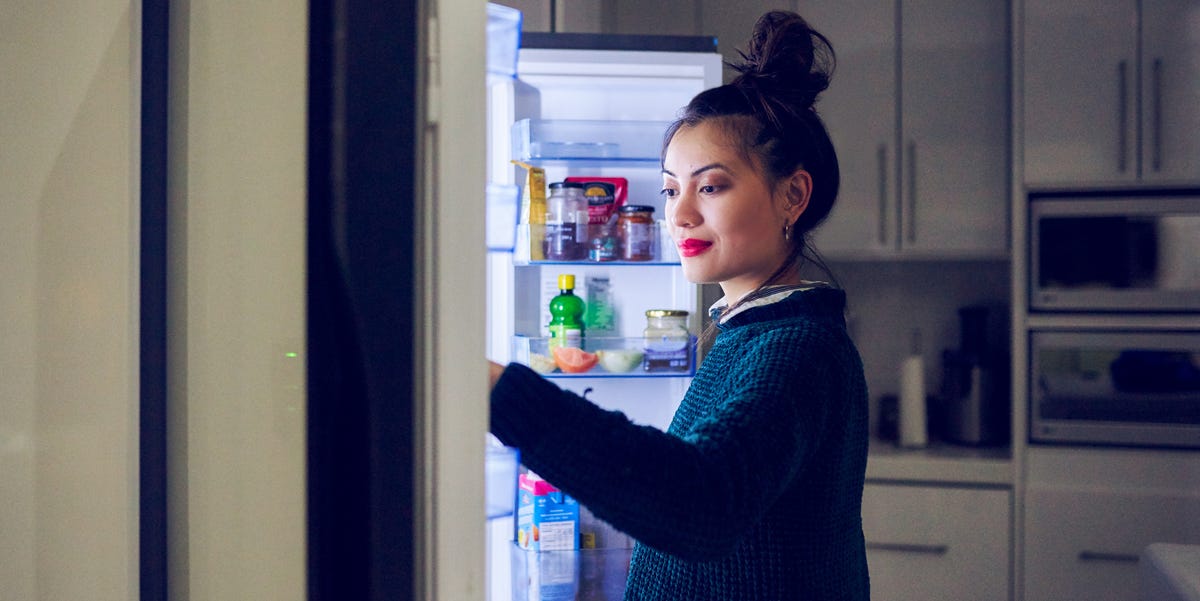
Schedule your meals.
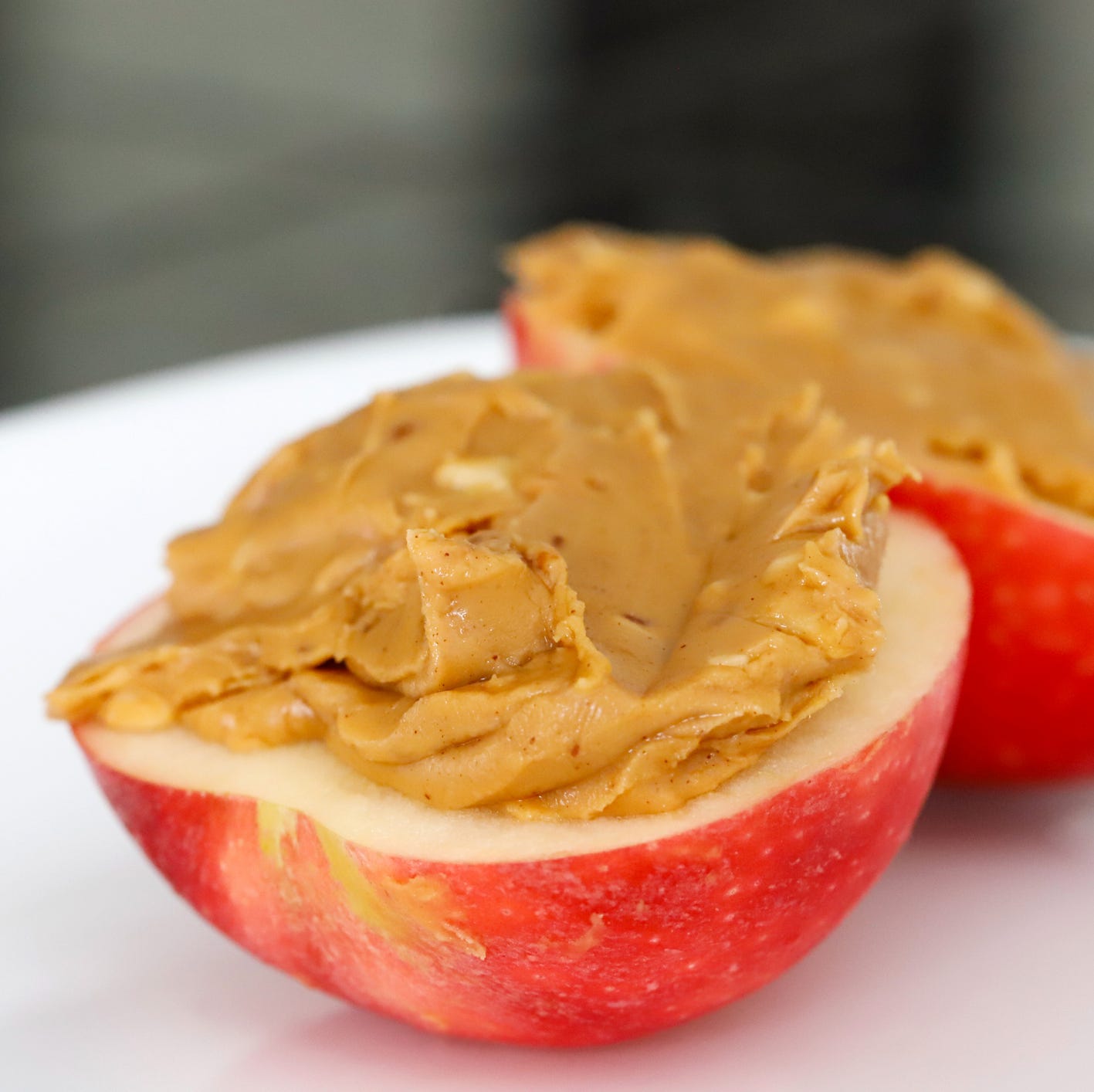
“Waiting too long before your next meal can cause you to become “hangry” and more likely to binge so set up regularly scheduled meals throughout the day to keep your blood sugars level and prevent ravenous hunger in the evening,” says Lauren O’Connor, M.S., R.D.N., owner of Nutri Savvy Health. If you need a snack between meals, she recommends keeping it to 150 calories and trying to hit two food groups. “A good example is an apple (fruit) and up to 1 tablespoon of peanut butter (healthy fat),” says O’Connor.
Look at what’s around you during the day.

“A source of overeating which is often missed is cuing,” says Ifland. “If there are addictive processed foods out on display in your workplace or home, they can trigger cravings just by being available and those cravings can build up through the day and erupt as bingeing in the evening.”
Include protein and fiber at every meal.
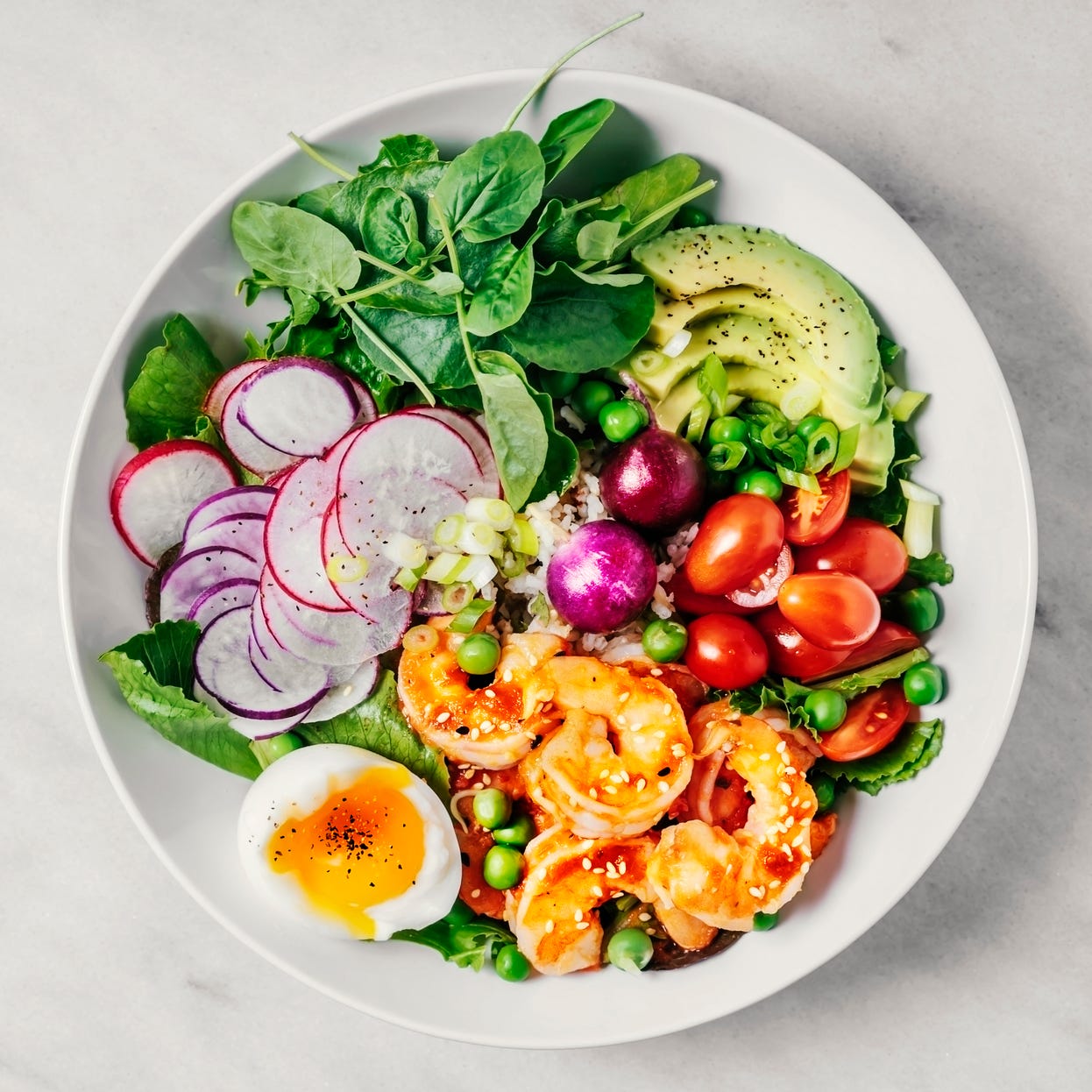
“Both protein and fiber add to satiety and thus will help prevent the munchies,” says O’Connor. “For instance, sweet and salty cravings persist when we aren’t nutritionally balanced and thus feeling quite low, but when your body is supported with the nutrients it needs, your constant cravings will likely subside.”
Have dinner ready to eat.
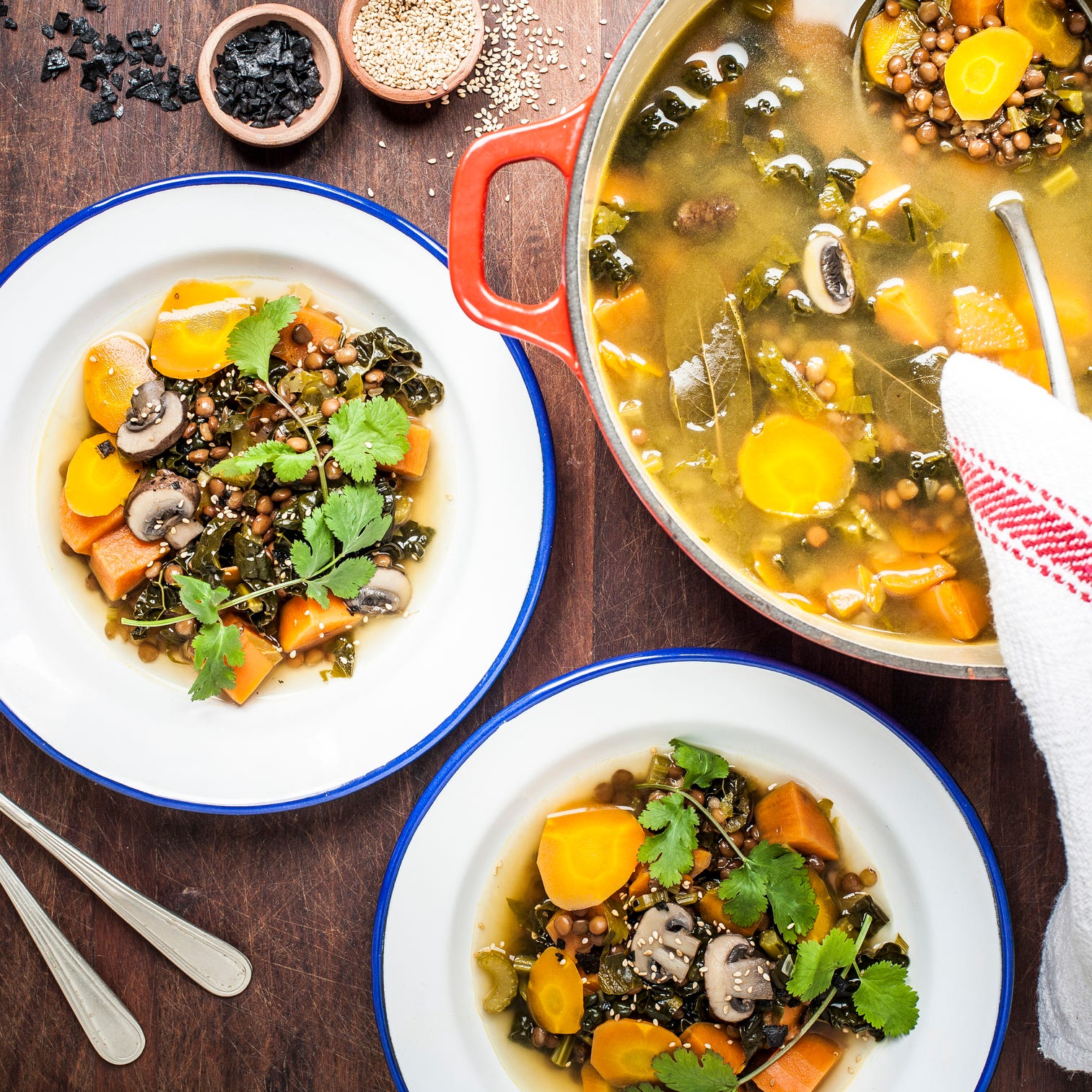
That may mean putting something in the slow cooker in the morning before you leave for work or chopping vegetables and doing most of the prep work for non-slow cooker recipes in the morning so there’s very little for you to do when you get home at the end of the day. “Having dinner already prepared means not falling prey to addictive fast food on the way home or grabbing a craving food because there’s nothing else,” says Ifland. “Starting the evening with processed foods sends cravings and loss of control into overdrive.” Need inspiration? Try these slow-cooker soup recipes.
Plan healthy desserts.
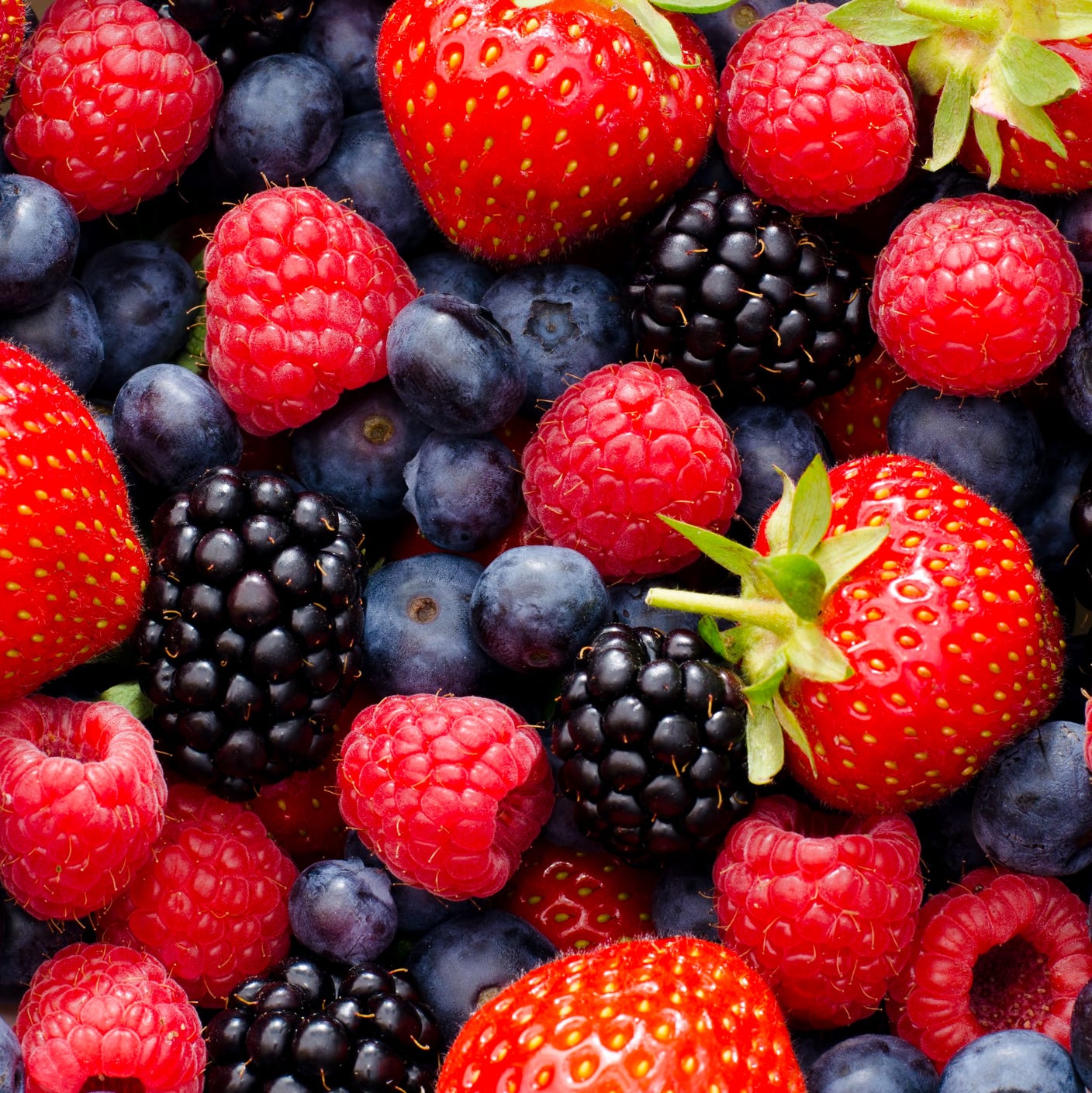
“I’m trying not to eat sweets for dessert, so instead I eat a piece of fruit or maybe cheese to end my meal,” says Koutsky. If you’re craving something sweet, give one of these nutritionist-recommended desserts a try. “Some days we just need a little more than usual, so grabbing a piece of fruit after dinner won’t hurt you, unless it prompts you to keep grazing,” says O’Connor.
Brush your teeth right after dinner.
“After a few slip-ups in the beginning, I soon fell into a pattern of eating dinner and then brushing my teeth immediately after,” says Koutsky. “I found that once I brushed my teeth, I didn’t want to snack because it would get my teeth dirty—and I’m too lazy to brush twice in a night.”
Limit your supply of processed foods.
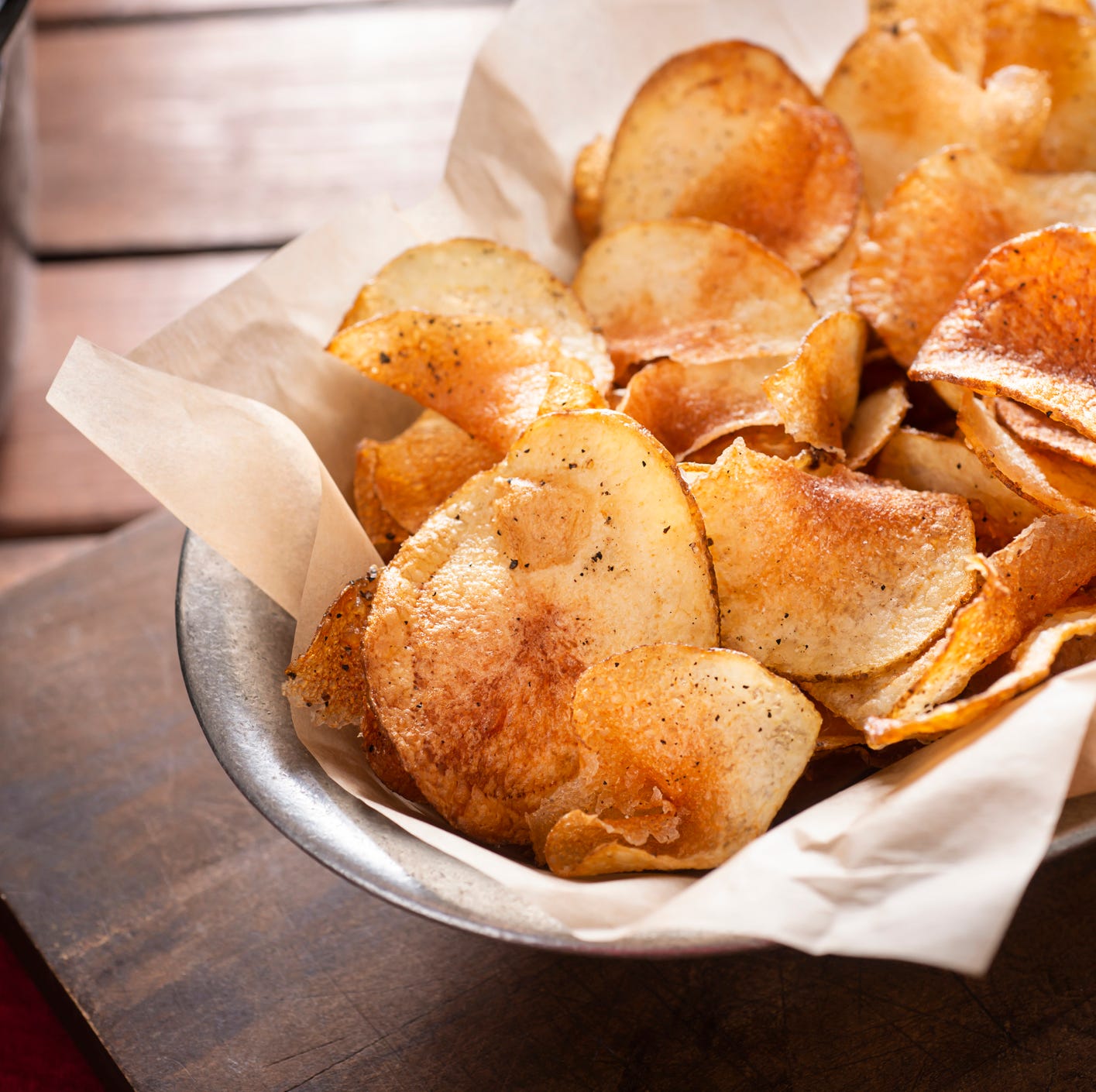
Things like cookies, pretzels, crackers, and chips tend to be the foods we eat more mindlessly and it’s hard to stop at just one cookie or two or three chips, says O’Connor. It’s best if you don’t buy them at all, but if you do, she suggests keeping them tucked away in a bread box and placing a well-stocked fruit bowl front and center. “That way, when you’re feeling a bit peckish, you’re more likely to reach for one of nature’s perfect treats,” O’Connor adds.
Stay busy.

“Find an engaging, mindful activity that doesn’t involve food,” advises O’Connor. “Finish cleaning up after dinner, then get out of the kitchen. If you’ve got a family, play a board game. Or if you are solo, read a book. Partake in a hobby you find relaxing.” The thing you probably shouldn’t do is plant yourself in front of the TV: “Television has been shown to stimulate overeating,” Ifland points out.
Pay attention to emotional triggers.

“If you are an emotional eater, work on developing non-food related ways to respond to your triggers—like stress,” says O’Connor. “It won’t happen overnight but it’s something you can achieve with time and practice.” She recommends keeping a diary to record your mood and what you’re eating so you can spot patterns. “Do a guided meditation, practice yoga, or set up a relaxing bath if by the end of the day you are feeling uptight, anxious or overwhelmed,” O’Connor adds.
Listen to your body.

While you’re looking for emotional eating patterns, try to spot the physical effects as well. Does eating too close to your bedtime give you acid reflux? Did finishing off that box of cookies leave you full and feeling guilty the next morning so you skipped breakfast? The next time you have a late-night hankering, remind yourself of those crummy side effects.
Think about your family dynamics.

If you’re overwhelmed caring for children or aging parents, or you’re surrounded by depressed, anxious, or angry people, both of those situations can be stressful and contribute to overeating, says Ifland. Plus, she adds, you have to consider what the people around you are eating: As much as you may want to avoid eating unhealthy foods after dinner, that’s hard to do if other family members are digging in.
Prioritize sleep.
“Fatigue can contribute to eating more than you intended to,” says Ifland. In fact, studies have shown that sleep deprivation can lead us to reach for high-calorie foods. Think about it: When you’re exhausted, the last thing you probably feel like doing is cooking a healthy meal—it takes much less effort to stop at a drive-through or grab processed food.
Be kind to yourself.

“You don’t have to be perfect,” says O’Connor. “However, setting up guidelines for how, what, and when you eat is important.” If you need help setting those guidelines or getting to the root of your habits, don’t be afraid to reach out to a professional nutritionist or therapist. “Processed food addiction is especially hard to beat because it generally starts in childhood, involves many different substances, and is stimulated by intense advertising and availability,” adds Ifland.
Advertisement – Continue Reading Below
Readers Also Read
Advertisement – Continue Reading Below
Advertisement – Continue Reading Below
Read the full article here