


There comes a time in life when you realize, welp, you’re never going to win an Olympic medal or run away to an Italian island with George Clooney. But that doesn’t mean you can’t live your best life.
There are plenty of changes you can realistically make in your 50s, 60s, and beyond that improve your energy and health and increase your joy. These simple tweaks can not only add more years to your lifespan, but also allow you to have more fun living those years. All it takes is the willingness to get out of your rut and try new things. Here’s where to start.
1. Boost Your Brainpower
Even if the last time you stepped foot in a classroom was during the Reagan years, you can still keep learning and building new neural connections throughout your life!
Results from the U.S. POINTER study, a randomized clinical trial involving more than 2,000 older adults at risk of cognitive decline and dementia, published in 2025, showed that following certain lifestyle guidelines improved memory and cognition. This included computer-based training programs, as well as other brain-stimulating activities, like joining a book club, having deep conversations on new topics, and learning new skills.
Find something you love that you want to learn more about. French cinema? Animal behavior? Line dancing? Then find a class and sign up.
2. Get Walking
One of the most effective ways to lower your risk of heart disease is simply to lace up a pair of sneakers and get walking.
A systematic review and meta-analysis of research, published in The Lancet in 2025, found that the optimal step count is 7,000 steps a day; depending on your height and pace, that’s around three miles a day. Adults who notched that number had a 25% lower risk of cardiovascular disease and a 47% lower risk of dying from any cause while they participated in the study.
To get in the habit, “pair your walk with something you’re already doing, like eating,” says Sabrena Jo, Ph.D., senior director of science and education at the American Council on Exercise. That might mean taking a walk every day after breakfast or dinner.
Even better: Team up with your partner or a group of friends to walk a couple of times a week—you’ll laugh, reminisce, and problem-solve as you walk, giving you even more benefits.
3. Dial Down the Stress
Scientists now see a clear connection between chronic stress and physical health. Stress can negatively affect your cardiovascular health, brain health, and immune system function. But taking some time each day to focus on practices such as mindful meditation can have a positive impact on your overall mood and health.
Find what works for you: writing in a gratitude journal, spending five minutes every morning focusing on your breath and any sounds and sensations around you at that moment, or taking up a practice such as yoga.
4. Up Your Fiber Intake
Yes, fiber is definitely important for keeping you regular. But it does much more than that: A 2020 report found that changing to a healthier lifestyle in middle age—including eating more fiber-rich nuts, along with fish—reduced women’s long-term total risk of stroke by up to 25% and their risk of ischemic stroke by up to 36%.
“Consuming 25 g to 38 g of fiber daily in midlife can help control blood pressure, cholesterol, blood sugar, and abdominal weight,” says Michelle Routhenstein, R.D., a preventive cardiology dietitian and author of The Truly Easy Heart Healthy Cookbook. “If you aren’t used to consuming a lot, start slowly and work your way up with water to avoid GI distress.”
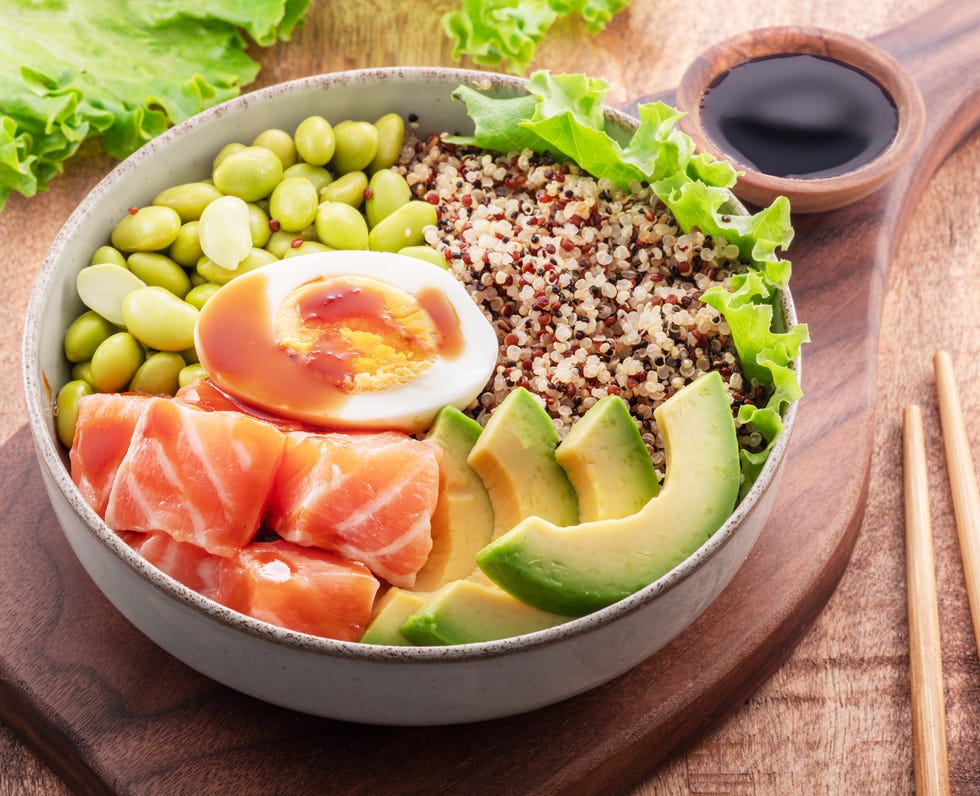
Grains, beans, and avocado all add fiber to this tasty bowl
5. Add Zing to Your Sex Life
While it’s only natural to slow down a bit from your younger and friskier days, you can still enjoy a vibrant and healthy sex life well into your golden years! Even the natural changes from menopause, such as vaginal thinning and dryness, don’t have to stand in your way, says Lauren Streicher, M.D., founding medical director of the Center for Sexual Medicine and Menopause at Northwestern Memorial Hospital in Chicago.
Streicher points out that silicone-based lubricants and long-lasting vaginal moisturizers can temporarily alleviate symptoms, and prescription hormonal and nonhormonal options can restore vaginal tissue and reverse damage. “Even if it’s been 20 years since you went through menopause, you can still reverse these changes,” says Dr. Streicher.
6. Establish Better Boundaries
One of the joys of growing older is understanding your own needs, and feeling less obliged to let others—negative neighbors, toxic relatives, and competitive frenemies—trample all over them.
As we age, “we often begin focusing on friends who meet more of our emotional needs,” says Suzanne Degges-White, Ph.D., chair of and professor in the Department of Counseling, Adult, and Higher Education at Northern Illinois University in DeKalb. This means cutting back on relationships that drain us and fostering the ones that feed us. “We finally have the room to reflect on who we are and what we need in our lives in terms of people and relationships,” she says.
Remember, your time is valuable, and it’s fine—even empowering!—to turn down activities and people that don’t enhance your well-being. Online, consider removing whiners from your social media or leaving groups filled with negative chatter.
7. Make a Career Pivot
There’s no need to spend the last decade or two of your working life doing something that bores you or makes you want to pull the covers over your head when the alarm buzzes. It takes legwork and time, but a career change is possible: “We often have more flexibility, we know where our expertise is and isn’t, and we’ve built up a lot of connections to call upon for support,” says Deborah Heiser, Ph.D., an applied developmental psychologist and founder of The Mentor Project.
Also, as we age, the conventional ladder climb may lose its luster. “We’re more open to something like a lateral shift or maybe even a dip to get what we want,” says Heiser.
To further buoy a career shift, consider a younger mentor—and not just for help in understanding social media. “Younger professionals can be great at getting older people to engage with the world differently,” says Heiser. You’ll likely teach them a thing or two as well!
8. Improve Your Skin
Dewy skin doesn’t have to be a thing of the past—you just need to work on it a little more as you age. “A daily moisturizer with ceramides and/or hyaluronic acid can improve suppleness, glow, and texture and prevent eczema rashes, which are more common as we age,” says Ivy Lee, M.D., a dermatologist at Pasadena Premier Dermatology in Pasadena, CA. (Find this combo in products like CeraVe PM Facial Moisturizing Lotion and Paula’s Choice Boost Hyaluronic Acid Booster with Ceramides.)
Dr. Lee also advises drinking plenty of water, using a gentle soap-free cleanser daily, and applying a vitamin C serum for brightening and preventing oxidative damage, followed by a moisturizing mineral sunscreen with SPF 40+.
After cleansing before bed, use a retinoid to increase collagen production, and moisturize.
9. Bolster Your Bones
Yes, it’s important to build strong bones in your youth, but in one study, healthy middle-aged men with low bone mass successfully improved their bone density after just six months of jumping and muscle-strengthening exercises. Moreover, the National Osteoporosis Foundation (NOF) says daily weight-bearing and muscle-strengthening exercise is essential for bones, right up there with getting adequate calcium and vitamin D.
As for what to eat, if you’re a woman over 50 or a man over 70, you need 1,200 mg of calcium daily. “If you don’t hit that mark, your body takes the calcium from your bones, which makes you more susceptible to osteoporosis and bone fracture,” says Andrea J. Singer, M.D., chief medical officer of NOF.
To get enough, reach for calcium-rich almonds, tofu, sardines, broccoli, kale, dairy, and fortified milk alternatives. Sources of vitamin D include mushrooms, fatty fish, and fortified dairy, OJ, and breakfast cereals.
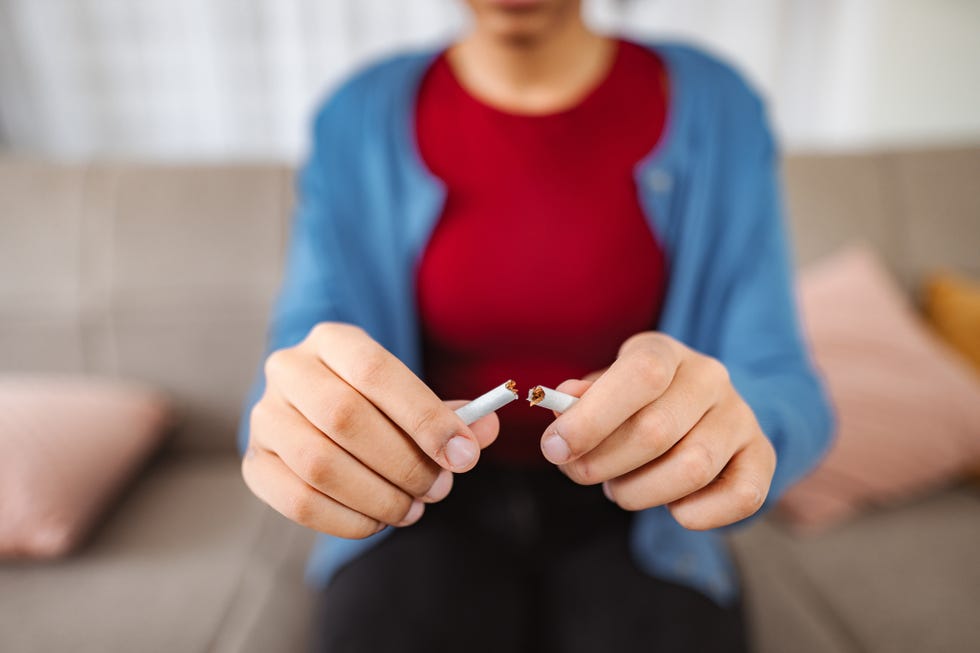
Breaking that tobacco habit can add years to your life
10. Quit Smoking
Five-year habit? Forty-year habit? No matter how long you’ve been smoking, the benefits of stopping begin almost immediately. “Within hours, your senses of smell and taste start to improve; within days, coughing begins to progressively decline,” says J. Taylor Hays, M.D., medical director of the Mayo Clinic Nicotine Dependence Center in Rochester, MN. “Within a few weeks, energy and breathing get better and improve steadily.”
Then there are the big-ticket gains: Coronary heart disease risk is halved after your first year sans tobacco, then continues to drop. Plus, “quitting allows lungs to heal, which reduces risk of severe infection and complications from bacterial and viral infections,” says Dr. Hays. “If you successfully quit by 60 or so, you’ll add five to six years to your lifespan—and experience better quality of life for those years.”
Read the full article here