

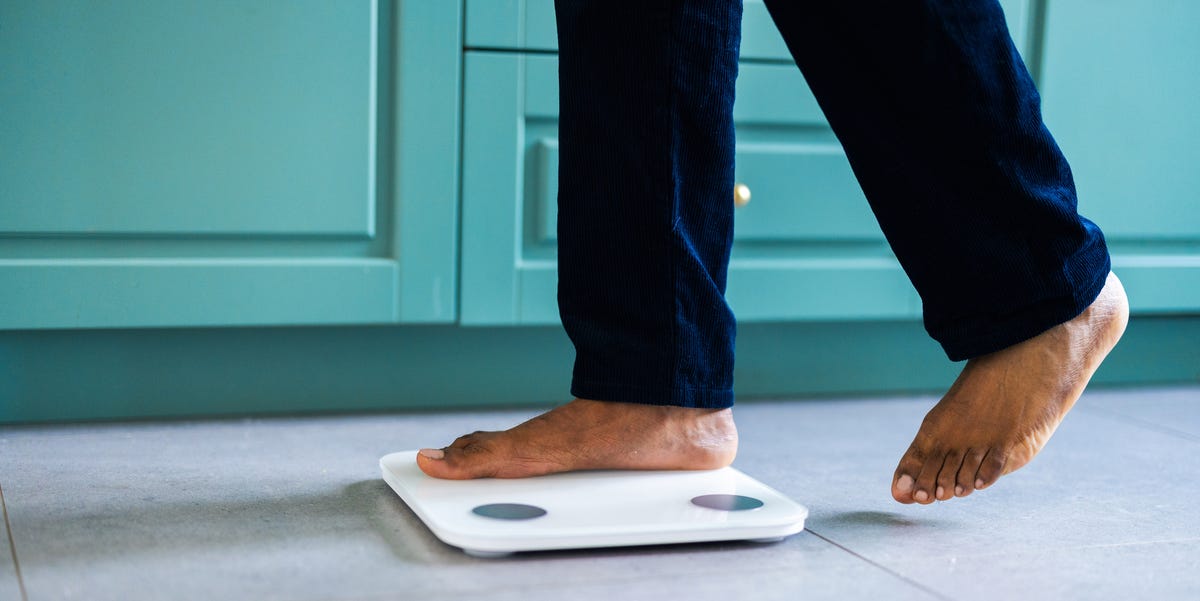
- New research suggests that lack of sleep increases the risk of weight gain.
- Getting less sleep than usual can interfere with several processes in the body.
- Doctors stress the importance of prioritizing sleep for weight loss.
While most people are aware that a healthy diet and regular exercise are important when it comes to maintaining or losing weight, new research suggests there’s another lifestyle factor you’re likely overlooking: sleep.
The study, published in Annals of Internal Medicine, analyzed data from two randomized trials. The trials enrolled a combined on 95 adults who regularly slept seven or more hours a night; as part of the experiment, participants were asked to sleep 1.5 hours less than their usual amount for six weeks. During that time, the researchers tracked the participants’ body fat, weight, waist circumference, and a slew of other metrics related to weight.
While the study period was relatively short, the researchers found that when particpants slept less, they tended to have slight increases in several metrics related to weight—specifically, average body weight increased by about a pound and waist circumference increased by 0.52 centimeters. The researchers also discovered that participants spent about 17.2 more minutes each day being sedentary when they were sleep-deprived.
Meet the experts: Beth Malow, M.D., neurologist and chief of the Division of Sleep Disorders at Vanderbilt Health; Mir Ali, M.D., medical director of MemorialCare Surgical Weight Loss Center at Orange Coast Medical Center; Marie-Pierre St-Onge, Ph.D., study co-author, professor of nutritional medicine, and director of the Center of Excellence for Sleep & Circadian Research at Columbia University Irving Medical Center.
“Prolonged exposure to moderately short sleep may lead to weight gain, suggesting that weight management and cardiometabolic disease prevention programs should consider incorporating sleep strategies to promote adequate sleep,” the researchers wrote.
One in three American adults don’t get the recommended seven-plus hours of sleep a night, suggesting this could be a potential issue for many. What’s the link between sleep and weight? Doctors explain.
Why might sleep have such an impact on weight?
This study simply found a link between getting less sleep than usual and a higher risk of weight gain—it didn’t prove that lack of sleep caused the weight gain. Still, doctors say there are a few reasons why a lack of sleep may make it hard to lose weight.
One is that sleep deprivation can raise the odds you’ll eat more than usual. “Cutting back on sleep leads to overeating compared to well-rested nights,” says Marie-Pierre St-Onge, Ph.D., study co-author, professor of nutritional medicine, and director of the Center of Excellence for Sleep & Circadian Research at Columbia University Irving Medical Center. Hormones that regulate how hungry you feel can also be impacted by lack of sleep, Dr. St-Onge adds. This raises the odds you’ll overeat when you’re tired.
Because it causes fatigue, lack of sleep also makes it less likely that you’ll be active, points out Beth Malow, M.D., a neurologist and chief of the Division of Sleep Disorders at Vanderbilt Health. “People [who are sleep deprived] may also eat at night when they should be sleeping,” she says.
Getting less sleep than usual may even decrease your body’s sensitivity to insulin, the hormone that helps to escort glucose to your cells where it’s used for energy, says Mir Ali, M.D., medical director of MemorialCare Surgical Weight Loss Center at Orange Coast Medical Center in Fountain Valley, California. “As a result, you may not metabolize sugars as well, and you may have more fat storage,” he says.
All of those elements can raise your risk of heart disease, especially if you’re sleep-deprived for longer periods of time, Dr. Malow points out.
How can sleep support wellbeing?
“Centers of the brain that are involved in cognitive control are more active when people are well-rested compared to sleep-restricted,” she says. “In general, people are less impulsive and make more rational decisions when well-rested.” Dr. St-Onge says this likely extends to diet and physical activity, too—meaning you’re more likely to make better choices around food and exercise when you’re well-rested.
Getting more sleep is also linked with lower blood pressure and better insulin sensitivity, along with lower levels of oxidative stress—an imbalance of unstable free radicals and antioxidants in the body that’s linked to serious health conditions like cancer and heart disease, Dr. St-Onge says.
“Even mildly insufficient sleep can increase the risk for chronic diseases like hypertension, diabetes, and cardiovascular diseases,” Dr. St-Onge says.
What should people interested in losing weight do for sleep?
Doctors stress the importance of thinking about your sleep habits when you’re trying to lose weight. “Prioritize sleep. It’s as important as what we eat,” Dr. Malow says.
Dr. Ali agrees, noting that he regularly counsels his patients on sleep. “The goal is seven to nine hours, but if they’re over 65, it can be closer to seven,” he says.
However, Dr. Ali also suggests listening to your body. “There are some people who sleep for five or six hours, and it’s enough for them,” he points out. “As long as you maintain a healthy sleep schedule, it will facilitate weight loss.”
Read the full article here