

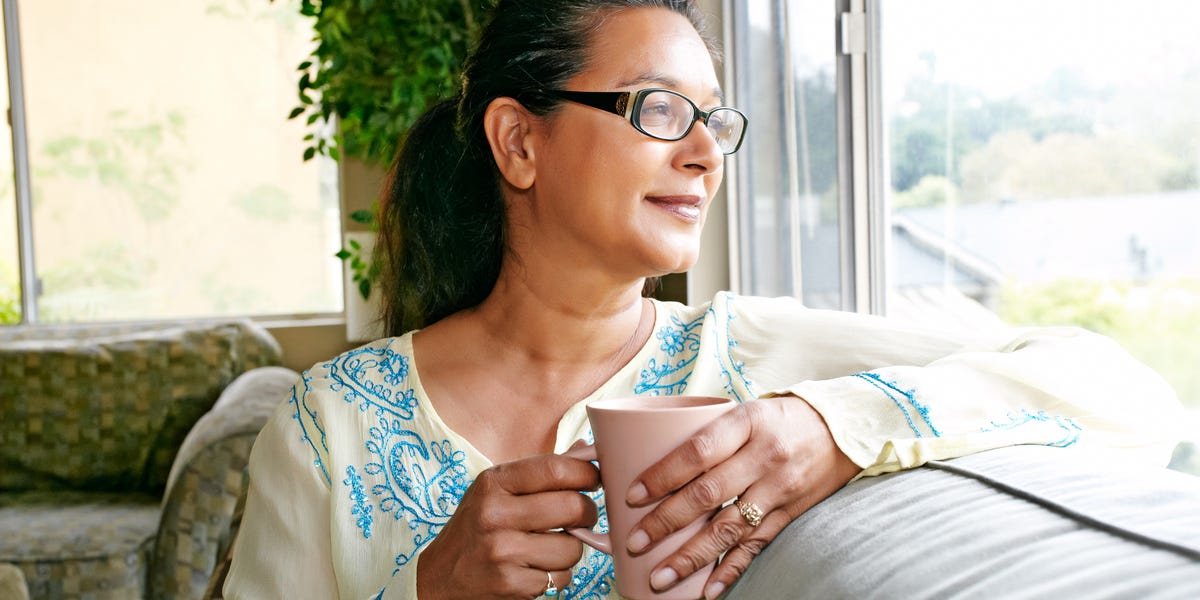
There are many ways to lower blood pressure naturally that can be helpful for people living with high blood pressure or trying to avoid it. Tweaking what you eat and drink, such as sipping tea that helps lower blood pressure, is an excellent step to take.
“Dietary changes are one part of helping regulate and maintain a healthy blood pressure,” said Cheng-Han Chen, M.D., an interventional cardiologist and medical director of the Structural Heart Program at MemorialCare Saddleback Medical Center in Laguna Hills, CA. In fact, even if you do need medication to manage your blood pressure, diet tweaks like drinking more tea are often recommended first.
Meet the experts: Cheng-Han Chen, M.D., an interventional cardiologist and medical director of the Structural Heart Program at MemorialCare Saddleback Medical Center in Laguna Hills, CA; Tara Collingwood, R.D.N., C.P.T., a registered dietitian nutritionist and personal trainer; Ragavendra Baliga, M.B.B.S., a cardiologist and professor at The Ohio State University Wexner Medical Center; Keri Gans, R.D.N., a dietitian and host of The Keri Report podcast.
Read on to discover what the research says about drinking tea to support healthy blood pressure, along with side effects to be aware of, the best tea to choose, and other smart strategies.
Can tea help with high blood pressure?
It’s important to state this up front: Always talk to your doctor about any personal blood pressure concerns. Blood pressure is complicated, and it’s tough to say that doing something as simple as adding tea to your life will automatically turn things around. But there is some data to suggest that one of the hidden health benefits of drinking tea may be that it helps with blood pressure management.
A study published in BMC Public Health found that drinking any type of tea was associated with a reduced risk of high blood pressure over time, along with a lower systolic blood pressure (the top number) for all tea types and a lower diastolic blood pressure (the bottom number) for some. A separate meta-analysis in the journal Medicine found that those who regularly drank green tea or consumed green tea extract specifically “significantly reduced” their systolic and diastolic blood pressure.
So, how might tea help? “Tea, especially green and black varieties, contains polyphenols,” said Ragavendra Baliga, M.B.B.S., a cardiologist and professor at The Ohio State University Wexner Medical Center. These polyphenols improve the function of endothelial cells (the thin layer of cells that line the inside of blood vessels), lower oxidative stress that can lead to cell damage, and enhance the production of nitric oxide, a compound that relaxes and widens blood vessels, allowing for better blood flow and oxygen delivery around the body, he explained.
“These actions can support a modest reduction in blood pressure over time,” added Tara Collingwood, R.D.N., C.P.T., a registered dietitian nutritionist and personal trainer.
Still, that doesn’t mean drinking tea will automatically help your blood pressure—it just may play a role in lowering it. Because of this, it’s still important to talk to your healthcare provider for personalized advice, Dr. Chen reiterated. Dr. Baliga also noted that the effects are more noticeable in people who have slightly elevated blood pressure or mild hypertension.
Potential risks and side effects to know
There are a few potential risks and side effects to keep in mind before you start downing tea to manage your blood pressure.
A big one experts flag is that the caffeine in tea may increase your blood pressure in the short term. “People who don’t have their blood pressure well-regulated may want to avoid it until they get in a better range,” Dr. Chen said.
There are also potential drug interactions to keep in mind. “Green tea can affect warfarin, beta-blockers, and reduce folate or iron absorption,” Dr. Baliga said, adding that if you have more than five cups of tea a day, it can raise your risk of GI issues, iron deficiency, or insomnia.
Something else to consider: A lot of the research around tea and blood pressure focuses on black and green tea. Other forms of tea may have different effects on your health. “Herbal teas like licorice root can raise blood pressure or interact with medicines,” Collingwood said.
What is the best tea to help lower blood pressure?
The research that’s available suggests that green tea is the way to go. “Green tea shows the strongest evidence, followed by hibiscus tea,” Dr. Baliga said. He also noted that black tea can have “modest effects” on blood pressure.
But unsweetened tea of any type can also have an indirect positive impact on blood pressure, pointed out Keri Gans, R.D.N., a dietitian and host of The Keri Report podcast. “Replacing sugary drinks with these teas can support overall heart health,” she said.
There’s no magic formula for using tea to lower your blood pressure, but Dr. Chen said that consistency may help. So long as you don’t have any of the contraindications mentioned above, he recommended starting out by having one unsweetened hot or iced tea a day to see how you like it. After that, Dr. Baliga said you can work up to having two to three cups of green or hibiscus tea a day. “Avoid sugar and full-fat milk—both may blunt benefits,” he said.
Other ways to manage blood pressure naturally
If you’ve been diagnosed with high blood pressure, it’s important to go over your treatment options with your healthcare provider. But Dr. Chen said those may include following the American Heart Association’s Life’s Essential 8. Those lifestyle tips include:
- Eat a diet that focuses on whole foods, fruits and vegetables, lean protein, nuts, and seeds.
- Aim for at least 2.5 hours of moderate-intensity exercise, or 75 minutes of vigorous physical activity a week.
- Avoid using cigarettes and e-cigarettes.
- Do your best to get seven to nine hours of sleep a night.
- Manage your weight.
- Manage your cholesterol by minimizing sugary foods and drinks, red or processed meats, salty food, refined carbohydrates, and highly processed foods.
- Try to manage your blood sugar.
- Stay on top of your blood pressure.
“Life’s Essential 8 helps with almost everything cardiovascular-related,” Dr. Chen said.
The bottom line
Ultimately, experts recommend keeping tea in mind as an additional treatment for blood pressure. However, it’s not the only thing you should be doing to bring your numbers down. “Tea [is] a pleasant bonus—not a cure-all,” Dr. Baliga said.
Read the full article here