







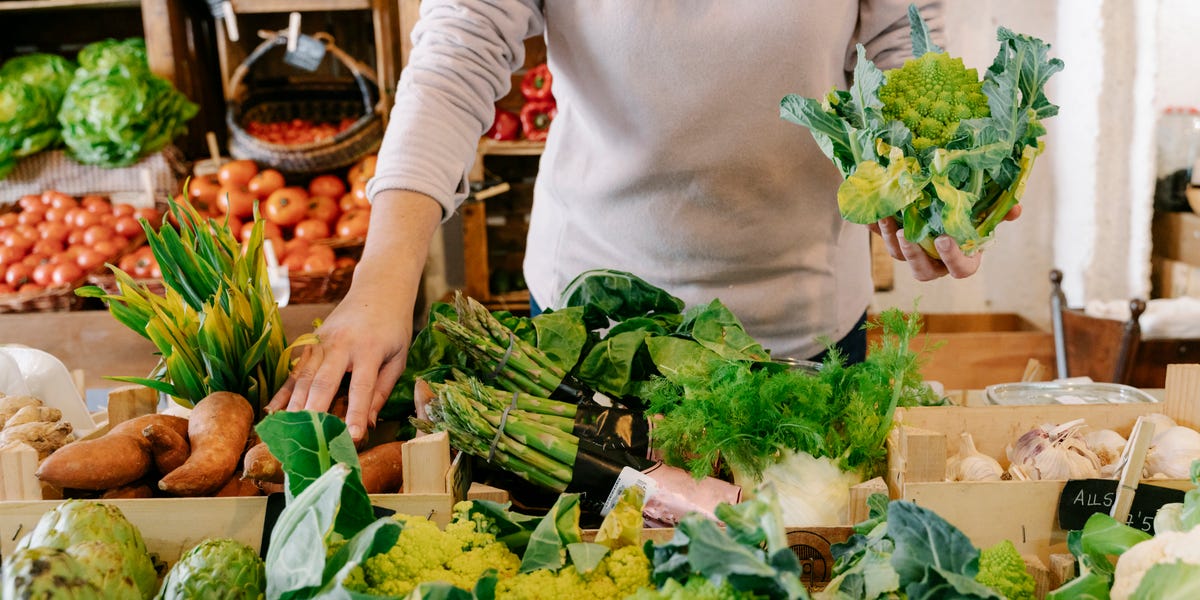
When it comes to your gut health, there’s a lot of talk about probiotic foods like yogurt, kefir, and kombucha. After all, these foods deliver healthy bacteria to help support the balance of good bugs living in your gut. But vegetables are just as important for preventing gut issues and maintaining the balance that supports healthy digestion, a powerful immune system, and more. That’s why we asked experts for the number-one vegetable for gut health that you should be eating more often.
Meet the experts: Stephanie Crabtree, M.S., R.D., a registered dietitian based in Sarasota, FL; Rudolph Bedford, M.D., a gastroenterologist at Providence Saint John’s Health Center in Santa Monica, CA.
Here, discover exactly why vegetables are important for maintaining a healthy gut, plus the best veggies to add to your plate today.
Why are vegetables so good for your gut?
“Vegetables are one of the best foods for gut health,” affirms Stephanie Crabtree, M.S., R.D., a registered dietitian based in Sarasota, FL. The reason why is twofold. First off, veggies contain different types of prebiotic fiber. “Prebiotic fibers like inulin are the things that help nourish the gut bacteria,” explains Rudolph Bedford, M.D., a gastroenterologist at Providence Saint John’s Health Center in Santa Monica, CA. But the benefits don’t stop there. “When the microbes living in your gut break down certain fibers, they produce short-chain fatty acids like butyrate, which help maintain the gut lining, reduce inflammation, and support colon health,” Crabtree explains. Research in the journal Clinical Nutrition notes that high levels of butyrate may also help protect against digestive illnesses like inflammatory bowel disease and colon cancer, while lower concentrations have been associated with higher levels of disease and poorer health outcomes.
In addition to the fiber, Crabtree notes that vegetables contain plant compounds like polyphenols that further support your gut health. A study in Antioxidants explains that these compounds remain intact until they reach the large intestine, where (in a process similar to what happens with fiber) the bacteria of the microbiome break them down and produce beneficial byproducts like short-chain fatty acids. The researchers also note that polyphenols promote the growth of two of the most important health-promoting microbes in the gut (Lactobacillus and Bifidobacterium) while inhibiting the growth of harmful bacteria.
The best veggies to eat for gut health
So, which vegetables contain the most prebiotic fibers and gut-supporting plant compounds? Read on for those our experts recommend.
Asparagus
If you’re looking for one vegetable to add to your plate that will best support your gut health, Dr. Bedford recommends asparagus. “It contains very high levels of the prebiotic fiber inulin, along with antioxidants,” he says. Per research in Foods, these include rutin, quercetin, kaempferol, vitamin C, vitamin K, and others, all of which work to strengthen your gut health and your overall wellness. Plus, asparagus is versatile, easy to cook, and delicious.
Artichokes
Artichokes are another top source of inulin, says Crabtree. “They are also packed with antioxidants. Plus, they are delicious tossed into salads, grain bowls, or onto homemade pizza,” she says.
Cruciferous vegetables
Crabtree also recommends incorporating cruciferous vegetables like broccoli, cauliflower, Brussels sprouts, and cabbage into your gut-supporting diet. In addition to fiber, they contain powerful plant compounds called glucosinolates. “Glucosinolates are converted into bioactive compounds linked to the body’s natural detoxification processes and cellular health,” she explains. “They’re also associated with a lower risk of several chronic diseases, including certain cancers, making them one of the most nutrient-dense vegetables you can regularly include in your diet.”

Add Prevention as a preferred source in your Google search results.
Use your Google account to add this to your settings.


Alliums
Both Dr. Bedford and Crabtree suggest eating more veggies in the allium family, such as onions, garlic, and leeks. “They provide prebiotic fibers that nourish beneficial microbes while also delivering vitamin K and antioxidant-rich plant compounds,” says Crabtree.
Shiitake mushrooms
While not a source of inulin, shiitake mushrooms do contain beta-glucan, the type of beneficial fiber found in oats “that supports both gut and immune health,” Crabtree notes.
Fermented veggies
Finally, you can’t go wrong with fermented vegetables like kimchi, sauerkraut, and pickles, says Dr. Bedford. They’re some of the best probiotic foods for gut health and help maintain a diverse and health-promoting microbiome.
The bottom line
Vegetables that are rich in prebiotic fibers and antioxidants help nourish your microbiome and support your gut health. And guess what? All vegetables contain both fiber and antioxidants. So while it’s smart to eat more of the expert-recommended picks above, simply incorporating more veggies into your diet on a regular basis will also deliver big benefits. “I always encourage people to focus on plant diversity rather than a single ‘superfood,’” says Crabtree. “Research suggests that eating a wider variety of plants supports a more diverse gut microbiome, which is associated with better digestive and overall health.”
Read the full article here


