







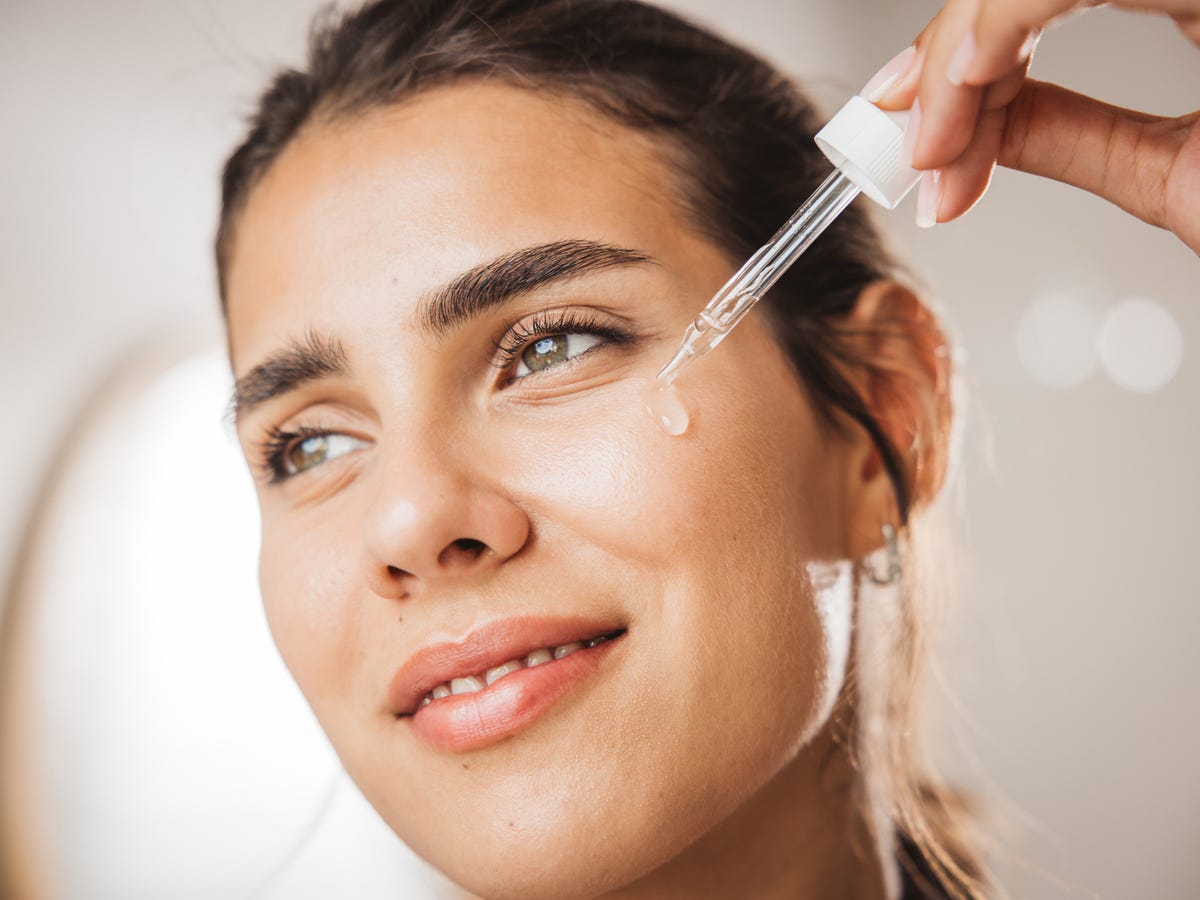
Ceramides and peptides have a few important things in common: They are both buzzy ingredients in a slew of skincare products from cleansers to serums and moisturizers. Besides sounding similar, ceramides and peptides are key to a good anti-aging skincare routine for mature skin. So, what are the differences between them, and do you need both? Can you use them together in a skincare routine? As a veteran beauty editor, I swear by using both of these ingredients in my routine, from ceramide-rich facial and body moisturizers to a peptide serum.
To get the scoop on ceramides and peptides, I asked Mona Gohara, M.D., a board-certified dermatologist in Connecticut and an associate clinical professor of dermatology at Yale School of Medicine, to break down which one is better for mature skin (spoiler: they’re both important). I also asked her if ceramides and peptides can be used together. Let’s start with what each one does for your complexion.
Meet the Expert: Mona Gohara, M.D., a board-certified dermatologist in Connecticut and an associate clinical professor of dermatology at Yale School of Medicine.
What are ceramides?
The skin barrier is the outermost layer of skin, known as the stratum corneum, and it is your protection against injury, irritation, and bacteria from the outside world. “Ceramides are naturally occurring lipids that make up about half the skin’s protective barrier,” says Dr. Gohara. “They act like the mortar between bricks—the skin cells— helping hold them together to keep irritants out and seal moisture in. As ceramide levels decline with age, skin can become drier, more sensitive, and less resilient.” This is a prime reason why your skin looks and feels so much drier after the age of 50. When the skin barrier is disrupted and dry, microscopic tears or cracks can cause inflammation and let irritants in. “This exacerbates free radical damage, visible signs of aging, dryness, and conditions like eczema and rosacea,” says Dr. Gohara. Her recommendation: “Look for creams or lotions that contain ceramides along with other barrier-supporting ingredients such as cholesterol and fatty acids.”
What are peptides?
Peptides in skincare are short chains of amino acids that serve as building blocks for proteins like collagen. “They act as messengers in the skin to help signal the fibroblast cells to produce more collagen, which over time can improve firmness and smooth fine lines. Think of peptides as text messages reminding your skin to do some of the jobs it used to do more efficiently when it was younger,” says Dr. Gohara. Research shows that peptides and polypeptides (either synthetic or plant-derived) have been linked to stimulating collagen production.
Peptides not only stimulate collagen production but can also help strengthen the protective skin barrier with their wound-healing, antioxidant, and anti-inflammatory properties. That’s because there are four different types of peptides: Signal peptides (that prompt collagen and elastin formation), carrier peptides that are bound to a trace mineral like antioxidant-rich copper (that helps support the skin barrier), neurotransmitter peptides (known as “Botox in a bottle” for muscle-relaxing claims) and enzyme-inhibiting peptides that block enzymes that cause collagen degradation. To max out the collagen-boosting benefits, many skin care products add multiple peptides into a formula, but it’s important to look at the ingredients list and make sure peptides are near the top, indicating higher potency.
Are they both safe to use on sensitive skin?
Ceramides are lipids that work to support and repair the skin barrier and work well on sensitive, dry skin. And a big bonus with peptides is that they are a powerful yet gentle ingredient, which is why they are such skincare superheroes. For sensitive skin types that can’t tolerate a collagen-boosting retinoid or retinol, a peptide product tends to be a non-irritating option.
Ceramides vs. peptides: Which is better for mature skin?
These ingredients work differently to improve the health of mature skin. Ceramides moisturize and support the outermost layer and peptides boost collagen to improve skin laxity and soften fine lines over time. “Both peptides and ceramides occur naturally in the skin, and both decline as we age,” explains Dr. Gohara. As levels decrease, the skin becomes less firm, less hydrated, and more vulnerable to environmental stressors. Replacing or supporting ceramides and peptides topically can help the skin function more optimally.”
Can I use ceramides and peptides together?
“Yes, in fact, peptides and ceramides are a great example of teamwork in skincare,” says Dr. Gohara. Peptides help support the skin’s structure by promoting collagen formation, while ceramides help protect the skin barrier. For mature skin, this combination can help address both collagen loss and barrier decline and dryness at the same time, and both are generally well tolerated, even by sensitive skin types,” she says. “A simple approach is to apply a peptide serum first and then follow with a ceramide-rich moisturizer to help seal in hydration and support the skin barrier.”

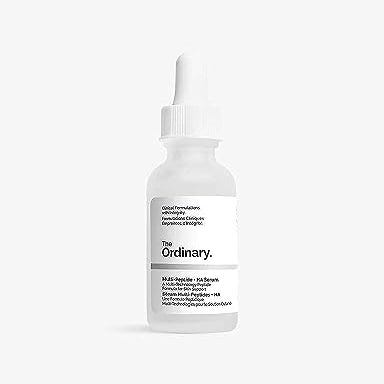
The Ordinary Multi-Peptide + HA Serum

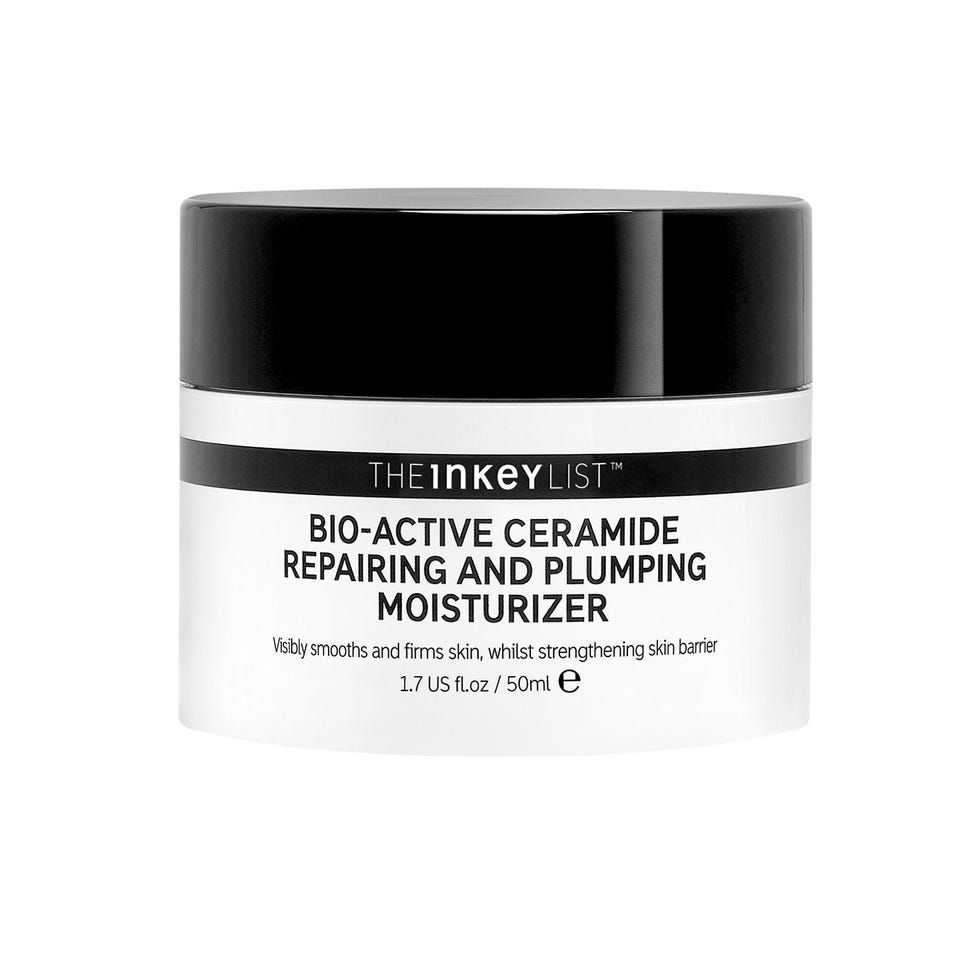
The Inkey List Bio-Active Ceramide Repairing and Plumping Moisturizer
The bottom line
“Ceramides and peptides are clinically proven ingredients that support the skin barrier in different but complementary ways—working on the outside and from the inside. Ceramides are lipids that strengthen and moisturize the skin barrier, while peptides help support the skin’s structural framework by encouraging collagen production,” says Dr. Gohara. “They both work well together to optimize healthy, hydrated skin that looks smoother and firmer, and make signs of aging, such as fine lines, look less noticeable.” The power duo is a win-win for mature skin.


is an editor, copywriter, and professional skincare junkie. Her work has been featured in Cosmopolitan, Harper’s Bazaar, Oprah Daily, Allure, Marie Claire, and more. Follow Gina on Instagram.
Read the full article here


