

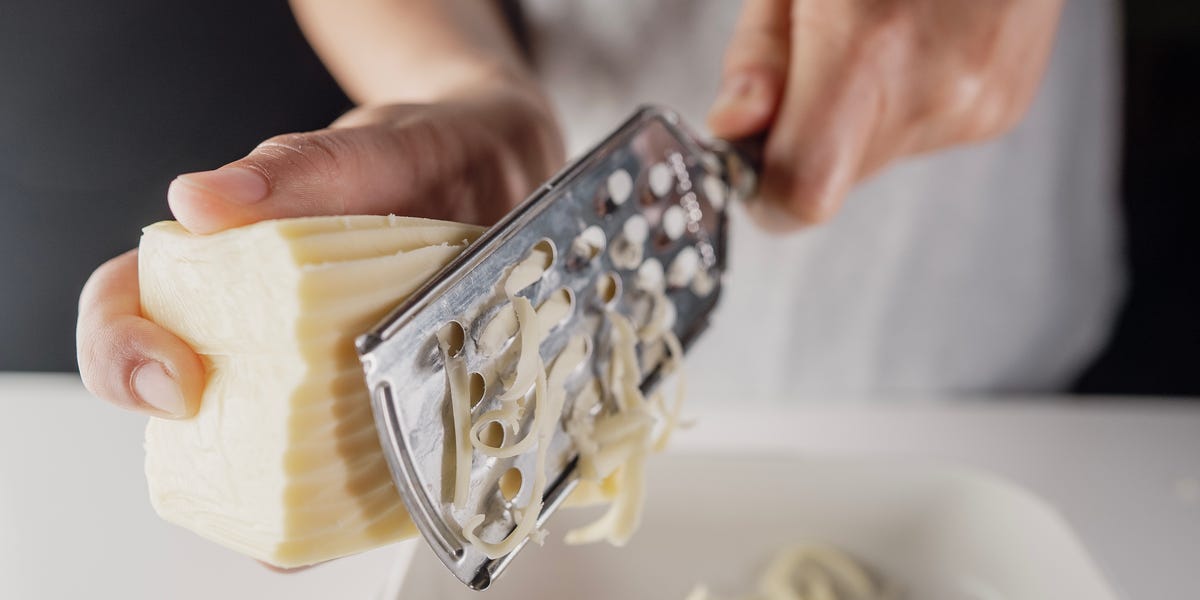
Cheese has long attracted critics due to its fat content. But don’t automatically discount the deliciously tangy dairy product as “unhealthy.” Calcium-rich and packed with important nutrients, cheese can play an important role in a balanced diet. In fact, incorporating some of the many delicious high-protein cheeses into your meal plan could even help you meet your protein goals.
Meet the experts: Lauren Manaker, M.S., R.D.N., L.D., registered dietitian; Melissa Prest, D.C.N., R.D.N., spokesperson for the Academy of Nutrition and Dietetics; Keri Gans, M.S., R.D.N., C.D.N., author of The Small Change Diet.
For many, eating a high-protein diet can help support fitness goals, muscle repair, and overall health. But your menu can quickly become tiresome if you’re only using meat as a protein source. Creatively weaving these healthy cheeses into your meals can help you stay fuller for longer and add more variety to your diet without sacrificing important nutrients. Whether you’re adding them to a salad, melting them into your favorite dishes, or simply enjoying them on their own, the options are endless.
Below, we’ve rounded up some of the best high-protein cheeses to enjoy all year long. All of the nutrition information included on this list was obtained from the U.S. Department of Agriculture (USDA).
1. Parmesan
One of the best high-protein cheeses available, Parmesan is a hard, aged cheese that’s perfect for grating over pasta, salads, or even roasted vegetables. Its bold flavor means a little goes a long way, making it both a tasty and efficient protein source.
For those with lactose intolerance, enjoying Parmesan cheese is still on the table! Thanks to its long aging process, Parmesan contains minimal lactose, making it a hard cheese that’s easier to digest for most lactose-intolerant individuals. It’s a delicious way to add a rich, nutty flavor to your meals without worrying about digestive discomfort. Whether you’re sprinkling it over your favorite dishes or enjoying it as a snack, Parmesan proves that indulgence and dietary considerations can go hand in hand.
Nutrition (per 1 oz):
- Calories: 110
- Protein: 10 g
- Carbs: 1 g
- Fat: 7 g
- Saturated Fat: 4 g
2. Cottage Cheese
While not technically a “hard cheese,” cottage cheese deserves a spot on this list due to its impressive protein-to-calorie ratio. This creamy, mild cheese is perfect for breakfast bowls, smoothies, or as a topping for baked goods.
Many brands of cottage cheese now offer varieties that include live and active cultures, similar to those found in yogurt. These probiotics can promote a healthy gut microbiome, improving digestion and supporting overall immune health. Opting for cottage cheese with live cultures is an excellent way to combine high protein content with added digestive benefits.
Nutrition (per 1/2 cup, 4% milkfat):·
- Calories: 110
- Protein: 13 g
- Carbs: 4 g
- Fat: 5 g
- Saturated Fat: 2 g
3. Swiss cheese
Known for its distinctive holes and mild, nutty flavor, Swiss cheese is a fantastic high-protein option. It’s great in sandwiches, melted on burgers, or enjoyed with whole-grain crackers as a snack.
Swiss cheese is not only a tasty and versatile dairy option but also a notable source of vitamin K2. Vitamin K2, a lesser-known form of vitamin K, plays a crucial role in bone and cardiovascular health. It helps direct calcium to the bones and teeth while preventing its excessive buildup in arteries. The fermentation process used in making Swiss cheese contributes to its vitamin K2 content, making it a valuable addition to a balanced diet. Incorporating Swiss cheese can be an easy and delicious way to support overall health, particularly for those looking to boost their intake of this essential nutrient.
Nutrition (per 1 oz):
- Calories: 110
- Protein: 8 g
- Carbs: 1 g
- Fat: 9 g
- Saturated Fat: 5 g
4. Gouda
Gouda is a semi-hard cheese with a rich and creamy flavor profile, making it a favorite for both snacking and cooking. It’s a wonderful source of protein and pairs beautifully with fruits like apples or grapes.
Beyond its delicious taste, Gouda offers several health benefits. It is a good source of calcium, which supports strong bones and teeth, and contains essential vitamins like vitamin B12, crucial for nerve function and red blood cell production.
Nutrition (per 1 oz):
- Calories: 100
- Protein: 7 g
- Carbs: 0 g
- Fat: 8 g
- Saturated Fat: 5 g
5. Cheddar
A household staple, cheddar cheese comes in many varieties, from mild to sharp. This versatile cheese works well in almost any dish, from grilled cheese sandwiches to baked casseroles.
Fun fact: Cheddar contains small amounts of conjugated linoleic acid (CLA), a compound linked to potential immune support and heart health.
Nutrition (per 1 oz):
- Calories: 115
- Protein: 7 g
- Carbs: 0 g
- Fat: 9 g
- Saturated Fat: 6 g
6. Feta
Feta cheese is a tangy, crumbly cheese often used in Mediterranean dishes. Despite its lighter texture, it provides a respectable amount of protein.
However, one thing to watch out for with feta cheese is its sodium content. Feta is typically cured in brine, which can contribute to a higher sodium level compared to other cheeses. Consuming it in moderation is essential, especially for those monitoring their salt intake or managing conditions like high blood pressure. Opting for reduced-sodium varieties when available can be a helpful alternative.
Nutrition (per 1 oz):
- Calories: 75
- Protein: 4 g
- Carbs: 1 g
- Fat: 6 g
- Saturated Fat: 4 g
7. Mozzarella
Mozzarella is a soft, mild cheese that’s especially high in protein when opting for the part-skim version. It’s widely used in Italian dishes and also makes an excellent topping for salads and sandwiches.
Mozzarella’s creamy texture and mild flavor make it a versatile ingredient that pairs well with a variety of foods, from fresh tomatoes and basil in a classic Caprese salad to melted over pizza and pasta dishes. When choosing mozzarella, selecting part-skim options can help reduce overall fat intake while still providing key nutrients.
Nutrition (per 1 oz, part-skim):
- Calories: 85
- Protein: 7 g
- Carbs: 1 g
- Fat: 6 g
- Saturated Fat: 3 g
8. Gruyère
This Swiss cheese has a rich, nutty flavor and melts beautifully, making it ideal for fondues or pairing with crusty bread. Gruyère offers a hefty protein content for a semi-hard cheese.
Like other cheeses, moderation is key to enjoying Gruyère as part of a balanced diet.
Nutrition (per 1 oz):
- Calories: 120
- Protein: 9 g
- Carbs: 0 g
- Fat: 8 g
- Saturated Fat: 5 g
9. Ricotta
Ricotta is a soft, creamy cheese that originates from Italy and is prized for its mild flavor and versatility. Made from the whey leftover during the production of other cheeses, ricotta is naturally lower in fat compared to many other types of cheese, especially when using part-skim variants. It is a great source of high-quality protein, too. Its low sodium content compared to harder cheeses makes it a more heart-friendly choice for those monitoring their salt intake.
This cheese is incredibly versatile and can be incorporated into both sweet and savory dishes. For a tasty breakfast, spread ricotta on whole-grain toast and top with honey and fresh fruit. It also works wonderfully in salads, blended into creamy pasta sauces, or layered in lasagna for added texture and nutrition. Ricotta can even be used in light desserts like cheesecakes or cannoli fillings.
Nutrition (per 1/2 cup, whole milk):
- Calories: 180
- Protein: 10 g
- Carbs: 6 g
- Fat: 12 g
- Saturated Fat: 8 g
10. Provolone
Provolone is a flavorful and versatile cheese that can be a good addition to a healthy diet, especially for those looking to increase their protein intake. With its rich taste and firm texture, provolone is not only satisfying but also provides a notable amount of protein, which is essential for muscle repair and overall bodily functions. Incorporating provolone into meals like sandwiches, wraps, or as a topping for roasted vegetables can help enhance the nutritional value and flavor of your dishes, making it a delicious and nourishing choice.
Nutrition (per 1 oz):
- Calories: 100
- Protein: 7 g
- Carbs: 1 g
- Fat: 8 g
- Saturated Fat: 5 g
11. Halloumi
“Halloumi is a semi-firm Mediterranean cheese that holds its shape when grilled or pan-seared, making it a satisfying protein option for vegetarian meals,” says Melissa Prest, D.C.N., R.D.N., spokesperson for the Academy of Nutrition and Dietetics. “Try slicing and grilling it alongside vegetables, adding it to grain bowls, or using it as a savory salad topper. Halloumi’s firm texture makes it a great stand-in for meat in plant-forward meals while still boosting protein.”
Nutrition (per 1 oz):
- Calories: 90
- Protein: 6 g
- Carbs: 1 g
- Fat: 7 g
- Saturated Fat: 4 g
12. Paneer
“Paneer is a fresh, mild cheese commonly used in Indian dishes,” says Keri Gans, M.S., R.D.N., C.D.N., author of The Small Change Diet. Similar to halloumi, paneer’s firm texture gives it some bite, making it a savory and satisfying meat substitute in vegetarian dishes. “Paneer doesn’t melt, making it perfect for sautés, curries, or skewers.”
Nutrition (per 1 oz):
- Calories: 90
- Protein: 7 g
- Carbs: 1 g
- Fat: 7 g
- Saturated Fat: 5 g
13. Goat cheese
If you’re a cheese lover with a mild sensitivity to lactose, consider adding more goat cheese to your plate. “Goat cheese, or chèvre, is slightly lower in lactose than many cow’s milk cheeses, with a tangy flavor and creamy texture,” Gans explains. “It’s great spread on toast, crumbled over salads, or added to roasted vegetables.”
Nutrition (per 1 oz):
- Calories: 80
- Protein: 5 g
- Carbs: 1 g
- Fat: 5 g
- Saturated Fat: 4 g
The bottom line
Cheese offers a delicious and versatile way to add protein and flavor to your meals, whether you’re spreading creamy ricotta on toast, melting provolone in a sandwich, or sprinkling briney feta cheese over a crisp salad. With such a wide variety to choose from, there’s a cheese to suit every palate and recipe.
Just keep in mind that certain cheeses can be high in sodium and saturated fat. For those following specific diets, such as low-sodium or heart-healthy plans, moderation is key. Now, go ahead and explore the endless possibilities that cheese can bring to your culinary adventures!
Read the full article here