

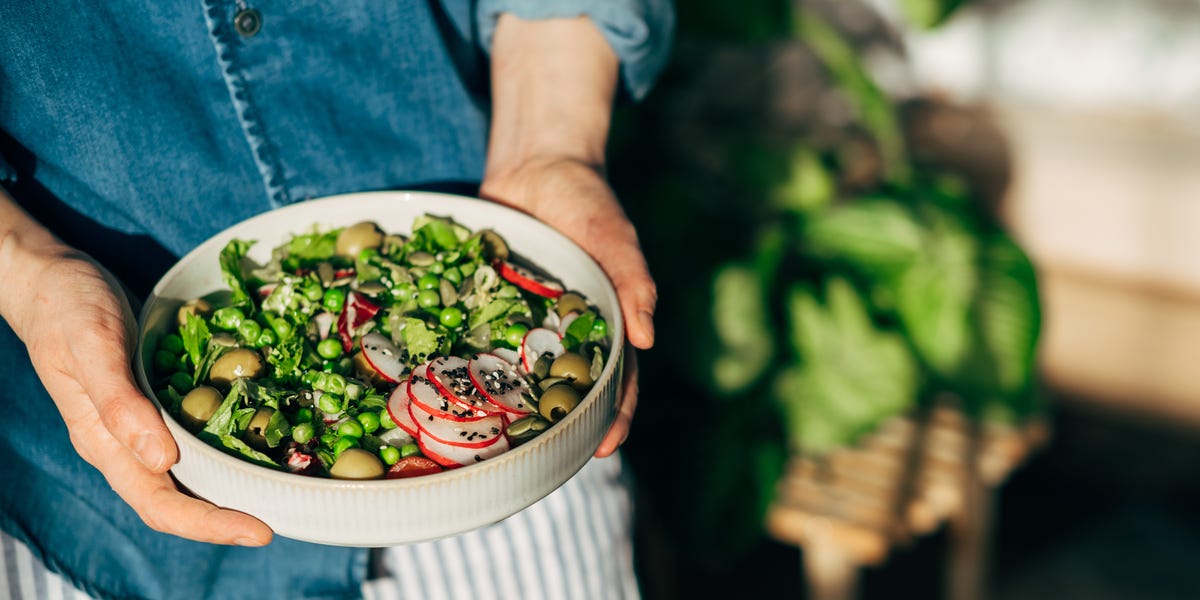
Fiber is finally having its moment in the spotlight—welcome to the era of “fibermaxxing.” Once dismissed as boring, fiber is now trending on social media feeds and making waves in grocery aisles. As a dietitian, I can tell you this newfound fame is well earned. Fiber is one of the most powerful tools you have for supporting your overall health. But unfortunately, most of us eat less than half the fiber we actually need.
Fixing this gap doesn’t mean you have to start gnawing on cardboard. Adding more fiber to your life can be simple, delicious, and surprisingly doable.
Why fiber is a big deal
To put it simply, fiber is the part of plant foods that your body cannot fully break down. Instead of being digested for energy, it travels through your system doing a lot of heavy lifting.
Evidence consistently shows that a diet rich in fiber supports your body in some pretty amazing ways. First, it keeps your digestive system moving smoothly, which helps you stay regular. Beyond the bathroom, fiber plays a major role in your long-term health. It helps manage blood sugar levels by slowing down the absorption of sugar into your bloodstream. It also binds to cholesterol, helping to clear it from your body, which supports a healthy heart. Eating enough fiber is even associated with a lower risk of colorectal cancer. It is a quiet powerhouse that works hard for you every single day.
How to sneak more fiber into your day
You do not need to overhaul your entire diet to see the benefits. You just need a few strategic tweaks to the meals you already love. Here is how to easily boost your fiber intake:
Add fruits and veggies to meals
Produce is a source of natural fiber. Throw a handful of spinach into your morning eggs, or add a few extra slices of tomato to your sandwich. When you eat apples, pears, or potatoes, leave the skin on. The skin contains a large amount of the fiber, so a quick wash is all you need before taking a bite.
Swap refined grains for whole grains
Refined grains, like white rice and traditional pasta, have their fibrous outer layers stripped away. To get that fiber back, simply choose whole-grain versions. Swap white rice for brown rice or quinoa. Pick whole-wheat bread instead of white bread. Start your day with a warm bowl of oatmeal instead of a highly processed breakfast cereal.
Embrace beans, lentils, nuts, and seeds
Legumes and seeds are absolute fiber powerhouses, and they fit easily into almost anything. Stir a can of black beans into your taco meat, or mix cooked lentils into a hearty soup. You can also sprinkle chia seeds or flaxseeds over a bowl of yogurt. Almonds and walnuts add a satisfying crunch and a quick hit of fiber to any salad.
Choose high-fiber snacks
Snack time is the perfect opportunity to sneak in a few extra grams. Instead of reaching for pretzels, grab an apple with a spoonful of peanut butter. Carrot sticks with a generous scoop of hummus make another great pairing. Even air-popped popcorn counts as a whole grain and delivers a solid dose of fiber.
Read your food labels
When buying packaged foods like bread, tortillas, or granola bars, flip the box over and check the Nutrition Facts panel. Look for the “Dietary Fiber” line. A great rule of thumb is to look for products that offer at least three grams of fiber per serving.
Add seeds to your dishes
Don’t underestimate the power of tiny seeds; options like chia and flax pack a serious fiber punch and fit seamlessly into just about anything you eat. Stir a spoonful of chia seeds into your overnight oats, sprinkle ground flax on your yogurt or smoothie, or mix both into your favorite baked goods. Their mild flavor disappears into the background, while their fiber helps keep you fuller for longer and supports healthy digestion. Plus, they offer bonus omega-3s to help combat inflammation.
Overcoming fiber fears
Changing your diet can sometimes feel intimidating. Let us tackle a few common roadblocks so you can increase your fiber intake with confidence.
“High-fiber foods taste boring.”
Eating fiber does not mean choking down dry bran. Fiber comes from vibrant, delicious foods. If you hate steamed broccoli, try roasting it with olive oil, garlic, and a pinch of salt. Blend berries and spinach into a naturally sweet smoothie. You can easily season and cook high-fiber foods to match exactly what you love to eat.
“Eating fiber hurts my stomach.”
If you currently eat a low-fiber diet and suddenly load up on beans and oats, your stomach will probably protest with bloating and gas. The trick is to take it slow. Add just a few extra grams of fiber every couple of days. This gives your digestive tract and your gut bacteria plenty of time to adjust comfortably.
“I feel backed up.”
Fiber acts like a sponge in your digestive tract, absorbing water to help waste move smoothly. If you ramp up your fiber without drinking enough water, it can actually cause constipation. Simply pair your new high-fiber habits with plenty of fluids throughout the day.
Small changes, big wins
You do not have to hit your fiber goals overnight. Focus on making just one small swap today. Try choosing a whole-grain wrap for your lunch or snacking on a handful of almonds this afternoon. These tiny adjustments might feel small, but they compound over time to support your heart, your digestion, and your overall well-being. Start adding a little more color and crunch to your plate today, and your body will thank you.
Read the full article here