

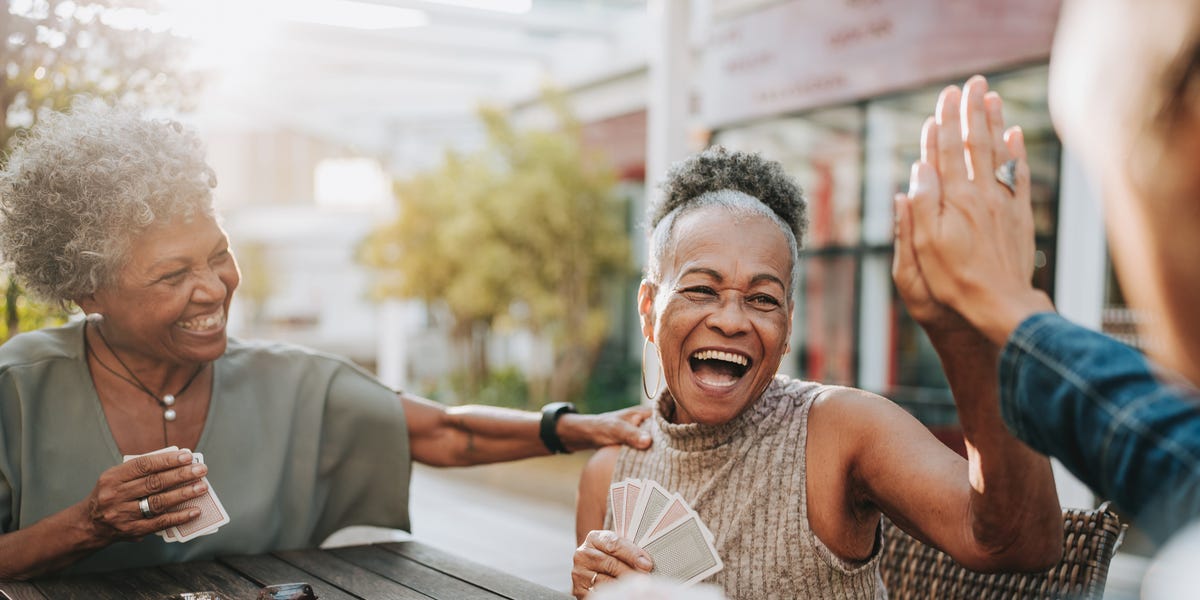
What do you imagine when you picture yourself turning 100? How about 105 or even 110? Are you frail and bedbound and unable to participate in any of the activities that bring you joy? Or do you picture a feisty centenarian who goes to the theater, takes long walks with friends, and remains sharp as a tack?
Scientists today are shifting their perspective from just trying to add years to our lives to making those years vibrant and worth living, says Matt Kaeberlein, Ph.D., former director of the Healthy Aging and Longevity Research Institute at the University of Washington. In addition to extending the number of years you live by developing cutting-edge treatments for diseases such as cancer, heart disease, and chronic obstructive pulmonary disease (COPD), they want to boost your healthspan, which is the number of years you can remain alert, engaged, and active, says Stephen Kopecky, M.D., a cardiologist at the Mayo Clinic and author of Live Younger Longer.
Extending your healthspan doesn’t mean you’ll never get sick or develop a chronic condition; the goal is to be able to manage any conditions so they won’t put too big a crimp on your later years. In time, scientists believe, you should be able to push back the moment when you need to use a wheelchair or your memory starts to fail until the very end of your long life.
Today, the average American gives up more than 10 years of their potential healthspan to disease or disability, Kaeberlein says. But he adds that can change; scientists already know how we can optimize our later years through lifestyle changes. “An improved understanding of the biology of aging will form the crux of 21st-century medicine,” Kaeberlein predicts.
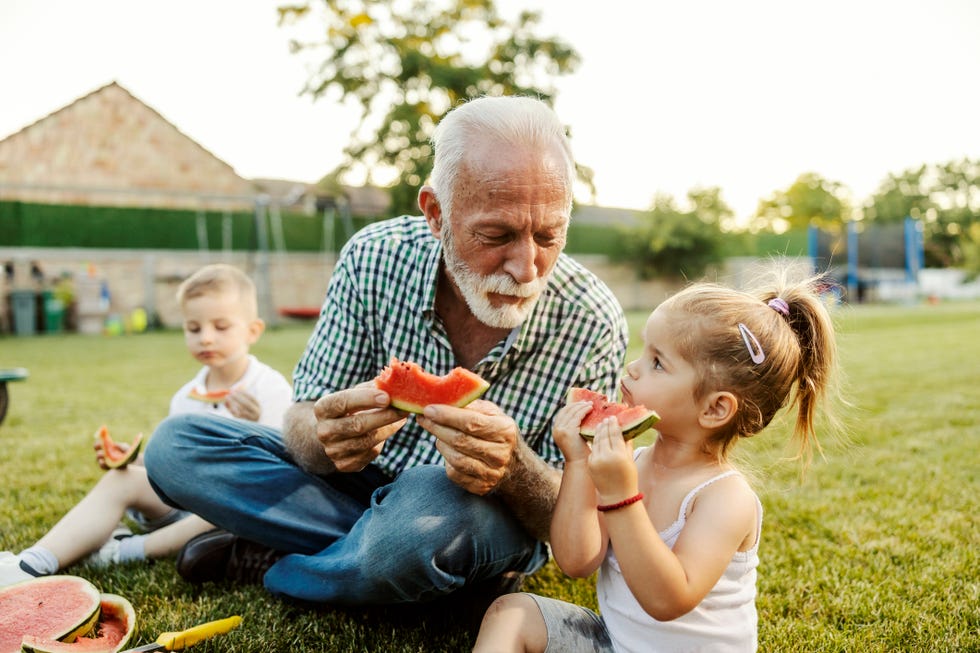
Be that grandparent who can keep up with the littles
What Causes a Shorter Healthspan?
Before aging shows up as, say, heart disease or COPD, the process of getting older starts deep down in our cells and tissues. Healthspan scientists are trying to figure out what exactly happens, so we can get better at slowing down the process.
The list of possibilities includes dysfunctions of mitochondria, the engines of cells; shortening of telomeres, substances at the ends of DNA that act like shoelace tips to keep chromosomes from fraying; and glitches in information conveyed by one part of a cell to another.
What we do know is that cellular aging is affected by our lifestyle and environment, as well as our genes. Our furry friends are helping scientists learn more: Kaeberlein started the Dog Aging Project a few years ago because canines are in many ways like people—subject to the effects of stress, environmental toxins, and less-than-ideal diets (we’re looking at you, Fluffy the malti-poo, who loves to steal cheese off the table). But because dogs age approximately seven times as fast as we do, we can learn a lot from what they go through. (He invites readers to register their dog with the Dog Aging Project, which requires owners to give updates on the pooch’s health—hopefully providing valuable info for all human- and dog-kind.)
In the meantime, it’s become clear what’s bad for us, like high blood sugar and lack of exercise, as they do their dirty work by causing cellular dysfunction. All the things we know we should do to prevent conditions, like diabetes and heart attacks, can also help push back the biology of aging, Kaeberlein says.
Things are constantly changing as scientists learn more, but here’s what we know you can do right now.
The Best Tips for Healthy Aging
1. Dial Down Stress
Feeling chronically stressed about your life, the state of the world, and everything else that may cause you to stare at the ceiling all night speeds up aging, says Elissa Epel, Ph.D., director of the Aging, Metabolism, and Emotion Center at the University of California, San Francisco. This is because stress fuels the low-grade inflammation that damages cells, affects the length of telomeres, and more, she says.
Take Breaks in Nature
Research has found evidence that spending time in nature—even if you live in a city and “nature” means a few trees in a local park—can reduce stress, anxiety, and even depression. One study confirmed that you can see the benefits after spending just 20 to 30 minutes in green space a few times each week.
Mentally Time Travel
Epel is a big fan of a stress-relief method called “time distancing.” Think about your biggest worries and ask yourself how much they will matter a week, a month, a year, or decades from now. When you realize that in a month, you probably won’t even remember that disagreement you had with your boss over a project deadline, it’s easier to let it go now.
Schedule “Inner-Me” Time
Figure out what puts you in a peaceful state, whether that’s taking a yoga class, writing in a journal, or listening to soothing music while your cat cuddles on your lap, suggests Anu Lala-Trindade, M.D., a cardiologist at Mount Sinai Hospital. This may also help you to stay on track with other routines that help reduce stress. “The days I take the time to meditate are the days I do the most healthy eating and exercise,” Dr. Lala-Trindade says.
Hide Your Phone for a Few Hours
Constantly scrolling Insta or trying to beat your score on an addictive game app can increase stress and anxiety, and lead to poor sleep. Cutting back—by, say, making Saturday morning a phone-free period in your home—lowers stress levels, especially when you use that time to go for a run, head out on a bike ride, or do any other type of physical activity instead, German researchers discovered.
2. Be Aware of Your Blood Sugar
Consistently high levels of glucose in your blood, or levels that frequently swing a lot from high to low and back again, damage many cells in the body, which sets the stage for diseases like diabetes and heart disease. Over time, having these conditions further decreases healthspan.
Eat a Mediterranean Diet
It consistently comes out on top as the healthiest eating style for mind and body: The Mediterranean-style diet, full of vegetables, fruits, and high-quality fats (olive oil, nuts) and proteins (lots of fish), is also the best way to keep blood sugar in check, Dr. Kopecky says.
One way to ease into the diet: Have a green salad with at least one meal a day. A single daily serving of leafy greens may help protect the brains of older adults, Rush University researchers discovered.
Go Green With Your Tea
Join in the matcha tea craze! Japanese researchers found that drinking green tea lowered blood glucose levels in people without diabetes. One reason, the scientists discovered: Regularly consuming the beverage reduces the amounts of unhealthy bacteria that colonize the gut.
Try Acupuncture
Don’t be afraid of the tiny needles that can improve your health. If you have diabetes, consider adding acupuncture to your regimen; it stabilizes blood sugar more than conventional therapy alone, Chinese researchers report.
Track Your Sugar
People at high risk for heart disease and prediabetes (high-ish levels that don’t quite cross the diabetes threshold—yet) may benefit from seeing how their blood sugar reacts to individual food choices.
You can do this by trying out a continuous glucose monitor. Dr. Lala-Trindade suggests that if your A1C is above the safe limit of 5.7, despite a healthy diet and regular exercise, ask your doctor if temporarily wearing an under-the-skin monitor could help you optimize food choices.
3. Move Your Body
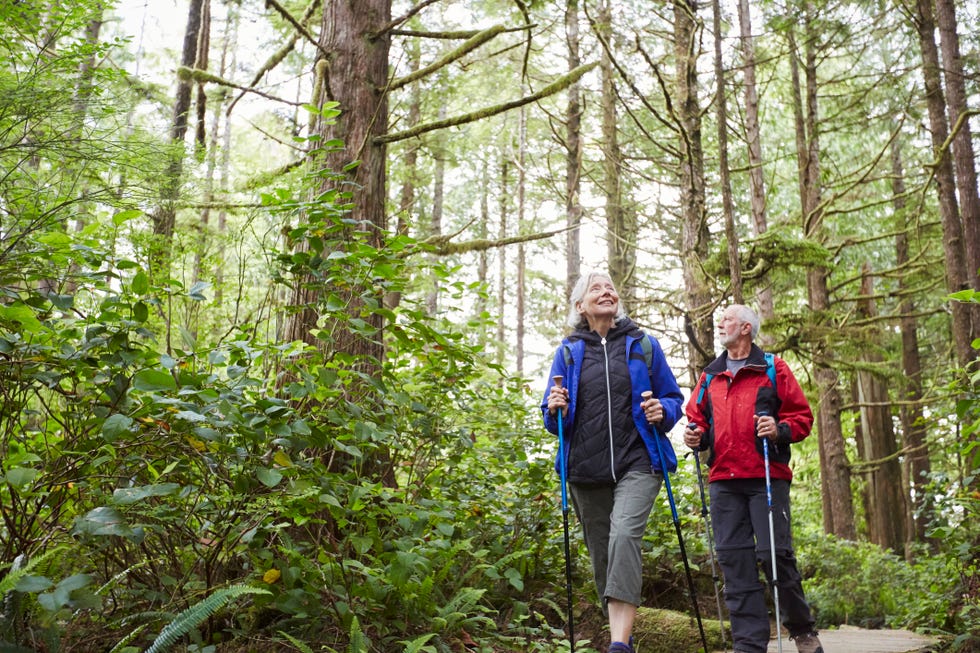
Whether you’re a pickleball fanatic, go on hikes all over the world, or simply enjoy a couple of laps around the mall, regular exercise keeps your muscles strong to help you stay active in old age. The surprising news is that it does even more for your healthspan, including stimulating anti-inflammatory activity throughout the body and keeping cell-damaging insulin levels in check.
Do a Little More
It’s wise to schedule in regular cardio totaling at least 150 minutes each week (maybe a 60-minute dance class one day, a 45-minute walk with a friend another day, and a quick bike ride to the park). But it’s also wise to move all day long, Dr. Kopecky says.
Get up and take a lap around your office every half hour, sweep your kitchen before plopping in front of the TV, and yes, take the stairs whenever possible.
Start Strength Training
Resistance training—whether lifting weights, using resistance bands, or doing body-weight exercises that challenge muscles—is a crucial part of staying healthy as you age, Kaeberlein says. “The loss of lean muscle mass is one of the biggest predictors of frailty in the elderly,” he adds.
Up Your Protein
Muscles grow when you feed them protein, but research shows that current daily recommendations may not be enough for optimal strength as we age. “I aim to double the current target to 1.5 g per kilogram of body weight,” says Kaeberlein.
This means if you’re a 150-pound woman, you’d want to take in 102 g of protein daily. Reach this level by including some protein—from high-protein foods like nuts, eggs, soy protein, lentils, fish, meat, and even rye bread—in every meal.
A recent study in people between the ages of 55 and 70 who were strength training and cutting calories to try to lose weight found that eating sufficient protein was best for maintaining a healthy muscle-to-fat ratio, while restricting calories alone caused loss of muscle strength and function.
Try Tree Pose
“Yoga improves muscle tone and balance,” says Dr. Lala-Trindade. This helps prevent falls and will let you do daily activities with ease. An added benefit: Yoga’s breathing exercises reduce stress.
4. Be Heart Smart
In 2023, more than 900,000 people died from cardiovascular disease. And it doesn’t just shorten your lifespan. Many people with heart disease are unable to do the activities they enjoyed before, putting a real damper on their senior years. “Prevention strategies are beneficial at every stage,” whether your heart is healthy or you’re dealing with the onset of heart disease, Dr. Lala-Trindade says.
Rediscover Your Kitchen
Cooking at home rather than dialing DoorDash takes a little extra effort, but it pays off in more ways than just the financial cost: You get to control portion sizes, use healthful ingredients, and control sugars and trans fats. Check out some easy and delicious recipes on the National Institutes of Health’s Healthy Eating website.
Explore Fermented Foods
Miso, natto, tofu, and kefir aren’t commonplace in many American kitchens, but they should be in yours. Japanese researchers found that the risk of developing high blood pressure dropped by up to 28% in those who regularly ate fermented soy products (e.g., miso and natto).
In another study, three months of daily drinking of the fermented dairy product kefir—great for breakfast—boosted heart blood markers and lowered heart disease risk.
Call Your Friends
As you grow older and friends move away or your favorite work buddies retire, it can be harder to make those everyday connections, and that’s bad for your health. People who feel lonely have a higher risk of heart disease and stroke, not to mention depression.
If you’re feeling lonely, sign up for a tap dance class or lecture series, or start a Zoom book club with friends who live far away. Just picking up the phone and chatting with someone for 10 minutes a few times a week significantly reduces loneliness.
Sleep Like a Baby
Sleep is one of the most important things you can do to improve your healthspan, Dr. Kopecky says, as this is when crucial tissue is repaired, including that in your heart. Yet a third of American adults don’t get enough zzz’s.
Improve your sleep hygiene by keeping to the same sleep schedule every day (including weekends) and creating a bedtime routine similar to the kind you had for your kids, perhaps involving a soothing bath, reading, meditating, and/or writing down things you’re grateful for.
So, in the Future, Will We Live Forever?!
Eternal life may be something we’ll only ever see in the movies, but at some point, humans may get pretty darn close to it. “Longevity interventions have moved from science fiction to science fact. We now know many processes in the body to target,” Kaeberlein says.
Here’s what researchers are tinkering with:
- The drug rapamycin activates natural pathways that protect and rejuvenate cells. Dozens of studies in mice found that it delayed and sometimes reversed age-related decline; one showed that rapamycin-fed rodents had better coordination and memory and less frailty than others.
- A class of drugs called senolytics act like internal vacuum cleaners, sucking up defective, “senescent” cells that also deform other cells.
- Taurine is an amino acid that has been suggested in small studies to tame the inflammation behind diseases of aging.
- Gene therapy—i.e., inserting a healthy gene into cells to replace a defective one—is being tested to counter certain cellular aging processes, including the shortening of telomeres. (Once telomeres become too short to divide, the cell dies.)
- Gene-editing snippers like CRISPR/Cas9, which removes mutations from genes, may one day conquer genetics-based, healthspan–robbing scourges like Parkinson’s and Alzheimer’s disease. The tech has already been approved to fight sickle cell disease.
Read the full article here