

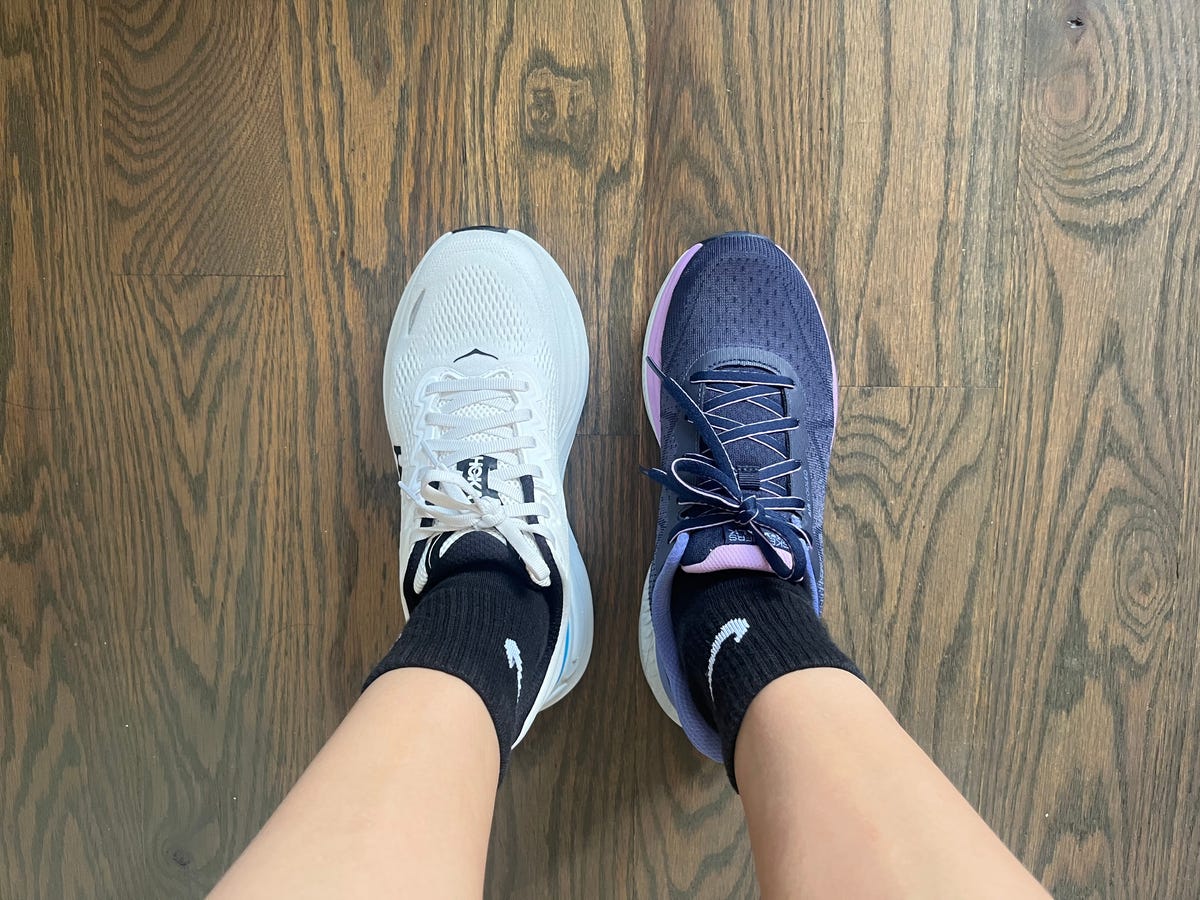
When it comes to comfortable, cushioned walking shoes, two specific brands often come to mind: Skechers and Hoka. Both names frequently top our podiatrist-approved lists of the best walking shoes, best shoes for standing all day, and so many more, thanks to its soft, thick cushioning known for providing all-day comfort. But as someone who’s tried—and loved—both Skechers and Hoka shoes, I’ve always wondered: How do their shoes really stack up to each other in a head-to-head comparison?
To find out, I tested the most cushioned walking shoe from each brand—Skechers’ Go Walk Max Cushioning Arch Fit and Hoka’s Bondi 9—for a month to see how they fared side-by-side. Both of these sneakers boast maximum, plush cushioning and have earned the Seal of Acceptance from the American Podiatric Medical Association (APMA) for promoting good foot health, but they have a number of differences—not to mention, one pair is much pricier. So which shoe is truly worth the buy?
Key differences: Skechers Max Cushioning vs. Hoka Bondi
Cons
- Only available in medium width
- Less structured and locked-in fit

| Sizes | 5-13 |
| Widths | Medium |
| Colors | 3 options |
| Weight | Not listed |
| Heel-to-toe drop | Not listed |
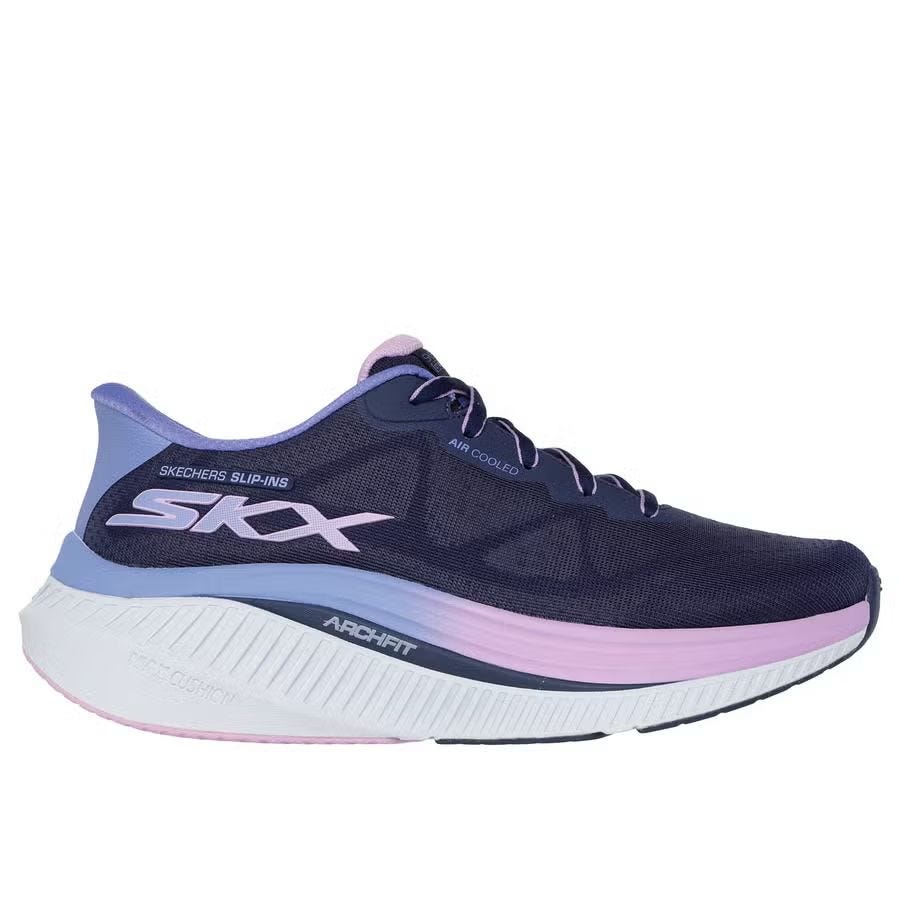
Known for their everyday, affordable walking shoes, Skechers has a highly cushioned line of footwear called the Max Cushioning collection—which includes the best-selling Go Walk Max Cushioning Arch Fit – Areena sneakers. These shoes boast the APMA Seal of Acceptance as well as the title of our best Skechers walking shoe overall, featuring a removable insole and a contoured footbed with podiatrist-certified arch support.
They deliver a plush, lightweight, and responsive feel with the brand’s Ultra Flight and Max Cushioning, and are designed with a breathable mesh upper and Skechers’ signature hands-free slip-in technology—a feature that makes them easy to slip on and off without having to bend over or tie laces.
Cons
- More pricey
- Less pronounced arch support
| Sizes | 4-12 |
| Widths | Regular, Wide, X-Wide |
| Colors | 23 options |
| Weight | 9.3 oz |
| Heel-to-toe drop | 5mm |
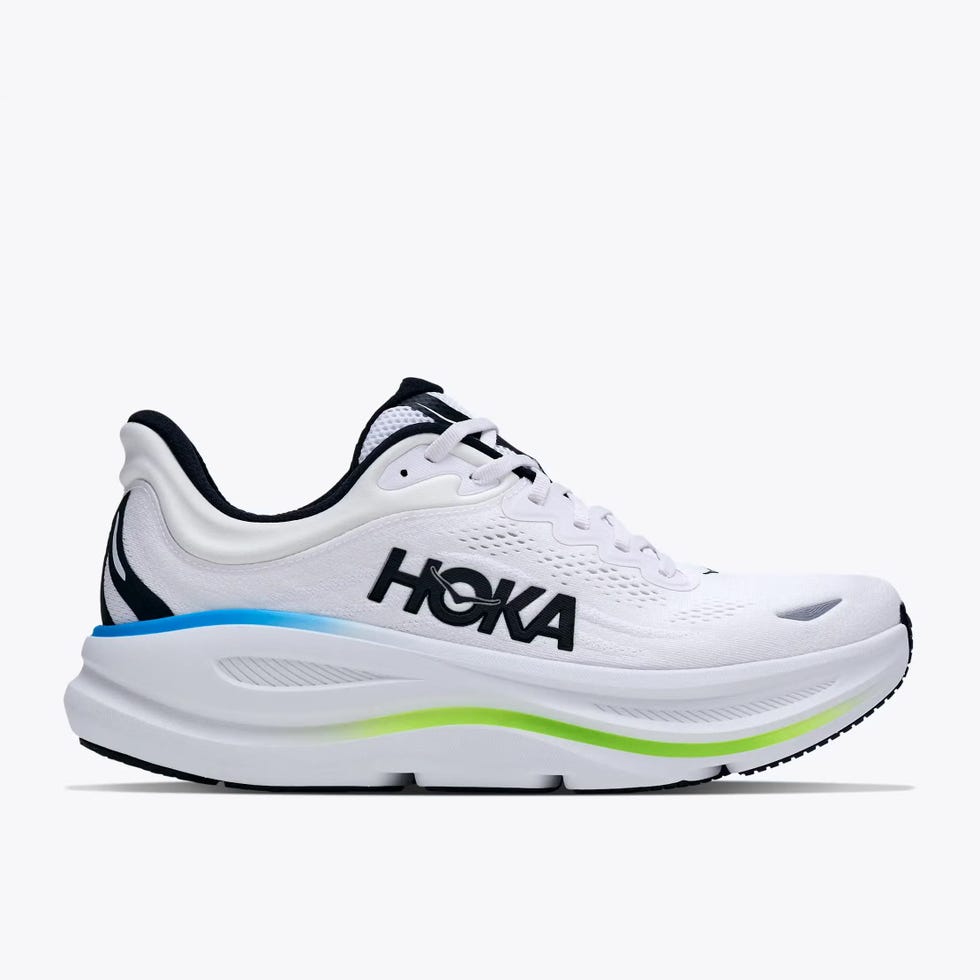
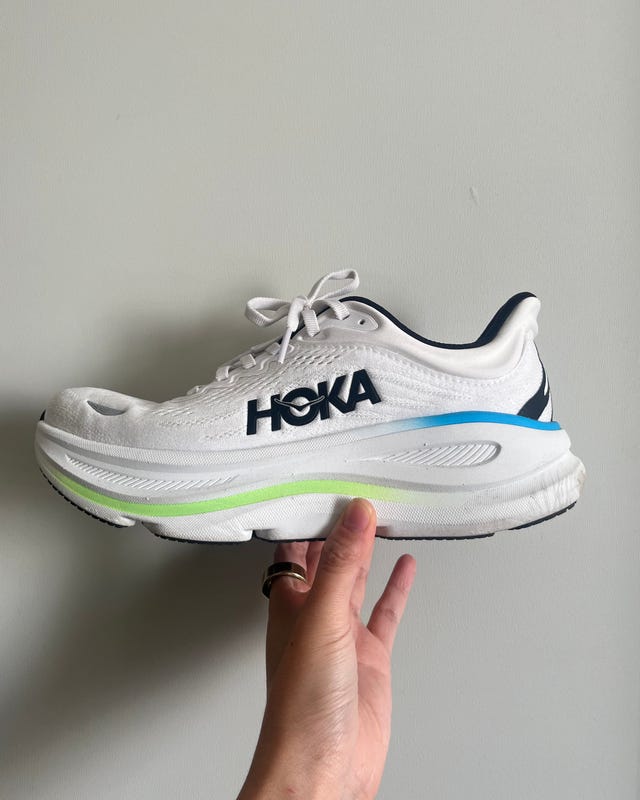
Hoka is known for its top-notch athletic shoes that feature exceptional plush cushioning and impact absorption—like their maximum cushioned shoe, the Bondi 9. These sneakers have the APMA Seal of Acceptance and consistently landed on our lists of the best shoes for walking on concrete, best shoes with arch support, best running shoes for beginners, and more.
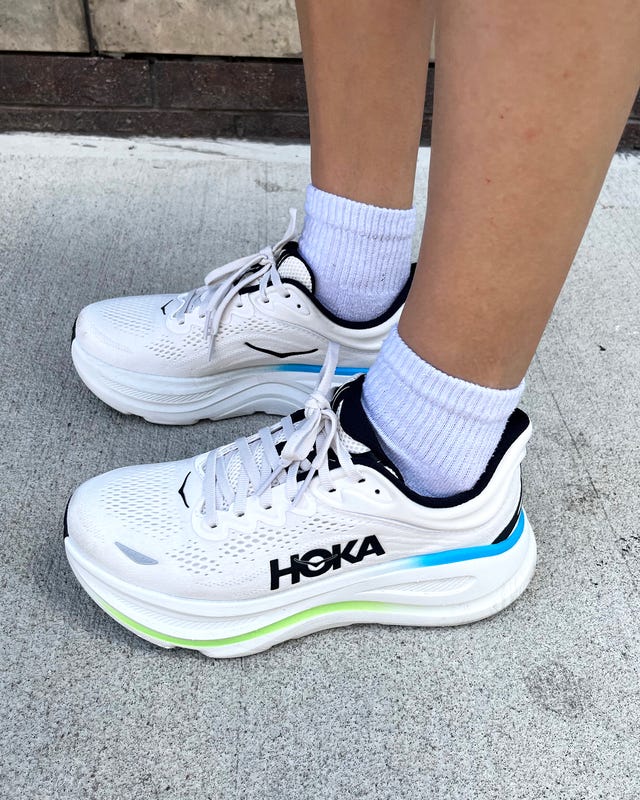
Thanks to their thick, shock-absorbing midsole, podiatrists often recommend these shoes for long hours of standing and walking. The Bondi 9 is also designed with a breathable knit upper with zonal venting, a 3D molded collar for soft, ankle-hugging comfort, and a rearfoot-focused Active Foot Frame for more supportive landings.
How I tested
I wore the Skechers Max Cushioning Arch Fit – Areena and Hoka Bondi 9 for the last month on daily walks, including on strolls along New York City streets and parks, commutes on the subways, around the office, while running errands, and other outings in the city. I also tried both shoes on a short run, alternating between walking and running at an easy, slow pace.
Skechers Max Cushioning Arch Fit – Areena
Fit and material
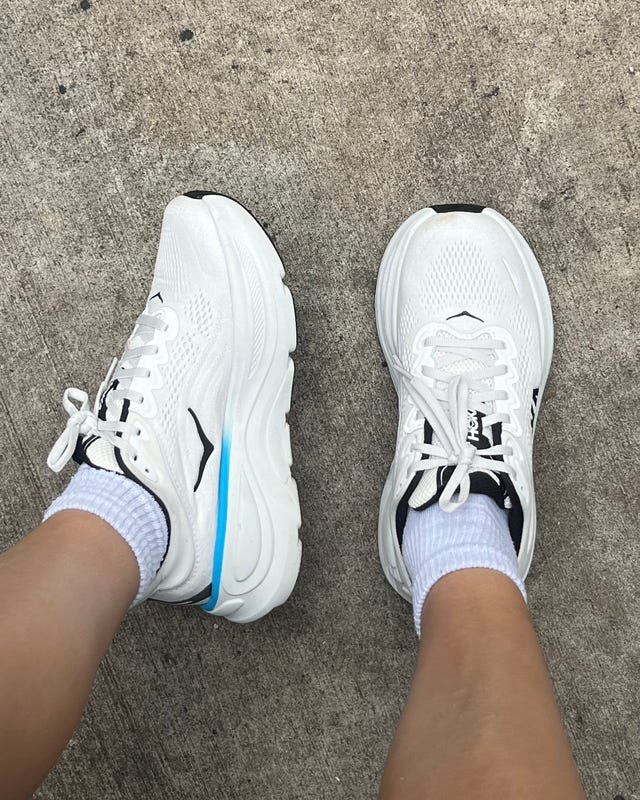
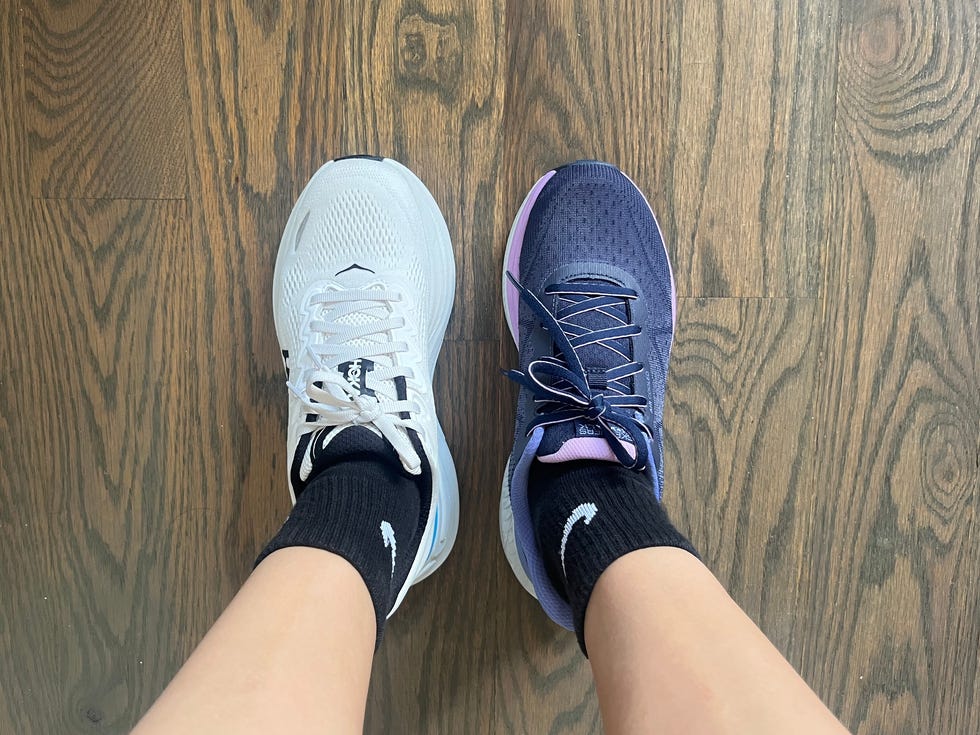
I opted for my regular size, size 7, in both the Skechers and Hoka shoes, and found them both fairly true to size. However, the feel of the fit was slightly different between the two pairs. Mainly, I found the Hoka Bondi 9 to have a more structured and secure fit and feel, thanks to its substantial, engineered knit mesh upper and 3D molded collar—which delivered an especially plush, padded feel around my ankles and heels. This made these shoes feel more secure and locked-down on my feet while both walking and running. I also found the knit upper to be pretty breathable on hot summer days, due to the integrated zonal venting that’s designed to deliver targeted airflow throughout the feet.
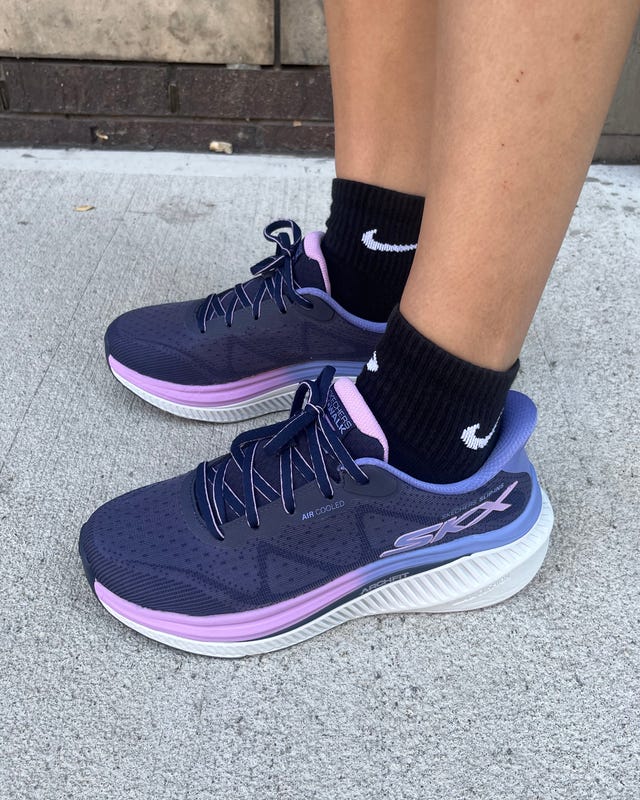
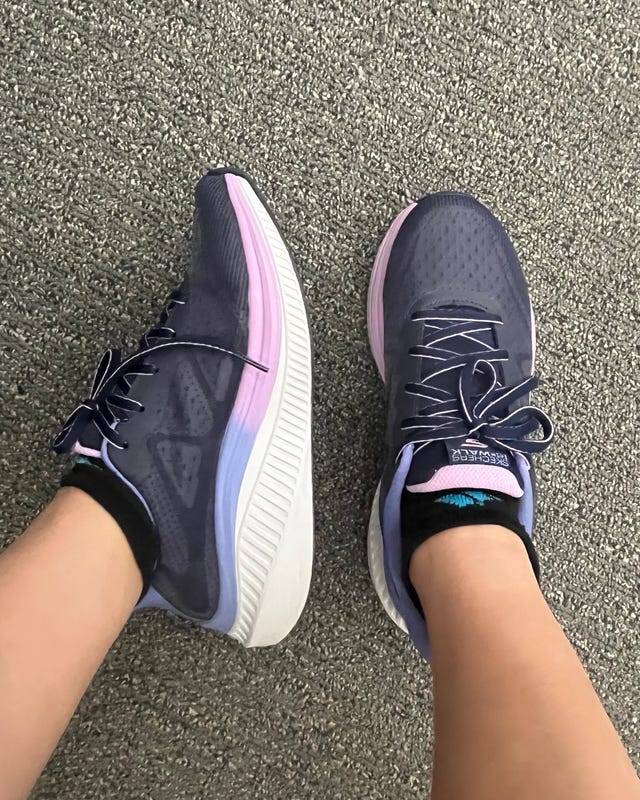
In comparison, the Skechers are designed with an engineered monomesh upper that felt thinner, lighter, and more flexible around my feet (which also made these shoes feel super breathable). The tongue and heel of these sneakers sit lower on my feet, so I didn’t find them to have that same secure, locked-in fit as the Hokas—which, for me, made them feel less reliable for running. However, the trade-off is that they’re much easier to slip on and off because of the brand’s signature hands-free slip-in technology—a feature I especially love in Skechers shoes as it’s a game-changer for getting out the door faster without having to bend over or deal with pesky laces. And although these shoes didn’t feel as structured or locked-in as the Hokas, they still felt pretty secure on my feet without slipping off, with the heel pillow that’s designed to hold your foot in place.
Cushioning
Both the Skechers Max Cushioning Arch Fit and Hoka Bondi 9 are designed with maximum cushioning. I found them to have a similarly soft and plush feel—but I’d say the Hoka’s cushioning is slightly softer and more substantial, while the Skechers feels a bit more supportive and responsive.

Add Prevention as a preferred source in your Google search results.
Use your Google account to add this to your settings.

More specifically, the Hoka features a thick bed of super critically foamed EVA—which I found to deliver that pillowy-soft, cloud-like feel that the brand is known for. Hoka says this “plush” cushioning is designed to “provide a forgiving impact and ride,” which definitely proved to be true for me on long walks, as well as my short run. I felt that the substantial cushioning was great at absorbing shock and keeping my feet and joints comfortable, even while I was logging miles on hard, unforgiving concrete. And even with this high amount of cushion, these shoes surprisingly never felt unstable or bulky, or like my feet were just sinking into the foam—thanks to the rearfoot frame that’s designed to securely cradle your feet for more supportive landings. I also found that the shoes’ rocker design helped them to roll forward nicely with each step, helping me maintain a nice, easy pace while both walking and running.
The Skechers felt similarly soft and comfortable underfoot—but I’d say the cushion feels a bit less dense and less substantial compared to the Hokas, with a bit lighter, more responsive feel when walking. The cushioning also didn’t feel as uniformly soft as the Hokas, due to the contoured arch support which provides a firmer sensation through the midfoot (read more about the arch support in the next section!). However, these shoes were similar to the Hokas in that they had a nice forward roll with every step, thanks to the brand’s Hyper Arc technology, a curved rocker bottom sole that promotes smooth transitions from landing to toe-off.
Arch support
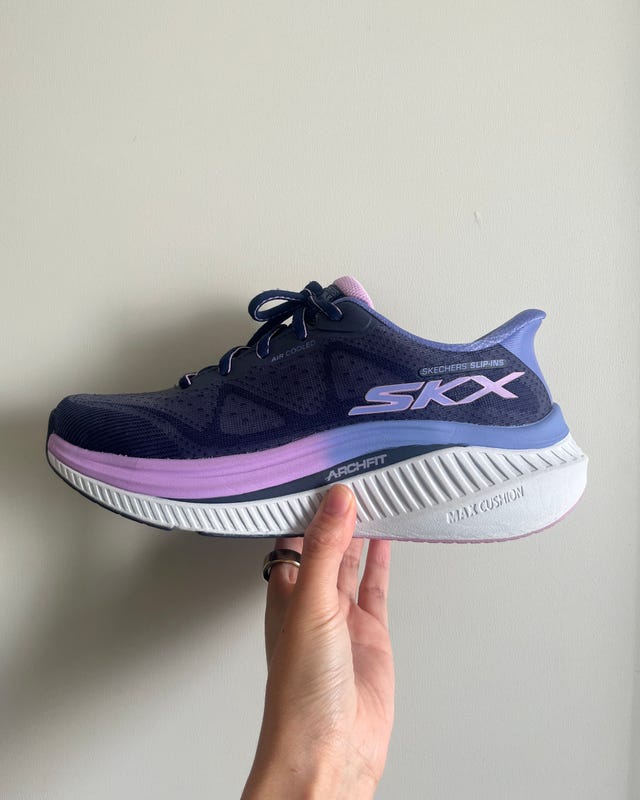
Another noticeable difference between the Skechers and Hoka sneakers was the arch support. The Skechers Max Cushioning Arch Fit – Areena shoes offer more pronounced support through the arches with the brand’s Arch Fit technology—a patented, contoured footbed that features podiatrist-certified arch support within a removable insole, designed to mold to your foot to reduce shock and disperse weight. I have normal to low arches, and definitely noticed the distinct, firmer feel through the midfoot in these shoes. Thankfully, though, it seemed to subtly contour to my arches rather than feeling too pronounced or unnatural. Ultimately, the arch support in these shoes made them feel especially supportive and comfortable during long walks.
In contrast, the Hoka Bondi 9 sneakers feel more neutral underfoot; they don’t have that same defined arch sensation as the Skechers, instead offering a softer, more evenly cushioned feel across the entire foot. Rather than providing distinctive support directly under the arch, I’d say the Hokas offer support with their wide base and secure fit. Even without that noticeable arch contour, though, I still found these shoes plenty supportive—I never felt any pain or discomfort in my arches while wearing these shoes, even after long periods of walking.
The final verdict
Ultimately, I’d say that both Skechers Max Cushioning Arch Fit – Areena and Hoka Bondi 9 deliver the soft, plush cushioning and all-day comfort I’m always looking for in a great walking shoe—but they serve different purposes and excel in slightly different ways.
If you’re specifically looking for a secure, structured fit and cloud-like, substantial cushioning that’s great for reducing impact on long walks and runs, I’d say the Hokas are the way to go. These ultra-cushioned shoes offered pillowy-soft landings for a forgiving, smooth ride every time, and were great at keeping my feet and joints comfortable even after miles on hard surfaces like concrete. Additionally, they felt more performance-oriented for running, with their more secure and locked-down fit, stable platform, and smooth rocker design that helps promote easy transitions through every stride.
On the other hand, I’d recommend the Skechers for anyone who’s prioritizing arch support, a lightweight feel, and everyday convenience in a pair of comfortable, cushioned walking shoes. These sneakers provided great support for my arches with their contoured Arch Fit footbed, helping my feet stay comfortable during long periods of walking and standing—not to mention, this arch support is also great for people with flatter feet or plantar fasciitis. Additionally, the Skechers’ lightweight, flexible upper and hands-free slip-in technology make them particularly easy to wear for errands and daily walks. And the cherry on top? They come at a much lower price tag than the Hokas—though I’d also of course say the Hoka Bondi 9s are still definitely worth the splurge.
Read the full article here