


Bug bites happen here and there, but if you happen to spot several bug bites at once, it’s understandable to question what decided to make a meal out of you. If you’ve already ruled out mosquito bites, you may wonder if you could be dealing with bed bug bites or flea bites.
Telling bed bug bites vs flea bites apart can be tough if you don’t see the pests. But if you happen to spot either one—or have a healthy suspicion you’ve been victimized by bed bugs or fleas—there are multiple things to consider.
Meet the experts: Gary Goldenberg, M.D., is an assistant clinical professor of dermatology at Icahn School of Medicine at Mount Sinai Hospital. Jody Gangloff-Kaufmann, Ph.D., is associate director of community & urban IPM at Cornell Integrated Pest Management. Nancy Hinkle, Ph.D., is a professor in the Department of Entomology at the University of Georgia College of Agricultural and Environmental Sciences; Hannah Burrack, Ph.D., professor and chair of the Department of Entomology at Michigan State University
If you’ve been bitten by either insect, you could have an infestation at your home that needs to be dealt with. While bed bugs aren’t known to spread diseases to humans, fleas can, adding another layer to what you have to grapple with.
Of course, all of this hinges on figuring out whether you’re dealing with bed bug bites or flea bites. Here’s what experts suggest when it comes to telling them apart, as well as important next steps to take.
Bed bug bites vs flea bites
It can be tricky to tell these two insect bites apart, but doctors say there are a few clues to look for. “Although each person can react differently to insect bites, the general differences between a bed bug and a flea bite are location and size,” says Jody Gangloff-Kaufmann, Ph.D., associate director of community & urban IPM at Cornell Integrated Pest Management.
Bed bugs bite while people are sleeping, and usually feed on exposed areas of skin, like the face, hands, arms, and legs, she says. They also tend to leave a line or cluster of bumps, according to Gary Goldenberg, M.D., assistant clinical professor of dermatology at Icahn School of Medicine at Mount Sinai Hospital. Bed bug-infested areas will also usually have bed bug droppings that look like rust-brown spots about the size of a pen tip, according to Hannah Burrack, Ph.D., professor and chair of the Department of Entomology at Michigan State University. (You can look for these on your mattress and couch, to start.)
Flea bites are a little different. “Flea bites are usually on the lower legs and are unlikely if there aren’t pets in the home or the person doesn’t have contact with animals,” Burrack says. (However, if you recently moved into a new home and develop mystery bites, it’s fair to have a healthy suspicion that fleas could be behind them.)
If you have pets, Gangloff-Kaufmann suggests combing them with a flea comb and checking for “flea dirt” (digested blood that fleas defecate) by rubbing a damp cloth on their fur.
“Fleas also leave more of a small red itchy welt, whereas bed bugs, in allergic people, cause bigger, splotchy red welts,” Gangloff-Kaufmann says.
Here’s where things get complicated: Not everyone reacts to bed bug and flea bites the same way. “Every human has a unique immune system and thus distinct individual responses to bites,” says Nancy Hinkle, Ph.D., professor in the Department of Entomology at the University of Georgia College of Agricultural and Environmental Sciences. Some people, like her, don’t even react to flea bites, she says.
Photos of bed bugs & bites
These are a few examples of what bed bugs look like, along with the bites they can leave.
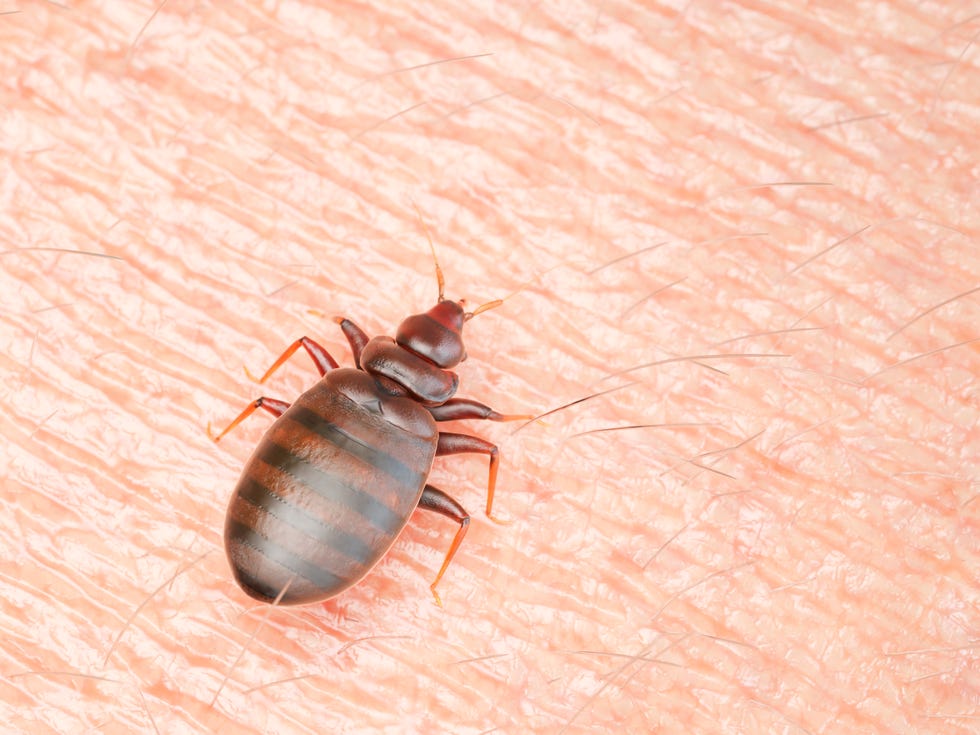
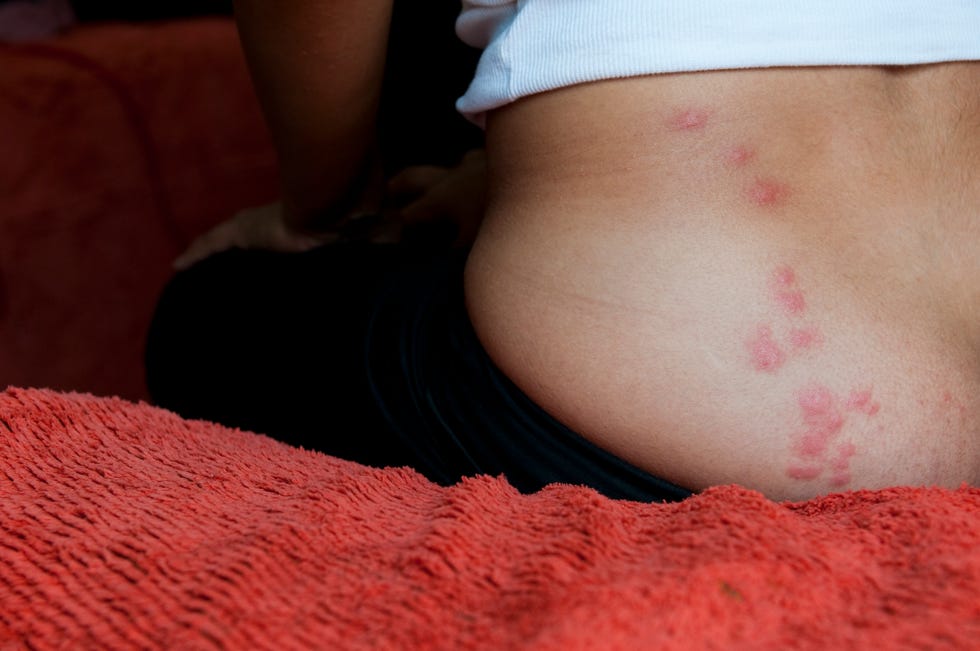
Photos of fleas & bites
Here’s what fleas look like, along with their bites.
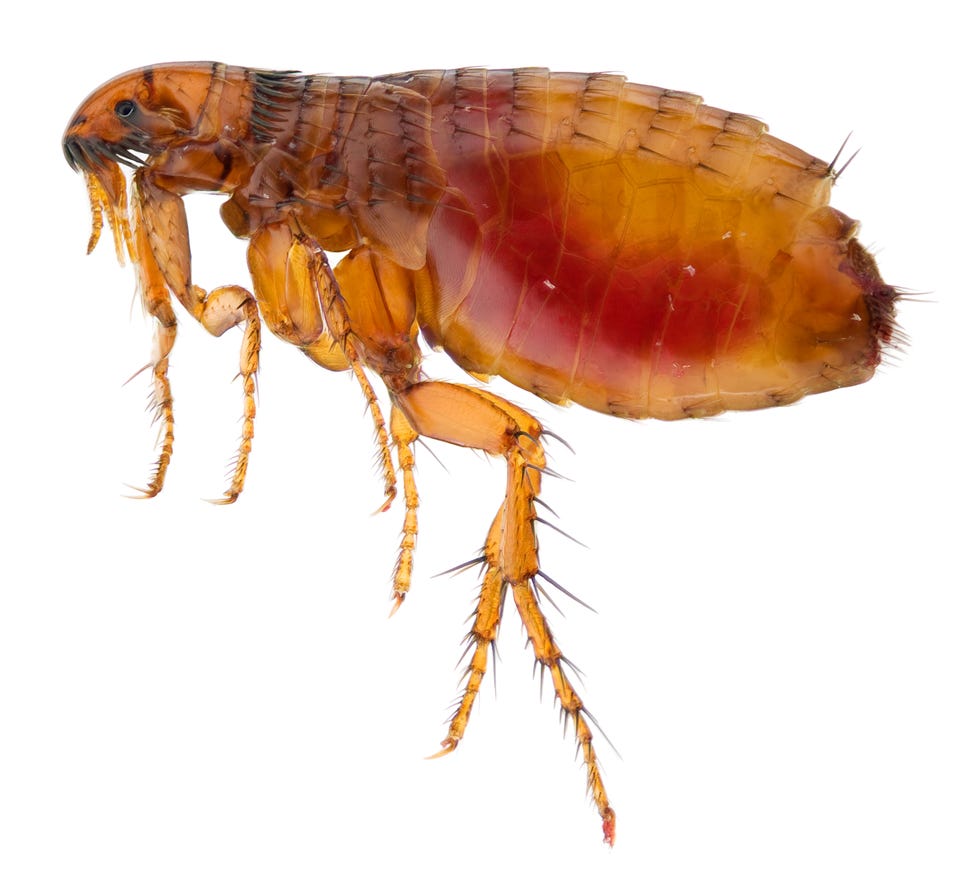
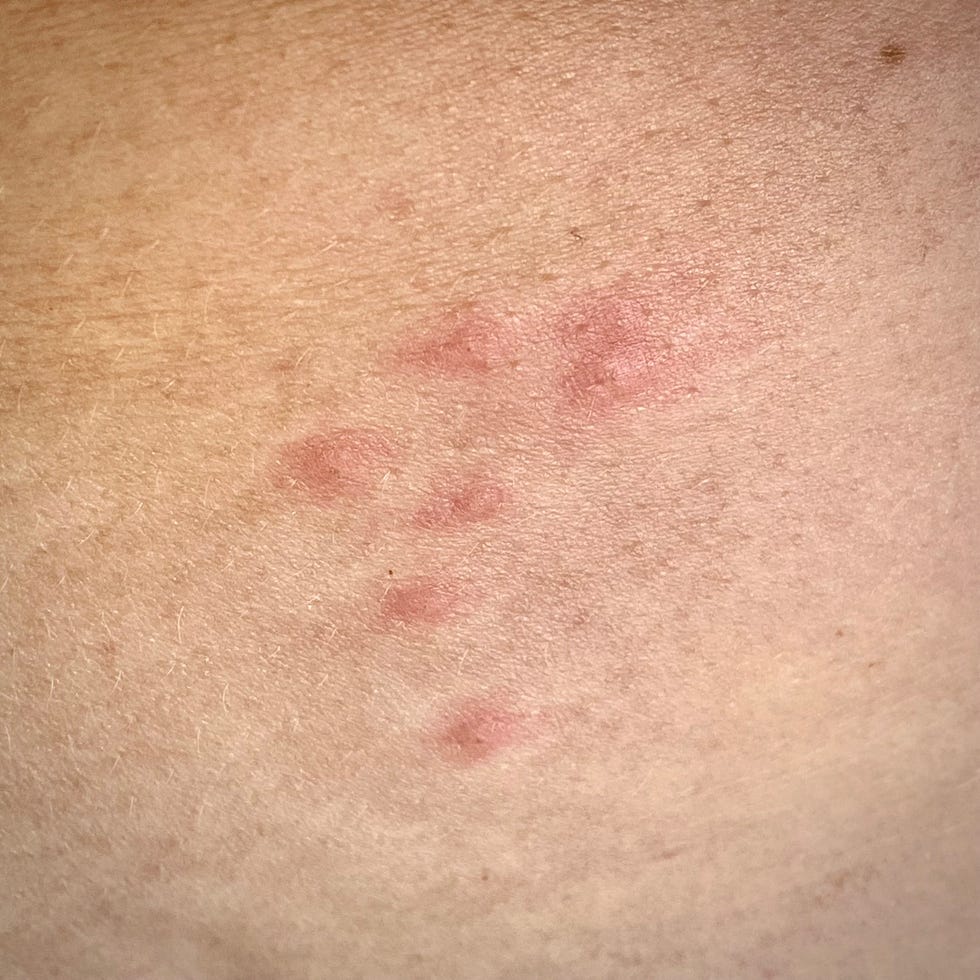
If you think you have bed bug bites…
Hinkle recommends washing the area well with mild soap and water. Then, Dr. Goldenberg recommends applying a topical steroid or antihistamine cream, although you should talk to your own doctor for personalized advice. “The bites area should be kept clean,” he says.

Add Prevention as a preferred source in your Google search results.
Use your Google account to add this to your settings.

But the bites will continue if you don’t get rid of the bed bugs, and you’ll likely need to get professional help. “Treating for bed bugs is not a do-it-yourself project,” Hinkle says. “Anything the homeowner does is likely to make the infestation worse, so an experienced pest professional should be hired to carefully inspect for bed bugs and conscientiously treat for them.” A professional pest control company can also confirm that you’re actually dealing with bed bugs, Burrack says. “There are lots of other things that can cause skin irritation, and if there aren’t actually bugs present, there is another cause,” she says.
Burrack suggests using companies that rely on trained dogs to detect infestations. “They can pinpoint the areas that need to be treated and can confirm control after treatment,” she says. As for what type of treatment to use, Burrack says that heat treatments are the most effective and safest for people. “I never recommend treating with chemicals for bed bugs on your own,” she says. “They may be necessary for really big infestations, but they should be a last resort and only with the help of trained professionals.”
Just be aware that fully getting rid of bed bugs may mean you’ll need several visits from a pest management service over several months, Hinkle says.
If you think you have flea bites…
Similarly, Dr. Goldenberg recommends washing the area well with soap and water. If you’re itchy or uncomfortable, apply an OTC steroid or antihistamine cream (but again, don’t hesitate to ask your doctor for personalized advice).
But, like bed bugs, you’ll also need to find and remove the fleas to stop the biting. “Fleas are generally associated with animals, so the treatment of cats and dogs in the household would be the first step,” Gangloff-Kaufmann says. If you can’t find fleas on your pet, Burrack suggests taking them to the vet. “They can rule fleas out and, if they are present, there are good treatments,” she says. “But which are best for your pet should be determined by their vet.”
You’ll also need to take care of your home to get rid of the fleas. “Vacuum floors and rugs, wash pet bedding, and make sure there are no wild animals living in the structure,” Gangloff-Kaufmann says. If that still doesn’t help, she recommends contacting a pest management service for help.
When to see a doctor
Most people will recover from flea and bed bug bites with no issue. But it’s possible to develop an infection from these bites. Signs of infection include persistent redness and swelling at the bite site. “If the problem is not improving, see your dermatologist,” Dr. Goldenberg says. “Especially if the area appears to be infected.”
How can you prevent future issues?
People most commonly pick up bed bugs at hotels and rental homes, which is why Burrack is cautious when she goes into a new space. “Always use the luggage rack at hotels and rentals, and never store clothing and suitcases on beds,” she says.
If you’re worried about a possible exposure to bed bugs or fleas, Burrack recommends running everything you can through your dryer on a hot cycle. Anything you can’t put in the dryer, like suitcases or large items, leave in your car in direct sun for a day or two to heat them up.
The bottom line
Flea and bed bug bites are usually a sign that you’re dealing with an infestation. If you develop symptoms of either bite, clean the area well with mild soap and water. From there, try to hunt down the source of the infestation and call a pest management professional if needed.
Read the full article here