

- A recent study found that even a small amount of light exposure at night could be hurting your heart health.
- The research adds to growing evidence linking our sleep environments to our cardiovascular disease risk.
- Cardiologists share tips on what to do in your bedroom to reduce the risk.
Falling asleep each night can be tricky when your bedroom is too bright—especially if you’re a light sleeper. But new research reveals that even a small amount of light exposure at night might be quietly affecting other aspects of your health, too.
That’s the takeaway from a recent study published in the European Heart Journal, which investigated the potential link between nighttime light exposure and cardiovascular disease risk. The researchers analyzed nighttime light exposure of over 11,000 participants in the U.K. by having them each wear a wrist sensor to sleep for seven days.
Meet the experts: Cheng-Han Chen, M.D., board-certified interventional cardiologist and medical director of the Structural Heart Program at MemorialCare Saddleback Medical Center in Laguna Hills, CA; Yu-Ming Ni, M.D., board-certified cardiologist and lipidologist at MemorialCare Heart and Vascular Institute at Orange Coast Medical Center in Fountain Valley, CA
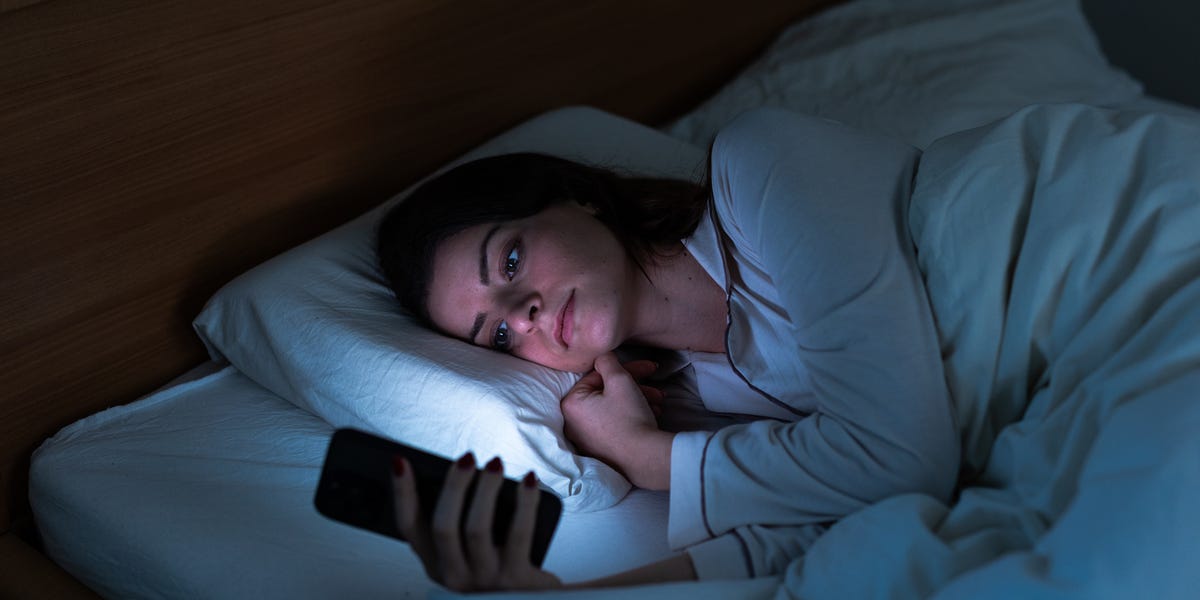
Three years after the initial experiment, the participants underwent MRI heart scans. Compared to the people who had been exposed to little to no nighttime light, the scans of participants who were exposed to higher nighttime light levels (greater than 3 lux, which could look like a phone on a nightstand or a light left on in the hallway seen through a cracked door) showed potentially harmful changes to their cardiac anatomy. These included the thickening of the left ventricle and signs that the heart was less able to flex normally during each beat.
During the eight- to 10-year follow-up period, the same group also showed a 29% greater risk of heart failure.
So what does this mean for your sleep habits? Ahead, cardiologists break it down.
Why are the findings significant?
The idea that even a small amount of nighttime light could be hurting your heart health feels surprising, but the link between sleep habits and heart health isn’t a new one. “These findings add to a growing body of research suggesting that our nighttime environment may play a role in cardiovascular health,” explains Cheng-Han Chen, M.D., board-certified interventional cardiologist and medical director of the Structural Heart Program at MemorialCare Saddleback Medical Center in Laguna Hills, CA.
Without understanding that link, we could be ignoring a key aspect of our heart health. “We often focus on traditional heart disease risk factors such as high blood pressure, cholesterol, diabetes, smoking, and obesity, but sleep and our circadian rhythm are also important,” Dr. Chen points out. “Nighttime light exposure may interfere with the body’s natural circadian rhythm, which helps regulate sleep, blood pressure, metabolism, and other processes that are important for cardiovascular health.”
So the connection the study is pointing out between nighttime light and cardiovascular disease is less about the light itself and more about what that brightness might be doing to your overall sleep quality. “One important takeaway is that maintaining a healthy sleep environment is another potentially modifiable aspect of cardiovascular health,” Dr. Chen says. “Reducing unnecessary light at night is a relatively simple step that may also help support better sleep.”
How important is sleep for heart health?
Sleep is actually connected to a bunch of the typical factors we associate with heart disease risk, according to Dr. Chen. “Poor or insufficient sleep over time can affect blood pressure, metabolism, blood sugar regulation, and other factors that influence cardiovascular risk,” he explains. “Sleep should therefore be viewed as part of the broader picture of heart health, alongside exercise, nutrition, weight management, and control of blood pressure and cholesterol.”

Add Prevention as a preferred source in your Google search results.
Use your Google account to add this to your settings.

In fact, the American Heart Association actually includes sleep health among its key factors for cardiovascular health, Yu-Ming Ni, M.D., board-certified cardiologist and lipidologist at MemorialCare Heart and Vascular Institute at Orange Coast Medical Center in Fountain Valley, CA, points out. “And we already know that sleep disorders, particularly sleep apnea, are associated with conditions such as high blood pressure and other cardiovascular problems.”
What does this mean for you?
Reducing the brightness in your bedroom is a good place to start. “When possible, keep the bedroom as dark as reasonably comfortable, turn off unnecessary lights, and limit bright screens close to bedtime,” Dr. Chen suggests.
It’s worth noting that the study found that even an extremely small amount of light exposure could be problematic. But Dr. Chen warns not to get too caught up in this. “The goal does not have to be complete darkness at all costs,” he says. “If eliminating every source of nighttime light is unrealistic, reducing unnecessary or excessive light is a reasonable approach.”
Dr. Ni says that may mean dimming the brightness of your screens and keeping them away from your bed, turning off unnecessary lights, or using an eye mask or blackout curtains. Many devices also have nighttime settings or sleep timers that limit the amount of blue light they give off at night.
If you need to sleep with a nightlight on to safely navigate middle-of-the-night bathroom trips or early-morning wake-ups, that’s okay—just use the lowest level that allows you to see safely, Dr. Chen adds. “The larger message is not that people should be afraid of every bit of light at night,” he says. “Rather, when practical, creating a darker sleep environment and maintaining good sleep habits may be another small step toward supporting overall cardiovascular health.”
And don’t forget that sleep is just one piece of the heart health puzzle. Dr. Chen recommends focusing on the other cardiovascular risk factors in our control, including getting regular exercise, eating a heart-healthy diet, and avoiding smoking and excess alcohol. “Good sleep habits should be part of that overall approach,” he says.
The bottom line
The findings add to an already ongoing conversation about the connection between sleep and heart health, but there’s more to consider before focusing too much on the light part of that equation. Both Dr. Chen and Dr. Ni point out that measuring light exposure via wrist monitors could be a faulty strategy, given that covering the sensor with clothing or a comforter could affect the results.
And the observational nature of the study means there’s no way to definitively determine cause and effect between light exposure and poor heart health outcomes. Dr. Chen points out that the sleep quality of the group exposed to more nighttime light could have been influenced by other factors.
“They may have different sleep patterns, work schedules, health conditions, or lifestyle habits that could also affect cardiovascular risk,” he says. “I would view these findings as an additional reason to pay attention to our sleep environment rather than as proof that every source of nighttime light is harmful.”
Ultimately, the main takeaway should be to focus on getting better sleep overall rather than curbing every single source of nighttime light. “I would not recommend making major lifestyle changes such as moving homes or changing jobs based on these findings alone. We need longer-term research that measures people’s actual light exposure more accurately before considering more drastic changes,” Dr. Ni says. “For now, focus on the basics: create a dark, comfortable sleep environment, limit screens before bed, and make getting consistent, quality sleep a priority.” And then focus on other proven heart-healthy habits during your waking hours, too.
Read the full article here