

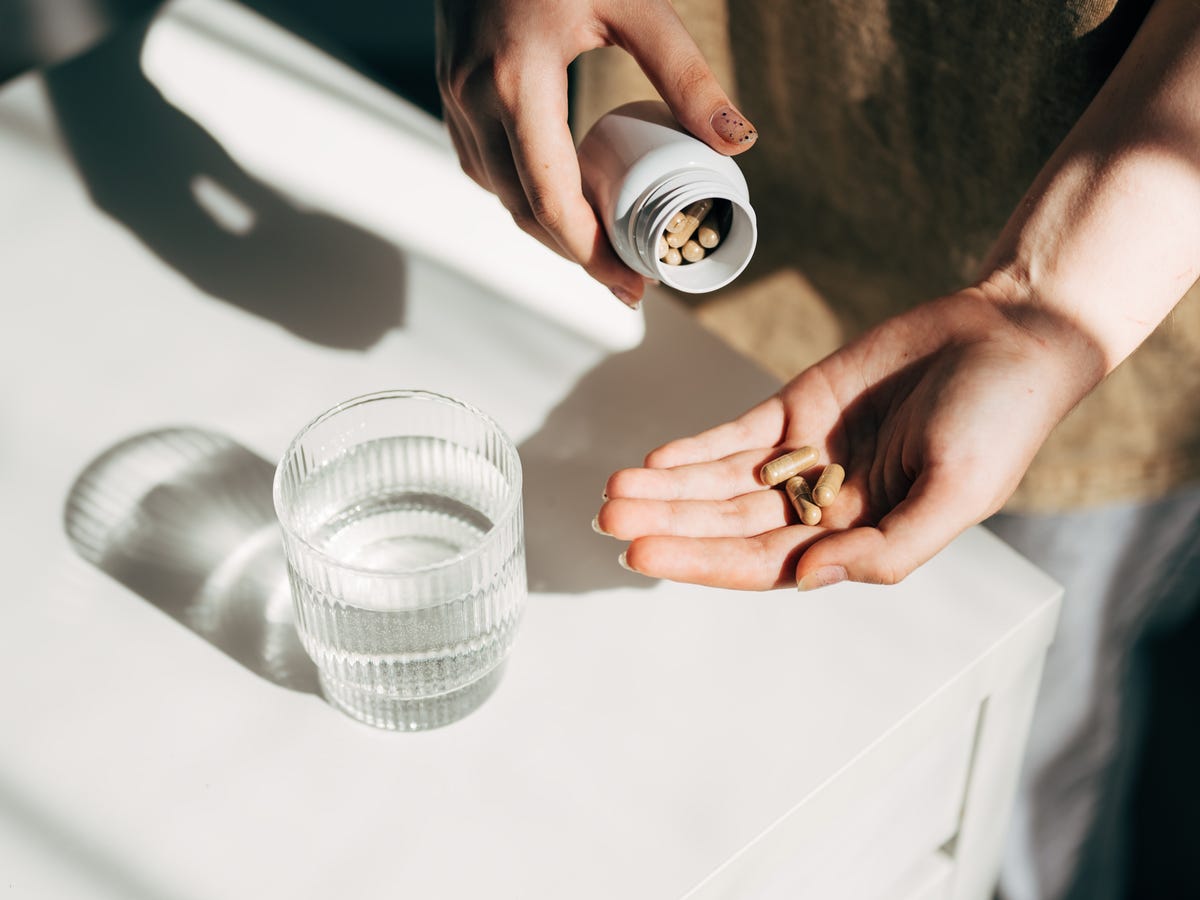
As a dietitian, I’ve always been a firm believer in the power of a high-fiber diet. It’s something I not only recommend to my clients but also follow religiously in my own life. From whole grains to fruits, vegetables, and legumes, fiber-rich foods have always been staples in my daily meals. But recently, my editor threw me an interesting challenge—what would happen if I added a fiber supplement to my diet for two weeks? Would I notice any measurable changes in my health or overall well-being, even as someone already consuming plenty of fiber naturally? Intrigued, I decided to put my own diet to the test.
When choosing a fiber supplement, I stuck to the criteria I usually tell clients: Ensure the product is third-party tested, and from there I got specific about what I wanted in my own routine. I chose a psyllium husk supplement because it’s a soluble fiber that supports regularity, and I made sure each serving delivered a meaningful amount of 5 grams of fiber so it would actually move the needle alongside the fiber I already eat. I also wanted an option with no added sugars or unnecessary fillers.
Over the next two weeks, I meticulously tracked my energy levels, digestion, and more to see if the gummy I landed on (that provides 3 grams of fiber per serving) would make a noticeable difference. But with my already fiber-forward lifestyle, I wasn’t sure how much room there was for improvement. Here’s what happened.
What happened after 2 weeks of taking a fiber supplement every day?
During my two-week experiment, I noticed very few changes in my digestion or overall well-being. Because my meals already contain a significant amount of dietary fiber, adding an extra three grams from a gummy did not alter my usual routine. My digestive system was already operating smoothly, and the small supplemental dose simply blended into my normal intake.
That said, someone starting from a lower-fiber baseline might notice more. Fiber supplements can improve stool frequency, stool consistency, and straining in adults with chronic constipation, especially with certain fiber types and higher doses. My gummy delivered just 3 grams per day for 2 weeks, which is far below the doses linked with the strongest effect, according to some data. So in my case, “not much happened” was not especially surprising.
What may happen if you take a fiber supplement every day?
Improved digestive regularity
According to the American Journal of Clinical Nutrition, fiber supplementation can help improve constipation symptoms in adults, but the effects depend a lot on the type of fiber, the dose, and how long you take it. In that review, psyllium stood out as the most effective studied fiber for improving stool frequency and easing straining, with better results generally seen at doses above 10 grams per day and with use for at least 4 weeks.
The Academy of Nutrition and Dietetics also draws an important distinction here: not all fibers act the same way in the gut. Gel-forming fibers such as psyllium can hold water and help normalize stool form, while many nonviscous, fermentable fibers do not show the same consistent laxation benefit in controlled trials. So yes, a daily fiber supplement may help with regularity, but which fiber you choose matters just as much as whether you take one at all.
Reduced cholesterol levels
Viscous, gel-forming soluble fibers, including psyllium and beta-glucan, may help lower elevated LDL cholesterol. Again highlighting that the type of fiber matters, data shows that nonviscous soluble fibers, such as inulin and wheat dextrin, have not shown the same cholesterol-lowering effect in well-controlled trials.
This is because viscous, gel-forming fibers “trap” bile in the small intestine, so more of it is excreted in stool. Because bile is made in part from cholesterol, the liver then pulls more LDL cholesterol from the blood to make more bile.
Supported blood sugar control
Fiber supplements, especially those made with highly viscous fibers such as psyllium, beta-glucan, and raw guar gum can slow nutrient absorption and help blunt blood sugar rises. For people with prediabetes or type 2 diabetes, that can translate to better fasting glucose, improved post-meal responses, or modest improvements in longer-term markers depending on the fiber used and the dose. A fiber gummy with a small dose may not do much in this area, but a clinically studied viscous fiber might.
Nonviscous fermentable fibers like inulin and fructooligosaccharides have not shown the same benefit in controlled human studies.
Potential digestive discomfort
Fiber supplements don’t come without risk, and for some, they may lead to side effects, with flatulence standing out as a common one. This potential impact is especially associated with inulin-type fructans, which are fermentable fibers. That makes sense biologically: when gut microbes ferment fiber, gas is produced.
Potential for experiencing nutritional gaps
While fiber supplements can be a convenient way to boost your intake, if you are taking them and thinking you don’t have to eat whole, fiber-rich foods like fruits, vegetables, beans, nuts, and whole grains, you may be missing out. These foods not only provide fiber but also deliver a wealth of essential vitamins, minerals, antioxidants, and other nutrients that supplements simply can’t replicate. Relying too heavily on fiber supplements as a substitute for these foods could lead to nutritional gaps over time, potentially impacting overall health.
Who should not take fiber supplements?
While eating more fiber is something most Americans can benefit from, especially if they are missing the boat when it comes to fiber intake, these supplements don’t come without risk. People with a history of bowel obstruction, significant narrowing in the gastrointestinal tract, or certain active gastrointestinal conditions should talk with a healthcare provider before using fiber supplements, as taking them may worsen symptoms.
Also, people who eat a balanced and healthy diet that is rich in fruits, vegetables, and other fiber-containing foods may not be harmed by taking these supplements, but they may not be completely necessary.
Our expert take
Adding a fiber supplement to your diet can be a helpful tool for improving digestive health, managing cholesterol, and supporting blood sugar control—especially for those who struggle to meet their daily fiber needs through food alone. However, as my two-week experiment demonstrated, the benefits of supplementation may be less noticeable for individuals already consuming a fiber-rich diet. The type of fiber, dosage, and duration of use all play critical roles in determining the effectiveness of a supplement, making it essential to choose one that aligns with your specific health goals and needs. For those starting from a lower-fiber baseline, the right supplement could be helpful, but not a substitute for eating a balanced diet that provides fiber as well as antioxidants, vitamins, and minerals.
For me, I was happy to embark on this experiment for the sake of science, but now that it’s done, I’m equally happy to go back to my usual fiber-filled routine—no gummies required.
Read the full article here