

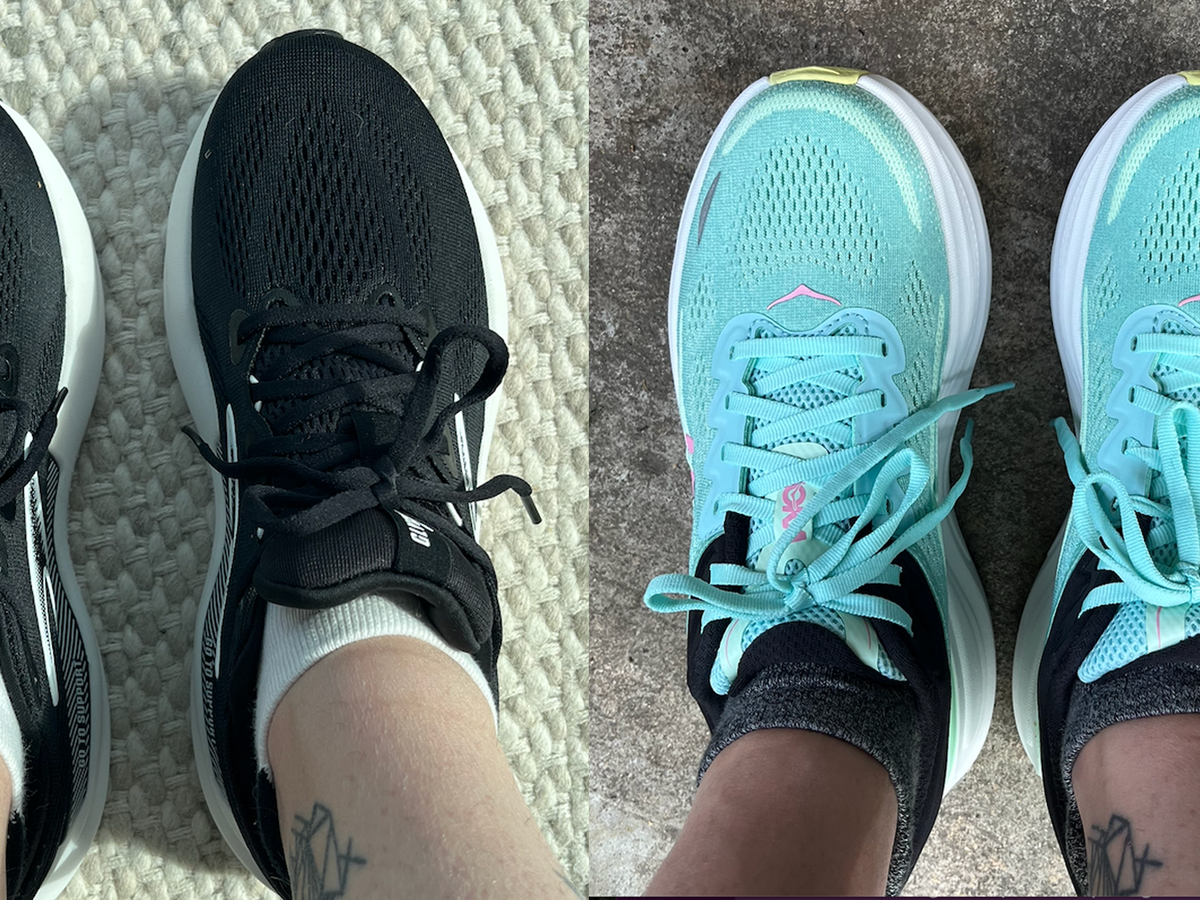
As a senior shopping editor at Prevention, I have tried my fair share of sneakers in the last few years, and know that comfort is key. After all, for those walking long distances or enduring long shifts standing all day, sneakers with ample cushion can make all the difference in keeping your feet (and joints!) comfortable.
“Clinically, many physicians and podiatrists recommend supportive, cushioned footwear for patients with lower extremity arthritis because these shoes can reduce joint loading and improve shock absorption during walking,” Bobby Pourziaee, D.P.M., a board-certified foot and ankle surgeon previously told Prevention.
As someone with bad knees and hips, I am no stranger to an ultra-cushioned shoe, and find myself most often turning to my favorites from top-tier brands Brooks and Hoka. My two favorite pairs, the Brooks Glycerin and Hoka Bondi, are both regularly recommended by podiatrists for their cloud-like comfort that can help absorb shock and actually reduce joint pain, for which they both have earned the Seal of Acceptance from the American Podiatric Medical Association (APMA). But after months of comparing them side-by-side, my body feels best supported by only one pair. But which one is right for you? Let’s break it down.
Key Differences: Brooks Glycerin vs. Hoka Bondi
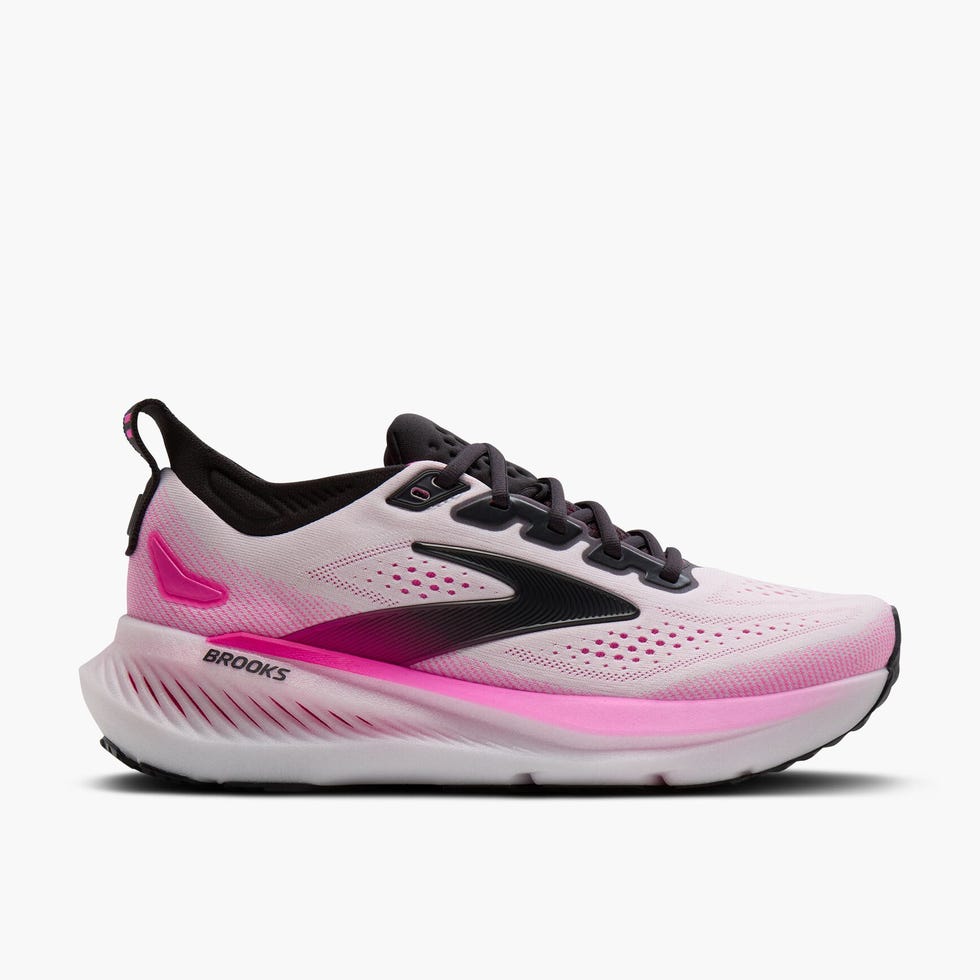
| Sizes | 5-12 |
| Widths | Medium, Wide |
| Colors | 13 options |
| Weight | 9.5oz |
You have likely seen Brooks on many of our podiatrist-approved lists, including best walking shoes for women over 50, best shoes for plantar fasciitis, and more. But the Glycerin stands out specifically for its supportive cushioning that landed a spot on our list for best shoes for back pain. It’s even a favorite of Priya Parthasarathy, D.P.M., a board-certified podiatrist at Foot & Ankle Specialists of the Mid-Atlantic, who calls it a “great neutral shoe” because of its “generous toe box and ample cushioning to support the plantar fascia.”
Its latest iteration offers 2 mm more plush cushioning in the forefoot that doesn’t just lend itself to luxuriously soft landings, but also has improved energy return to reduce foot fatigue and create a smooth, stable stride.
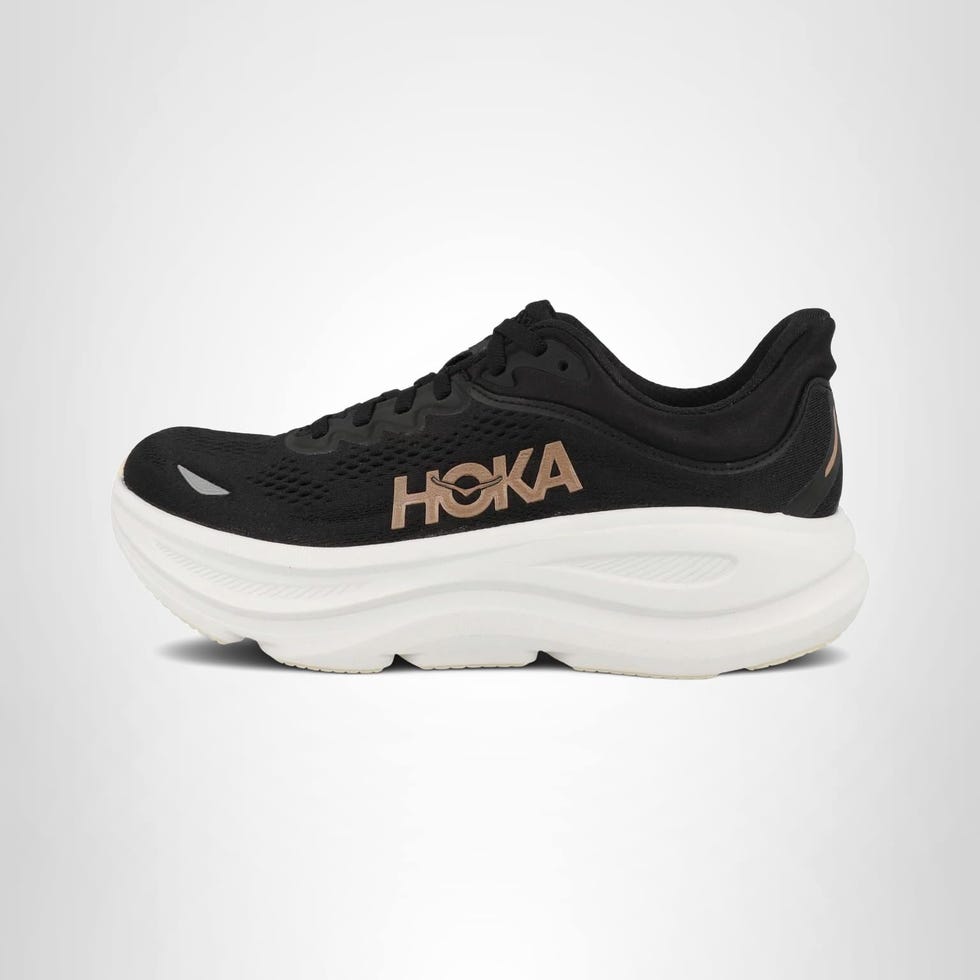
| Sizes | 4-12 |
| Widths | Medium, Wide, Extra-Wide |
| Colors | 23 options |
| Weight | 9.3 oz |
Much like Brooks, Hoka also stands at the top of so many of our podiatrist-recommended lists, and the Bondi 9 might be the most-awarded Hoka of the bunch. In addition to garnering the top spot as the best overall shoe for standing all day, it’s also one of our best walking shoes for bad knees and was even my own personal winner in a head-to-head battle for comfort and support with New Balance.
Its accolades aren’t without their reason, though. The Bondi delivers peak plushness with its own increased stack height, as well as a 3-D molded collar that offers full 360-degree comfort.
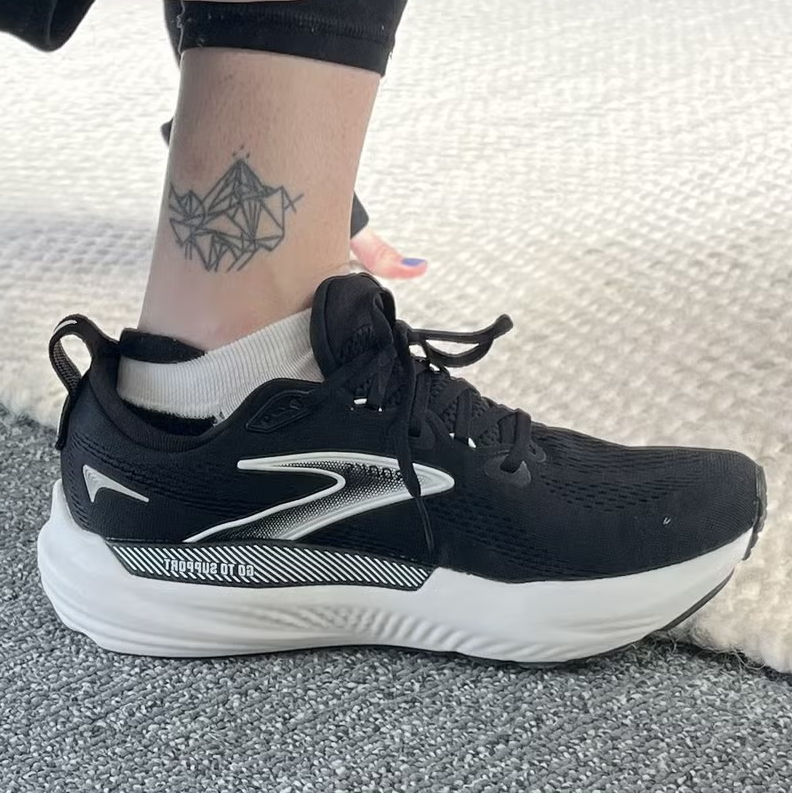
Brooks Glycerin 22
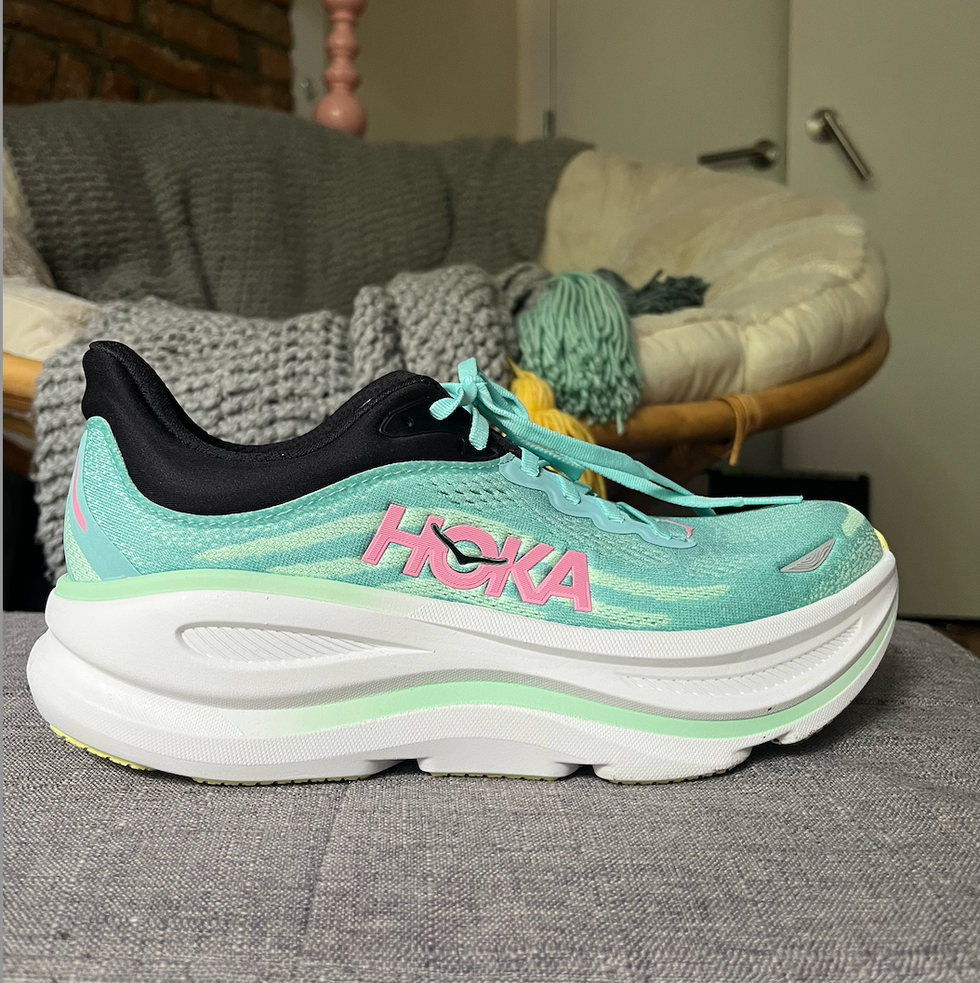
Hoka Bondi 9
How I tested
I have been wearing my Brooks Glycerins since April 2025 and received my Hoka Bondi 9s not long after that. Despite being someone who regularly tests new shoes, both the Glycerin and the Bondi have received prominent placement in my shoe rotation. For the last year, I have worn them up and down New York City for long walks in all types of weather (although, I have tried to avoid wearing sneakers in the snow!). I have worn them on city commutes, errands, and casual walks, as well as cardio dance classes and rigorous days with over 20,000 steps.
Fit and material
Both the Brooks and the Hoka walking shoes come in sizes ranging from 5 to 12. I ordered my typical size 9.5 in both and was surprised at how differently they fit. For one, the toe box of the Brooks is much narrower and foot-hugging than the Hokas; although this didn’t cause me any discomfort, as my feet run slightly narrow, I do think that those with wide feet might prefer a wider width. Luckily, Brooks comes in wide options.
The Hokas, however, had a much more structured fit, despite having a knit upper that is extremely similar to the Brooks. The main difference? The extremely spacious toe box. My feet felt much more secure being able to fully spread my toes with each step. The Bondi also has a structured 3-D cushion around the collar that surrounds the entire foot, which made it feel less breathable than the Brooks—especially on particularly hot summer days.
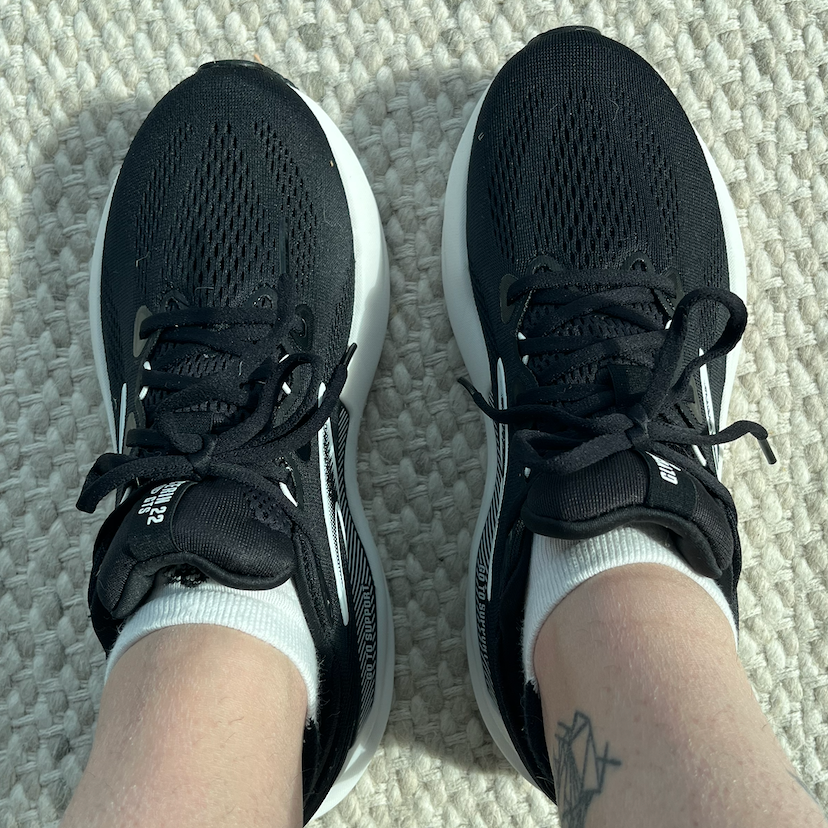
Brooks Glycerin 22
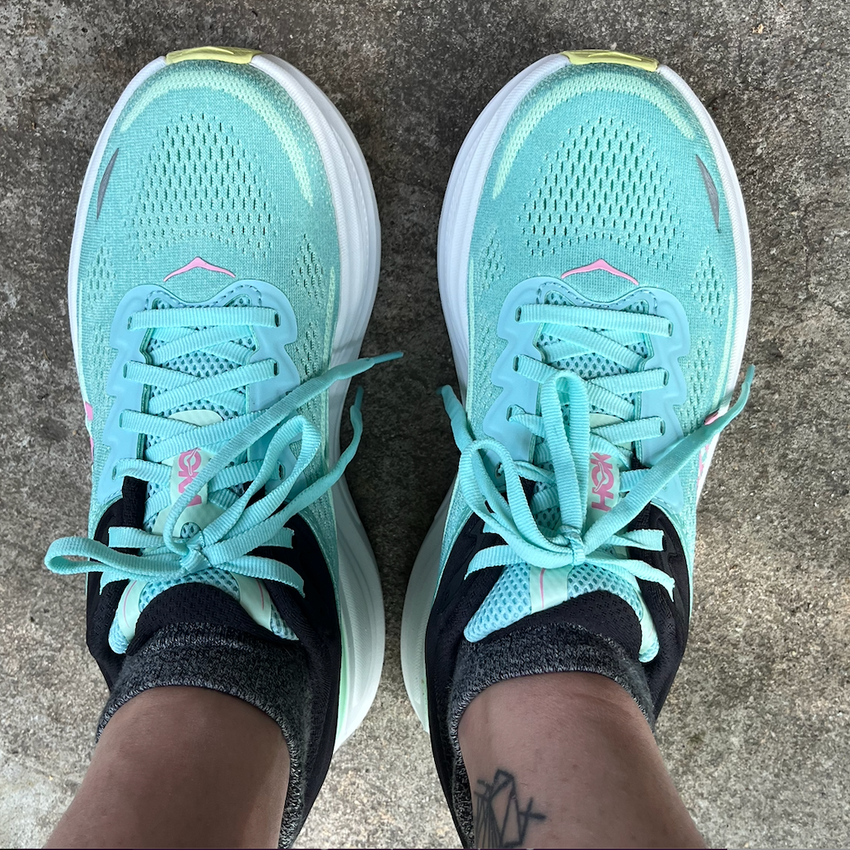
Hoka Bondi 9
Cushioning and arch support
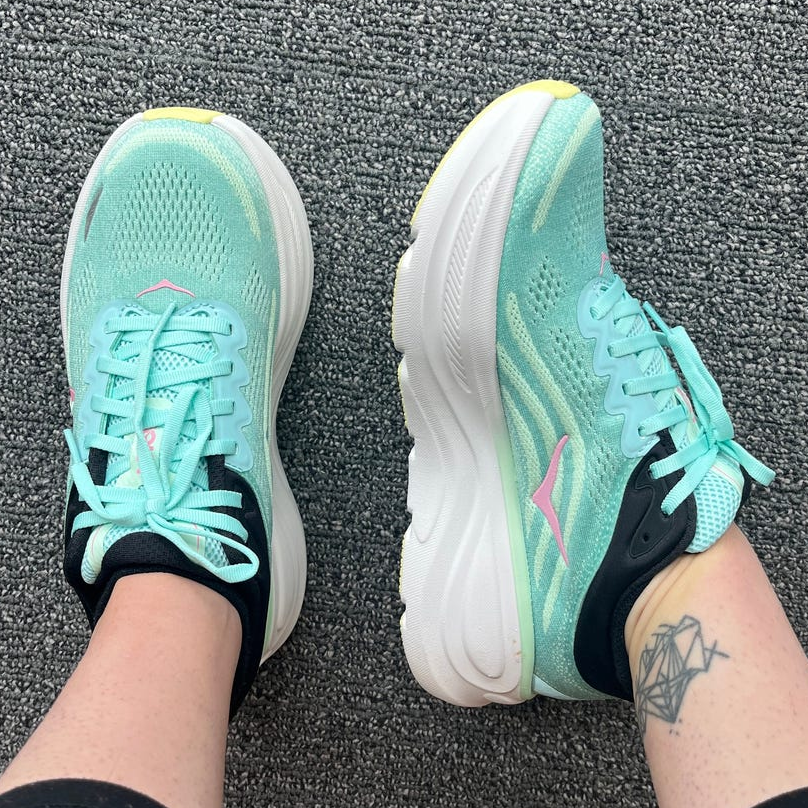
When it comes to cushioning, there is a distinct difference in the feel of these two shoes. The Glycerin utilizes the maximum cushion (plush level) that was surprisingly springy and supple for its thick sole. Rather than feeling cloud-like, the Glycerin is almost like walking on a mini trampoline with maximum shock absorption and energy return. “Brooks says to expect luxuriously soft landings with powerful toe-offs while wearing the Glycerins, and they aren’t lying,” says Assistant Editor Jenn Gonick in her own review. “I could feel the cushioned soles literally propelling me forward with each step, making it easier to walk faster.” Best of all, they required zero break-in period and were supremely comfortable straight out of the box. Glycerin’s cushion also extends to its padded tongue and collar, which added an extra level of comfort—especially helpful in preventing any kind of chafing or blistering at the heel.
On the other hand, the Hoka Bondis deliver a much softer feel without any kind of bounce or spring. The supercritical foam insole combined with the full sock liner gave the feeling of a plush pillowy cocoon. I found this kind of cushion ideal for standing on my feet for long hours, especially during an hours-long concert. Though the insole does have a bit of a quicksand feel (sinking into the cushion with each step), I found that my entire body hurts less after long hours wearing the Bondis than in any other sneakers I own.
Stability
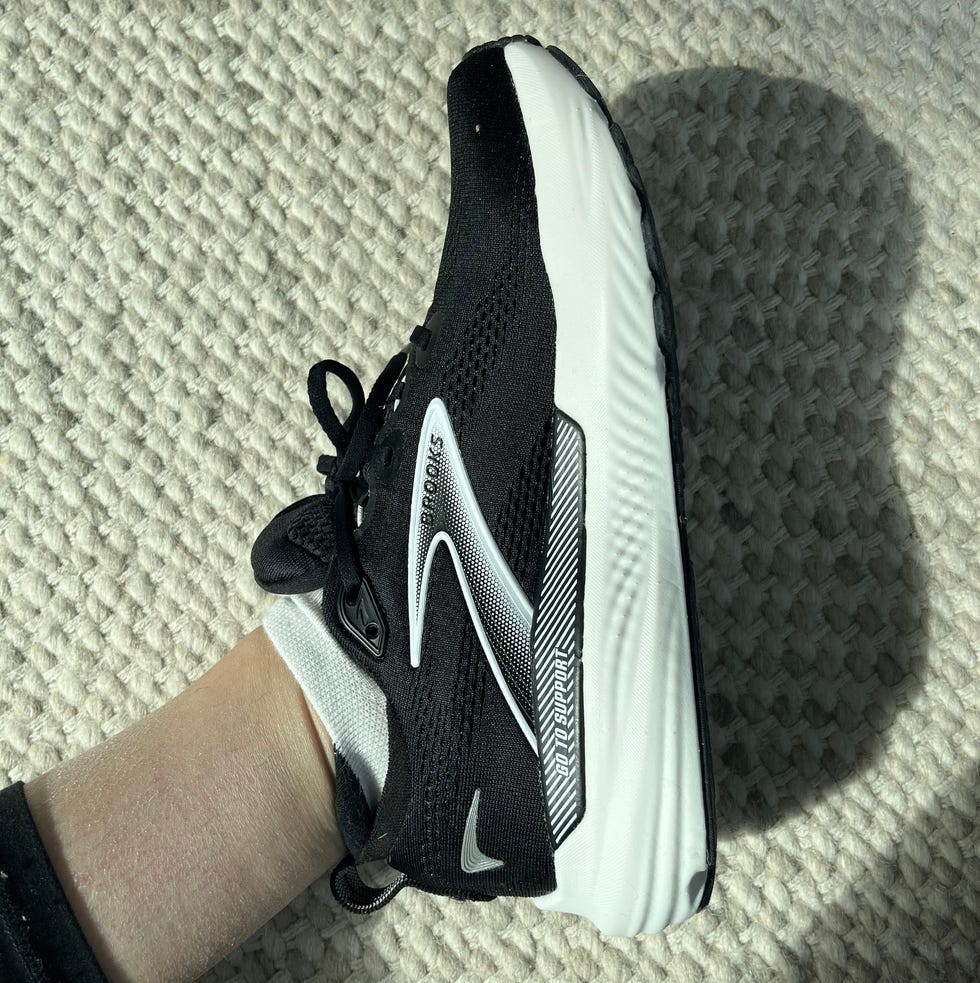
In terms of stability, I found both the Glycerin and Bondis evenly matched. They both feature rocker outsoles with grippy soles that I think require a bit of an adjustment period to get used to, especially considering how thick both silhouettes’ soles are. To help, the Glycerin offers Brooks’ signature GTS Guardrail technology that helps keep your stride in complete alignment for a smooth step. This design actively helps protect joints from coming out of alignment and in turn helps relieve strain in the knees and lower back.
The Bondis also feature an upgraded rear foot frame to help keep your stride in alignment, especially during landings. Because of how sturdy this shoe felt in the toe and heel, I never felt anything other than stable in them—especially after fully getting used to the rocker outsole.
The final verdict
Overall, both the Brooks Glycerin and Hoka Bondi shoes are excellent choices for anyone looking for a highly cushioned, comfortable, and supportive walking shoe. However, I think they serve slightly different purposes.
For those looking for a long-distance walking shoe to help relieve aches and pains while getting their steps in, I definitely recommend the Brooks Glycerin. The soft feel with springy return helps reduce foot fatigue and is especially great for logging miles.
However, my personal favorite, the Hoka Bondis, are the better choice if you are looking for a shoe that truly prioritizes comfort, especially if you spend a lot of time on your feet or have any kind of existing joint pain. It’s been well over a year and this is still the pair I reach for when I know I am going to be standing all day long or out and about running errands. They are so comfortable, and there’s a reason they have remained at the top of so many of our best-of lists.
Read the full article here