

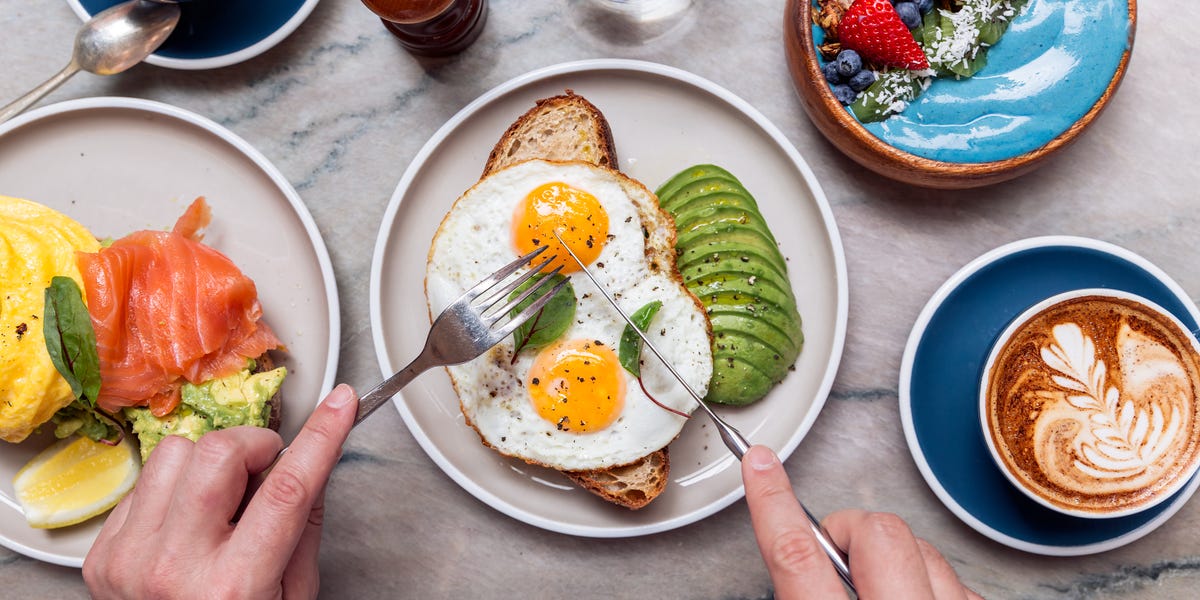
Bone health is important at any age, but especially for women during and after menopause. During these years, bone density declines drastically—unless you’re taking the right steps to combat the drop. One such step is to fill your plate with a variety of foods for strong bones to help your body continue to build and maintain bone as you get older.
Meet the experts: Daniel Wiznia, M.D., an associate professor of orthopaedics at Yale School of Medicine; Michelle Routhenstein, M.S., R.D., C.D.C.E.S., C.D.N., a preventive cardiology dietitian at EntirelyNourished.com; Amy Davis, R.D., L.D.N., a registered dietitian based in New Orleans.
“A high-protein, low-carbohydrate diet is best for promoting bone health,” said Daniel Wiznia, M.D., an associate professor of orthopaedics at Yale School of Medicine. There are also a handful of nutrients that you should prioritize. “For someone looking to support bone health through diet, the focus should be on including adequate amounts of nutrient-dense whole foods rich in calcium, vitamin D, magnesium, phosphorus, vitamin K, protein, and polyphenols,” said Michelle Routhenstein, M.S., R.D., C.D.C.E.S., C.D.N., a preventive cardiology dietitian at EntirelyNourished.com. “These nutrients are essential for bone mineralization, strength, and maintenance.”
Here, experts share the best foods to enjoy to help keep your bones strong and healthy.
Best foods to boost bone health
Cottage cheese
“Cottage cheese is an excellent source of protein and calcium,” said Dr. Wiznia. It also contains selenium, a trace mineral that plays a role in maintaining bone mineral density, per research in the journal Molecules.
Prunes
A study published in the American Journal of Clinical Nutrition found that eating just five or six prunes a day helped postmenopausal women prevent loss of bone density, potentially reducing fracture risk. “Prunes’ bone benefits likely stem from their richness in polyphenols, vitamin K, potassium, boron, and other nutrients supportive of bone health,” Routhenstein said.
Greek yogurt
“Greek yogurt is rich in both calcium and protein, two nutrients important for bone maintenance. Calcium provides the raw material for bone tissue, whereas protein helps protect the existing bones,” explained Amy Davis, R.D., L.D.N., a registered dietitian based in New Orleans.
Blueberries
“Osteopenia and osteoporosis are inflammatory conditions, so it is also important to include anti-inflammatory foods that help reduce oxidative stress and slow bone loss,” said Routhenstein. Antioxidant-rich blueberries, which Dr. Wiznia recommended, are one of the best anti-inflammatory foods you can choose.
Peanut butter
This creamy spread is rich in protein and contains some calcium and selenium, which is why Dr. Wiznia recommended it. For the most health perks, look for peanut butter that contains only peanuts; some salt is also okay.
Sardines
Dr. Wiznia suggested adding sardines to your plate to keep bones strong. “Sardines with bones contain highly bioavailable calcium plus vitamin D, which enhances calcium absorption,” explained Routhenstein, who also recommended them. “They are also rich in anti‑inflammatory omega‑3 fatty acids, EPA and DHA, that protect bone tissue.”
Eggs
Both Davis and Dr. Wiznia recommended incorporating eggs into your diet if you want to keep bones strong. “Eggs are one of the few food sources that naturally contain vitamin D, and they also contain about 7 grams of protein per large egg,” Davis said.
Sauerkraut
“Sauerkraut is fermented cabbage that is rich in vitamin K2, which plays a role in directing calcium into the bones and preventing it from depositing in soft tissues like the arteries,” explained Routhenstein. If you don’t like sauerkraut, kimchi is another form of fermented cabbage that would deliver the same benefits.
Salmon
Like sardines, salmon is a great source of vitamin D and omega-3s. According to a study published in Frontiers in Nutrition, higher dietary intake of omega-3 fatty acids is associated with a lower risk of osteoporosis. “Chilean salmon provides about 66% of your daily value of Vitamin D in a 3.5-ounce serving, and is also low in mercury,” said Davis. “Salmon also provides high-quality protein that helps protect bone strength.”
Calcium-set tofu
“Calcium-set tofu provides not just calcium, but a whole food matrix of magnesium, protein, and isoflavones that work together to enhance calcium absorption and support bone mineralization,” said Routhenstein. Calcium-set tofu is the technical name for tofu that contains added calcium.
Cherries
“Cherries are rich in antioxidants and polyphenols, helping to reduce inflammation and oxidative stress, which supports bone maintenance,” said Routhenstein. Research in Frontiers in Physiology explains that bone is constantly being remodeled, with new bone being created and old bone being destroyed (or resorbed). Excess inflammation can cause more bone to be destroyed than created, so foods that help reduce inflammation can counteract this process.
Collard greens
“Collard greens and other leafy greens contain a few different key nutrients for bone health, including calcium, magnesium, and vitamin K,” said Davis. “These contribute to bone mineralization and help prevent bone breakdown.”
Medjool dates
“This fruit also contains bone-supporting nutrients, including calcium, potassium, manganese, and copper that support bone cell activity, bone formation, and mineralization,” Davis said of chewy-sweet dates.
Avocados
“Avocados are rich in boron, a trace mineral that supports bone health by enhancing calcium, magnesium, and vitamin D metabolism, reducing urinary calcium excretion, and helping slow bone loss associated with osteopenia and osteoporosis,” explained Routhenstein. The National Institutes of Health (NIH) notes that adults should consume at least 1 milligram (mg) of boron a day, which is the amount found in one small to medium avocado.
Foods to avoid to keep your bones strong
In addition to enjoying the foods above, Dr. Wiznia suggested limiting your intake of the following foods that won’t help support your bone health (but remember, everything is okay in moderation):
- Processed carbohydrates, like bread, bagels, and cereal
- Rice and pasta
- Potatoes
- Soft drinks and alcohol
- Foods with substantial added sugar
Read the full article here