

It’s unpleasant to think about, but you’re almost certainly sharing your home with dust mites. These little creatures are largely harmless, but they can cause allergy symptoms in some people. If you’re wondering how to get rid of dust mites, the bad news is it’s unrealistic to eliminate them completely. That said, their numbers can be greatly reduced with the correct steps.
“Dust mites don’t bite people, but they are one of the most common indoor allergy triggers,” explains Kevin Hathorne, Lead Entomologist at Terminix Service Inc.. “The proteins found in their feces and body fragments can become airborne and cause allergic reactions in sensitive individuals.”
Meet the Experts: Kevin Hathorne, Lead Entomologist at Terminix Service Inc.; Sharlene Llanes, M.D., an allergist and immunologist with AllerVie Health, Loxahatchee, Purvi Parikh, M.D., an allergist with NYU Langone, James Faix, M.D., medical director of immunology at Quest Diagnostics; Joel Craddock, International Sanitary Supply Association Cleaning Institute Master Trainer and CEO of Doc’s Facilities Solutions Inc.
Some of the symptoms you might notice include sneezing, a runny or itchy nose, coughing, or itchy skin. “Many people notice their symptoms are worse first thing in the morning because they’ve spent several hours in close contact with bedding, where dust mites are most abundant,” explains Hathorne.
Below, experts explain more about what dust mites are, where they often dwell, and how you can reduce the number of them in your home.
What are dust mites?
“Dust mites are microscopic, insect-like creatures that are found in homes and can cause significant allergy and asthma symptoms,” explains Sharlene Llanes, M.D., an allergist and immunologist with AllerVie Health, Loxahatchee. “They don’t bite, but they feed off the dead skin of humans and pets.” Purvi Parikh, M.D., an allergist with NYU Langone adds that they aren’t harmful to humans unless you’re allergic. However, the allergy may be difficult to pinpoint at first considering dust mites are invisible to the naked human eye.
Dust mite sources
Though you can find dust mites in commercial buildings, like your office, Dr. Parikh and Dr. Llanes say they’re more likely to dwell and multiply at home where there are lots of soft surfaces like:
- Upholstery
- Clothing
- Carpets and rugs
- Box springs
- Mattresses
- Pillows
- Curtains
- Stuffed animals
They also thrive in warm, humid environments, adds James Faix, M.D., medical director of immunology at Quest Diagnostics, so they may not be super present, if at all, in places that are ultra-cold and dry. “Their presence increases significantly in summer, and wanes in winter,” he adds.
Dust mite allergies
Dr. Parikh says the major concern with dust mites is when someone has allergies to them, which can bring about conventional seasonal allergy symptoms like congestion, sneezing, and itchy throat and ears, or asthma flare-ups and breathing issues. Dr. Faix says some people who are allergic to dust mites may also experience skin welts or rashes. As previously mentioned, the mites don’t bite or burrow—the allergic reaction stems from inhalation of and exposure to their feces, urine, or corpses, per the American Lung Association.
If you suspect you have a dust mite allergy, Dr. Parikh suggests visiting a board-certified allergist or immunologist. They can determine the best course of action for treatment, which will depend on your symptoms. For example, allergy-like symptoms may be treated with antihistamines, whereas breathing symptoms may require an albuterol inhaler, Dr. Faix says. There’s also immunotherapy treatment, which works to lessen the severity of the allergy by gradually exposing you to increasing numbers of dust mites over time, he adds.
How to get rid of dust mites
Before you prepare for battle, know this: There’s no way to wipe them out completely. “They are everywhere,” says Dr. Llanes. “As long as there is a human in a home, dust mites are there to stay.”
However, there are a few things you can do to lighten the load.
Cover up
Dr. Purvhi says you can buy dust mite covers that zip around the mattress and box spring to create a barrier between you and the mites. You can also purchase hypoallergenic covers for pillows and slipcovers for fabric furniture.
Wash your bedding
Dr. Llanes suggests washing your bedding weekly in hot water greater than 120 degrees to keep bed dust mites at bay. There are also additives you can buy to mix into the wash that are specifically made to extinguish dust mites. If you do opt to use one, however, be sure to follow the label instructions.
Clean your carpets (or remove them)
Remove rugs and carpets and wash them in hot water, or vacuum carpeted areas you can’t remove, Dr. Purvhi recommends. Dr. Llanes suggests vacuuming at least weekly with a HEPA-filtered vacuum cleaner. If that sounds like a lot of work, Dr. Faix says you can nix the upholstery altogether and opt for hardwood floors and leather lounge furniture.

Add Prevention as a preferred source in your Google search results.
Use your Google account to add this to your settings.

Don’t sleep with stuffed animals
These can harbor dust mites, so keeping them out of your bed is ideal to keep the space clear, especially for young children with allergies, Dr. Purvhi says.
Drop the temperature and buy a dehumidifier
Dr. Purvhi says that dust mites love warm, humid spaces. By keeping the temperature in your home low, you keep numbers down. On top of that, Dr. Llanes says it’s ideal to keep your home’s humidity below 50%, which you can do with the help of a good dehumidifier.
Choose blinds over curtains
Swap out your heavy draperies for hard plastic or wooden blinds to give mites one less place to hang out.
Savor the sun
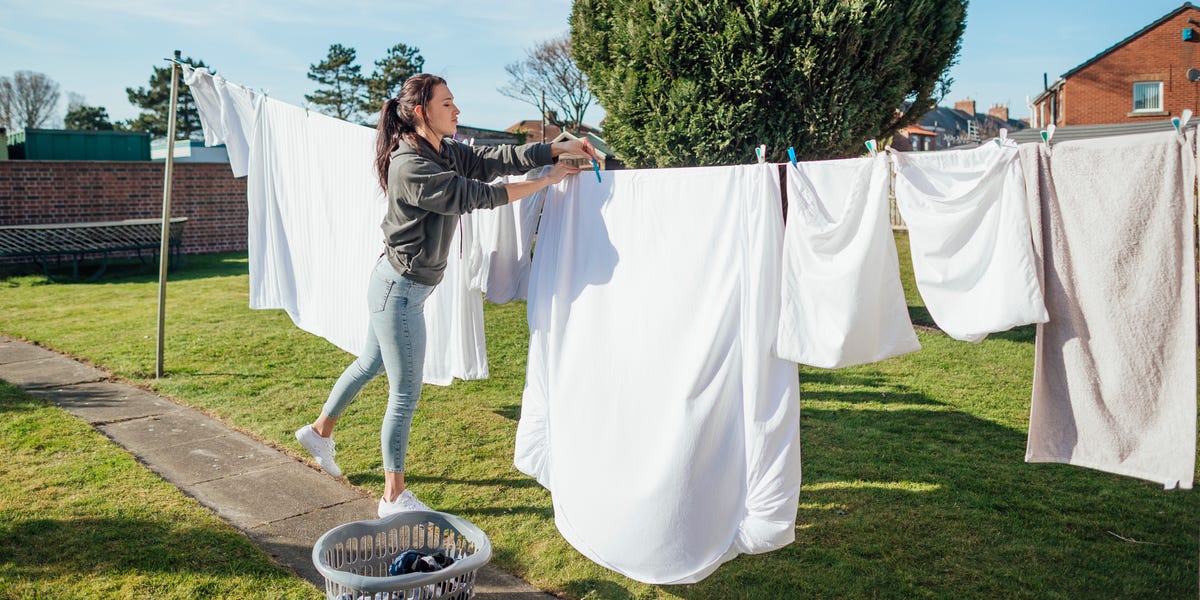
Joel Craddock, International Sanitary Supply Association Cleaning Institute Master Trainer and CEO of Doc’s Facilities Solutions Inc. says sunshine can effectively kill off dust mites. When the weather is nice, he suggests hanging comforters, covers, and blankets out on a clothing line to dry in the sun and nix any remaining dust mites.
Install an air purifier
“Cleanliness is key,” says Dr. Faix. “Installation of HEPA air purifiers can help remove dust mites.”
Clean with a damp cloth
Instead of redistributing dust mites into the air with a feather duster or dry cleaning method, Craddock says a damp microfiber cloth with water or an all-purpose cleaner is great to capture dust and mites from harder surfaces.
Declutter
In general, having a less cluttered space should equate to less dust mites, because it gives them fewer places to hide, says Dr. Llanes.
Read the full article here