

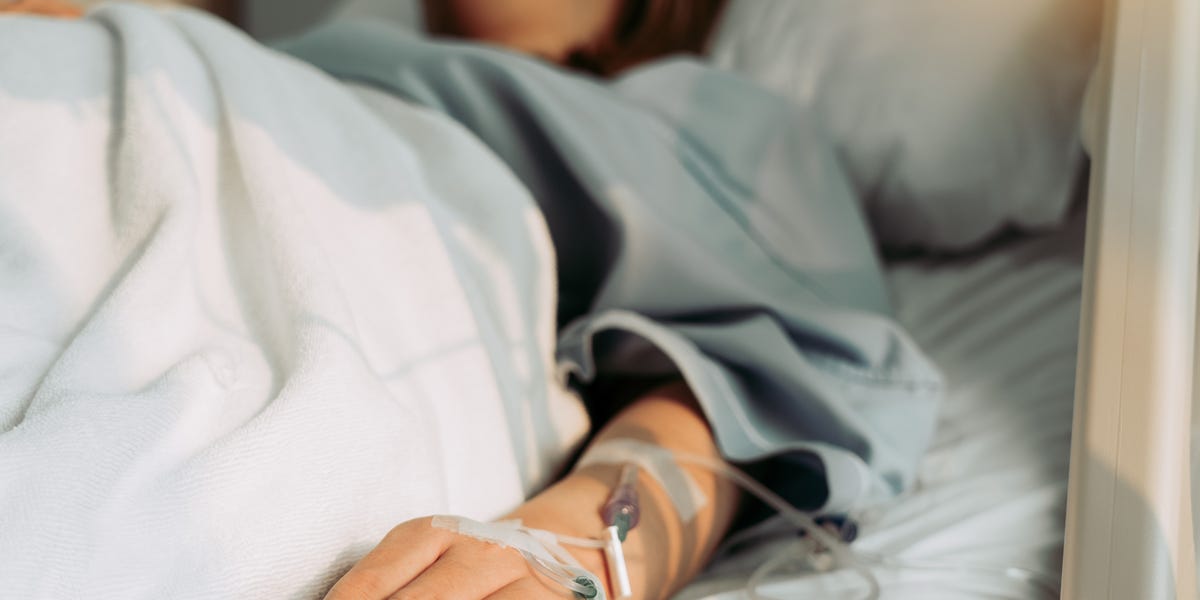
When your body is fighting off an infection, it’s normal to feel sick and tired. But in some cases, the body’s immune response can spiral into a dangerous condition called sepsis. Below, doctors explain sepsis causes, symptoms, and treatment options. But before we get into more detail, it’s important to emphasize that sepsis is not a “wait and see” condition. If you suspect you or a loved one has sepsis, you need to seek medical care urgently.
Sepsis occurs as the result of another infection. “Pneumonia is the most common infection leading to sepsis, accounting for approximately 40 to 60% of all cases,” explains Neha Paranjape, M.D., M.P.H., an infectious disease specialist with Wellstar Health System. “Abdominal infections like appendicitis, intestinal infections and gallbladder infections are the next most common source, contributing to 15 to 30% of cases. Urinary tract infections (UTIs) account for 15 to 30% of sepsis cases, followed by skin and soft tissue infections like cellulitis and infected wounds.”
Meet the Experts: Neha Paranjape, M.D., M.P.H., an infectious disease specialist with Wellstar Health System; David Cutler, M.D., family medicine physician at Santa Monica Family Physicians; Stephen Parodi, M.D., an infectious disease expert and executive vice president for Kaiser Permanente; Glenn Hardesty, D.O., an emergency medicine physician and chief medical officer with Health Services of North Texas
Below, experts explain what to know about sepsis, including the red-flag symptoms and what you can do to lower your risk.
What is sepsis, and how is it different from a regular infection?
Most of us think that sepsis is a type of infection. But it’s technically a condition that occurs when the body launches an extreme response to an infection—bacterial, viral, or fungal—that you already have. “It’s not a disease caused by a specific agent,” explains David Cutler, M.D., family medicine physician at Santa Monica Family Physicians. “So unlike strep throat or bacterial meningitis, no single cause for sepsis exists.”
If untreated, sepsis can lead to septic shock, when your blood pressure drops and your heart gets weak. That’s when the situation can become deadly.
What causes sepsis?
Sepsis forms when an infection that you already have triggers an intense immune system reaction, which sends harmful inflammatory chemicals into the bloodstream. The chemicals can cause blood clots and leaky blood vessels, which can block the flow of blood to your organs and potentially cause them to shut down, according to the NIH.
Here’s where it gets freaky: It doesn’t take a major infection to cause a problem. “Sometimes minor infections progress and trigger a sepsis response. It can even be triggered when no infectious cause is found, which happens about half the time,” Dr. Cutler explains. Sepsis is almost as likely to strike from a simple skin infection as it is from more serious ones in places like the lungs, kidney, or gut.
Anyone can get it sepsis, but you’re at much higher risk for the condition if you’re over 65, have a weakened immune system, or have a chronic medical condition (like diabetes, lung disease, kidney disease, or cancer). Babies under 12 months old are also more susceptible, the Centers for Disease Control and Prevention (CDC) says.


What are the symptoms of sepsis?
There aren’t any universal signs of sepsis. But early on, many patients notice that they start to feel confused or disoriented. They might also begin feeling short of breath as a result of the body going into overdrive to fight off the infection, says Stephen Parodi, M.D., an infectious disease expert and executive vice president for Kaiser Permanente. Other signs to pay attention to:
- Feeling like your heart is racing
- Having a fever, shivering, or feeling very cold.
- Extreme pain.
- Clammy or sweaty skin.
Sepsis symptoms usually take a day or two to develop after an infection forms, so you don’t need to freak out if cut your finger and then just so happen to develop a fever an hour later. “If someone were to scratch his or her finger at 2:00 PM, they would not be septic at 3:00 PM,” says Glenn Hardesty, D.O., an emergency medicine physician and chief medical officer with Health Services of North Texas. “Conversely, if you were to have a urinary tract infection on Sunday that progressed despite treatment, he or she could be in septic shock on Tuesday.”

Add Prevention as a preferred source in your Google search results.
Use your Google account to add this to your settings.

What should I do if I think I have sepsis?
A mild, run-of-the-mill infection usually won’t cause severe symptoms, Dr. Parodi says. So if you notice any signs of sepsis or you have an infection that seems to be getting worse instead of better, you should seek emergency medical attention right away.
Don’t be afraid to be proactive either. Sepsis can progress quickly, so it’s important to be specific and direct about your concerns. Ask your healthcare provider, “Could this infection be leading to sepsis?” The faster you start treatment, the sooner you’ll recover, Dr. Hardesty says.
How is sepsis treated?
Sepsis is usually diagnosed through blood tests that check your white blood cell count and look for other signs of infection or organ damage, according to the CDC.
If you have sepsis, you’ll be treated with antibiotics to fight off the infection. Depending on how far the sepsis has progressed, you might also be given oxygen or IV (intravenous) fluids to keep enough blood flowing to your organs and prevent a dangerous drop in blood pressure. In very serious cases, you might also need a respirator, kidney dialysis, or surgery.
Can I lower my risk of sepsis?
According to Dr. Paranjape, there are some things you can do to lower your risk of developing sepsis. She recommends:
- Staying up to date on vaccinations, including flu and pneumonia vaccines
- Working with your healthcare provider to keep chronic conditions such as diabetes, COPD, kidney disease, and liver disease well-controlled.
- Practicing good hygiene. Wash your hands regularly, keep cuts and wounds clean, to reduce the risk of infection.
- Using antibiotics responsibly, meaning only when prescribed and always complete the full course. Misuse or overuse of antibiotics can lead to antibiotic resistance, making infections more difficult to treat.
- Seeking prompt medical care for infections. Early treatment of infections can help prevent progression to sepsis.
⚠️ Remember, sepsis can be deadly. ⚠️
The key to making a full recovery is getting help as soon as possible. “We know that early treatment makes a big difference. Seeing your physician or emergency department early is important and can save your life,” Dr. Parodi says.
Read the full article here