

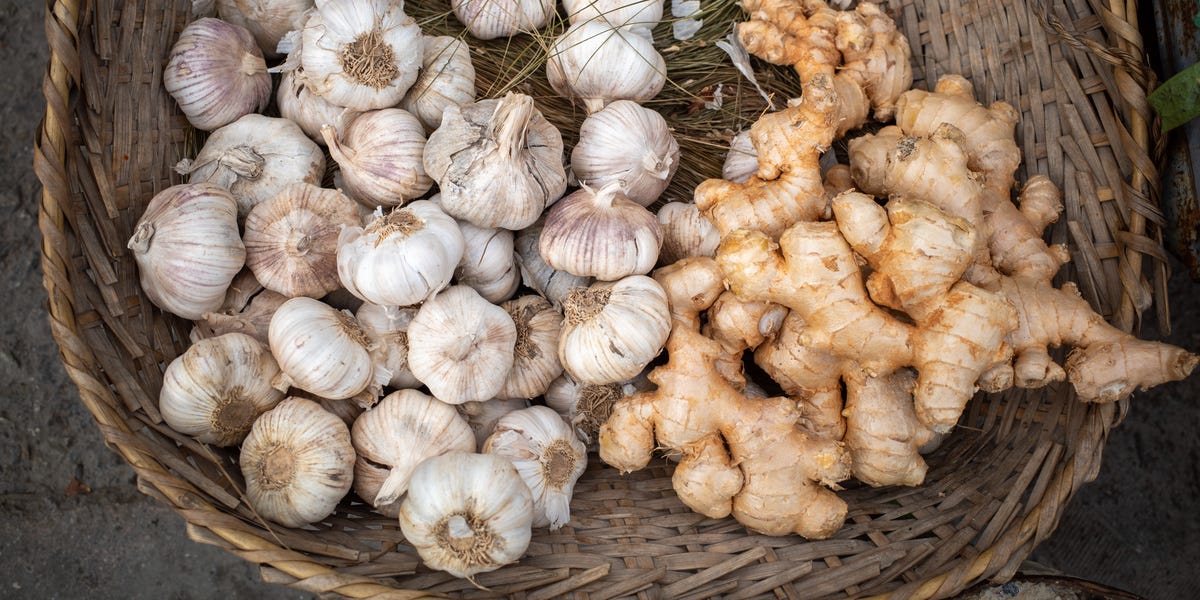
When you’re feeling under the weather or heading into a sniffly season, it’s helpful to eat more foods that support your immune system. Two of the most popular and most powerful are garlic and ginger, used for centuries to strengthen our internal defenses. But if it’s garlic vs. ginger for immune health, is one better than the other?
Here, I’m digging into everything you need to know about these delicious foods, including how they each support immunity, a few drawbacks to keep in mind, and if one is superior to the other for bolstering immune health.
Garlic vs. ginger: Nutrition
At first glance, ginger and garlic might seem like simple flavor enhancers. However, they are sources of certain nutrients and plant compounds that contribute to their health-promoting properties. While neither is a significant source of macronutrients like protein or fat in the small amounts we typically consume, their true value lies in their micronutrient and plant compound/antioxidant content. Some of these components are key to their roles in supporting the body’s natural defense systems.
According to the United States Department of Agriculture (USDA), one clove of garlic contains:
- Calories: 4.5
- Carbohydrates: 1 g
- Manganese: 2% of the Daily Value (DV)
- Vitamin B6: 2% of the DV
- Vitamin C: 1% of the DV
- Selenium: 1% of the DV
Beyond these vitamins and minerals, garlic’s most celebrated component is allicin. This sulfur compound is released when a garlic clove is crushed, chopped, or chewed and is responsible for its distinct aroma and many of its health benefits. Garlic also contains other beneficial compounds, such as diallyl disulfide and S-allyl cysteine, which are sulfur-containing compounds that may help reduce inflammation and provide antioxidant benefits.
Per the USDA, one teaspoon of freshly grated ginger contains:
- Calories: 1.6
- Carbohydrates: 0.4 g
- Small traces of minerals like potassium, copper, and magnesium
The primary bioactive compound in ginger is gingerol, which is the source of its spicy flavor and many of its medicinal properties. Ginger also contains other compounds, like shogaols and zingerone, which contribute to its anti-inflammatory and antioxidant effects.
How garlic boosts immunity
Garlic has been used for its medicinal properties for thousands of years. Its reputation as an immune supporter is largely tied to its sulfur compounds, especially allicin. When your body is fighting off certain threats, compounds found in garlic may lend a helping hand. Studies suggest that garlic may help enhance immune function by stimulating certain types of white blood cells that are crucial for defending against viruses, such as those that cause the common cold or flu. Compounds found in garlic have also been linked to reduced severity of colds and flu.
Beyond general immunity, the compounds in garlic have shown antioxidant properties, helping to protect cells from damage caused by free radicals. This protective action is important for overall long-term health and cellular function.
The sulfur-containing compounds diallyl disulfide and S-allyl cysteine, naturally found in garlic, are known to have potential anti-inflammatory and antioxidant properties, which may help support immune health.
Potential downsides of garlic
While garlic is safe for most people, it does come with a few considerations. The most common side effect is, not surprisingly, bad breath and body odor. This is due to the sulfur compounds that are metabolized and released from the body (even through your sweat!). For some individuals, consuming garlic, especially in raw or large quantities, may cause digestive upset, heartburn, gas, or bloating.
People on blood-thinning medications should also be cautious. Garlic can have a natural anti-clotting effect, which may increase the risk of bleeding when combined with these drugs. It’s always a good idea to speak with a healthcare provider before adding a large amount of garlic to your diet if you have a bleeding disorder or are scheduled for surgery.

Add Prevention as a preferred source in your Google search results.
Use your Google account to add this to your settings.

How ginger boosts immunity
Like garlic, ginger has a long history of use in both culinary and medicinal traditions. Its primary tool for better health is gingerol. This powerful compound has potent anti-inflammatory and antioxidant effects. Inflammation is a natural immune response, but chronic inflammation may be harmful. By helping to manage inflammation, ginger supports a balanced and effective immune system.
Ginger is particularly famous for its ability to soothe nausea and an upset stomach. This can be indirectly helpful for immunity, as proper nutrient intake is key to a well-functioning body. Combatting nausea may help people consume adequate amounts of key nutrients. When you’re feeling under the weather, a warm cup of ginger tea can be comforting and help you stay hydrated. Some studies suggest that fresh ginger may also have properties that help the body defend against certain viruses by preventing them from attaching to cells in areas such as the respiratory tract. But more research is needed.
Potential downsides of ginger
Ginger is generally considered safe, but high doses may cause mild side effects for some. These may include heartburn, diarrhea, and general stomach discomfort. The spicy nature of ginger may sometimes irritate the mouth as well.
Similar to garlic, ginger may have a mild blood-thinning effect. If you are taking blood-thinning medications like warfarin or have a bleeding disorder, it’s wise to consult your doctor before consuming large amounts of ginger or taking ginger supplements.
Garlic vs. ginger: Which is best for immune health?
So, after reviewing the evidence, which one should you choose? The truth is, you don’t have to. Ginger and garlic are not competitors; they are teammates. Both offer unique and valuable compounds that support your immune system in different yet complementary ways.
Garlic shines with its allicin content, which provides support for immune cell function and may help shorten the severity of common illnesses. Ginger, on the other hand, gets the spotlight for its gingerol content, which has powerful anti-inflammatory and antioxidant benefits that create a healthy internal environment for your immune system to thrive.
The best approach is to incorporate both into your diet. For garlic, some evidence suggests that consuming 1–2 cloves of fresh garlic per day may provide potential immune health benefits. For ginger, consuming around 1 gram of fresh ginger per day (about a 1-inch piece) or its equivalent in dried or powdered form may support immune health.
The distinct flavors of both garlic and ginger work well together in countless dishes, from soups and stir-fries to marinades and dressings. By enjoying both ginger and garlic, you give your body a broader spectrum of natural compounds to support its defenses. Instead of asking which one is better, consider how you can get the best of both worlds!
Read the full article here